Releasing aquarium fish into the wild introduces invasive species, spreads diseases, and disrupts delicate local ecosystems.
As a passionate fish keeper for over a decade, I’ve seen the deep connection people form with their aquatic pets. It’s a beautiful hobby. But with it comes a great responsibility, one that extends beyond the glass walls of our tanks. You may have wondered, with the best intentions, if your overgrown Pleco or extra guppies might enjoy a bigger home in a local pond. This brings us to a critical question for every aquarist: why should aquarium fish not be released into the wild? The answer is more complex and has far more serious consequences than you might imagine. Let's explore the crucial reasons to protect both our pets and our planet.

The Ecological Nightmare: Invasive Species Explained
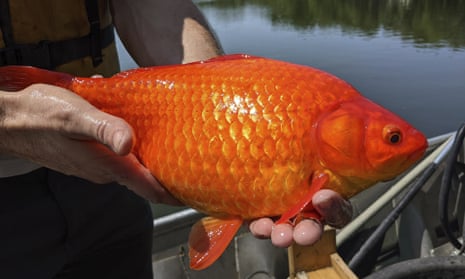
When we talk about releasing pets, the term "invasive species" often comes up. But what does that really mean? An invasive species is any non-native organism that causes harm to the local environment, economy, or human health. Many popular aquarium fish, like the common goldfish or the armored plecostomus, are incredibly hardy. This toughness, which makes them great pets, also makes them formidable survivors in the wild.
Once introduced into a new lake, river, or pond, these fish can reproduce rapidly. They often have no natural predators in their new home. This gives them a massive advantage over native fish. They begin to compete for the same food sources, nesting sites, and territory, pushing local populations to the brink. Think of it like an uninvited guest who eats all the food at a party and takes up all the space, leaving nothing for the original attendees. This is a primary reason why should aquarium fish not be released into the wild; it creates an unbalanced and unhealthy ecosystem.

Disease and Parasites: A Hidden Danger
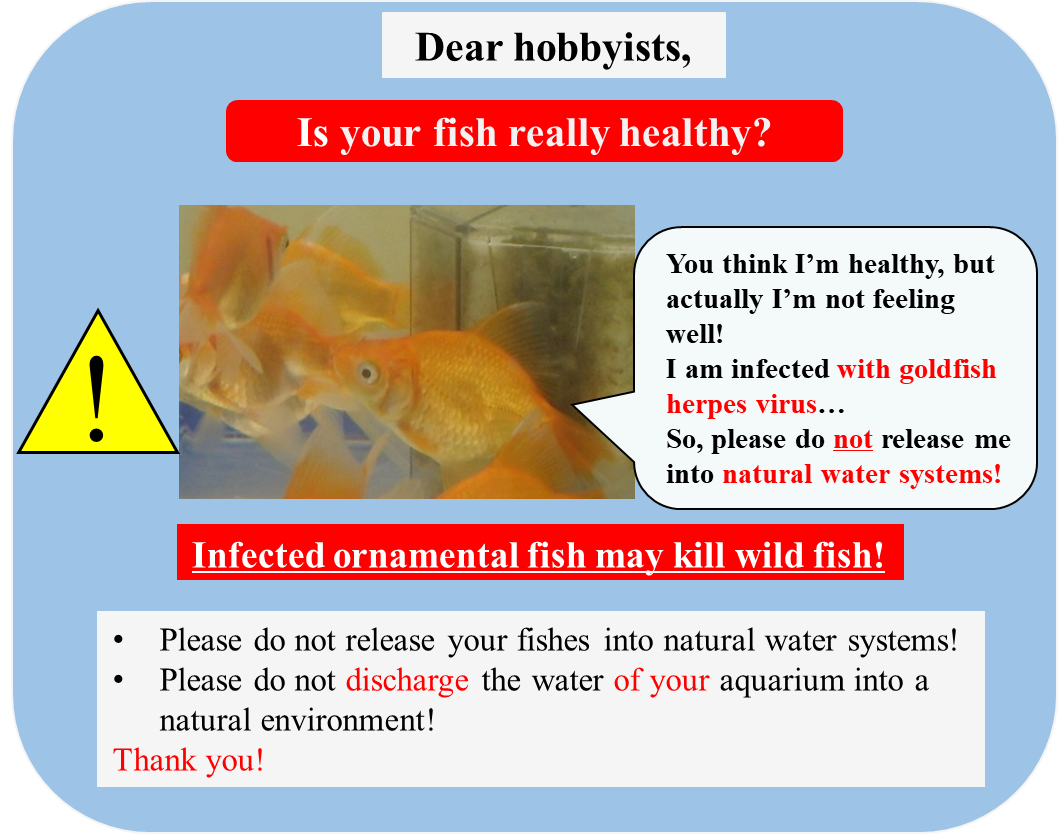
Your home aquarium is a closed environment. The fish inside have been exposed to a specific set of bacteria, fungi, and parasites, some of which may have come from other fish from different parts of the world. While your fish may have built up an immunity or show no signs of illness, they can still be carriers. Releasing them is like sending a silent, microscopic threat into an unprepared population.
Native wildlife has no natural defense against these foreign diseases. A single released fish can introduce a pathogen that could wipe out entire populations of local fish, amphibians, and invertebrates. It’s a devastating biological threat that can go unseen until it’s too late. This invisible risk is one of the most compelling arguments for understanding why should aquarium fish not be released into the wild. The health of our natural waterways depends on it.
The Uphill Battle for Survival: Why Your Pet Fish Won't Thrive
While we focus a lot on the environmental damage, it's also important to remember the fish itself. Releasing a pet fish is often not an act of kindness; it's a death sentence. For years, your fish has lived in a controlled environment. The water temperature, pH, and hardness have been stable and catered to its specific needs. The wild is anything but stable.
Imagine being dropped into a completely foreign land with a different climate and no idea what to eat or where to find shelter. That’s what it's like for your pet. It will likely suffer from the shock of different water conditions, struggle to find appropriate food, and become easy prey for predators it has never encountered. I once had a beautiful Neon Tetra school. The thought of them in a cold, murky local pond, terrified and unable to find food, is heartbreaking. This cruelty to the animal itself is a powerful reason why should aquarium fish not be released into the wild.
It's Not Just Fish: The Plant Problem
The issue doesn't stop with the fish. Many aquarists, myself included, love creating beautiful planted tanks. However, aquarium plants can be just as invasive as the fish. Species like hydrilla, water hyacinth, and even simple duckweed can wreak havoc if they get into local waterways. You might think dumping a bucket of aquarium water is harmless, but it can contain tiny plant fragments.
These fragments can grow into dense mats that choke out native vegetation. They block sunlight from reaching a pond's depths, which kills off native plants and lowers the oxygen levels in the water. This process, called eutrophication, creates "dead zones" where fish and other aquatic life cannot survive. So, when considering why should aquarium fish not be released into the wild, we must also include the plants and even the water from their tanks.

The Legal and Ethical Side of Releasing Pets
Beyond the ecological and animal welfare concerns, there's a legal one. In most states and countries, it is illegal to release non-native animals into the wild. This includes your aquarium fish. These laws are in place to protect local ecosystems from the exact problems we've discussed. Getting caught can result in significant fines and penalties.
From an ethical standpoint, owning a pet is a commitment for the entirety of its life. When circumstances change and you can no longer care for your fish, the responsible and ethical choice is to rehome it, not to release it. This commitment to responsible pet ownership is a core part of the discussion about why should aquarium fish not be released into the wild. It’s about honoring the promise we made to our pets when we brought them home.
/https://tf-cmsv2-smithsonianmag-media.s3.amazonaws.com/filer/bf/4e/bf4ec3eb-669f-4a1d-87ad-dd83f81c384d/4694899147_fcd4b69350_o.jpg)
Humane Alternatives to Releasing Your Aquarium Fish
So, what should you do if you can no longer care for your fish? Fortunately, there are many responsible and humane options available. Releasing them is never the answer. Here are some safe alternatives:
- Return to a store. Many local fish or pet stores will accept unwanted fish, especially if they are healthy and a desirable species. Always call first to ask about their policy.
- Contact a local aquarium club. Your area likely has a group of fellow hobbyists who would be happy to give your fish a new home. These clubs are full of knowledgeable people who can ensure the fish is well cared for.
- Use online communities. Social media platforms and online forums have dedicated groups for rehoming aquarium fish. You can often find an experienced fish keeper in your area willing to adopt.
- Ask friends or family. You might know someone with an established aquarium who has room for another fish. This can be a great way to ensure your pet goes to a good, trusted home.
- Consult a veterinarian. If your fish is sick, old, or suffering, the most humane option may be euthanasia. A veterinarian who specializes in aquatic animals can guide you on the most painless methods.
Frequently Asked Questions of why should aquarium fish not be released into the wild
What if my fish is native to my area?
Even if the species is native, your pet fish should not be released. It could introduce diseases and parasites from its tank environment that local populations are not immune to. Captive-bred fish may also have different genetics that could weaken the wild gene pool.
Can't a single fish do much harm?
Yes, it absolutely can. It only takes one pregnant female or a compatible pair to establish a new, invasive population. Many of the world’s worst invasive species disasters started with the release of just a few individuals.
Is it okay to release aquarium water into a storm drain?
No, you should never pour aquarium water into storm drains or natural bodies of water. The water can carry microscopic hitchhikers, including disease-causing organisms, algae spores, and tiny plant fragments that can cause ecological harm.
What is the most famous example of an invasive aquarium fish?
The lionfish in the Atlantic Ocean is a classic, devastating example. Native to the Indo-Pacific, these predators were released from aquariums in Florida and have since spread rapidly, destroying native reef fish populations throughout the Caribbean and Gulf of Mexico.
Are there any programs that take unwanted fish?
Yes, some public aquariums, zoos, and dedicated fish rescue organizations have surrender programs for unwanted pets. Additionally, many pet stores and local fish clubs serve as informal rehoming networks for hobbyists.
Conclusion
The message is clear: our aquariums should be self-contained worlds of beauty, not gateways for environmental destruction. Understanding why should aquarium fish not be released into the wild is about protecting delicate ecosystems from invasive species, preventing the spread of deadly diseases, and acting humanely towards the pets we committed to care for. It is a fundamental responsibility for every person who enjoys this wonderful hobby.
Be a champion for your local environment and a responsible pet owner. Always choose humane rehoming options over release. Share this information with fellow aquarists to help spread awareness and protect our precious natural waterways for generations to come. What are your thoughts on this important issue? Feel free to share in the comments below