GPH Meaning in Aquarium Filters: What the Box Won’t Tell You
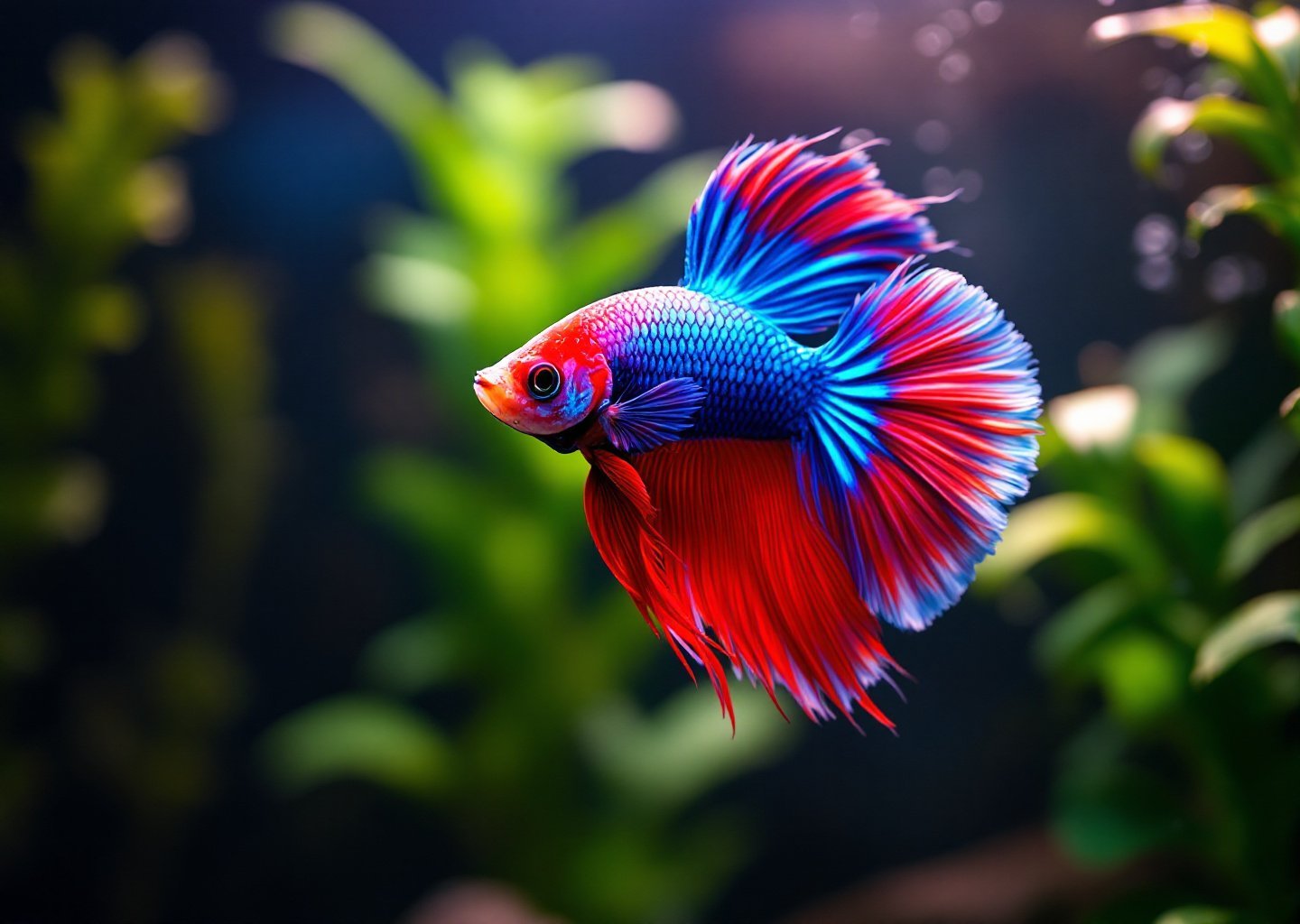
I still remember standing in a pet store clutching a filter box that promised 100 gallons per hour, feeling pretty smug because my 10-gallon tank was supposedly covered. Spoiler: it wasn’t. My plants drooped, my water clouded, and my poor betta Gerald fought currents that felt like running on a treadmill. That experience taught me something important. The advertised GPH meaning, or aquarium filter flow rate, is basically a best-case scenario number. One that rarely matches real life.
Does your filter claim it can handle your tank size, but your water still looks tired or your fish seem stressed? You’re not imagining things. Those glossy GPH ratings on boxes are often wildly optimistic. Let me break down what GPH actually measures, why manufacturers stretch the truth, and how to calculate your real flow rate so your tank gets the stability it deserves.
What GPH Actually Means (And What Manufacturers Don’t Want You to Calculate)
GPH stands for gallons per hour. In theory, it measures how much water your filter can move in 60 minutes. Sounds simple, right? It’s not.
Manufacturers measure GPH under perfect conditions:
– Zero head height
– No media inside
– No sponges, no gunk, no restrictions
– Basically, no real tank conditions whatsoever
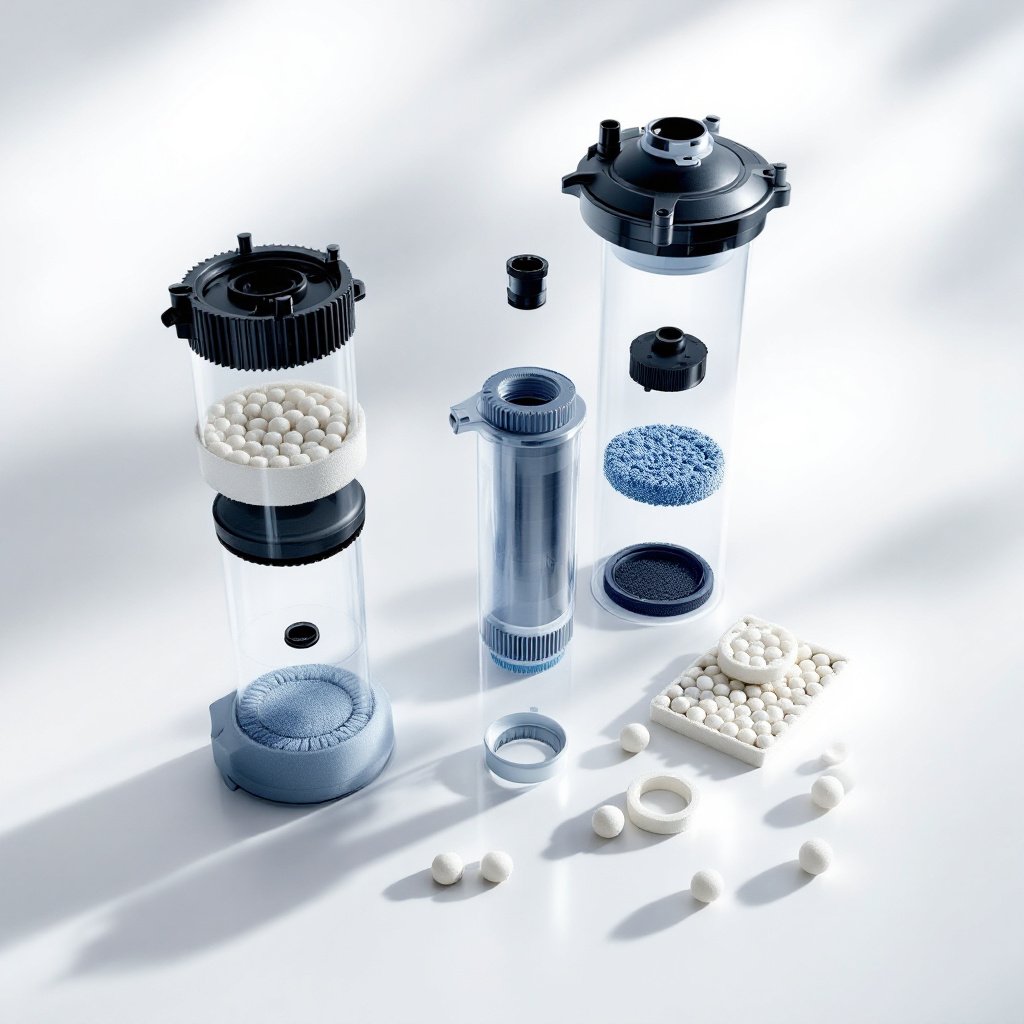
The number printed on the box is more like a fantasy football version of your filter. Nice to imagine, but not what you’ll actually get in your cramped apartment setup. Once you add sponges, ceramic rings, and all the goodies that make filtration actually work, your real flow rate often drops by 30 to 60 percent.
Ever wondered why your water still looks dull even though your filter matches the gallons-per-hour filter sizing guide? That’s pretty much why.
Turnover Rate Explained: The Real Number That Matters More Than GPH
GPH tells you raw movement, but turnover rate tells you whether your tank is actually being processed enough.
The math is simple:
Filter GPH divided by tank volume.
A 100 GPH filter on a 10-gallon tank gives a turnover of 10 times per hour. At least on paper.
Different tanks need different turnover rates, though honestly, recommendations vary among hobbyists and sources:
– Low-flow planted tanks: 4 to 10 times per hour (lower end for low-tech setups)
– Community tanks: 6 to 10 times per hour
– Heavily stocked tanks: 4 to 10 times per hour (higher filtration capacity helps)
– Messy fish like goldfish: 5 to 10 times per hour
I tend to lean toward the higher side because I’ve seen how debris collects in corners of lightly filtered nano tanks. Wondering what GPH filter you need for your tank size? Turnover rate will tell you faster than any box label ever could.
The Tank-by-Tank GPH Guide: Freshwater, Planted, and Community Tank Requirements
Every setup has its own flow personality. My aquascapes, especially the ones packed with stem plants, can turn into sad traffic jams when the flow is too low.
A quick breakdown that actually reflects real-world conditions:
Planted Tanks
Recommended turnover: 4 to 10 times per hour
Plants hate chaotic flow. You want gentle circulation that spreads nutrients without ripping leaves off your rotala. The best GPH for planted aquarium filters tends to be lower than most beginners expect, especially for low-tech setups where 4 to 6 times is often sufficient.
Community Tanks
Recommended turnover: 6 to 10 times per hour
Think guppies, tetras, and corys. You need enough flow to keep oxygen levels healthy but not so much that your schooling fish exhaust themselves swimming upstream.
Heavily Stocked Freshwater Tanks
Recommended turnover: 4 to 10 times per hour
Keeping fast-growing plants, messier fish, or running a tank with a questionable feeding schedule? Aim for the higher end of the range.
Betta or Nano Tanks
Recommended turnover: 2 to 4 times per hour
Bettas don’t want to be blasted. Their long fins make them particularly sensitive to strong currents, and I learned this the hard way in my first uncycled tank. Keep the flow modest and spread it with a spray bar when possible.
Four Warning Signs Your Flow Rate Is Wrong (That Look Like Other Problems)
Most aquarium issues get blamed on water parameters or feeding habits. But flow? It’s a sneaky culprit.
Keep an eye out for these symptoms:
- Dead spots where debris piles up
Looks like poor maintenance but is often actually a flow issue. - Fish avoiding certain areas
Fish know when flow is uncomfortable. When they’re clinging to one side of the tank, your filter might be too strong or too weak. -
Surface film buildup
Usually means surface agitation is too low. -
Plants swaying awkwardly or not moving at all
Either extreme hints that circulation is off. In my tanks, when my stem plants stop doing that soft, rhythmic wave, I check my filter immediately.
Sound familiar? Seeing one or two of these plus cloudy water? Chances are your flow rate is the problem.
How to Measure Your Filter’s Real GPH: The Five-Minute Bucket Test
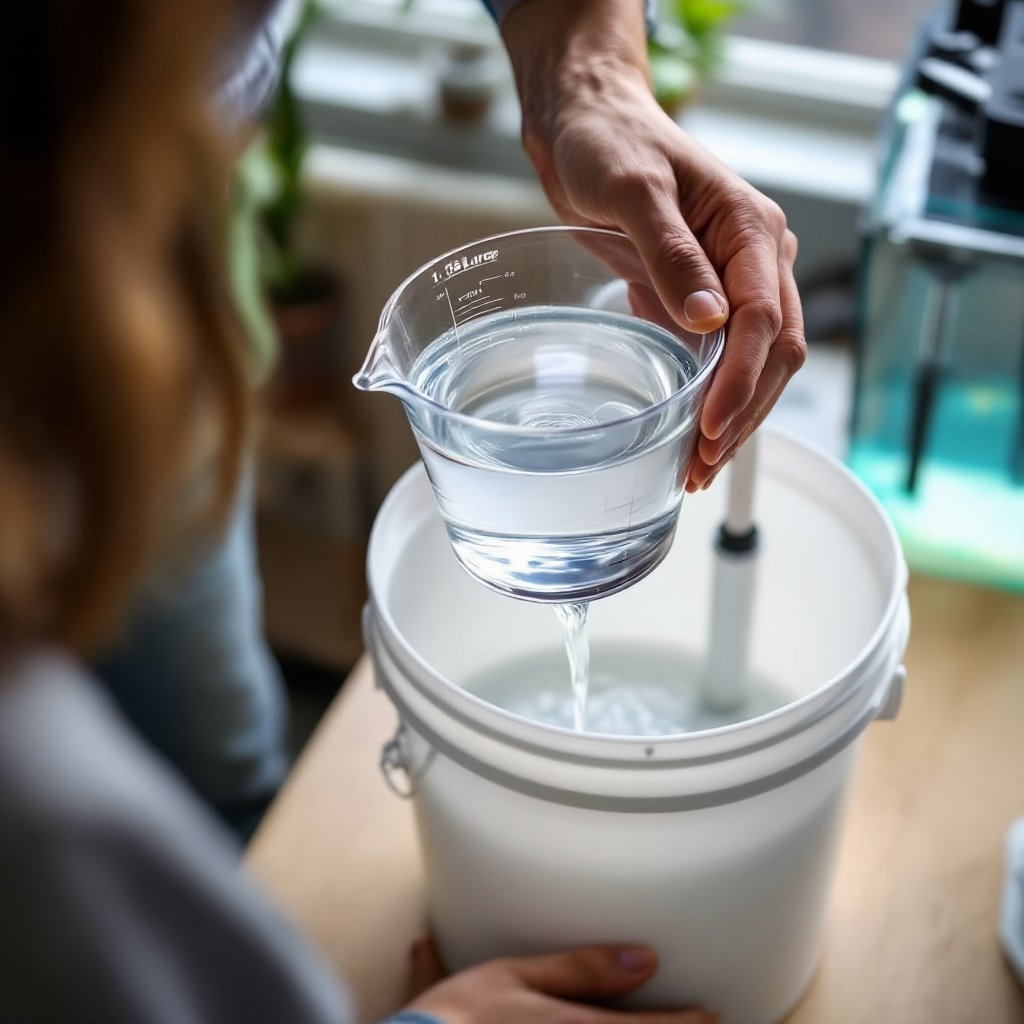
The fastest way to understand how to calculate GPH for fish tank setups is to measure it yourself. I do this for every filter I own, even my tiny sponge filters.
You only need:
– A bucket
– A measuring cup
– A timer
Steps:
1. Disconnect your filter output and direct the water into the bucket.
2. Run the filter for exactly one minute.
3. Measure the water collected.
4. Multiply by 60 for real-world GPH.
Let me give you an example. Say your 100 GPH filter only outputs 54 ounces in a minute. That’s about 0.42 gallons. Multiply by 60, and you get roughly 25 gallons per hour. A dramatic drop from the advertised rate, but now you understand the real situation. Now you know how to measure aquarium filter flow rate accurately instead of trusting a marketing number.
A simple bucket test works better than any online aquarium filter GPH calculator tank volume tool because it reflects your media, your water level, your head height, and your actual tank reality.
Finding Your Tank’s Sweet Spot
GPH marketing numbers rarely match what your tank actually needs. Real flow comes down to turnover rate, stocking level, and how your aquascape moves water. Once you understand the true GPH meaning, choosing the right filter becomes way easier.
A personalized quick formula:
Real GPH divided by tank volume equals turnover rate. Aim for:
– 2 to 4 for bettas and nanos
– 4 to 10 for planted tanks
– 6 to 10 for community tanks
– 4 to 10 for heavy stock
When real GPH runs too low, upgrade the filter or reduce media restrictions. And when the flow feels too harsh? Add a spray bar or baffle.
When in doubt, test again. Grab that bucket, set a timer, and let the numbers speak for themselves. Your tank will tell you when the flow is right. For more guidance, look for articles on choosing filters, such as how to choose the right GPH filter for tank size, to keep learning.
Gerald the betta eventually got the gentle current he deserved. Yours can too.