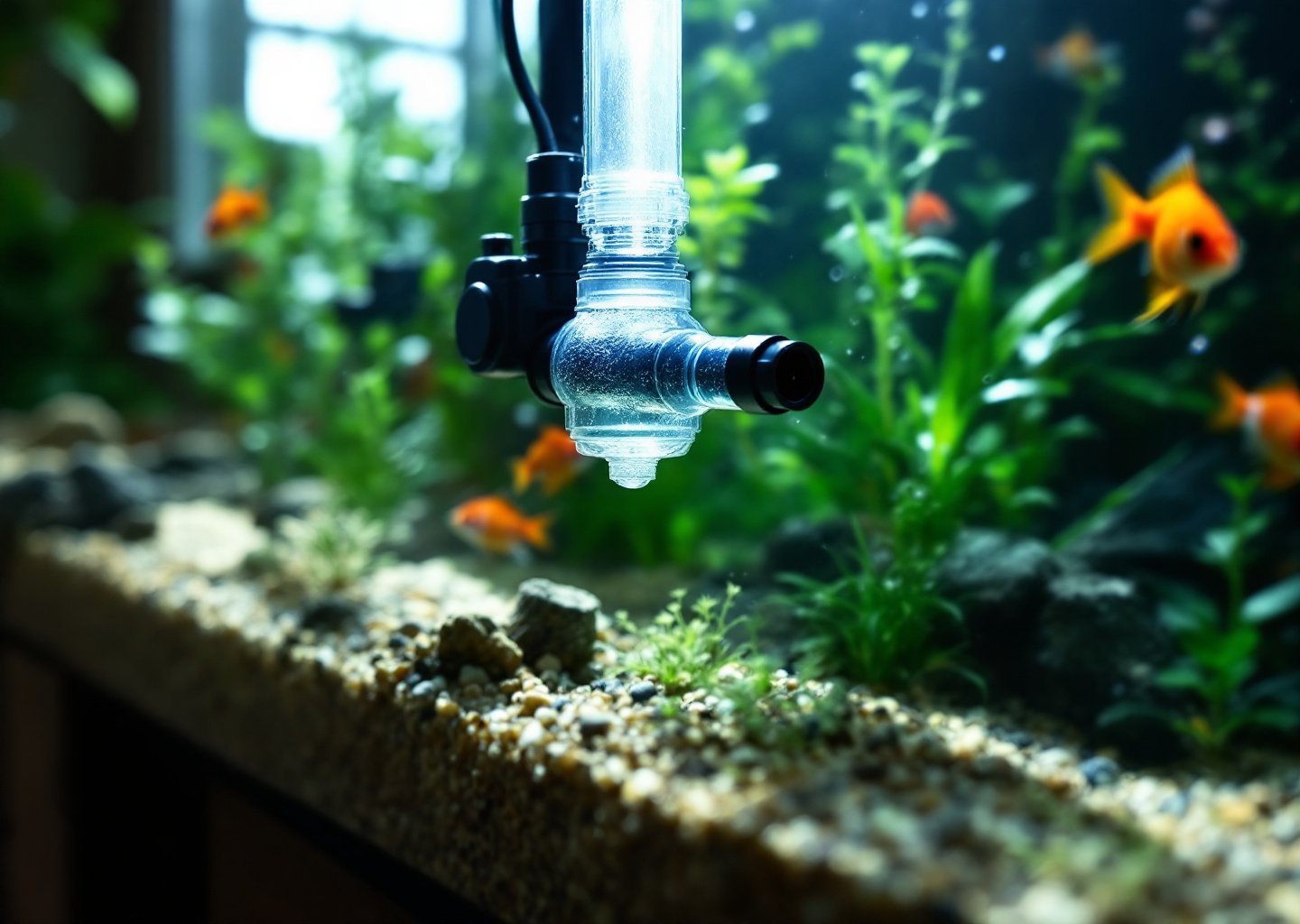
AquaClear 70 Review After One Year: What Actually Happens to This Filter Over Time
Most aquarists only use a filter for a few weeks before reviewing it. And honestly, that’s why so many write-ups feel disconnected from real life. A brand-new filter behaves like a totally different machine compared to one that’s survived twelve straight months of debris, biofilm, and the occasional shrimp that decides to hitch a ride into the intake. This AquaClear 70 review after one year is my attempt to fix that gap by sharing what the filter actually looks like after long-term use: the good, the annoying, and the stuff I wish someone had warned me about.
I spent a full year running an AquaClear 70 on my 75-gallon community tank. This review covers the actual performance changes, water parameter logs, maintenance costs, and the unexpected problems that cropped up around month eight. If you’re trying to figure out whether the AquaClear 70 is worth buying for a medium-to-large tank, or if you’re comparing it to a Fluval canister like the 307, everything you need is here.
My Setup: Tank Specs, Bioload, and Testing Methodology
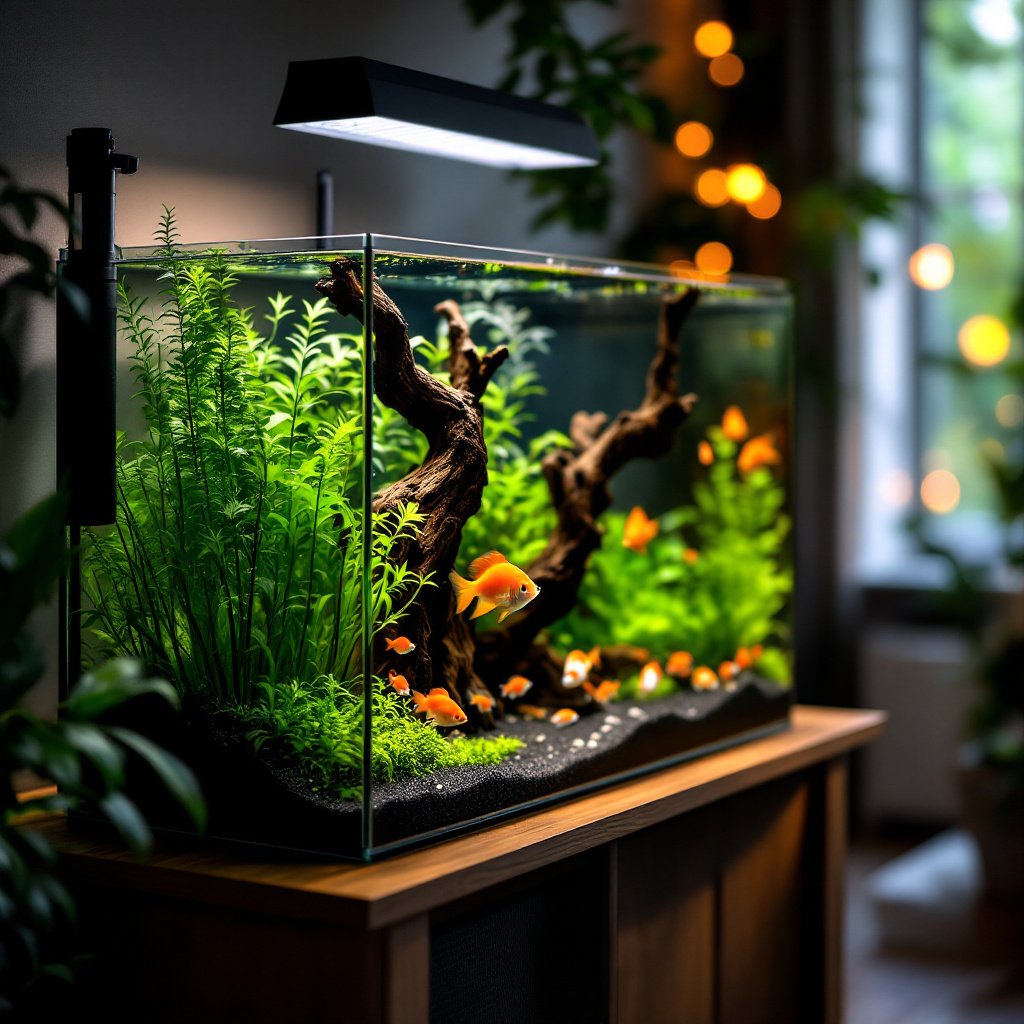
This tank sits in my living room, right next to the window that gets gentle morning light. It features a medium-heavy bioload and a ton of live plants. Classic Sophie setup. I use color to guide my scapes, and this one leans into my favorite contrast: bright greens against orange fish.
Full breakdown below:
- Tank size: 75 gallons
- Stocking: 1 angelfish, 20 harlequin rasboras, 12 sterbai corys, 1 bristlenose pleco, plus shrimp that definitely overpopulate when I’m not paying attention
- Plants: Mixed stems, lots of crypts, floating salvinia
- Substrate: Black blasting sand, nutrient capped
- Hardscape: Mopani wood and a thrifted quartz piece I still can’t believe I found for $4
- Food load: Twice-daily feeding, pretty generous
- Testing schedule: Weekly API freshwater kit, occasional Hanna ammonia checker when needed
- Filter placement: Left side of tank, output angled slightly toward the center to push debris toward the intake
For this AquaClear 70 long-term durability test, I measured flow rate every three months using a simple timed-volume method. Not perfect, but consistent. I also logged noise levels, temperature of the motor housing, and water parameters.
Performance Over Time: Flow Rate Decline, Filtration Quality, and Water Parameter Tracking
Out of the box, the AquaClear 70 starts strong. Really strong. The box says it pushes up to 300 GPH, and mine clocked in at roughly 278 GPH right away. Pretty much what I expected.
Three months in:
– Flow dropped to roughly 240 GPH
– Sponge was noticeably heavy with mulm
– Water clarity remained excellent
Six months in:
– Flow stabilized around 210 GPH
– Biofilm buildup in the intake slowed things down
– Water parameters still rock solid, with nitrates averaging 15 to 20 ppm despite my questionable plant-trimming schedule
Around month nine, the decline became more noticeable. Here’s the thing about AquaClear 70 performance over time. It’s not linear. It holds steady for a while, then drops fast once certain parts begin wearing out. At the one-year mark, I measured about 185 GPH. Still workable, but definitely below ideal for a 75-gallon tank unless you’ve got backup filtration. Luckily, I run a small sponge filter in the opposite corner.
What surprised me most was the consistency of water quality. Even with flow dropping, biological filtration stayed stable. If your tank is heavily planted like mine, this helps mask mechanical decline.
The Problems Nobody Warns You About: Impeller Noise, Motor Issues, and Media Degradation at Month 8
Then month eight hit. Everything changed.
My AquaClear 70 problems and issues over time showed up all at once:
- Impeller chatter that came and went at random times, usually at night (which is great when your bedroom is ten feet away)
- Motor housing began running warmer than usual
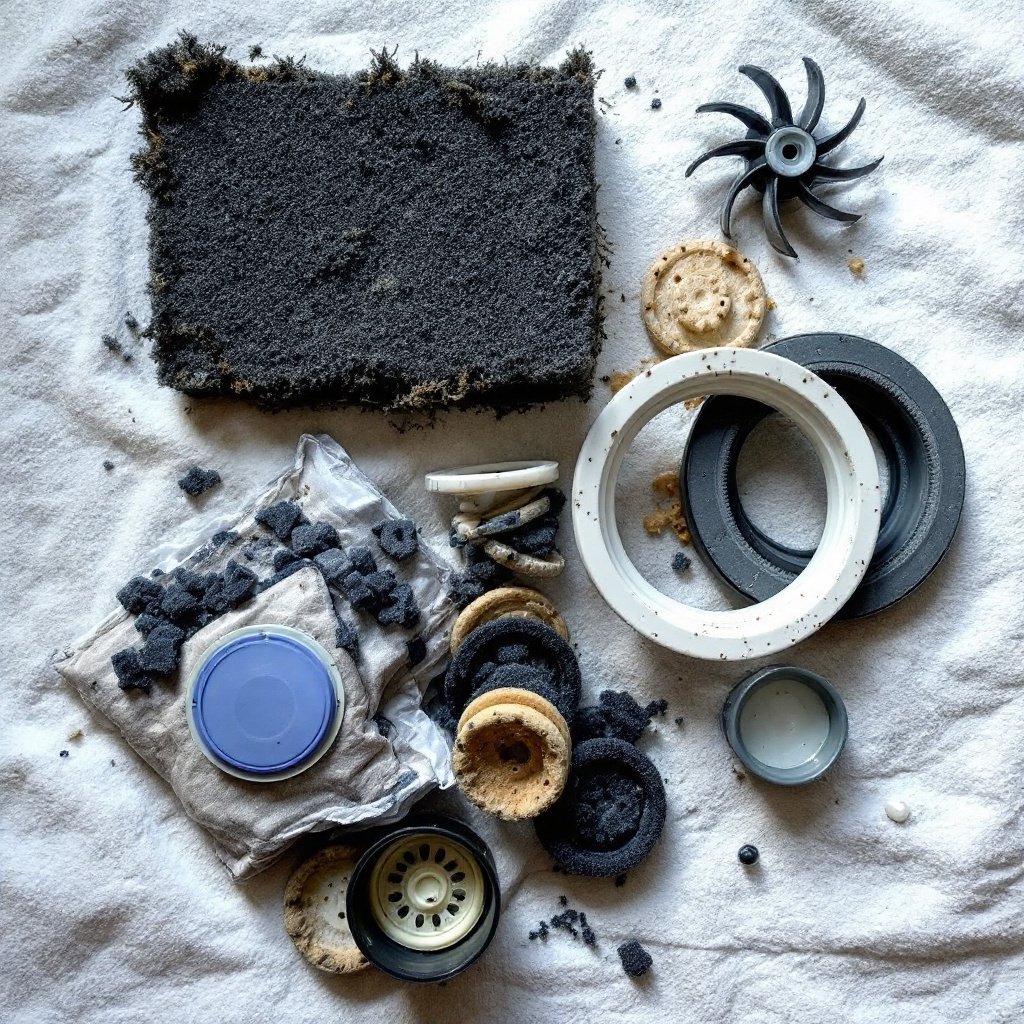
- Carbon bag deteriorated so much it felt like wet tissue
- Sponge lost rigidity and started to crumble at the edges
That impeller noise was the most frustrating part. Not loud, but this repetitive tapping sound that somehow worked its way into my dreams. Sound familiar? Cleaning helped for about two days before it returned. I eventually replaced the impeller assembly at month ten, which solved the issue completely.
As for the media, the sponge technically can last years, but mine definitely needed replacing after twelve months. High load plus lots of fine debris wore it down. So if you’re wondering how often AquaClear 70 media should be replaced, the answer depends on stocking. But a year feels like the real upper limit with messy fish.
One-Year Maintenance Log: Actual Costs, Media Replacement Schedule, and Time Investment
Because I’m obsessive about tracking aquarium costs, I kept a simple log for this filter. My real AquaClear 70 media replacement schedule and spending looked like this:
- Month 0: Included sponge, carbon, BioMax
- Month 3: Added second sponge to replace carbon, $9
- Month 6: Replaced BioMax with Seachem Matrix, $11
- Month 10: Impeller replacement, $12
- Month 12: New sponge, $9
Total spent over the year: $41
Maintenance time per month:
– Quick rinse of sponge and Matrix: about 10 minutes
– Full intake cleaning: 15 minutes every 6 weeks
– Random troubleshooting of noise issues: probably 1 hour over the entire year
For people researching AquaClear 70 filter maintenance after one year, expect to invest a little more time compared to canisters, but less money. HOB filters are simple, but that simplicity means you clean them more often.
AquaClear 70 vs. Fluval 307: Which Actually Holds Up Better for 70- to 75-Gallon Tanks?
This question comes up constantly. Is the AquaClear 70 worth it for a 75-gallon tank, or should you just grab a Fluval 307 and call it a day?
My take on the comparison:
AquaClear 70:
– Cheaper up front
– Easier for quick-access cleaning
– Flow decline more noticeable after six to nine months
– Impeller noise more likely as the filter ages
– Less water volume for biomedia
Fluval 307:
– More expensive, obviously
– Maintenance takes longer since you’ve got to haul the canister to a sink
– Flow stays more consistent over time
– Runs quieter, even at one year
– Holds more media, better for heavy bioloads
Want the best hang-on-back filter for 70-gallon aquarium setups? The AquaClear 70 still claims the top spot. But when comparing the AquaClear 70 vs. Fluval 307 for large aquariums, the 307 wins in long-term durability and noise control.
A funny side note: lots of people ask about AquaClear 70 vs. AquaClear 50. Which is better? For anything above 40 gallons, go with the 70. The 50 simply doesn’t have the media capacity needed for larger tanks.
Final Verdict: Is the AquaClear 70 Worth It After 12 Months?
After writing this AquaClear 70 filter review after one year, my verdict is clearer than I expected.
Buy the AquaClear 70 if:
– You want a powerful HOB that handles most 75-gallon tanks
– You need easy access for frequent maintenance
– You prefer low-cost media changes over the years
Skip it if:
– You hate noise, even mild noise
– You want set-and-forget filtration
– Your tank has a very heavy bioload and needs big media capacity
In my apartment, where I try to balance seven nano tanks and a big display without blowing up my electricity bill, the AquaClear 70 still earns a spot. Just know what you’re getting into. It’s efficient, affordable, and a little needy once it hits that eight-month mark.
If you want to learn about alternative filtration ideas, try reading best budget canister filters or sponge filter setups for large tanks.