
My Real-World Test: Sponge Filter vs. HOB for Betta Tanks
I kept seeing the same recycled advice about betta filtration everywhere. And honestly? None of it matched what was actually happening in my tanks. So I spent several months running a real sponge filter vs. HOB filter for betta fish comparison across my little betta colony in my apartment. Spoiler: both worked, but not at all in the ways the internet told me they would.
Ever Googled the best filter type for betta tank setups? You know the usual script. Sponge filters are gentle. HOB filters are too strong. Case closed, right?
Not even close.
Between my nano tanks, several bettas (including both long-fins and plakats), and my honestly unhealthy obsession with tweaking aquascapes, I had enough tanks to test both filter types side by side. Since I’d already learned the uncycled tank lesson the painful way years ago, I wanted real data this time. Actual maintenance logs. Daily behavior observations. Weekly water tests. Not just vibes.
By the end of my testing period, I had a much clearer picture of how to choose between sponge filters and HOB filters for bettas. And the answer mostly depends on your space, your aquascape, and your personal tolerance for noise.
The Test Setup: Tank Sizes, Betta Varieties, and How I Measured Fairly
Here’s what my comparison looked like:
- Tanks ranging from 3 to 7.5 gallons with both halfmoon and plakat bettas
- Identical heaters, similar plant loads
- Alternating filters periodically so each betta experienced both filter types
To keep things fair, I tracked:
- Water clarity and debris accumulation
- How often I had to rinse the filter media
- Noise levels at night in my very echo-y apartment (seriously, you can hear everything)
- Betta behavior like flaring, clamping, resting, and whether they avoided certain areas
- Flow patterns and how they affected plant movement and scape layout
- Weekly ammonia, nitrite, and nitrate readings
My design brain kicked in too. I tracked how each filter type visually affected the scape. Because if you’ve ever tried to hide an airline tube in a densely planted nano tank, you know it matters.
Sponge Filter Results: Where They Exceeded Expectations and Where They Disappointed
Starting out, my expectations were pretty low since sponge filters get labeled “beginner gear.” Honestly, I underestimated them.
The Wins
- Zero issues for long-fin bettas. My fish navigated calmly and rested way more often.
- Tank stability was excellent with almost no ammonia spikes.
- Perfect if you’re chasing a low-flow filter for betta aquarium setups.
- My plants loved the steady oxygenation.
- Quietest thing in my entire apartment, especially when I paired the air pump with a folded towel underneath.
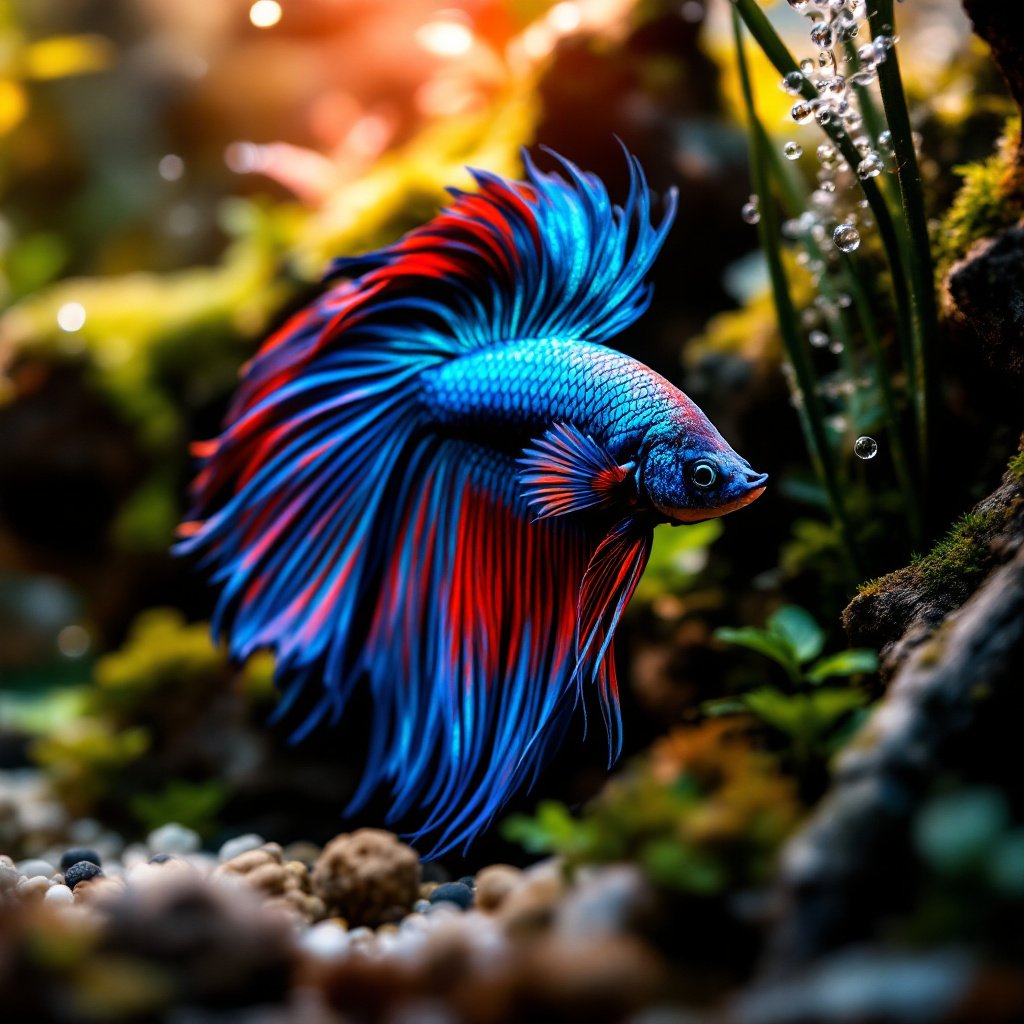
Something unexpected happened too. Those sponge filter bubbles created this soft rhythmic movement in my rotala stems that actually made the tank look more alive. Sort of that gentle shimmer you get from a window breeze, but underwater. Pretty cool, honestly.
The Disappointments
- Visual footprint bugged me. Even the best sponge filter for 5-gallon betta tank setups still looks like a black cylinder dominating one corner.
- My more finicky betta, Atlas, kept investigating the uplift tube and nipping bubbles, which drove me absolutely nuts at night.
- Debris tended to settle behind the sponge instead of getting pulled through it, so I had to turkey baste more than I wanted.
- Water polishing just can’t match a HOB. My tannin-heavy scapes stayed a bit cloudy unless I added floss to the uplift tube.
Sponge filter benefits for betta fish are real, but trade-offs exist if you care a lot about aesthetics or want super crisp water.
HOB Filter Results: The Flow Problem Is Real, but You Can Fix It
The clean look of a HOB has always appealed to me because it frees up space inside the tank. But the flow. Oh, the flow.
First time I put a standard HOB on my halfmoon boy Finn? He spent the entire day pinned to the opposite corner like a tiny dramatic kite. Long-fin betta owners will understand this immediately.
The Wins
- Water clarity is unbeatable. Even with hardscape tannins, tanks looked glassy in a day.
- Maintenance took less time than the sponge filters because I could simply pull the basket, squeeze the media, and drop it back in. Done.
- Surface agitation solved my biofilm issues in the 7.5-gallon tank.
- Cleaner lines for the whole aquascape. Nothing cluttering the substrate zone.
The Problems and How I Fixed Them
HOB filters create directional flow. Long fins turn that into a personal nightmare.
Here’s exactly how I solved the flow issue:
- Stuffed floss into the outflow lip to break the waterfall effect
- Added a pre-filter sponge to mellow the intake pull
- Pointed the outflow toward the glass to diffuse the pressure
- Set a piece of tall hardscape so the flow hit rock before reaching the betta
With these adjustments, my hang-on-back filter betta tank stayed safe without sacrificing water clarity. And yes, with tweaks, a HOB is safe for betta tanks with long fins. Your mileage may vary if you’re using a giant waterfall-style HOB that belongs on a 20-gallon tank, though.
Head-to-Head Comparison: Noise, Maintenance, Cost, and Betta Behavior
Okay, the stuff you actually want to know:
Noise
- Sponge filter: Whisper quiet once the pump is softened. Best option if you want a quiet aquarium filter for betta setups.
- HOB: Low hum plus waterfall noise unless the water level stays high. My bedroom tank drove me nuts after midnight. Like, I lost sleep over this.
Maintenance
- Sponge filter: Rinse when flow noticeably decreases, which varies based on bioload and feeding habits. Could be anywhere from a few weeks to a couple of months. Takes longer, but you really can’t mess it up.
- HOB: Quick job. Just don’t replace all the media at once, or you’ll repeat my Gerald disaster.
Cost
- Sponge filter: Cheapest option, especially if you’re just starting out.
- HOB: Costs more but keeps the water looking sharp.
Betta Behavior
- Sponge filter: Bettas rested more, explored more, and ate at the surface calmly.
- HOB: My plakat loved the extra current. My long-fins? Only tolerated it after modifications.
How I’d Actually Decide (Three Questions)
When friends in tiny apartments ask me how to choose between sponge filters and HOB filters for bettas, I give them these three questions.
- Do you want the gentlest possible flow with minimum risk to long fins?
If yes, choose a sponge filter. -
Do you care about pristine water clarity and hidden equipment?
If yes, choose a HOB with simple flow modifications. -
Do you sleep near your tank?
If yes, go sponge filter. You’ll hear that waterfall all night otherwise. Trust me on this.
What if you answered yes to both questions one and two? Consider a hybrid setup. This is what I ended up doing in my 7.5-gallon tank, and honestly, I loved the result.
After testing the sponge filter vs. HOB filter for betta fish over an extended period, neither filter wins universally. They just shine in different situations.
What I’d tell a friend buying their first filter:
- For 3 gallons: Sponge filter only. A HOB just overwhelms this size.
- For 5 gallons: Both work. Sponge filter for long-fins, HOB for plakats or heavily planted tanks.
- For 7 to 10 gallons: HOB with flow tweaks offers great clarity without stressing most bettas.
- For beginners: A sponge filter setup for betta aquarium beginners is the simplest path forward.
- For bettas with extremely long fins: Go sponge and don’t look back.
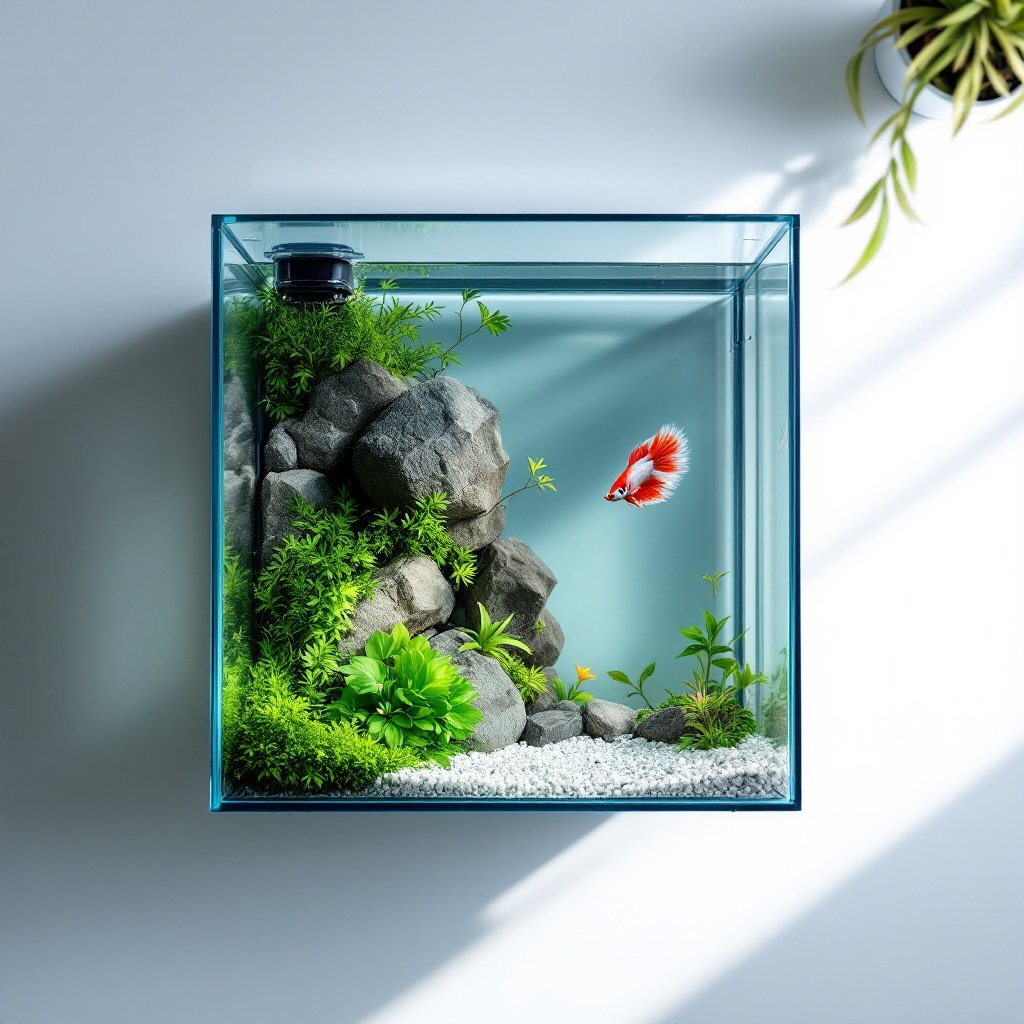
My 7.5-gallon tank now runs a hybrid system. A sponge on the left and a tiny HOB set to the lowest flow on the right. This gives me the clarity I want for photography and the gentle filtration options for betta fish that keep my boy comfortable.
Want more content like this? You might like reading my guide on picking hardscape for nano tanks too. aquascaping hardscape guide
And if you’re still torn? Remember this: Any filter is better than cycling with none at all. Gerald taught me that the hard way.