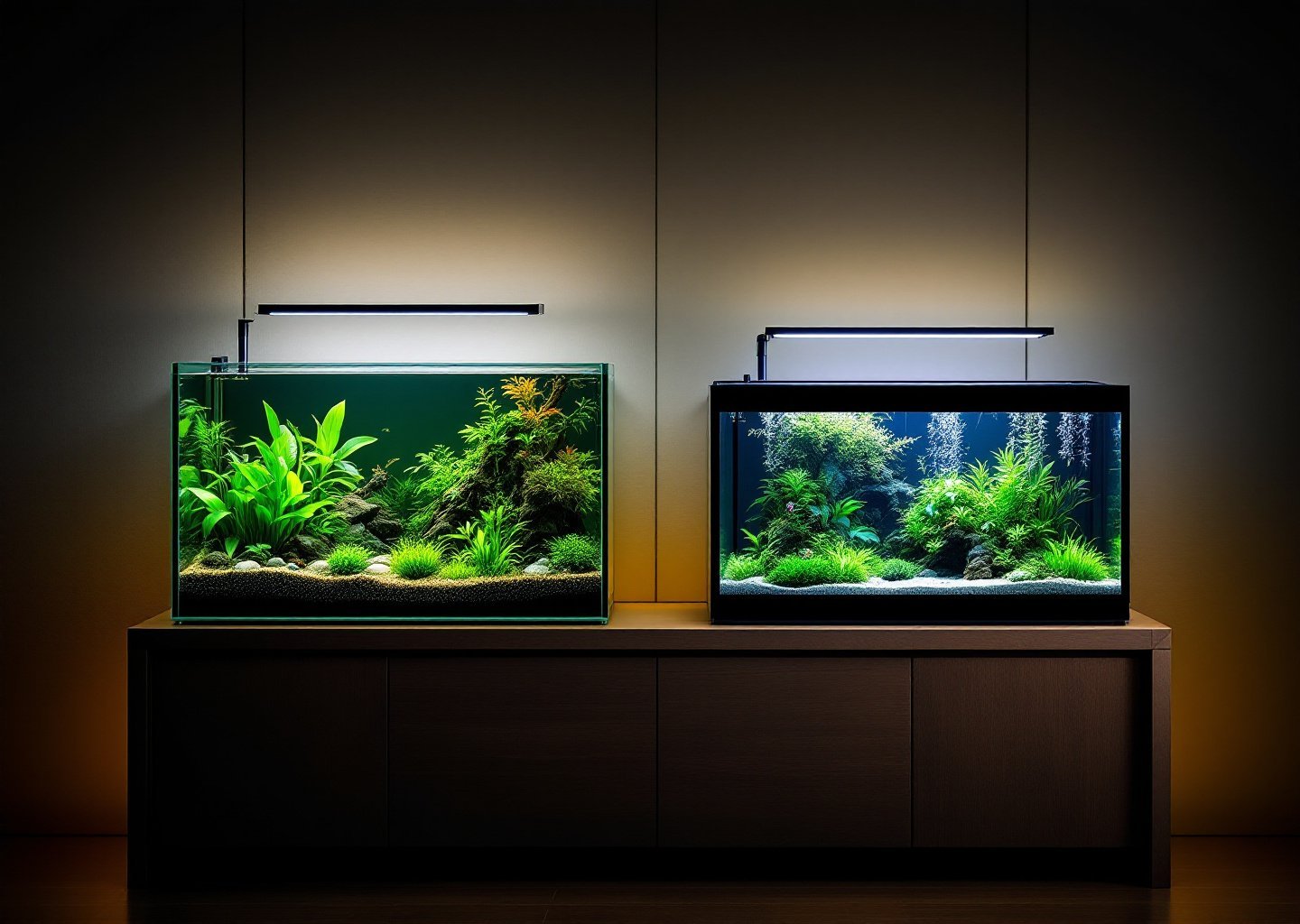
It was 2:17 AM when I heard the sound that still haunts me. A crack, then a rush, then the unmistakable cascade of 20 gallons hitting my hardwood floor. My rimless tank, the centerpiece of my living room scape, had finally given out at a corner seam. Standing there in my pajamas, watching my Monte Carlo carpet float past my toes, I made a decision. I was going to figure out once and for all what actually matters when it comes to rimless vs rimmed aquarium tanks pros and cons.
For the next three years, I ran an unofficial experiment across seven tanks in my Portland apartment. Three rimless, four rimmed, ranging from 5 to 40 gallons. Same maintenance schedule. Same water source. Different outcomes. What I discovered challenged a lot of what I’d read in glossy product reviews and manufacturer marketing.
This isn’t a quick comparison based on spec sheets. I’m sharing actual failures, real receipts, and the wear patterns I documented every six months. By the end, you’ll have a clear framework for deciding which tank type fits your situation, whether you’re setting up your first betta palace or planning a 75-gallon reef build.
The Structural Truth: Why Rims Exist Beyond Aesthetics
Let’s get the physics out of the way because understanding this changes everything about how you evaluate these tanks.
Rims aren’t decorative. They’re structural bracing. When you fill a glass box with water, hydrostatic pressure pushes outward against the panels. Deeper water means greater pressure at the bottom. That black plastic rim you see on standard aquariums distributes stress across the top edge and prevents the glass from bowing outward.
Rimless tanks compensate by using thicker glass and relying entirely on silicone bonds to handle lateral stress. While rimless tanks generally require thicker glass than rimmed tanks of equivalent size, the exact measurements vary depending on tank dimensions, glass type, and manufacturer specifications.
Here’s what most reviews don’t mention: glass bowing is normal and expected in rimless designs. I measured my 40-gallon rimless with a straightedge at 6 months, 18 months, and 36 months. By year two, the front panel had developed a 2mm outward bow. Still within safe tolerances, but it made me appreciate why choosing a rimmed tank for large aquariums becomes such common advice.
Durability Showdown: Documenting Wear, Seals, and Stress Points Over 36 Months
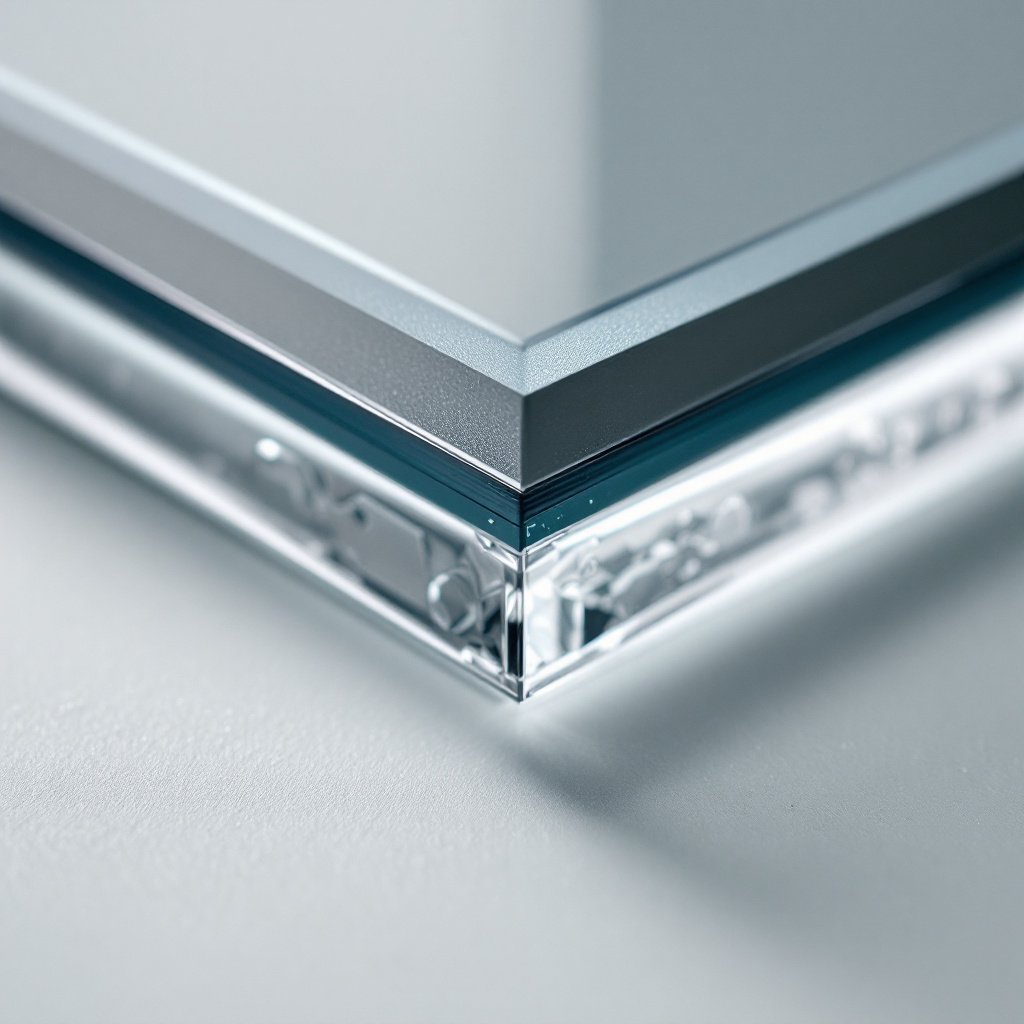
Every six months, I photographed the silicone seals on all seven tanks under identical lighting. The patterns were revealing.
Rimmed tanks at 36 months:
– Minor yellowing on the exposed silicone corners (cosmetic only)
– No visible separation or stress marks
– Original seals completely intact on all four tanks
– One tank showed minor calcium buildup under the rim, requiring scraping
Rimless tanks at 36 months:
– One catastrophic failure (the 2 AM disaster) at month 22
– One developing a hairline bubble in the corner seam at month 30
– Third tank showing excellent condition but with careful corner monitoring
– Visible UV degradation on silicone exposed to indirect window light
My failed rimless tank was a budget brand I won’t name because I can’t definitively prove manufacturing defect versus normal wear. But here’s the pattern I noticed: rimless tanks from established brands with beveled, polished edges showed dramatically better seal retention than tanks with standard cut edges.
Do rimless tanks leak more than rimmed? Based on my sample size, yes. But here’s the thing. The quality spectrum within rimless tanks is wider than the gap between rimless and rimmed. how to inspect aquarium silicone seals
The Real Cost Breakdown: Purchase Price vs Lifetime Ownership
I kept every receipt. Let me show you what three years actually cost for comparable setups.
20-gallon comparison:
Rimmed (standard Aqueon): $45 purchase, zero additional costs, still running
Rimless (UNS 60U): $189 purchase, replacement silicone kit ($12) for corner reinforcement at year 2, total $201
40-gallon comparison:
Rimmed (Aqua Culture): $89 at Walmart, replaced once due to scratch from my own carelessness ($89), total $178
Rimless (Waterbox Clear): $349 purchase, cabinet reinforcement due to weight concerns ($45), total $394
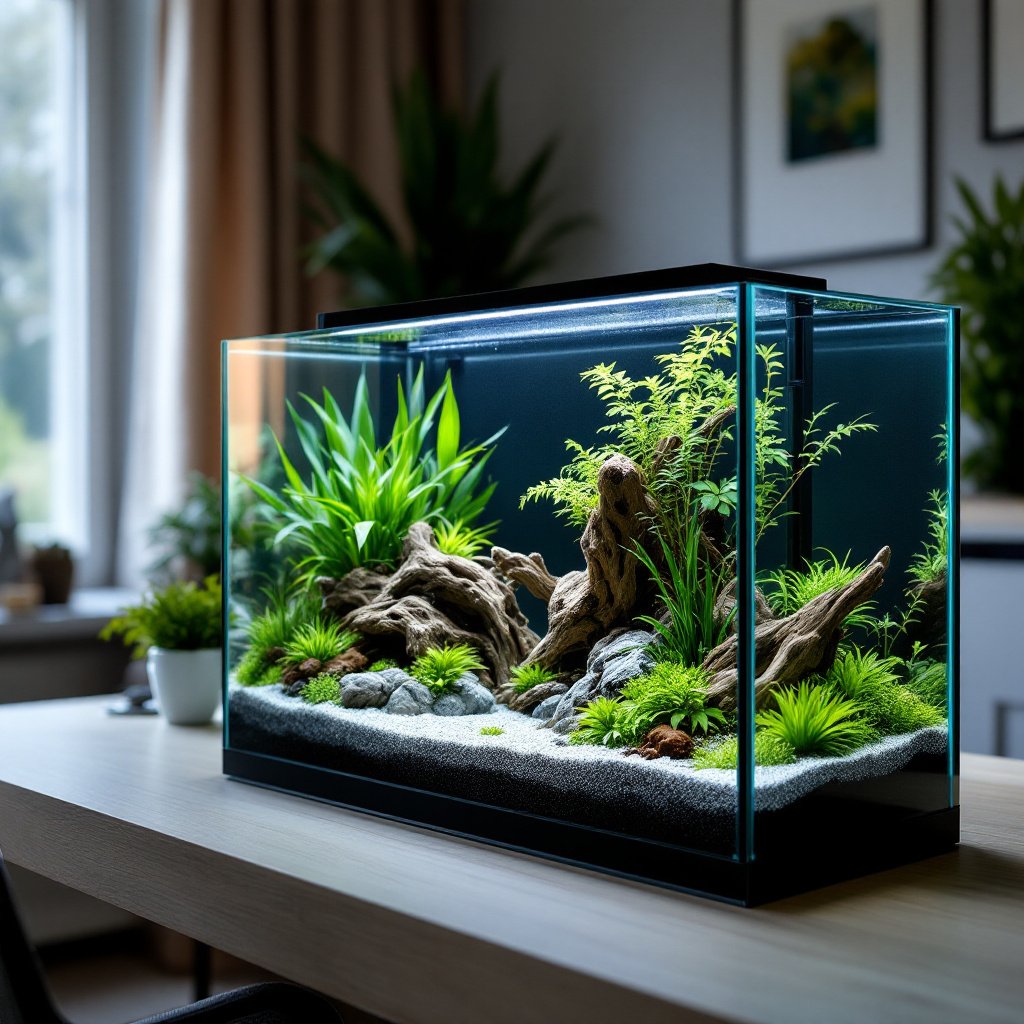
Are rimless tanks worth the extra cost? That depends entirely on what you’re buying. For my planted nano tanks under 20 gallons, the aesthetic premium of rimless was worth every penny. I stare at these tanks while working from home. Clean sightlines matter to me.
But for my 40-gallon community tank in the living room corner? A rimmed tank does the job at less than half the cost, and nobody notices the black frame when it’s filled with a lush dutch style aquascape.
Tank Size Matters: When Rimless Becomes Risky and Rimmed Becomes Necessary
Here’s my rule of thumb after three years: rimless aquarium tank durability and safety concerns scale exponentially with volume.
Under 10 gallons: Go rimless without worry. Forces involved are minimal, and the aesthetic payoff is huge. This is where rimless absolutely shines for desk setups and apartment shelving.
10-30 gallons: Rimless remains viable but demands quality investment. Skip the Amazon mystery brands. Stick to UNS, Waterbox, Landen, or similar manufacturers with track records.
30-55 gallons: This is the gray zone. Is rimless or framed tank better for beginners at these volumes? Rimmed. Every time. Structural insurance isn’t worth gambling on, especially if you’re still learning what can go wrong.
Over 55 gallons: Honestly? Rimmed is really the only sensible choice for most hobbyists at this size. Exceptions exist for high-end reef builds with proper stands, seismic considerations, and budgets that allow for premium glass and construction. Even then, I’ve seen experienced reefers choose rimmed to sleep better at night.
Water doesn’t care how pretty your tank looks. It weighs 8.34 pounds per gallon. A 75-gallon tank puts over 600 pounds of pressure on those seams before accounting for substrate, rock, and equipment.
Silicone Seal Deep-Dive: Prevention, Warning Signs, and DIY Repair Reality
Rimless tank silicone seal problems and solutions became my obsession after losing that 20-gallon. Here’s what I learned.
Warning signs to watch for:
– Tiny bubbles forming along internal seam edges
– Silicone peeling away from glass, even slightly
– Visible white or cloudy discoloration in corner joints
– Any moisture on the exterior seam surface (this is an immediate concern)
Prevention actually works:
– Keep rimless tanks away from direct sunlight exposure
– Use UV-filtering window film if placement requires natural light
– Maintain stable temperatures since thermal cycling stresses seams
– Never place tanks on uneven surfaces, even temporarily
DIY repair reality check: You can reseal a tank. I’ve done it twice. But the process involves completely draining, drying, scraping old silicone, reapplying, and curing for 48-72 hours minimum. Most hobbyists, myself included, find replacement cheaper when factoring in livestock risk.
For rimmed tanks, that plastic frame provides a secondary containment. I’ve seen rimmed tanks develop seal issues and hold for months before requiring attention. Rimless failures tend toward sudden and catastrophic.
Do rimless tanks break easier than rimmed? Not exactly. The glass itself is often thicker and isn’t inherently weaker. But seal failures on rimless tanks have more dramatic consequences because there’s no structural backup.
The Verdict by Use Case: Who Should Choose What
Reef tanks: Rimless aquarium pros and cons for reef tank applications lean toward rimless for aesthetics, assuming quality construction. That crystalline viewing experience makes corals pop. But only invest in established brands, and consider rimmed for systems over 50 gallons unless you’re an experienced aquarist with contingency plans.
Freshwater planted: Rimless under 30 gallons is my strong preference. Unobstructed views showcase aquascaping work beautifully, and rimmed vs frameless fish tank which is better for planted setups really comes down to how much you value visual presentation. I spend hours perfecting layouts. I want that clean glass look.
Beginners: Start rimmed. Learn the hobby, make your mistakes, and graduate to rimless once you understand what you’re maintaining. A rimless aquarium cost vs standard tank comparison shouldn’t even factor into first-tank decisions. Focus on cycling, stocking, and not killing things.
Large tank owners (over 55 gallons): Rimmed. That structural frame’s insurance value outweighs aesthetic considerations for the vast majority of home installations. Sleep well knowing your floor is protected.
After three years, seven tanks, one disaster, and more silicone inspection than I’d ever imagined, here’s my simplified framework for rimless vs rimmed aquarium tanks pros and cons:
Choose rimless if you prioritize aesthetics, stay under 30 gallons, invest in quality brands, and position tanks away from direct UV exposure.
Choose rimmed if you’re new to the hobby, going over 30 gallons, working with budget constraints, or simply want peace of mind over visual perfection.
My 2024 brand recommendations:
Rimless under 30G: UNS, Landen, Waterbox Clear
Rimless 30-55G: Waterbox, Custom builds from established fabricators
Rimmed any size: Aqueon (limited lifetime warranty covers defects in materials and workmanship), Marineland (heavier glass option)
Your perfect tank depends on your space, experience, and priorities. But now you’ve got real data from someone who’s lived with both types, documented the differences, and mopped up the consequences when things went wrong.
And yes, I still run three rimless tanks. They’re beautiful. I just check the seams more often now, and I never place anything larger than 20 gallons on my second floor.
Some lessons, you learn the wet way.