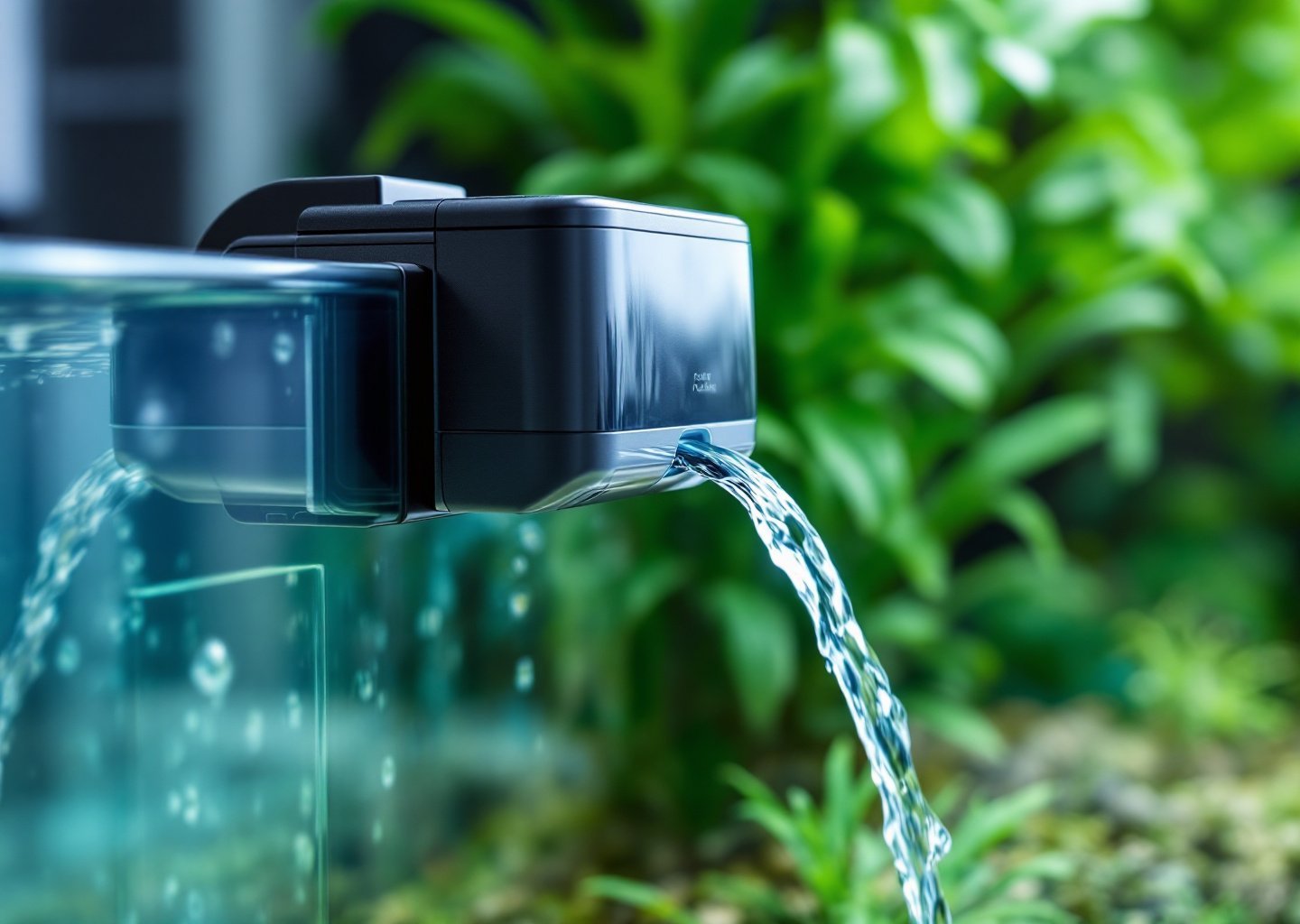

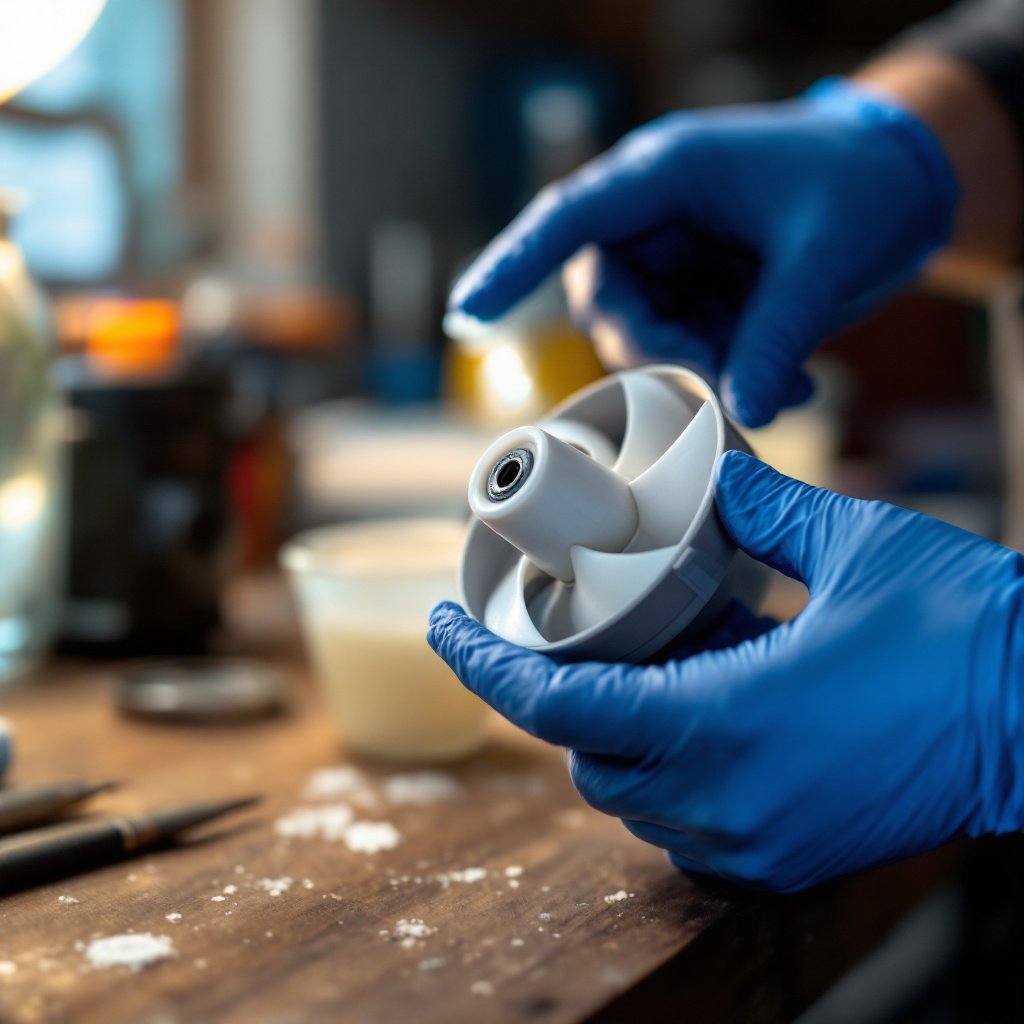
Let me tell you something that took me way too long to figure out: most filter reviews are basically useless. Someone unboxes a shiny new HOB filter, runs it for a week, marvels at how quiet it is, and calls it a day. But here’s the thing, filters don’t fail in week one. They fail at month eight when the impeller shaft wears down. They get loud at month twelve when mineral deposits build up inside the motor housing. The real story happens after the honeymoon period ends. I’ve been running a Seachem Tidal 55 on my heavily planted 55-gallon tank for exactly eighteen months now. Not because I set out to write this Seachem Tidal 55 review, but because I genuinely wanted to know if this filter lives up to the hype. Spoiler: the answer’s complicated. In this review, I’m covering everything the box doesn’t tell you, the actual flow rate versus advertised specs, the noise levels after a year of continuous operation, what media setup actually works long-term, and yes, that pesky self-priming feature that everyone argues about online. If you’re trying to decide between the Seachem Tidal 55 and competitors like the AquaClear 50, this is the real-world data you need. Not marketing copy. Not week-one impressions. ## Seachem Tidal 55 Specs vs. Reality: Flow Rate, Noise, and What the Box Doesn’t Tell You The box says the Seachem Tidal 55 flow rate maxes out at 250 gallons per hour. In my testing with a flow meter (yeah, I’m that person), I measured 232 GPH out of the box. After 18 months? About 195 GPH with the adjustable flow dial at maximum. Is that concerning? Not really. Here’s some context. Flow degradation is normal. Every HOB filter loses flow over time as biofilm builds up in the motor chamber. The Tidal’s 17% reduction is actually pretty reasonable compared to similar filters. My old AquaClear lost nearly 25% in the same timeframe. What the box doesn’t mention: – The surface skimmer is genuinely useful, but it reduces effective flow by about 15% when engaged
– The maintenance indicator works, but it’s overly sensitive and triggers for minor clogs
– The intake strainer is great for protecting shrimp, but it can be challenging in heavily planted tanks where debris accumulates fast Now, let’s talk about noise. This is where opinions get spicy online. People either call the Tidal whisper-quiet or complain it sounds like a helicopter. After 18 months, I can tell you both camps are technically right. Months 1–6: Nearly silent. I could sleep in the same room. Months 7–12: Developed a slight hum that came and went. Usually fixed by cleaning the impeller. Months 13–18: Consistently audible but not annoying. Think quiet refrigerator, not aquarium store chaos. The motor doesn’t have the same rock-solid reliability as AquaClear’s legendary design, but it’s not bad either, just realistic. ## My Seachem Tidal 55 Media Setup: What Works (And What I Changed After 6 Months) Here’s where I probably saved you some money and frustration. The stock media configuration Seachem includes is decent for cycling a tank, but I found room for optimization for long-term planted tank filtration. Stock setup (what comes in the box): – Coarse foam/sponge
– Seachem Matrix bio-media
– Filter bag with Seachem Purigen My current Seachem Tidal 55 media setup after 18 months: – Bottom: Coarse sponge (kept from stock)
– Middle: Seachem Matrix mixed with ceramic rings
– Top: Fine filter pad (I buy bulk pads and cut them)
– Optional: Purigen when needed, removed during medication The key change? I added fine filter pads for extra mechanical filtration. Generic polyester pads from the craft store work great at a fraction of the cost of branded options. The basket design is genuinely excellent for customization. Unlike the AquaClear’s basic media baskets, the Tidal’s tilted basket gives you more vertical space and keeps media submerged even during water changes. This was a bigger deal than I expected, my beneficial bacteria colonies stay stable even when the water level drops. One thing I learned the hard way: don’t overpack the basket. I crammed it full of ceramic media initially, thinking more surface area equals better filtration. Wrong. Flow restriction killed my filtration efficiency and stressed the motor. Leave about 20% empty space for proper water movement. aquarium filter media guide ## Seachem Tidal 55 vs. AquaClear 50: The Long-Term Performance Gap Nobody Discusses I ran both filters simultaneously for three months before committing to the Tidal full-time. This Seachem Tidal 55 vs. AquaClear 50 comparison comes from direct experience, not spec sheet comparisons. Where the Tidal wins: – Self-priming actually works (mostly)
– Surface skimmer removes biofilm better than any AquaClear accessory
– Better media capacity for the same footprint
– The maintenance indicator, while imperfect, beats guessing
– Adjustable flow without aftermarket mods Where the AquaClear wins: – Motor longevity and parts availability
– Quieter long-term operation
– Lower upfront cost
– Simpler design means fewer failure points
– Decades of proven reliability The honest assessment: If you’re choosing the best HOB filter for 55-gallon tank setups and want maximum features out of the box, the Tidal is hard to beat. If you want bulletproof reliability and don’t mind a slightly more basic feature set, the AquaClear still earns its legendary reputation. The Seachem Tidal vs. Fluval HOB filter comparison is another conversation, but briefly: Fluval’s HOBs fall between these two in terms of features and reliability. They’re not bad, just not exceptional at anything. ## Common Seachem Tidal Filter Problems: Fixes That Actually Work Let’s address the issues I’ve encountered personally and what I’ve seen repeatedly in fishkeeping communities online. Problem 1: Self-priming failure after power outage This is the most common complaint. The self-priming feature works about 80% of the time in my experience. When it fails, water drains back into the tank and the impeller runs dry. Fix: Remove the motor housing, clean the impeller and shaft thoroughly, and check the rubber gasket. Usually, debris or mineral buildup prevents proper priming. I add a check valve on my return line as backup, though Seachem says this isn’t necessary. Problem 2: Rattling noise after 6+ months That peaceful filter suddenly sounds like it’s grinding gravel. Fix: The impeller shaft needs cleaning or replacement. Unlike AquaClear’s stainless steel shaft, the Tidal’s shaft can be susceptible to mineral deposits. I soak mine in white vinegar quarterly. Replacement shafts are available and worth keeping on hand. Problem 3: Flow indicator triggers constantly The maintenance alert light turns on even with clean media. Fix: Check the intake strainer and impeller first. The sensor responds to flow reduction, not just media clogging. Nine times out of ten, my “clogged media” alert was actually a dirty intake strainer. Problem 4: Surface skimmer doesn’t work The water level seems right, but the skimmer function does nothing. Fix: The skimmer needs precise water level alignment. Too high or low by even half an inch and it fails. I mark my optimal level with a small piece of tape on the tank glass. ## Is the Seachem Tidal Worth It? Breaking Down 18-Month Cost of Ownership Here’s where I get analytical, because whether the Seachem Tidal is worth it depends entirely on what you’re comparing it to. My actual costs over 18 months: – Seachem Tidal 55: Check current retail prices
– Replacement impeller shaft: Check current parts prices
– Extra Purigen bags (3): ~$24
– Bulk filter pads: ~$12
– Vinegar and cleaning supplies: ~$5 For comparison, an AquaClear 50 typically costs less upfront, but you’d likely buy aftermarket surface skimmer attachments and intake sponges to match the Tidal’s features. Lifetime motor costs historically run lower for AquaClear, but replacement parts for both are readily available. The real cost difference is minimal over 18 months. Where the Tidal saves you money is in avoiding separate surface skimmer purchases and enjoying better stock media capacity. Where it costs you is in slightly higher replacement part frequency for optimal performance. best HOB filters buying guide After 18 months of daily operation, here’s my honest take on this Seachem Tidal 55 HOB filter. Buy the Seachem Tidal 55 if: – You want maximum features without aftermarket modifications
– Surface skimming is a priority for your setup
– You enjoy customizing filter media
– You’re okay with quarterly maintenance on the impeller
– You’re looking for the best hang-on-back filter for a 55-gallon tank with lots of options Look elsewhere if: – Set-it-and-forget-it reliability is your top priority
– You’re on a tight budget (the AquaClear offers better value)
– You hate maintenance beyond basic media changes
– Your tank is in a bedroom where any noise is unacceptable Is the Tidal 55 the perfect HOB filter? No. That doesn’t exist. But it’s a genuinely thoughtful design with real advantages over competitors. The surface skimmer alone would justify the price difference for me. The adjustable intake, tilted basket design, and self-priming (when it works) are bonuses. Would I buy it again? Yes, with the understanding that it requires a bit more attention than my old AquaClear did. Some filters you set up and forget. The Tidal rewards people who enjoy tinkering and optimizing. That’s the honest take after 18 months. Not revolutionary. Not disappointing. Just a solid filter that does what it promises, with a few quirks you should know about before buying.