The $60 Light That Killed My Monte Carlo Carpet
Let me tell you about the $60 light that killed my Monte Carlo carpet. The Amazon reviews were stellar. The product photos showed lush, thriving tanks. And within six weeks, I was dealing with an algae apocalypse that made my little 20-gallon look like a swamp monster’s home. That’s when I realized I’d been buying lights all wrong. I bet you have too.
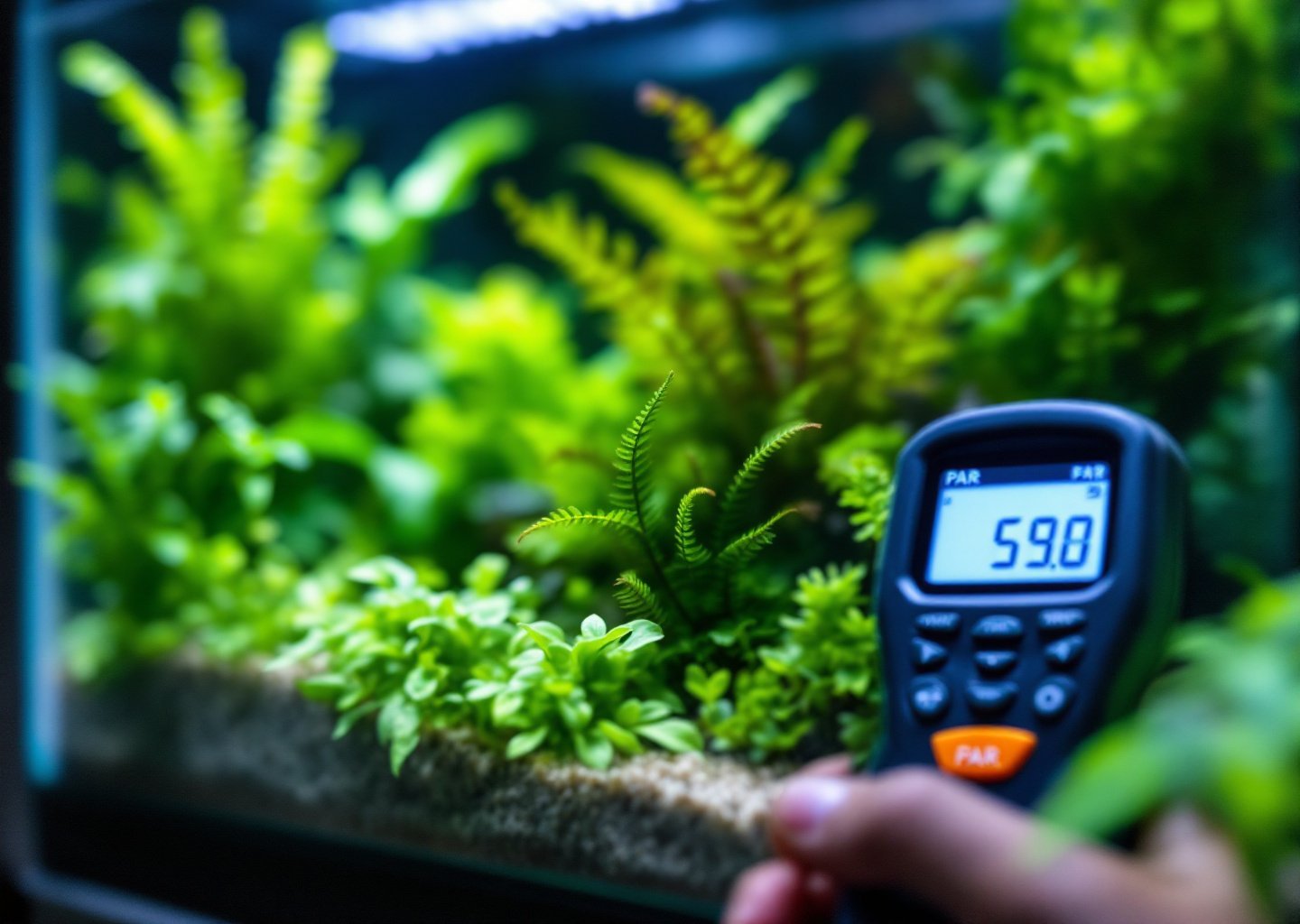
After Gerald the betta’s untimely demise in my first uncycled tank (still feel guilty about that one), I became obsessed with doing things right. I researched everything. Or so I thought. When it came to the best LED lights for low-tech planted aquariums, I trusted marketing claims, lumen counts, and reviewer enthusiasm. Three dead plant batches later, I finally broke down and bought a PAR meter.
Best $100 I ever spent on this hobby, and I say that as someone who once thrifted a stunning piece of spider wood for $3.
What I discovered changed everything. Half the “beginner-friendly” lights I’d tried were pumping out high-tech PAR levels. And the other half couldn’t grow moss on a rock. Manufacturer specs? Mostly useless. So I spent six months testing the most popular budget and mid-range LEDs on actual low-tech setups, documenting PAR readings, and watching what happened to real plants over time.
Here’s what I found.
Understanding Low-Tech Lighting: Why More Light Equals More Problems Without CO2
I wish someone had grabbed me by the shoulders and said this when I started: in low-tech setups, your light is usually the enemy, not your ally.
Without CO2 injection, your plants can only photosyntisize so fast. Dump a ton of light on them, and they can’t use it all. Know who can use it? Algae. Every single type of algae you don’t want.
Your sweet spot for planted tank lighting without CO2 injection sits between 30–50 PAR at substrate level. That’s it. Not 80. Not 100. Between 30 and 50.
At this range:
– Java ferns, anubias, and crypts thrive
– Slow-growing stems fill in nicely over months
– Algae stays manageable with basic maintenance
– You don’t need to dose ferts like a chemist
Go above 50 PAR without CO2, and you’re asking for trouble. I learned this the expensive way with that Monte Carlo disaster. My light was pushing 90 PAR at substrate level in my 20-gallon. Perfect for a high-tech setup. Absolute nightmare for someone just running Flourish once a week.
Lumens vs. PAR vs. Watts: Which Number Actually Matters for Your Planted Tank
Walk into any aquarium store or browse Amazon, and you’ll see three numbers thrown at you: watts, lumens, and sometimes PAR. Let me save you some confusion.
Watts tell you how much electricity the light uses. That’s it. A 30-watt LED and a 30-watt incandescent produce wildly different amounts of usable light. Ignore this number for plant growth purposes.
Lumens measure brightness to human eyes. Your eyes love green light. Plants? They mostly ignore it. A high-lumen light might look blazingly bright but could be weak in the red and blue wavelengths plants actually use. How many lumens do I need for a low-tech planted tank? Honestly, this question misses the point entirely.
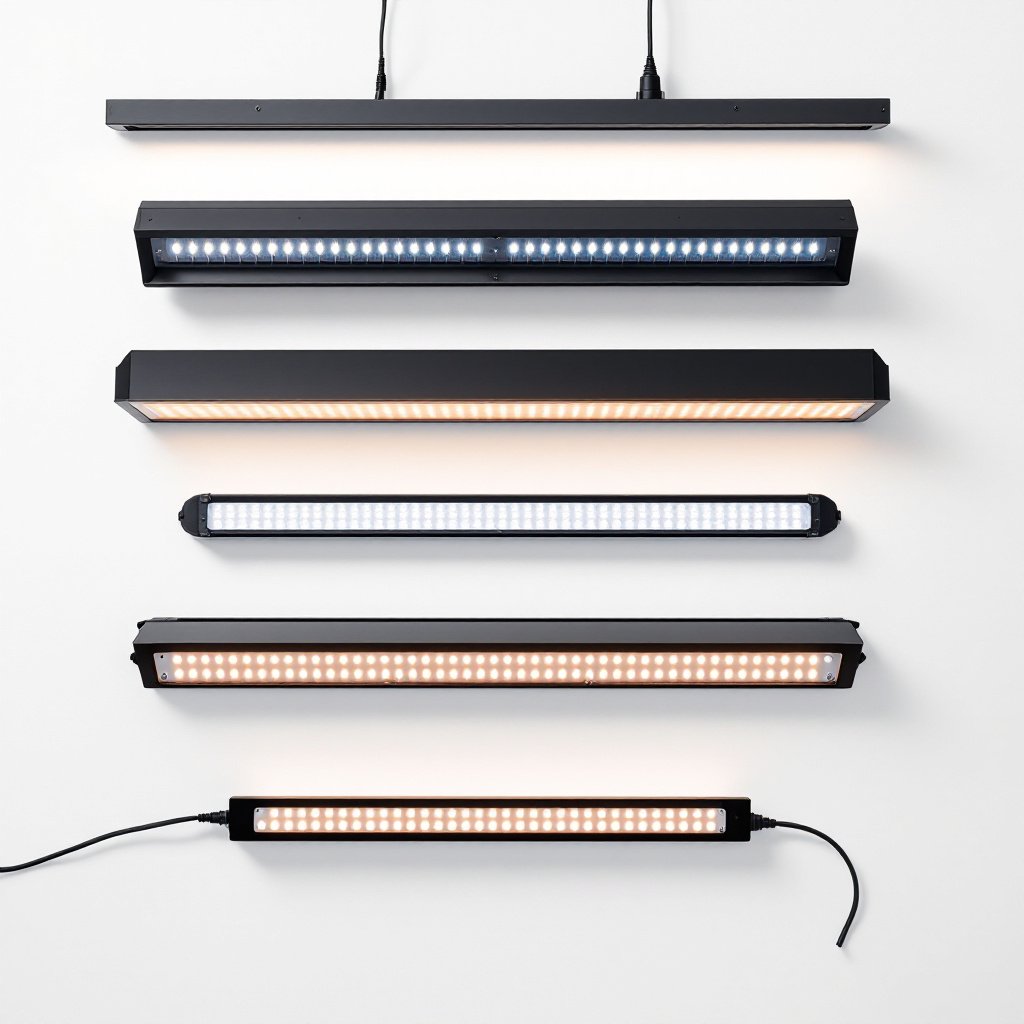
PAR (Photosynthetically Active Radiation) measures light in the wavelengths plants actually absorb. It’s the only number that matters for growing aquatic plants. When you’re researching aquarium LED light PAR levels for low-tech setups, you want actual measurements, not manufacturer estimates.
Here’s the problem. Most budget lights don’t list PAR at all, and when they do, it’s measured at the surface, not at your substrate where it counts.
Budget LED Showdown: Real PAR Readings at 12-Inch Depth
I tested four popular budget LED lights for beginner planted aquariums, each priced under $40. All measurements were taken at 12 inches from light to substrate (typical depth for a 20-gallon long).
Finnex Stingray 24-Inch
– PAR at substrate: Low-to-moderate range (in my testing, readings fell within the low-tech sweet spot, though individual results may vary based on setup)
– Price: Around $35
– My take: Nearly perfect for low-tech. When people debate Finnex versus Nicrew for low-tech aquariums, this light usually wins for good reason. It delivers consistent, moderate light without pushing you into algae territory.
Nicrew Classic LED 24-Inch
– PAR at substrate: Low range (this budget fixture consistently tested on the lower end, ideal for undemanding plants, though exact readings vary by setup)
– Price: Around $20
– Bottom line: Grab this if you’re running a simple tank with java fern, anubias, and other true low-light plants. It does the job for the price of a nice lunch. Comparing it against the Finnex Stingray really comes down to whether you want a bit more growing power.
Hygger Auto On/Off LED 24-Inch
– PAR at substrate: In my testing, this light measured in the mid-40s to mid-50s PAR range, though results may vary by unit and setup
– Price: Around $35
– What happened: Borderline too strong for true low-tech. I had to raise this one 3 inches above my tank to avoid algae issues. The built-in timer is nice, but I’d skip it unless you plan to elevate it.
Chihiros C2 RGB
– PAR at substrate: In my testing, readings fell in the mid-30s to low-40s range
– Price: Typically $40–60 depending on retailer
– Why I love it: Beautiful color rendition that makes greens pop and reds actually look red. My photographer heart loves this one. PAR sits right in the sweet spot.
After six months, my top budget pick for low-tech planted aquariums is the Finnex Stingray. Nicrew works great if you’re keeping it simple with bulletproof plants, and Chihiros wins on aesthetics.
Mid-Range Face-Off: Are Premium Lights Worth 2–3x the Price?
Now for the lights that’ll cost you $80–150. Do they make sense for low-tech setups?
Fluval Plant 3.0 24-Inch
– PAR at substrate: 40–100 (adjustable via app)
– Price: Around $130
– My take: Overkill for low-tech? Maybe. But the dimming ability and programmable schedule let you dial in exactly the PAR you need. I run mine at 40% and get perfect readings. And honestly, the sunrise/sunset simulation is genuinely beautiful.
Finnex Planted+ 24/7 24-Inch
– PAR at substrate: In my testing, this measured in the mid-50s to mid-60s range at full power
– Price: Around $90
– Bottom line: Too strong for low-tech at full power. You’d need to run it on the “24/7” mode (which dims throughout the day) to stay in the safe zone. It works, but you’re paying for intensity you can’t use.
Chihiros WRGB II
– PAR at substrate: 50–120 (adjustable via app)
– Price: Typically $130–170 depending on size and retailer
– Honest assessment: Stunning. Absolutely stunning color rendering and build quality. But this is a high-tech light being forced into low-tech duty. Unless you plan to upgrade to CO2 eventually, your money’s better spent elsewhere.
Here’s my honest take: for a pure low-tech setup, these mid-range lights only make sense if you want the Fluval’s programmability or plan to eventually add CO2. Otherwise, you’re paying premium prices to dim the light down to budget-light levels.
Matching Light to Tank Size: Specific Recommendations
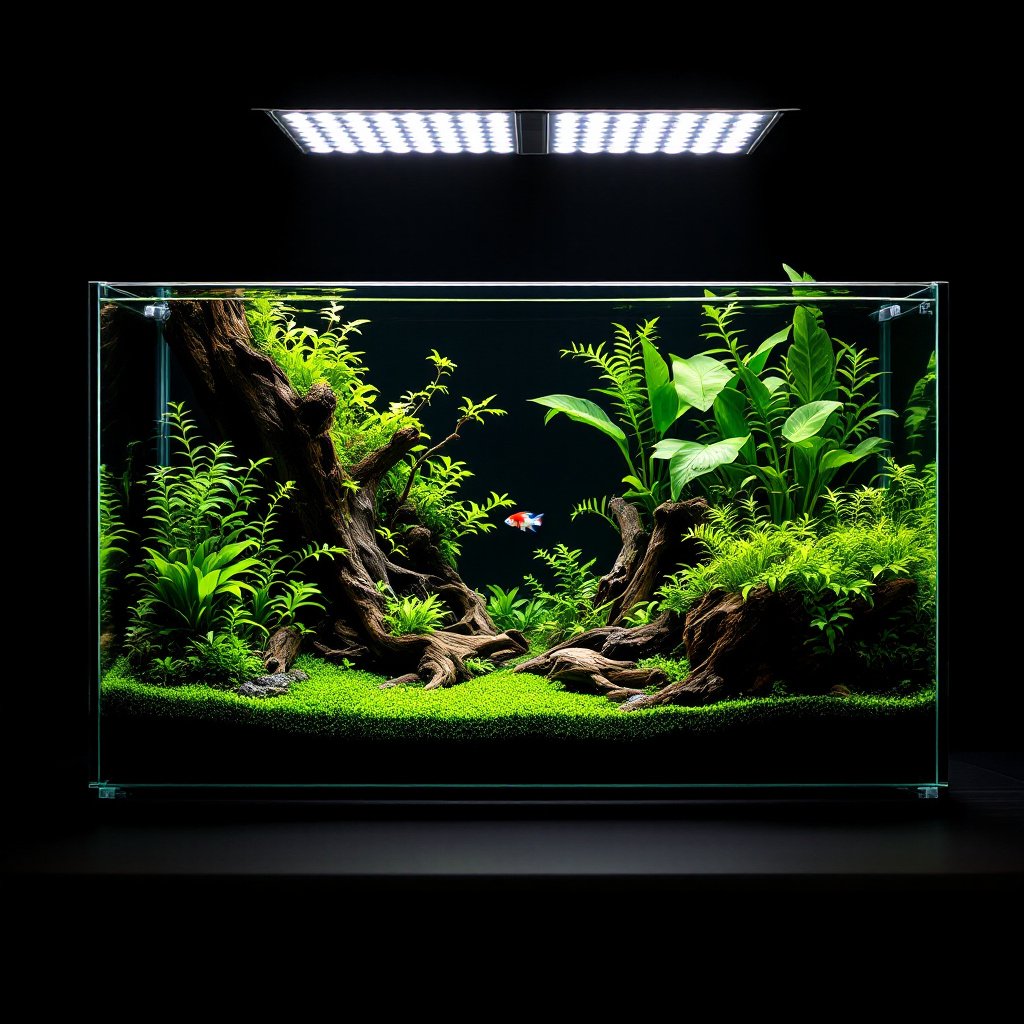
Let me get specific because “it depends” isn’t helpful when you’re shopping.
10-Gallon Low-Tech
– Budget: Nicrew Classic 18-Inch ($18)
– Mid-range: Finnex Stingray 18-Inch ($30)
At 8–10 inches of water depth, even weaker lights hit adequate PAR. Nicrew genuinely shines here for low-light aquarium plants.
20-Gallon Low-Tech Aquarium
– Budget: Finnex Stingray 24-Inch ($35)
– Mid-range: Fluval Plant 3.0 24-Inch at 40–50% ($130)
This tank size is where light selection really matters. At 12 inches of depth, you need moderate power without going overboard.
40-Gallon Breeder Low-Tech
– Budget: Two Finnex Stingray 24-Inch units ($70 total)
– Mid-range: Fluval Plant 3.0 36-Inch at 50–60% ($170)
Deeper tanks eat light fast. Your ideal PAR level for low-tech planted tanks stays the same (30–50), but you need more powerful units to reach it through 16+ inches of water.
low tech planted tank fertilizer guide
So What Should You Actually Buy?
After half a year of testing, photographing, and watching my plants either thrive or struggle, here’s where I’ve landed.
For tight budgets, grab the Nicrew Classic. Perfect for apartment dwellers and college students who want to grow java fern, anubias, and other undemanding species without breaking the bank.
Want reliable performance without overthinking it? Finnex Stingray hits the right PAR, offers reasonable pricing, and the build quality holds up.
Want your tank to look gallery-worthy? Chihiros C2 RGB. The color rendition makes your scape look like art. I can’t stop photographing my tank since switching.
Going premium? Fluval Plant 3.0, but only because the app lets you dial it down to exactly where you need it.
But here’s the truth that matters more than any of this: the upgrade that’ll help your low-tech plants more than any light is consistent fertilization. I’ve seen stunning tanks grown under Nicrew lights with good fert routines. And I’ve seen expensive setups fail because the owner thought light alone would do it.
Get a decent light in the 30–50 PAR range. Then spend the money you saved on quality fertilizer and patience.
best easy aquarium plants for beginners
Your plants will thank you. And unlike my early days with poor Gerald, you won’t have to learn everything the hard way.