Healthy nitrifying bacteria turn toxic fish waste into safe, stable water for thriving aquariums.
I’ve kept aquariums for years and helped many beginners avoid fish losses by focusing on why is it important to develop nitrifying bacteria in an aquarium. I’ll explain the science in plain terms, share practical steps I use when cycling tanks, and show how these microbes keep fish healthy, water clear, and maintenance predictable. Read on to learn simple actions you can take today to build and protect this vital bacterial community.
What are nitrifying bacteria and how do they work
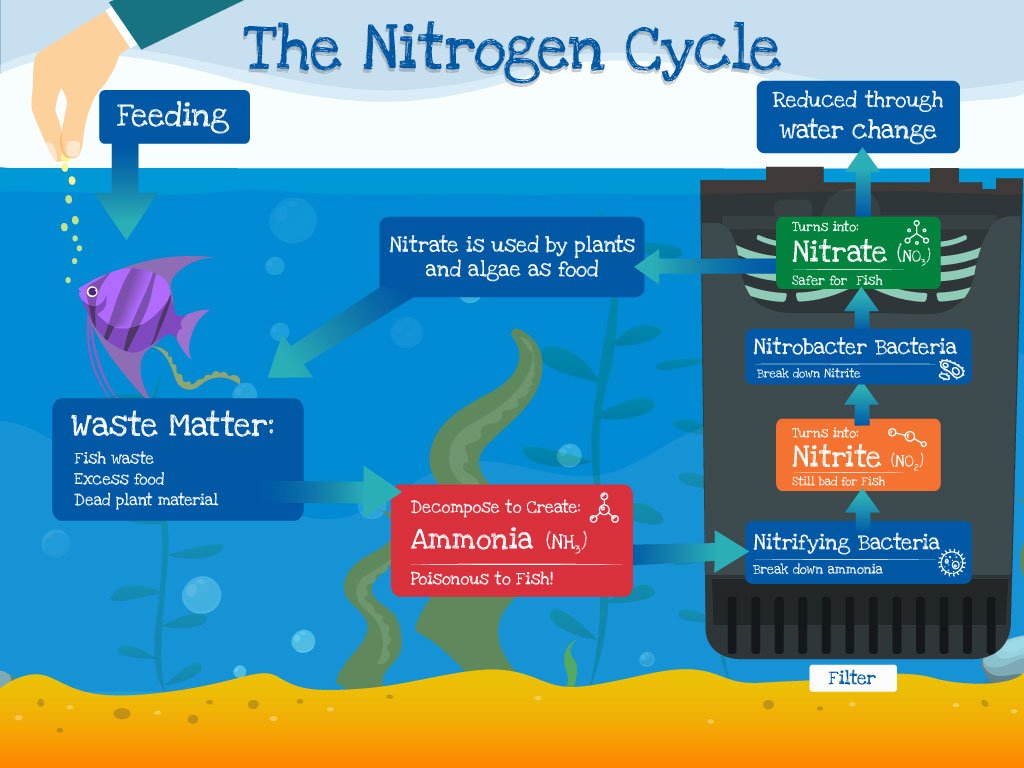
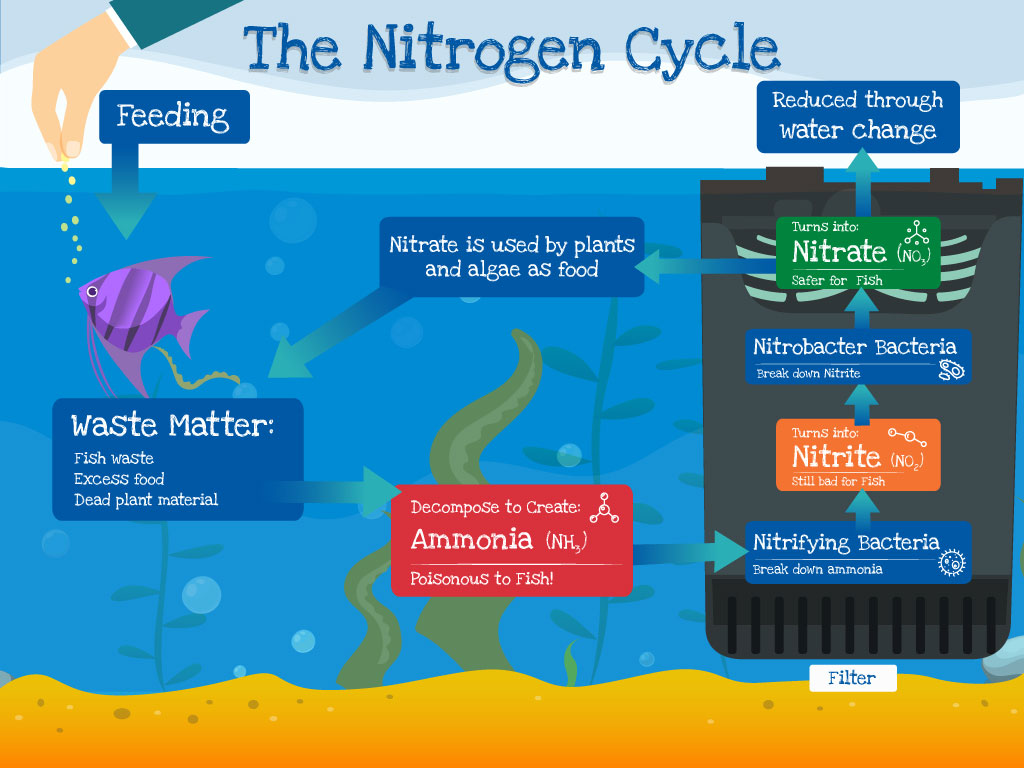
Nitrifying bacteria are microbes that convert fish waste into less harmful compounds. Ammonia from fish waste and decaying food is toxic. Nitrifiers turn ammonia into nitrite and then into nitrate. Nitrate is far less toxic and can be removed with water changes or plants.
Two main groups do this work. One group oxidizes ammonia to nitrite. Another group oxidizes nitrite to nitrate. Both groups need oxygen and stable surfaces to grow. This is why filtration and surface area matter for healthy aquariums.
Why is it important to develop nitrifying bacteria in an aquarium
Developing nitrifying bacteria protects fish from sudden spikes of toxic chemicals. When you know why is it important to develop nitrifying bacteria in an aquarium, you prevent stress, disease, and losses. A well-established bacterial community gives your tank a buffer against mistakes like overfeeding and overcrowding.
Stable bacteria also mean clearer water and less frequent emergency water changes. If you skip this step, ammonia and nitrite can rise quickly. Developing nitrifying bacteria is the foundation of a healthy tank.
Key benefits of fostering nitrifying bacteria
Building these microbes delivers many practical benefits for hobbyists. Here are the main advantages I’ve seen in my tanks and with clients.
- Protects fish from ammonia and nitrite spikes, reducing sickness and death.
- Stabilizes water chemistry so temperatures and other changes are less stressful.
- Makes maintenance predictable, letting you plan regular water changes.
- Lowers algae outbreaks because stable systems are less prone to nutrient surges.
- Supports plant growth by creating usable nitrate for plants.
When you understand why is it important to develop nitrifying bacteria in an aquarium, you can prioritize actions that save time and money over the long run.

How to establish nitrifying bacteria step by step
Start slow and be patient. Nitrifying bacteria need time to grow. Follow these steps I use when cycling or setting up tanks.
- Prepare the tank and filter, adding porous media like sponge or bio balls for surface area.
- Add a source of ammonia safely, such as a small amount of fish food or pure ammonia at controlled levels.
- Keep the tank aerated and at stable temperature to support bacterial growth.
- Test water every few days for ammonia, nitrite, and nitrate to watch the cycle progress.
- Consider seeding with established filter media from a healthy tank or a reputable bacterial starter.
I once rushed a setup and added many fish early. Ammonia spiked and I lost two fish. Since then I always follow these steps and stress much less. Understanding why is it important to develop nitrifying bacteria in an aquarium changed how I plan new tanks.

Common mistakes that hinder nitrifying bacteria growth
New hobbyists often make avoidable errors. These keep nitrifying colonies from thriving.
- Adding too many fish too quickly overwhelms bacteria and causes toxic spikes.
- Overusing antibacterial medications can kill beneficial microbes along with pathogens.
- Poor oxygenation reduces bacterial activity because nitrifiers need oxygen to work.
- Cleaning or replacing all filter media at once removes the bulk of the bacterial colony.
- Using harsh cleaners or chlorinated tap water when rinsing media can wipe out bacteria.
Avoiding these mistakes makes it much easier to see why is it important to develop nitrifying bacteria in an aquarium.

Monitoring, testing, and care for long-term stability
Regular testing is the best way to protect your tank and bacteria. Use reliable test kits and keep a log. Test weekly in established tanks and every few days during cycling or after changes.
If ammonia or nitrite rises, take quick but measured action. Perform partial water changes and reduce feeding until levels return to normal. Do not panic and empty the tank; that can stress fish and slow bacterial recovery. Remember why is it important to develop nitrifying bacteria in an aquarium — steady, small fixes keep the system healthy.
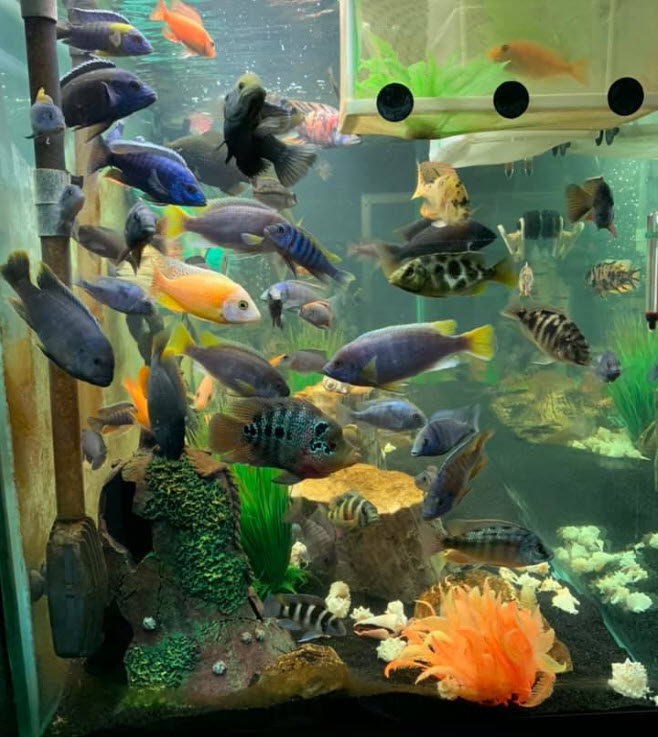
Practical tips and tricks from experience
Here are simple, actionable tips I’ve learned the hard way.
- Use aged filter media from a healthy tank to jump-start a new setup safely.
- Introduce fish slowly, adding just a few at a time over several weeks.
- Keep filters running 24/7 and avoid turning them off for long periods.
- Use live plants to absorb some nitrate and provide habitat for bacteria.
- Keep an emergency plan: spare filter media, test kits, and a bucket for quick water changes.
These practices illustrate why is it important to develop nitrifying bacteria in an aquarium. They save fish and reduce stress for you as a keeper.

When to consider bacterial supplements and additives
Bacterial supplements can help in specific cases. They can speed up cycling or recover colonies after medication. Use them from reputable brands and follow instructions closely.
Supplements don't replace good practices. They work best with proper oxygenation, surfaces for growth, and stable conditions. If you use a supplement, monitor water closely to confirm that the nitrification process is progressing as expected. This keeps your focus on why is it important to develop nitrifying bacteria in an aquarium and not on quick fixes alone.

Frequently Asked Questions of why is it important to develop nitrifying bacteria in an aquarium
How long does it take to develop nitrifying bacteria in a new aquarium?
Typically it takes 3 to 6 weeks for a full cycle. Time varies with temperature, oxygen, and available surfaces, so test water to confirm progress.
Can I start a tank using fish to cycle it?
Yes, but it risks fish health from ammonia and nitrite spikes. A fishless cycle or seeded media is kinder and more predictable.
Will my aquarium bacteria die if I clean the filter?
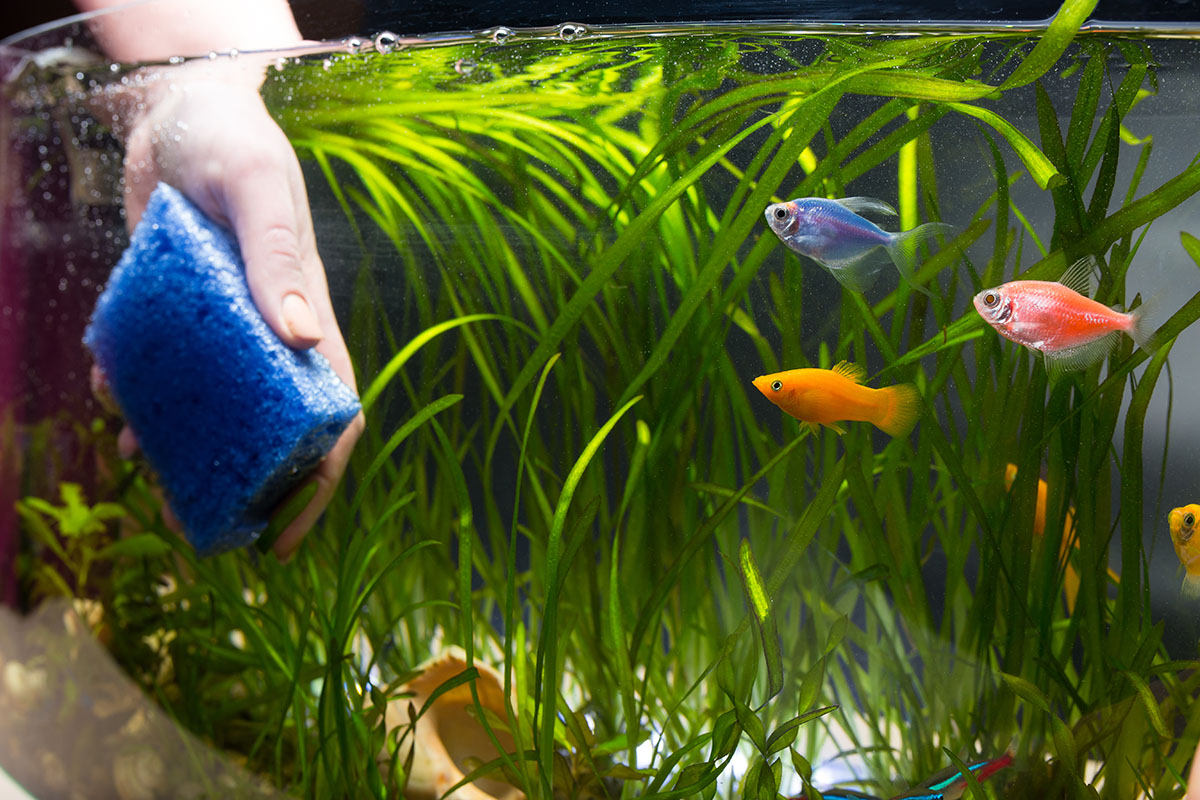
If you clean or replace all filter media at once, you can remove most bacteria. Rinse media gently in dechlorinated water and stagger replacements.
Do aquarium medications kill nitrifying bacteria?
Some antibacterial and antibiotic treatments can harm beneficial bacteria. Use them only when needed and follow guidance to protect the biofilter.
Are live plants a good substitute for nitrifying bacteria?
Plants help by taking up nitrate, but they don’t fully replace nitrifiers. Both plants and nitrifying bacteria together create the healthiest environment.
Conclusion
Developing nitrifying bacteria is the backbone of a healthy aquarium. These microbes convert toxic waste into manageable forms, stabilize water, reduce stress on fish, and make tank care simpler. Start deliberately, test often, and protect your bacterial colonies by avoiding rushed stocking and harsh cleaning. Take action today: test your water, pause adding fish if you’re uncertain, and give your tank the time it needs to grow a strong, beneficial bacterial community. Share your experiences below or subscribe for more practical tank-care tips.