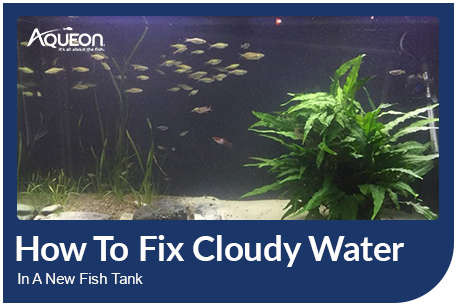
Cloudy aquarium water after a change is often due to sediment disturbance, bacterial bloom, or poor water quality.
Aquarium enthusiasts often face a perplexing issue: cloudy water after diligent maintenance. If you've eagerly ensured your aquatic paradise is pristine, only to find it shrouded in murkiness, you're not alone. Understanding why your aquarium water becomes cloudy post-change is essential. It's not merely an aesthetic problem; it reflects the intricate ecosystem within your tank. Let's dive deeper to uncover the reasons, solutions, and preventive measures for this puzzling phenomenon.
Common Causes of Cloudy Aquarium Water
Disturbed Sediments
Changing your water might stir up sediments, especially if your tank's substrate is fine gravel or sand. This can lead to temporary cloudiness.
Bacterial Bloom
Introducing fresh water can prompt a bacterial bloom as the ecosystem adjusts. Beneficial bacteria multiply rapidly, causing a milky appearance that usually clears on its own.
Chemical Imbalance
The cloudiness might result from an imbalance in pH levels or other water parameters. It's essential to regularly test your tank's water quality to maintain a stable environment.
Overfeeding and Waste
Sometimes, feeding your fish just a tad too much results in leftover food and increased waste, which can contribute to cloudy water after a change.
Tap Water Additives
Chloramine and chlorine in tap water, if not properly neutralized, can lead to cloudiness and distress for your aquatic inhabitants.
How to Clear Cloudy Aquarium Water
Check and Maintain Filtration
Ensure your filter is functioning correctly and is the right size for your tank. Consider using a water clarifier if cloudiness persists.
Regular Testing
Invest in quality water test kits to keep track of parameters like pH, ammonia, nitrite, and nitrate levels. Adjust as needed to keep everything in balance.
Perform Gradual Water Changes
Instead of large water changes, smaller, more frequent ones can minimize sediment disruption and help maintain stability.
Rethink Feeding Habits
Adopt a feeding schedule that leaves no extra food to decay in the tank. Observe your fish until you're familiar with how much they can eat within a few minutes.
Use Water Conditioners
Ensure you always treat tap water with a conditioner before adding it to your tank. It neutralizes harmful chemicals, making it safe for fish and reducing cloudiness.
Preventive Tips
- Keep a consistent routine for cleaning and maintenance.
- Consider the addition of live plants to absorb excess nutrients.
- Ensure the tank is not overcrowded; more fish produce more waste.
- Maintain a stable bioload to keep the ecosystem balanced.
Personal Insights and Experience
Over years of managing aquariums, one learns the art of patience and observation. In my early days, frequent and drastic water changes led to more problems than solutions. Gradually, I embraced smaller changes and consistent monitoring, resulting in a self-regulating aquatic haven.
Remember, each aquarium is unique, and becoming attuned to its subtle cues is key to maintaining clarity and health.
Frequently Asked Questions
Why does my aquarium turn cloudy after water changes even if I use a filter?
Even with a filter, sediments can get stirred or bacteria might bloom, temporarily clouding the water.
How long does bacterial bloom last?
A bacterial bloom can last anywhere from a few days to a week. It usually clears up on its own without intervention.
Can plants help with cloudy water?
Yes, live plants can absorb excess nutrients, helping maintain water clarity and balance.
Should I change all the water if it gets cloudy?
Avoid complete water changes. Instead, opt for partial changes of about 10-20% to maintain stability.
Is cloudy water harmful to fish?
While not directly harmful, persistent cloudiness indicates underlying issues that could stress your fish if not addressed.
Conclusion
Embracing the nuances of aquarium maintenance enriches not just aquatic life but also the keeper's journey. Cloudy water can be an opportunity to delve deeper into understanding your tank's ecosystem. By applying these insights, maintaining routine, and learning from your tank's behavior, you'll soon transform that cloudiness into crystal-clear success.
Ready to master the art of aquarium upkeep? Subscribe for more in-depth guides and share your own experiences below. Together, let's elevate our aquatic adventures!