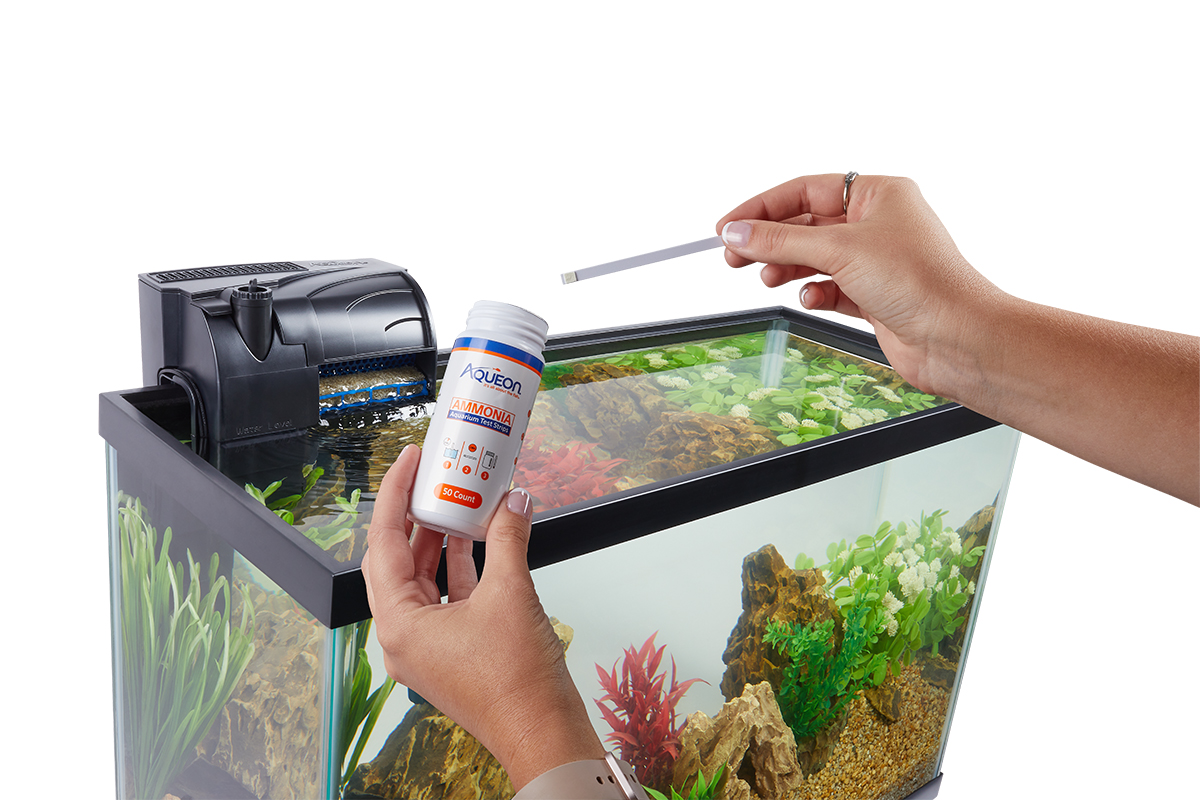
High ammonia levels in your aquarium usually result from overfeeding, poor filtration, or inadequate cleaning.
The serenity of watching fish glide through water in a well-maintained aquarium can be deeply satisfying. Yet, nothing disrupts this peaceful scene like noticing your fish acting sluggish or observing cloudy water. These are often signs of a problem lurking below the surface—high ammonia levels. As someone who's spent years experimenting with aquariums of all sizes, I'm here to guide you through understanding why your ammonia level might be high and what you can do to restore harmony to your aquatic environment.
Understanding Ammonia in Aquariums
Ammonia is a natural byproduct of fish waste, uneaten food, and decomposing plants in your aquarium. While a small amount is inevitable, high levels are toxic and can lead to severe health issues or even death for your fish. Understanding the causes behind elevated ammonia levels is crucial for maintaining a healthy aquarium.
Common Causes of High Ammonia Levels
Overfeeding
Feeding your fish can be enjoyable, but overfeeding leads to excess food settling at the bottom, decomposing, and releasing ammonia. Here’s how to manage it:
- Feed appropriate portions: Only provide what your fish can consume in a few minutes.
- Remove uneaten food: Skim excess food after feeding to prevent buildup.
Inadequate Filtration
A good filtration system is your aquarium’s best defense against ammonia. A weak or clogged filter can't efficiently remove toxins. Consider these tips:
- Regular maintenance: Clean and inspect filters weekly.
- Upgrade filters: Use a filter rated for a larger tank than yours.
Overstocking
Too many fish in a tank can overwhelm its biological capacity to handle waste, leading to increased ammonia levels.
- Research fish needs: Know the space and care requirements for each fish.
- Follow stocking guidelines: Maintain appropriate fish-to-water ratios.
Poor Water Change Practices
Regular water changes are vital to removing extra nutrients and waste from your tank. If neglected, toxins like ammonia can accumulate.
- Consistency is key: Implement a weekly water change schedule.
- Don’t change too much: Alter 10-20% of the water to avoid shocking the system.
Detecting Ammonia Levels
Use a reliable water test kit to regularly check ammonia levels in your aquarium. The safe level of ammonia is 0 ppm (parts per million). If levels rise:
- Act quickly: Perform a water change immediately.
- Check filter functions: Ensure they’re working efficiently.
Reducing Ammonia Levels Naturally
Biological Filtration
Add beneficial bacteria through biological filtration methods, which help break down waste products into harmless substances.
- Use bio media: Incorporate media that supports bacterial growth.
- Cycle your tank: Begin with a nitrifying bacteria supplement.
Live Plants
Including live plants in your aquarium can naturally absorb ammonia and nitrites, promoting a balanced ecosystem.
- Choose the right plants: Opt for hardy species that thrive in your tank conditions.
- Monitor plant health: Healthy plants will absorb more nutrients.
Frequently Asked Questions
What causes ammonia spikes in an aquarium?
Ammonia spikes often result from overfeeding, overcrowding, or a filter malfunction. Unchecked waste and decay lead to increased ammonia levels.
How often should I test my aquarium for ammonia?
Test your aquarium water for ammonia at least once a week, or more frequently if you're experiencing issues or have a new setup.
Can I use household ammonia removers?
While some household ammonia removers may work temporarily, they don't address underlying issues. It’s better to focus on prevention and biological filtration.
How does ammonia impact fish health?
High ammonia levels can burn fish gills, causing red gill symptoms and labored breathing, eventually leading to fatality if not corrected.
What are the ideal ammonia levels for a healthy tank?
Ammonia levels should always be at 0 ppm. Any detectable amount requires immediate attention to maintain a safe environment for your fish.
Conclusion
Maintaining a thriving aquarium is both an art and a science. Recognizing why your ammonia level might be high is the first step toward protecting your aquatic friends. By practicing good feeding habits, ensuring adequate filtration, and regularly monitoring water conditions, you can prevent ammonia spikes and keep your underwater community vibrant. Take action today to create a balanced, healthy environment for your fish to thrive. Share your experiences with other enthusiasts, subscribe for more insights, or leave a comment with your questions and experiences.