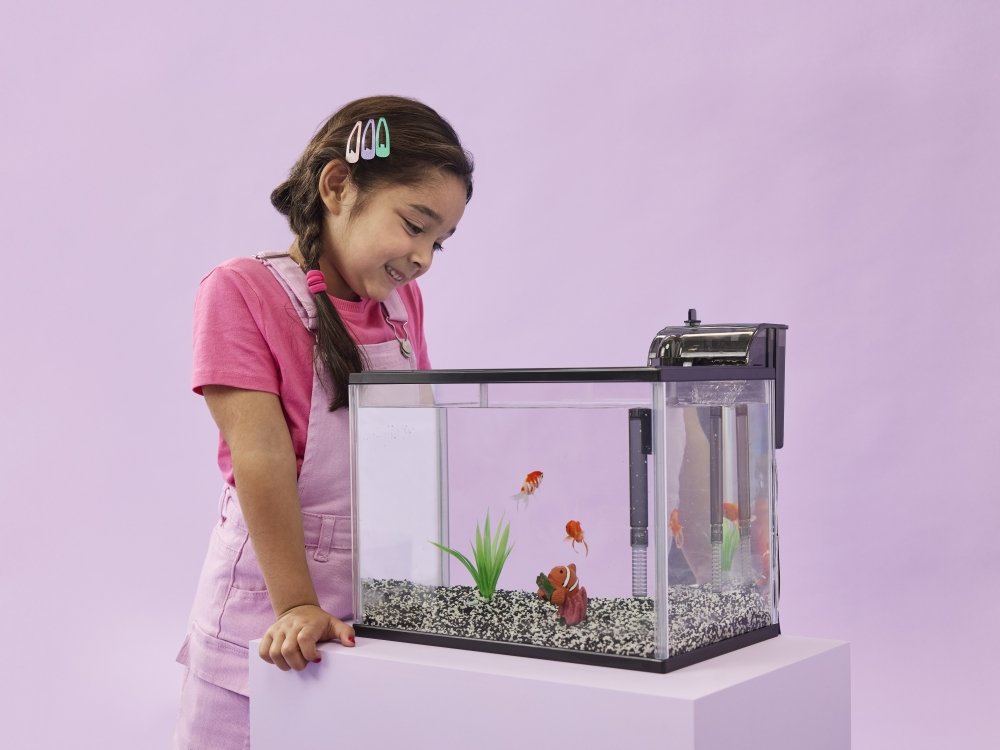
Pink aquarium water usually comes from bacterial blooms, pink algae, or chemical/dye contamination.
I’ve spent years diagnosing tank troubles and helping hobbyists fix odd water colors. If you’re asking, why is my aquarium water pink, this guide walks through the likely causes, how to test and treat each problem, and simple steps to stop it happening again. Read on for clear, practical advice from hands-on experience and industry best practices.
Why is my aquarium water pink? Common causes
Pink water in an aquarium is uncommon but not unheard of. The main causes are bacterial or algal blooms, contamination from dyes or medications, and certain microbes that produce pink pigments. Each cause looks and behaves differently, so identifying the root issue matters for treatment.
Common causes include:
- Bacterial bloom that produces a pinkish tint
- Pink-pigmented bacteria or halobacteria in low-salt or brackish systems
- Pink algae (actually pigmented bacteria or microalgae)
- Water contaminated by aquarium-safe dyes, medications, or tannins mixed with additives
- Cross-contamination from tank equipment or décor
- Unusual chemical reactions with metal traces or cleaning residues
I’ve seen bacterial blooms after big water changes and dye stains after adding colored gravel. Knowing why is my aquarium water pink makes treatment faster.

How to identify what’s causing pink water
A short, systematic check helps you decide if the pink is biological or chemical.
Look and test:
- Visual clues: Is the tint uniform or patchy? Uniform pink often means dissolved pigments; patchy growths suggest algae or bacterial colonies.
- Smell: A metallic or chemical odor points to contamination. A musty or earthy smell suggests a biological bloom.
- Water tests: Check ammonia, nitrite, nitrate, pH, and salinity. Bacterial blooms often follow ammonia spikes or sudden oxygen changes.
- Surface and décor: Inspect plants, rocks, and filters for pink film or slimy growth.
- Time and pattern: Rapid change after adding a product suggests contamination. Slow, persistent pink points to a biological source.
From my tanks, quick pink shifts trace back to new decorations or medications. Slow pink tints were often bacterial films that faded after treatment.

Treatment options by cause
Match the fix to the cause. Treating the wrong issue can make things worse.
If bacterial bloom is the cause:
- Perform partial water changes (20-40%) to reduce dissolved organics.
- Vacuum substrate and remove visible biofilm.
- Improve filtration and increase surface agitation to raise oxygen.
- Temporarily reduce feeding to cut nutrient input.
If pink algae or pigmented bacteria are present:
- Manually remove visible growth and scrub décor.
- Continue water changes and reduce light if algae is involved.
- Use a phosphate remover if tests show high phosphate.
If contamination from dyes or chemicals:
- Stop using the suspect product immediately.
- Do large water changes until color fades.
- Replace activated carbon in the filter and use chemical media designed to remove dyes and organics.
If metals or residues are suspected:
- Test for heavy metals if possible.
- Use chelating agents or specific filter resins.
- Replace affected substrate if cleaning doesn’t help.
I once used fresh activated carbon and a 50% water change to remove dye from a novelty background. The pink faded within a day.
Preventing pink water: routine care and best practices
Prevention is easier than cure. Good habits keep pink surprises away.
Daily and weekly routine:
- Feed sparingly and remove uneaten food.
- Do scheduled partial water changes weekly or biweekly.
- Clean mechanical filter media and replace activated carbon monthly.
- Quarantine new décor, plants, and fish before adding them to the display tank.
- Rinse any new substrate or décor thoroughly before use.
Equipment and water source tips:
- Use reliable water sources and test for contaminants.
- Maintain stable water chemistry and avoid sudden shifts.
- Use UV sterilizers on problem tanks to reduce free-floating microbes when needed.
From experience, quarantine and rinsing new items prevented multiple pink episodes. Small time investments avoid big cleanups.
When to seek professional help or lab testing
If basic steps don’t solve the problem, get expert help.
Signs you need lab tests or pros:
- Persistent pink color after repeated water changes and filter changes
- Fish stress, disease, or unexplained deaths
- Strong chemical smell or visible corrosion on metal parts
- No visible growth but stubborn tint remains
A lab test can detect pigments, heavy metals, or unusual microbes. Aquatic vets and experienced aquatic consultants can recommend targeted treatments.

Personal experience and practical tips
I’ve dealt with pink water in community tanks more than once. In one case, a novelty ornament bled dye into the water. The dye clung to silicone and plastic. My steps were:
- Removed the ornament and scrubbed it thoroughly.
- Replaced filter carbon and performed two 40% water changes over three days.
- Monitored water chemistry and increased aeration.
The pink faded in 48 hours and never returned because I now always soak new décor and run them in separate water for a day.
- Always suspect new items first if you ask, why is my aquarium water pink.
- Use activated carbon proactively when you add new additives.
- Slow, steady maintenance prevents most color issues.

Troubleshooting checklist: step-by-step
Follow this checklist to troubleshoot pink water quickly.
Step-by-step guide:
- Stop feeding for 24 hours and monitor fish behavior.
- Do a 25-40% water change and siphon the substrate.
- Replace or add activated carbon and clean mechanical filters.
- Test water for ammonia, nitrite, nitrate, pH, and salinity.
- Inspect all décor and equipment for pink stains or residues.
- Quarantine suspect items and run UV sterilizer if available.
- If color returns, escalate to lab testing or professional help.
This routine has resolved most cases I’ve seen where hobbyists wondered, why is my aquarium water pink.
Frequently Asked Questions of why is my aquarium water pink
Is pink aquarium water harmful to fish?
Pink water is not always harmful, but it can indicate contaminants or bacterial blooms. Monitor fish for stress and address water quality quickly.
Can aquarium dyes cause pink water long-term?
Some dyes can leach for days if the item wasn’t rinsed or cured properly. Activated carbon and multiple water changes usually remove dye residues.
Will water changes fix pink aquarium water?
Water changes often help by diluting pigments and organics, but they may not fully solve cases caused by continuous contamination or colonized biofilms.
Could pink water be from medications I used?
Yes. Some medications and treatments have pigments or additives that color water. Stop use and perform water changes if discoloration appears.
Is pink algae the same as pink bacteria?
Not always. Many “pink algae” cases are actually pigmented bacteria or microalgae. Treatment and diagnosis depend on which organism is present.
How quickly should pink water clear up after treatment?
If caused by dye or contamination, you may see improvement within 24–72 hours with proper filtration and water changes. Biological blooms can take several days to resolve.
Conclusion
Pink aquarium water can stem from biological blooms, dyes, contamination, or unusual chemistry. Diagnose by checking decor, running water tests, and noting recent changes. Treat the root cause with water changes, activated carbon, improved filtration, and quarantining new items. Takeaway: routine maintenance and careful quarantines prevent most pink surprises. Try the step-by-step checklist, monitor your tank closely, and share your experience or questions in the comments or subscribe for more practical aquarium tips.