
Cloudy aquarium water usually comes from bacterial blooms, excess waste, or inadequate filtration.
I have kept aquariums for over a decade and helped dozens of hobbyists fix murky tanks. I understand why is my aquarium water turning cloudy, how to tell the cause, and which fixes succeed fast. Read on for clear, practical steps you can use today to diagnose and treat cloudy water with confidence.
Common causes of cloudy aquarium water
Cloudy water can look the same but mean different problems. Knowing why is my aquarium water turning cloudy helps you pick the right fix. Common causes include bacterial blooms, suspended debris, fine substrate dust, dissolved organics, and algae.
Bacterial bloom is frequent in new tanks or after big changes. It makes water look milky white or gray. Overfeeding and dead plant matter feed bacteria and make blooms worse.
Fine sand or gravel dust lifts into the water during setup or from active fish. This causes a cloudy, gritty look that settles slowly. Chemical cloudiness can happen when water chemistry changes fast or when medications and additives react.
Algal clouds are green and often linked to too much light or excess nutrients. Identifying which cause is at work is the key to fixing the problem. If you ask why is my aquarium water turning cloudy, this list is where to start.
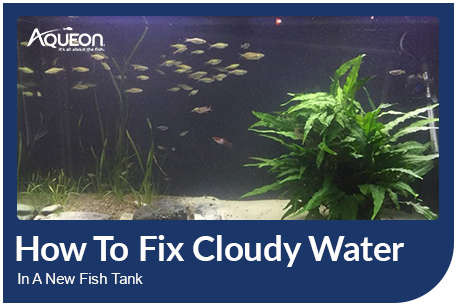
How to diagnose the type of cloudiness
Look, smell, and test. These simple checks tell you why is my aquarium water turning cloudy.
Observe color and timing. If it is white and appears fast after a water change, bacterial bloom is likely. If it is green and develops with heavy light, algae is likely. Brown tannins come from driftwood or leaves.
Use a jar test. Scoop tank water into a clear jar. Let it sit for a few hours. If particles settle, it is debris or substrate dust. If it stays suspended, it is bacterial or chemical.
Test water chemistry. Check ammonia, nitrite, nitrate, and pH. Spikes in ammonia or nitrite often coincide with bacterial blooms and stressed fish. Regular tests will show subtle changes and answer why is my aquarium water turning cloudy.

Step-by-step fixes for each cause
Follow targeted fixes based on the diagnosis. Knowing why is my aquarium water turning cloudy points you to the right action.
Bacterial bloom fixes
- Reduce feeding to once a day or every other day.
- Do a 20 to 30 percent water change and vacuum the substrate lightly.
- Improve filtration by cleaning filter media with tank water. Avoid replacing all media at once.
Debris or substrate dust fixes
- Perform a thorough substrate vacuum during water changes.
- Use a mechanical filter pad and rinse it frequently.
- Allow time. Fine dust settles if you reduce disturbances.
Algae cloud fixes
- Reduce light hours to 6 to 8 hours a day.
- Remove visible algae manually or with a scrubber.
- Reduce nitrate and phosphate by changing water and controlling feeding.
Chemical or medication cloud fixes
- Stop adding untested chemicals.
- Follow dosage on medications and perform water changes after treatment.
- Use activated carbon to absorb residues when safe for your livestock.
If you still wonder why is my aquarium water turning cloudy after these steps, slow, consistent maintenance usually restores clarity within days.
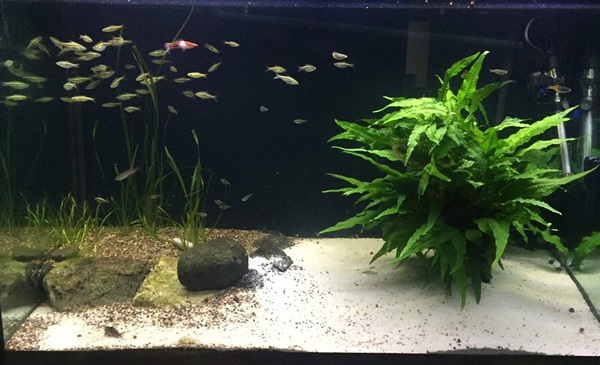
Practical tips I learned from experience
I once had a new 30-gallon tank turn milky white after adding plants. I panicked and overcleaned the filter. The bloom returned. I learned to do small water changes, limit feeding, and stabilize the filter. The tank cleared in four days.
From that and other projects, these tips work reliably:
- Always rinse new substrate thoroughly before adding it to the tank.
- Cycle filters with established media when possible.
- Introduce livestock slowly to avoid sudden bio-load spikes.
These hands-on lessons explain why is my aquarium water turning cloudy and how to avoid repeating mistakes. Small, steady actions beat aggressive fixes.

Routine maintenance to prevent cloudy water
Consistency prevents most causes of cloudiness. A simple weekly routine keeps water clear and fish healthy.
Weekly tasks
- Change 10 to 30 percent of the water weekly based on stocking levels.
- Vacuum the substrate during water changes.
- Check and clean mechanical filter media.
Monthly tasks
- Rinse bio-media in tank water to remove detritus without killing beneficial bacteria.
- Test and record ammonia, nitrite, nitrate, and pH.
- Trim dead plant leaves and remove uneaten food.
Preventive habits answer "why is my aquarium water turning cloudy" before it starts. Simple routines make a big difference.

Water testing and parameters to monitor
Testing tells you what’s happening below the surface. Track these key values to understand why is my aquarium water turning cloudy.
Essential tests
- Ammonia — should be zero in established tanks.
- Nitrite — should be zero; any reading means cycle stress.
- Nitrate — keep below 20 to 40 ppm for most tanks.
- pH — stable pH reduces stress and imbalances.
Record results in a notebook or app. Sudden jumps in ammonia or nitrite are strong clues that a bacterial bloom or bio-load problem is causing cloudiness. Accurate tests guide correct fixes.
When to seek expert help
If cloudiness lasts more than a week despite correct steps, ask a pro. Persistent cloudy water can signal hidden issues.
Contact a reputable aquarium shop or a veterinarian if:
- Fish show signs of stress, disease, or unexplained deaths.
- Water tests show chronic high ammonia or nitrite.
- You used complex medications and the tank won’t stabilize.
A trained professional can run detailed tests and recommend targeted treatments. Knowing when to escalate saves fish and money.
Frequently Asked Questions of why is my aquarium water turning cloudy
Why is my aquarium water turning cloudy right after a water change?
Cloudiness after a water change often comes from disturbed substrate dust or a temporary bacterial bloom. Doing smaller, more frequent changes and vacuuming the substrate gently usually prevents it.
Can overfeeding cause cloudy aquarium water?
Yes. Overfeeding raises waste and ammonia. This fuels bacterial growth and cloudiness. Feed small amounts and remove uneaten food.
How long does bacterial bloom cloudiness last?
Bacterial blooms typically clear in a few days to a week with reduced feeding, partial water changes, and stable filtration. Persistent blooms may need further testing.
Will adding activated carbon clear cloudy water?
Activated carbon removes dissolved organics and some residues but won’t remove bacteria or fine particles. Use it after you diagnose the cause for best results.
Is cloudy aquarium water harmful to fish?
Cloudy water itself is not always harmful, but the underlying causes, like high ammonia or nitrite, can hurt fish. Test water and act quickly if parameters are off.
Can planted tanks get cloudy water for different reasons?
Yes. Planted tanks often have organic buildup from decaying leaves or soils that release dust or tannins. Regular pruning and substrate rinsing help.
Conclusion
Cloudy aquarium water usually points to a manageable cause: bacterial bloom, debris, substrate dust, algae, or chemical residue. Diagnose by observing color, doing a jar test, and testing water. Fix the issue with targeted steps like small water changes, better filtration, reduced feeding, and light control. Keep a steady maintenance routine to stop cloudiness from returning.
Take action today: test your water, cut feeding, and follow the step-by-step fixes. If problems persist, seek expert advice. Share your experience or questions below and subscribe for more practical aquarium tips.