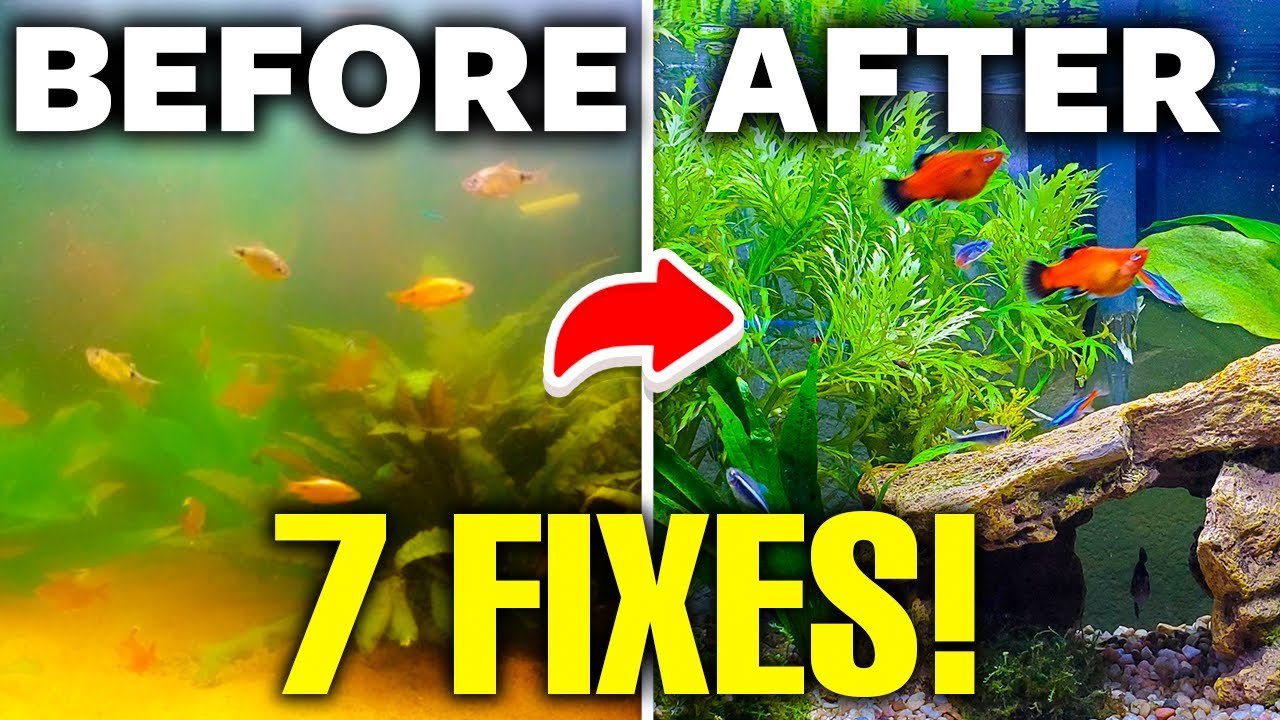
New aquariums turn cloudy because of bacterial blooms, fine particulate matter, or unwashed substrate.
I’ve set up dozens of tanks and taught new hobbyists how to diagnose cloudy water fast. This guide explains why is my new aquarium foggy, how to identify the exact cause, and step-by-step fixes you can trust. Expect clear, practical advice backed by experience and simple tests you can do today.
:strip_icc()/cloudy-aquarium-water-1378803-3736ff0eb5b34aa0907ae9df2882a86e.png)
Why new aquariums get foggy
New tanks often go cloudy in the first days or weeks. The most common cause is a bacterial bloom as beneficial bacteria multiply to process ammonia. Other causes include tiny soil or sand particles, dissolved organics from decorations, or early algae growth. When you ask why is my new aquarium foggy, think of it as the tank’s startup stress response—temporary but fixable with the right steps.
Common causes explained
Below are the main reasons your new tank may be cloudy. Read each short explanation and match it to what you see.
- Bacterial bloom
- A rapid rise in free-floating bacteria causes a white, milky cloud. This happens when ammonia and nitrite from fish waste or decaying matter spike during cycling.
- Substrate dust and debris
- Gravel or sand not rinsed well sends fine particles into the water. The cloud looks like tiny grains and often settles slowly.
- Cellulose or soap residues
- New equipment sometimes carries detergents or fine fibers. Those give a slick sheen or persistent fuzz.
- Algae bloom
- Green or greenish water with tiny specks can be algae growing under strong light or high nutrients.
- Chemical cloudiness
- New decor, peat, or some soils can leach tannins and organic compounds. Water may look brownish or hazy.
- Uncycled filter and low bacteria colonies
- When filter media lack stable nitrifying bacteria, ammonia accumulates and fuels bacterial blooms. This links directly back to why is my new aquarium foggy during the startup period.
How to clear a foggy new aquarium: step-by-step fixes
Follow this clear plan. Work slowly and watch the water change over days.
- Test water first
- Use test strips or kits for ammonia, nitrite, and nitrate. High ammonia or nitrite points to cycling issues.
- Do partial water changes
- Replace 20–30% of water every 24 hours until cloudiness improves. Use dechlorinated water at matching temperature.
- Rinse substrate and decor
- Siphon the gravel and gently rinse any new decor outside the tank if you suspect dust or residues.
- Reduce feeding and stocking
- Feed sparingly and avoid adding more fish. Less waste limits food for bacteria and algae.
- Improve filtration and flow
- Ensure filter size matches tank volume. Add mechanical media to trap particles, then rinse media in tank water when dirty.
- Consider a temporary clarifier or UV sterilizer
- Use a water clarifier sparingly to clump particles for easier removal. A UV unit will clear free-floating bacteria and algae fast, but it’s an investment.
- Be patient during cycling
- Most bacterial blooms resolve as the biological filter matures. Track test results rather than relying on appearance only.
In my experience, a quick test and a couple of partial water changes clear most startups. I once fixed a day-old cloudiness in a 20-gallon tank with two 25% changes and a faster flow. Patience and testing win.

Preventing future cloudiness
Small habits keep your aquarium clear long-term. Follow these routines.
- Rinse new substrate and decorations well in tap water before use.
- Cycle the tank without fish or with a few hardy starters and test water regularly.
- Avoid overfeeding; remove uneaten food after five minutes.
- Maintain routine filter cleaning using tank water to preserve beneficial bacteria.
- Limit direct sunlight and control tank lighting to reduce algae risk.
Preventing the common causes is easier than fixing them. When you reduce inputs and support good bacteria, the question why is my new aquarium foggy rarely comes up again.

When to worry: signs of dangerous cloudiness
Not every foggy tank is harmless. Watch for these red flags.
- High ammonia or nitrite readings
- These are toxic and need immediate partial water changes and treatment.
- Fish showing stress or sickness
- Gasping at the surface, lethargy, or clamped fins means act fast.
- Persistent chemical haze after cleaning
- If cloudiness lingers despite routine fixes, test for dissolved organics or contaminants from new products.
- Sudden green water that doesn’t clear
- A strong algae bloom may need nutrient control or a UV sterilizer.
If tests show safe levels and fish behave normally, the tank is likely cycling. If not, take action immediately and consider consulting a local aquarium professional.

Frequently Asked Questions of why is my new aquarium foggy
Why is my new aquarium foggy on day one?
New tanks commonly show cloudiness from substrate dust or a bacterial bloom. Rinsing substrate before setup and doing a 20–30% water change usually clears it within a day or two.
Can overfeeding make my new aquarium foggy?
Yes. Excess food breaks down to ammonia and fuels bacterial and algae blooms. Feed sparingly and remove leftovers after a few minutes.
Will a water clarifier fix why my new aquarium foggy issue permanently?
A clarifier can clear suspended particles temporarily by clumping them for removal. It won’t solve underlying cycling or nutrient issues that cause repeat cloudiness.
How long does it take for a new aquarium fogginess to clear?
Most bacterial or dust-related cloudiness clears within 48–72 hours with proper water changes and filtration. Cycling issues may take weeks to stabilize.
Do I need to remove fish if my new aquarium is foggy?
Not always. Test for ammonia and nitrite first. If levels are toxic or fish show distress, reduce stocking and perform partial water changes; temporary quarantine can help.
Conclusion
A foggy new aquarium is usually a temporary startup issue caused by bacterial blooms, substrate dust, or early algae. Test water, perform controlled water changes, and improve filtration to get clear water fast. Be patient while the biological filter establishes itself, and use the prevention steps here to avoid repeat problems. Try one change today—test your tank, do a targeted water change, and watch for improvement—and leave a comment to share your results or ask for help.