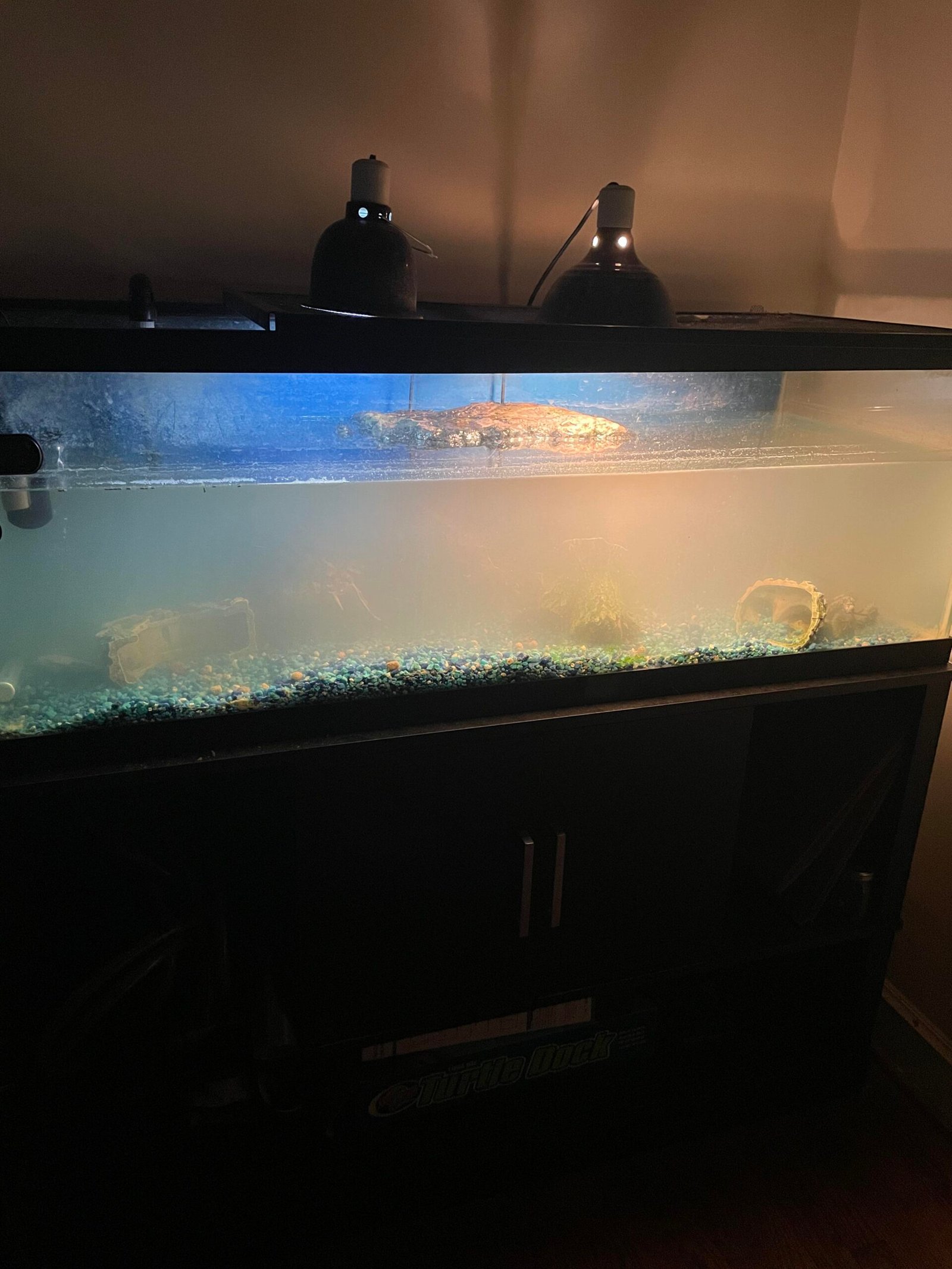
Cloudy turtle tanks usually come from excess waste, bacterial blooms, or inadequate filtration.
I have kept aquatic turtles for years and helped dozens of owners solve the exact problem of why is my turtle aquarium cloudy. In this guide I break down causes, clear diagnostic steps, fast fixes, and long-term care strategies so you can restore clear water and keep it that way. Read on for expert tips, real-world lessons, and step-by-step action you can use today to stop wondering why is my turtle aquarium cloudy.

Common reasons your turtle aquarium is cloudy
Understanding why is my turtle aquarium cloudy starts with the usual suspects. Cloudy water can come from biological, chemical, or physical issues. Here are the most common causes and how they make water hazy.
- Excess waste and uneaten food
- Turtles produce a lot of solid waste. Leftover food and poop break down and feed bacteria that make water cloudy.
- Bacterial bloom
- A sudden surge of free-floating bacteria produces a milky or greenish haze. This often follows a tank setup, filter change, or a spike in nutrients.
- Poor or undersized filtration
- Inadequate mechanical filtration lets tiny particles stay suspended. Biological filtration that can’t handle waste causes ongoing cloudiness.
- New tank syndrome
- A new aquarium often has unsettled bacterial colonies. The nitrogen cycle is still catching up and this can cause cloudy water.
- Algae growth
- Green cloudiness or green-tinted water indicates suspended algae. Too much light and excess nutrients fuel this growth.
- Disturbed substrate
- Stirring gravel or sand releases trapped detritus and fine particles. Turtles often dig and move substrate, making water murky.
- Chemical imbalances
- High ammonia or nitrite can correlate with cloudy water. Hard water minerals or tannins from decor can also change clarity.
If you ask why is my turtle aquarium cloudy, these causes account for the majority of cases. Match the symptoms to the cause to fix it faster.

How to diagnose what is making the water cloudy
A clear diagnosis prevents wasted effort. Follow these simple tests and checks to find out why is my turtle aquarium cloudy.
- Observe color and smell
- Milky white cloud: usually bacterial bloom. Green tint: algae. Brown or tea color: tannins or decaying plant matter. Bad odor: organic waste and poor water quality.
- Check behavior and tank activity
- If the turtle is unusually active digging or shedding skin, substrate disturbance or shedding could be the cause.
- Test water parameters
- Measure ammonia, nitrite, nitrate, pH, and hardness. High ammonia or nitrite often accompanies cloudy water.
- Inspect the filter
- Look for clogged mechanical media or poor water flow. A working filter should cycle the tank volume several times per hour.
- Consider recent changes
- Recent feeding changes, added decor, new substrate, or cleaning can trigger bacterial blooms and cloudiness.
Run these checks in order. When you know why is my turtle aquarium cloudy, you can pick the right fix.

Practical steps to clear turtle aquarium cloudiness fast
Once you know why is my turtle aquarium cloudy, use practical, safe steps to clear the water. Follow these actions in sequence for the best results.
- Perform a partial water change
- Replace 25–50% of the water with treated, temperature-matched water. This removes suspended particles and lowers nutrient loads.
- Clean the substrate gently
- Use a gravel vacuum during water changes to remove uneaten food and waste. Avoid stirring deeply if you suspect bacterial bloom.
- Improve filtration
- Clean or replace clogged mechanical media. Increase flow or add a rated canister or hang-on-back filter for turtle-sized bioloads.
- Reduce feeding
- Feed smaller portions and remove uneaten food after 10–15 minutes. Overfeeding is a main cause of chronic cloudiness.
- Use biological enhancers if needed
- Add beneficial bacteria supplements to help stabilize the cycle after a big clean or filter change.
- Consider temporary UV sterilizer
- A UV sterilizer can quickly clear free-floating bacteria and algae. Use it as a short-term tool, not a permanent crutch.
- Monitor and repeat
- Check water clarity and parameters daily for a week. Repeat partial water changes as needed until clarity improves.
Do not empty the tank completely. Sudden full cleanings remove beneficial bacteria and can prolong the problem. These steps directly address why is my turtle aquarium cloudy and bring fast results when applied correctly.
Long-term prevention and maintenance plan
Preventing cloudiness is easier than fixing it over and over. Create a simple routine to stop the question why is my turtle aquarium cloudy from coming back.
- Weekly tasks
- Change 20–30% of the water. Remove visible waste and uneaten food. Quick vacuum of substrate.
- Monthly tasks
- Rinse filter sponges in tank water and replace carbon or chemical media per manufacturer guidance. Inspect all equipment for flow issues.
- Quarterly tasks
- Deep-clean mechanical media and check bio-media for clogging. Replace worn parts and test the tank’s overall bioload capacity.
- Feeding routine
- Feed once or twice a day depending on species and age. Use measured portions and remove leftovers promptly.
- Stocking and tank size
- Avoid overcrowding. Turtles need large tanks; higher volume dilutes waste and reduces cloudiness risk.
- Light and algae control
- Provide 10–12 hours of light a day max. Use natural light carefully and control nutrients to reduce algae growth.
A steady maintenance plan tackles the root reasons for why is my turtle aquarium cloudy and keeps the tank stable.

Water parameters and testing: what to check
Good water data points help solve why is my turtle aquarium cloudy. Test these parameters and aim for safe ranges.
- Ammonia (NH3/NH4+)
- Safe level: 0 ppm. Any detectable ammonia is a warning sign and often ties to cloudiness.
- Nitrite (NO2-)
- Safe level: 0 ppm. Nitrite spikes indicate an incomplete nitrogen cycle and can correlate with bacterial instability.
- Nitrate (NO3-)
- Target: below 40 ppm. High nitrate means organic buildup and fuels algae and bacteria.
- pH
- Typical turtle tanks sit between pH 6.5 and 8.0 depending on species. Large swings can stress biofilters.
- Water hardness and TDS
- Very hard water or high total dissolved solids can affect clarity and require specific media or water changes.
- Temperature
- Keep consistent; sudden temp changes can trigger microbial shifts that lead to cloudiness.
Log test results. When you know why is my turtle aquarium cloudy in terms of numbers, fixes become precise and effective.

Filtration and equipment: choosing the right setup
Choosing the right filter is one of the best defenses against the question why is my turtle aquarium cloudy. Match the filter to the heavy bioload of turtles.
- Types of filtration to use
- Mechanical: traps particles and prevents re-suspension.
- Biological: houses nitrifying bacteria to process ammonia and nitrite.
- Chemical: activated carbon or zeolite removes discoloration and toxins.
- Filter recommendations
- Canister filters: strong mechanical and biological capacity for medium to large setups.
- External hang-on-back with prefilters: good for smaller tanks but may need upgrades.
- Pond filters or high-capacity filters: useful for very large turtle tanks.
- Add-ons that help
- UV sterilizers: control planktonic algae and bacterial blooms as a temporary solution.
- Pre-filter sponge: prevents solids from entering the main filter and reduces maintenance.
- Flow and turnover
- Aim for 4–10x tank volume turnover per hour, adjusted for the turtle’s needs and tank layout.
Right equipment prevents many causes of why is my turtle aquarium cloudy and reduces maintenance time.

Common mistakes and personal lessons learned
I’ve made my share of mistakes with turtle tanks, and they taught me how to avoid cloudiness. These lessons are practical and easy to apply.
- Mistake: Overcleaning filters
- I once rinsed all filter media in tap water. It killed beneficial bacteria and led to a week of cloudy water. Lesson: rinse media in tank water only.
- Mistake: Feeding too much
- I fed large pellets thinking the turtle needed more. Leftovers caused repeated cloudiness. Lesson: feed small, monitored portions and remove leftovers.
- Mistake: New tank impatience
- I set up a new tank and expected instant clarity. A bacterial bloom made it cloudy for days. Lesson: cycle the tank or seed with media from an established aquarium.
- Practical tip: Keep a maintenance log
- Track water tests, changes, and problems. It helps spot patterns that explain why is my turtle aquarium cloudy.
These real-world tips cut through trial-and-error and stop recurring cloudiness fast.
Frequently Asked Questions of why is my turtle aquarium cloudy
How long does it take for cloudy water to clear up?
Cloudy water can clear in a few hours to several days, depending on the cause. Quick fixes like water changes and filter cleaning often show results within 24–48 hours.
Can I use chemical clarifiers for my turtle tank?
Chemical clarifiers can bind particles and clear water quickly, but they do not fix the root cause. Use them sparingly and only while addressing filtration and feeding habits.
Is cloudy water harmful to my turtle?
Cloudy water itself is not always harmful, but it often signals poor water quality that can stress turtles and increase disease risk. Test ammonia and nitrite to be sure.
Will adding more filter media help immediately?
Adding more mechanical or biological media often helps, but avoid sudden full cleanings when you change media. Install new media gradually to preserve beneficial bacteria.
Are cloudy tanks common with baby turtles?
Yes, hatchlings produce proportionally more waste and often cause cloudy water. Smaller tanks worsen the problem, so frequent water changes and strong filtration are needed.
Conclusion
Cloudy water in a turtle aquarium is a common, solvable problem when you know the causes and correct steps to fix it. Test water regularly, improve filtration, reduce feeding errors, and follow a steady maintenance routine to prevent cloudiness. Start with a focused diagnosis today and implement one or two fixes—like a partial water change and filter check—and you will see progress fast. If this guide helped you, try the suggested steps, subscribe for more care tips, or leave a comment with your tank details so I can help troubleshoot further.