Brown algae are diatoms that thrive on light, silica, and excess nutrients in aquariums.
I’ve kept freshwater tanks for years and diagnosed dozens of brown algae outbreaks. This guide explains why is the algae in my aquarium brown, how diatoms form, what drives them, and practical steps to remove and prevent them. Read on for clear, experience-backed answers and easy actions you can take today.
:strip_icc()/brown-aquarium-algae-1378629-FINAL-757b9049c61d44faa2fa646ee3d319e7.png)
What causes brown algae in aquariums?
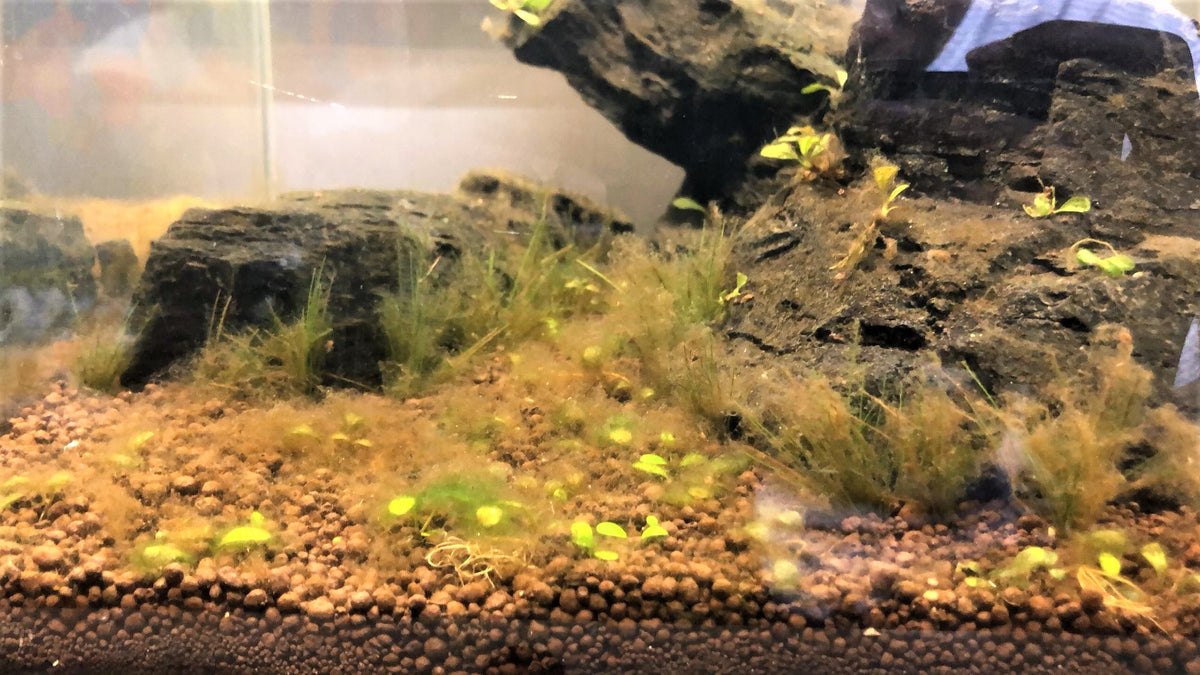
Brown algae are usually diatoms. They are single-celled algae with silica shells. They form brown dust or film on glass, plants, and substrate.
Common causes include:
- Low light or new tanks with little established biology.
- Excess silicates, nitrates, or phosphates in water.
- High or unstable light levels and irregular water changes.
- Decaying plant matter and overfeeding.
If you ask why is the algae in my aquarium brown, think about tank age and water chemistry first. New tanks often show brown algae because filter and bacteria colonies are still establishing. In mature tanks, nutrient imbalance or poor maintenance is the usual culprit.

Diatoms explained: biology behind the brown color
Diatoms make brown algae look brown. Their shells contain silica. Their pigments include chlorophyll plus brown carotenoids. These pigments give the brown or golden hue.
Diatoms flourish when:
- Silicate is present in water from source or additives.
- Light is moderate and steady.
- Organic debris is available for nutrients.
From my experience, new aquariums with tap water high in silicates develop a fine brown coating within days. It’s normal at first, and the tank usually clears with stable maintenance.
How to remove brown algae quickly and safely
If you want to clean up right away, follow these steps. Each step is safe for fish and plants when done gently.
Steps to remove brown algae:
- Manually scrub glass and decor with an algae pad or soft brush.
- Vacuum substrate during a water change to remove settled diatoms.
- Reduce feeding to lower organic load.
- Clean or replace mechanical filter media to remove trapped silicates.
- Add a temporary increase in water changes (20–30% twice a week) until it subsides.
I once cleared a stubborn brown film in a 20-gallon tank within two weeks by combining manual removal, daily 10–15% water changes, and halving the feed. Persistence matters.

Long-term prevention strategies
Preventing recurrence is easier than constant cleaning. Aim for stable water chemistry and regular upkeep.
Preventive habits:
- Test water weekly for nitrates, phosphates, and pH.
- Perform routine water changes (20–30% weekly).
- Avoid overfeeding; feed only what fish consume in two minutes.
- Maintain good filtration and clean mechanical media regularly.
- Use live plants to outcompete algae for nutrients.
When you consider why is the algae in my aquarium brown over time, prevention through consistency will reduce most outbreaks. Live plants and stable routines are your best defenses.

Water testing and target parameters
Testing finds the root cause. Target ranges help control diatoms and brown algae.
Key targets:
- Nitrate: under 20 ppm in planted tanks.
- Phosphate: under 0.5 ppm for most setups.
- Silicate: as low as possible; many test kits don’t measure silicate, so reducing source inputs helps.
- pH and hardness: keep stable for your fish species.
If you frequently ask why is the algae in my aquarium brown, use tests to confirm whether nutrients or silicates are the driving factor. Tracking numbers makes treatment precise.

When brown algae is a sign of deeper problems
Brown algae is often harmless, but it can point to larger issues.
Red flags to watch:
- Persistent brown film despite good maintenance.
- Sudden spikes in nitrates or phosphates.
- Ongoing die-off of plants or filter bacteria.
If you’ve ruled out routine causes and still ask why is the algae in my aquarium brown, consider source water quality and filtration problems. Sometimes a water source high in silicates needs a carbon filter or different water mix. Professional testing or an experienced hobbyist review can help.
My practical tips and mistakes to avoid
Here are lessons I learned the hard way. These saved me time and stress.
Tips from experience:
- Start new tanks slow. Wait to add heavy livestock until biofiltration matures.
- Don’t overreact to a small brown film. It often clears with simple maintenance.
- Avoid overusing chemical “algae killers.” They can harm plants and bacteria.
- Run activated carbon or a silicate-specific filter if source water is a problem.
- Keep a maintenance log to spot patterns early.
One mistake I made was skipping routine filter cleaning. That allowed trapped silicates and organics to fuel weeks of brown algae. Regular care prevents repeat episodes.

Products and tools that help
Useful, safe tools reduce effort and speed recovery.
Helpful items:
- Soft algae scrapers for glass and acrylic.
- Gravel vacuum for substrate cleaning.
- Quality test kits for nitrate and phosphate.
- Activated carbon or reverse osmosis unit to reduce silicates.
- Robust filter with good mechanical and biological media.
Choose tools that match your tank size and type. Cheap tools can damage plants or scape, so invest in a few reliable items.

Frequently Asked Questions of why is the algae in my aquarium brown
What exactly is brown algae in my aquarium?
Brown algae are usually diatoms, single-celled organisms with silica shells that give a brown or golden film. They feed on silicates and nutrients and appear on glass, decor, and plants.
Can brown algae harm my fish?
Brown algae are generally not harmful to fish and often indicate tank imbalance rather than toxicity. However, heavy outbreaks signal poor water quality that can stress fish if left untreated.
How long does brown algae take to go away?
With proper steps, brown algae often clears in one to three weeks. Persistent cases tied to source water or ongoing nutrient input may take longer to resolve.
Will algae-eating snails or fish remove brown algae?
Some snails and shrimp do eat diatoms and help control brown algae, but they rarely eliminate it alone. Use them along with cleanings and water changes for best results.
Is brown algae a sign the tank is new?
Yes, new tanks commonly develop brown algae while biological filtration and plants establish. It usually fades as the aquarium matures and nutrients stabilize.
Conclusion
Brown algae is usually a manageable issue driven by diatoms, silicates, and nutrient imbalance. Start with testing, routine cleaning, and steady maintenance to regain control. Use live plants, careful feeding, and appropriate filtration to prevent recurrence. Take action today: test your water, adjust feed and cleaning habits, and track changes to keep your tank clear and healthy. Leave a comment with your tank size and symptoms if you want tailored advice or subscribe for more aquarium care tips.