
The Georgia Aquarium is expensive due to immense animal care, specialized infrastructure, and steep operating costs.
I’ve studied major public aquariums and spent time behind the scenes at marine facilities, so I can explain why is the georgia aquarium so expensive with clarity and practical detail. This article breaks down the real costs—construction, life-support systems, animal care, staffing, conservation work, and guest services—so you understand where your ticket money goes and how to get the best value from a visit.

Operational costs that drive prices
Running a world-class aquarium is like running a small city. The Georgia Aquarium operates massive life-support systems that filter, heat, chill, and move hundreds of thousands of gallons of water. Pumps, heaters, chillers, and complex filtration systems run 24/7 and require regular replacement and expert maintenance.
Staffing is another major cost. The aquarium employs marine biologists, veterinarians, aquarists, engineers, divers, educators, guest services, and security. Salaries and benefits for trained professionals add up quickly. Training and certifications also cost time and money.
Insurance, permits, and regulatory compliance are ongoing expenses. Large public institutions must meet strict safety and animal welfare standards. Those compliance costs show up in ticket prices.
Why is the georgia aquarium so expensive? Because these fixed and variable operational expenses are huge and continuous. Facilities must cover them year-round, even on slow visitor days.

Construction, exhibit design, and infrastructure investments
The Georgia Aquarium was built to house extremely large and unique exhibits. Engineering a tank that can safely hold whale sharks and large whale-sized volumes requires specialized materials and design. The massive acrylic panels, seismic design elements, and custom-built life-support systems drove high initial costs.
Long-term maintenance of exhibits adds recurring costs. Acrylic panels need inspections and occasional repairs. Pumps and motors require scheduled replacements. Building and exhibit investments are amortized over many years, affecting admission pricing.
When people ask why is the georgia aquarium so expensive, consider that initial construction and ongoing capital improvements are financed through a mix of donations, bonds, and revenue. Ticket sales help repay those investments and fund upgrades.

Animal care, veterinary services, and specialized feeding
Caring for thousands of animals demands specialized expertise and resources. The aquarium houses large fish, marine mammals, manta rays, and whale sharks. Each species has unique dietary, medical, and environmental needs.
Food costs are substantial. Many animals require fresh seafood, vitamins, and special diets prepared daily. Veterinary care includes routine exams, surgeries, diagnostics, and medicine. Quarantine systems must be maintained to prevent disease spread.
Transporting and acquiring animals also adds costs. Moving large animals requires chartered transport, specialized crates, and veterinary escorts. These logistics explain much of why is the georgia aquarium so expensive.

Conservation, research, and education programs
The Georgia Aquarium invests in conservation and research programs that extend beyond the visitor experience. These programs fund field research, rescue and rehabilitation efforts, and species recovery projects. Education programs for schools and communities often run at low cost or are subsidized.
Funding these efforts requires reliable revenue. Ticket sales and donations underwrite conservation research and outreach. If you ask why is the georgia aquarium so expensive, remember some ticket revenue supports work that benefits wild populations and marine science.

Guest experience, amenities, and safety
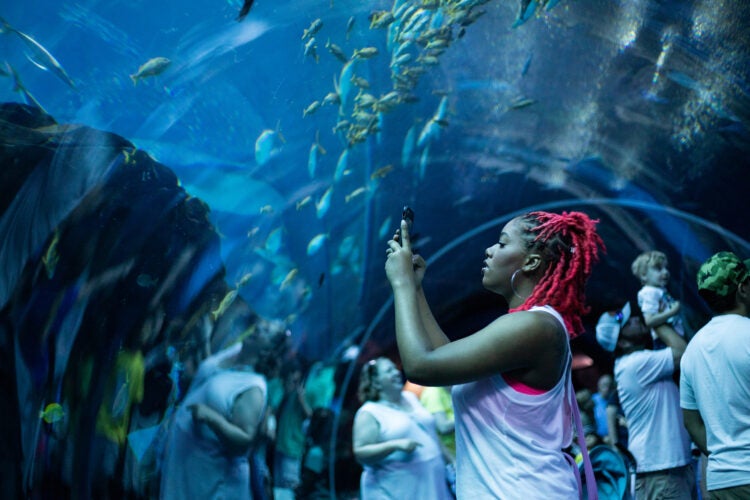
The aquarium’s visitor experience is designed to be memorable. Large immersive exhibits, daily presentations, touch experiences, and behind-the-scenes tours add value but also increase costs. Staffing for crowd control, guest services, and educational presentations is included in operating costs.
Safety and accessibility features require investment too. Elevators, ramped exhibits, emergency systems, and trained staff all add to overhead. Premium experiences like animal encounters or VIP tours carry additional fees because they require staff time and extra resources.
This blend of experience-driven amenities contributes to why is the georgia aquarium so expensive for visitors who expect world-class programming.

Revenue model and pricing strategy
Aquariums balance several revenue streams. Ticket sales form the core, but memberships, donations, corporate sponsorships, retail, and food service are critical too. Pricing reflects the need to cover daily operations and support long-term projects.
Dynamic pricing, peak vs. off-peak tickets, and premium add-ons are common. That is why standard admission can feel high—it's set to cover high daily costs and to keep programs running year-round. When wondering why is the georgia aquarium so expensive, look at how many revenue streams must align to keep the doors open.

Practical tips to save money and maximize value
If the price deters you, there are smart ways to reduce costs and still enjoy the aquarium.
- Buy tickets online in advance to get discounts and timed entry.
- Consider a membership if you plan multiple visits—it often pays off after two or three trips.
- Use city attraction passes or combo deals with local museums for bundled savings.
- Visit during off-peak times or on weekdays to avoid crowded fees and secure cheaper rates.
- Skip premium add-ons on your first visit and decide later if behind-the-scenes tours are worth the extra cost.
These tips help stretch your budget and make the premium experience feel worth the price.
My personal experience and takeaways
I have toured several aquariums and worked on exhibit planning with marine professionals. At each facility, the biggest expense drivers were animal care and the technology to support life systems. I once shadowed a senior aquarist during a water quality check; the level of detail and daily labor surprised me.
From those experiences, I learned that transparency from institutions is key. When staff explain where money goes—like food, vets, and filtration—visitors better appreciate ticket pricing. So when you ask why is the georgia aquarium so expensive, remember you’re paying for trained people and complex systems that protect animals and deliver safe, educational experiences.
Frequently Asked Questions of why is the georgia aquarium so expensive
How much does it cost to build a large aquarium like the Georgia Aquarium?
Building a major aquarium requires hundreds of millions when accounting for land, engineering, and exhibit construction. Specialized tanks and life-support systems are particularly costly and require long-term investment.
Do ticket prices fund animal care directly?
Ticket revenue contributes to animal care, staff salaries, and facility upkeep. However, donations and sponsorships also play a significant role in funding specialized programs and expensive treatments.
Why are behind-the-scenes tours more expensive?
Behind-the-scenes tours require extra staff time, limited space, and often specialized access that increases liability and operational costs. These factors justify higher pricing for intimate experiences.
Are there ways to visit more cheaply?
Yes. Buying tickets online, visiting during off-peak hours, using city attraction passes, or purchasing memberships can lower per-visit costs significantly. Planning in advance often yields discounts.
Does the aquarium spend money on conservation?
Yes. A portion of revenue supports conservation, research, rescue, and educational outreach. These programs can be costly but contribute to species protection and public science education.
Conclusion
Understanding why is the georgia aquarium so expensive comes down to one idea: high-quality animal care, world-class infrastructure, specialized staff, and meaningful conservation work cost a lot to provide every day. When you pay for a ticket, you fund everything from round-the-clock life-support systems to field research and emergency veterinary care.
If the price feels steep, use the tips above to save money and maximize your visit. Consider a membership if you’ll return, or choose off-peak times and bundled passes. Share your thoughts or experiences in the comments, subscribe for more practical guides, and plan your visit with confidence.