Too much waste, overfeeding, poor maintenance, or inadequate filtration raise aquarium nitrate.
I have kept and managed aquariums for years, so I know what drives nitrate spikes and how to fix them. This guide explains why is the nitrate level in my aquarium high, how to test it, and step-by-step fixes you can use today. Read on to learn clear, proven ways to lower nitrates and keep your tank safe and healthy.
What nitrates are and why they matter
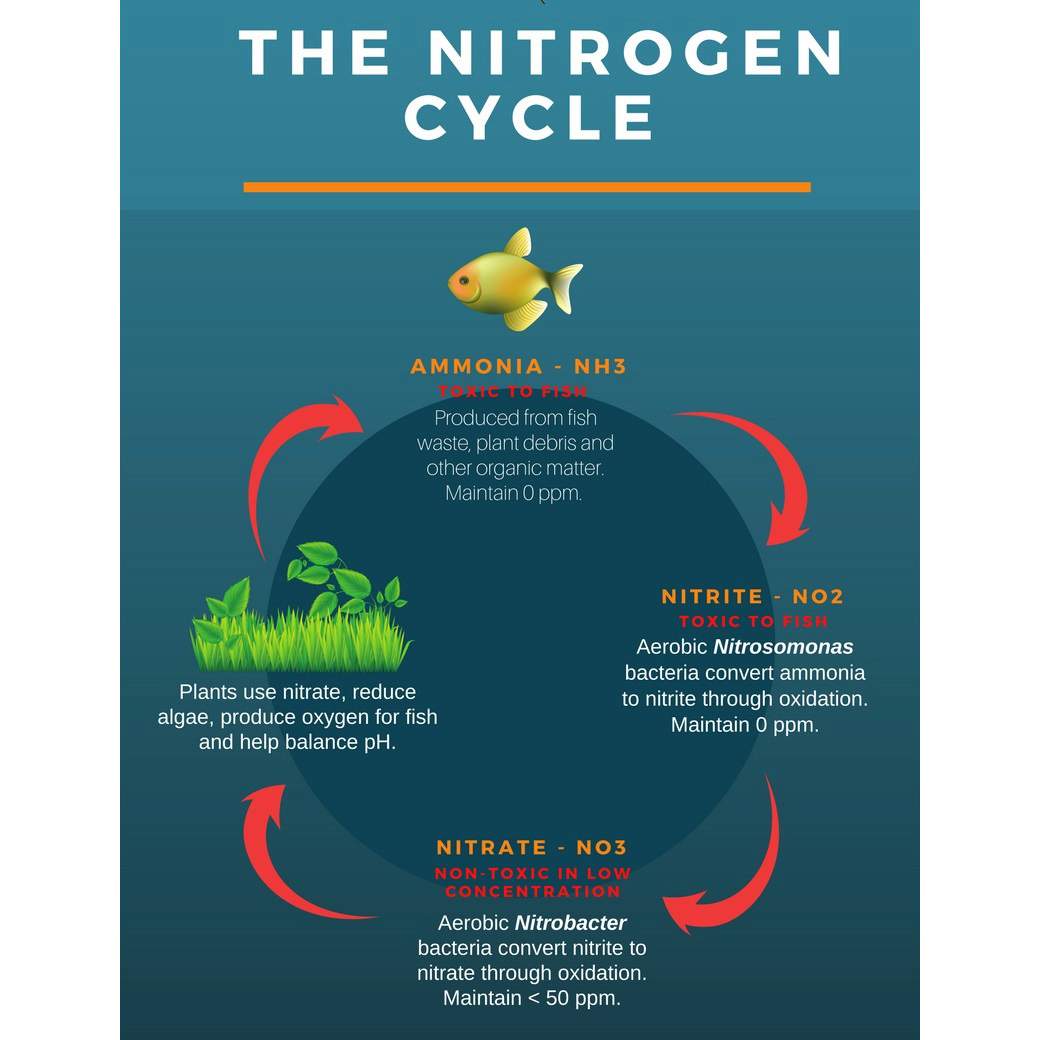
Nitrate (NO3-) is the end product of the nitrogen cycle. Fish waste, uneaten food, and decaying plants turn into ammonia, then nitrite, and finally nitrate. Low nitrate is fine, but high nitrate stresses fish, harms sensitive species, and fuels unwanted algae. Knowing why is the nitrate level in my aquarium high helps you act fast and protect your tank.
:strip_icc()/nitrates-in-the-aquarium-1381883_sourcefile-7bb5b3a043c843f2807555f605cf31b4.jpg)
Common causes of high nitrate levels in aquariums
Here are the usual reasons why is the nitrate level in my aquarium high:
- Overfeeding — Excess food breaks down and raises nitrate quickly.
- Overstocking — Too many fish produce more waste than bacteria can process.
- Infrequent water changes — Skipping changes lets nitrate build up over weeks.
- Poor filtration — Inadequate biofilter area reduces nitrate processing.
- Dirty substrate — Trapped debris in gravel or sand slowly releases nitrates.
- Decaying plants or decorations — Rotting matter is a steady nitrate source.
- Tap water and source nitrate — Some water supplies already contain nitrate.
- Ineffective maintenance routine — Not vacuuming or cleaning filter media regularly leads to accumulation.
Each cause is common. Finding the main cause in your tank makes solutions faster and more effective.
How to test and measure nitrate levels
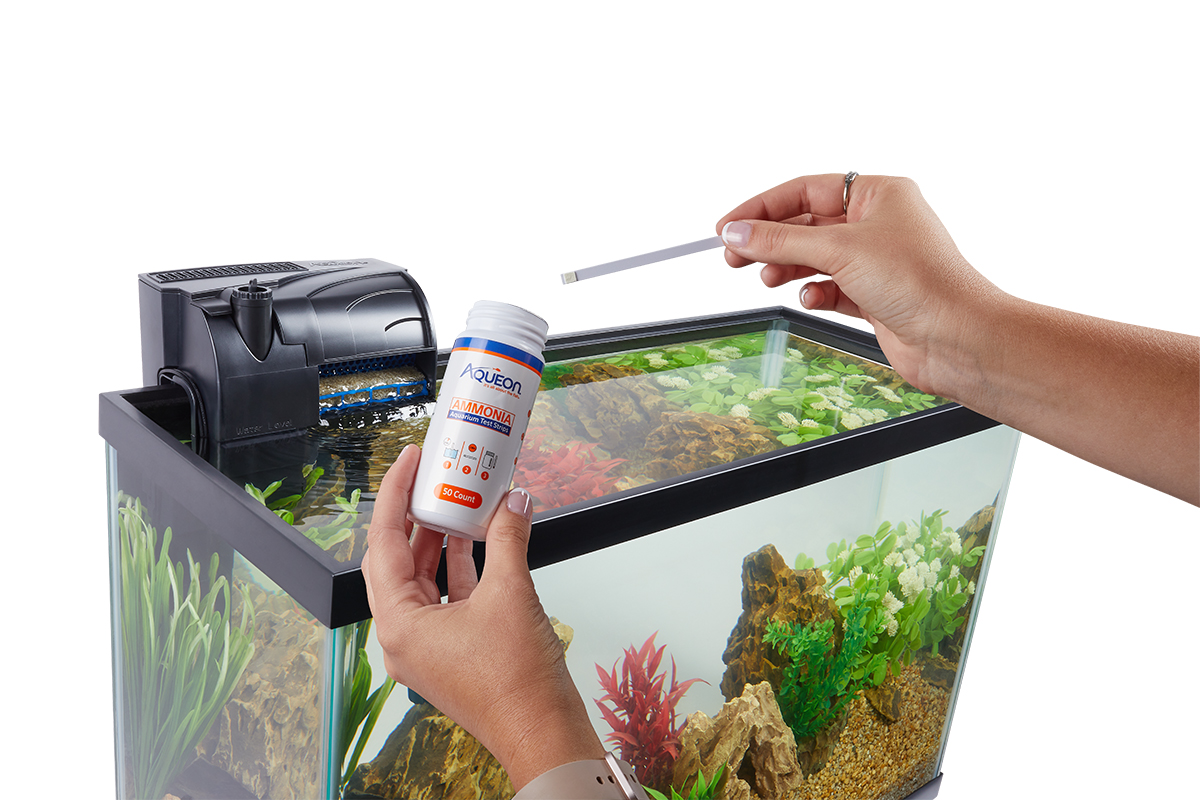
Follow these simple steps to check nitrate right now:
- Use a liquid test kit or strips — Liquid kits are more accurate for home tanks.
- Measure at the same time of day — Results vary after feeding or cleaning.
- Test both water and source — Check tap water to know the starting level.
- Record readings — Keep a log to spot trends and predict spikes.
Target ranges help guide action. For most freshwater tanks keep nitrate under 40 ppm. For planted or sensitive tanks aim under 20 ppm. Marine tanks often do best under 10–20 ppm. Regular testing answers the question why is the nitrate level in my aquarium high by showing when levels climb.
Practical steps to lower nitrates fast and safely
If you need a fast drop, use these safe methods:
- Perform a partial water change — Replace 25–50% of water to cut nitrates quickly. Use dechlorinated water with low nitrate.
- Vacuum the substrate — Remove trapped waste that breaks down into nitrate.
- Reduce feeding — Feed only what fish eat in two minutes and remove leftovers.
- Clean or replace filter media gently — Avoid destroying beneficial bacteria, and rinse media in tank water.
- Add fast-growing plants — Plants absorb nitrate quickly and reduce levels naturally.
- Use nitrate-absorbing media — Specific filter media can lower nitrate as a short-term fix.
- Test after each change — Check nitrate within 24 hours to measure effect.
Repeat water changes over days if nitrate stays high. Keep changes steady. Sudden large shifts in water chemistry stress fish.

Long-term strategies to prevent nitrates from rising
Preventing nitrate is easier than fixing a big spike. Use these long-term strategies:
- Set a regular maintenance schedule — Weekly partial water changes and monthly deep cleans work well.
- Match stocking to tank size — Follow recommended stocking levels for your aquarium.
- Optimize filtration — Use biological media with good surface area and keep flow strong.
- Introduce live plants or refugium — Plants and macroalgae create a natural nitrate sink.
- Feed sparingly and responsibly — Quality food and measured feeding reduces waste.
- Consider denitrification options for advanced tanks — Refugiums, deep sand beds, or specific filters can remove nitrate long-term.
- Monitor source water — Treat or mix water if tap nitrate is high.
These habits answer why is the nitrate level in my aquarium high before a problem starts. Consistency beats emergency fixes.
Personal experience and lessons learned
I once had nitrate climb above 100 ppm in a community tank. I fed too often and skipped weekly changes. The fish were stressed and algae covered the glass. I fixed it with staged 30% water changes, a thorough gravel vacuum, and a strict feeding plan. Within two weeks nitrate dropped to safe levels and the tank recovered.
Lesson learned: small, steady steps prevent big problems. Don’t overreact with harsh chemicals. Consistent care and good testing are your best tools to keep nitrate low. If you wonder why is the nitrate level in my aquarium high in the future, check your routine first.

Frequently Asked Questions of why is the nitrate level in my aquarium high
Can high nitrate suddenly harm my fish?
Yes. High nitrate slowly stresses fish and weakens their immune systems. Long exposure can lead to disease and reduced growth.
How often should I test nitrate levels?
Test weekly for most tanks and more often when diagnosing a spike. Frequent checks reveal trends before problems worsen.
Will adding plants always lower nitrate?
Plants help a lot but need light and nutrients to grow. Fast-growing plants reduce nitrate best, but alone they may not solve heavy loads.
Is a 50% water change safe to lower nitrate fast?
A 50% change is effective and usually safe if new water matches temperature and chemistry. Avoid multiple very large changes in short time.
Can filter bacteria remove nitrate completely?
Filter bacteria convert ammonia and nitrite to nitrate but do not remove nitrate well. Special setups or water changes are needed to lower nitrate levels.
Conclusion
High nitrate can come from many small choices. Regular testing, steady maintenance, and smart stocking solve most problems. Use the steps above to diagnose why is the nitrate level in my aquarium high and to build a plan that fits your tank. Start with a test today, make one change, and watch the trend improve. If you found this helpful, subscribe for more guides or leave a comment with your tank details so I can help.