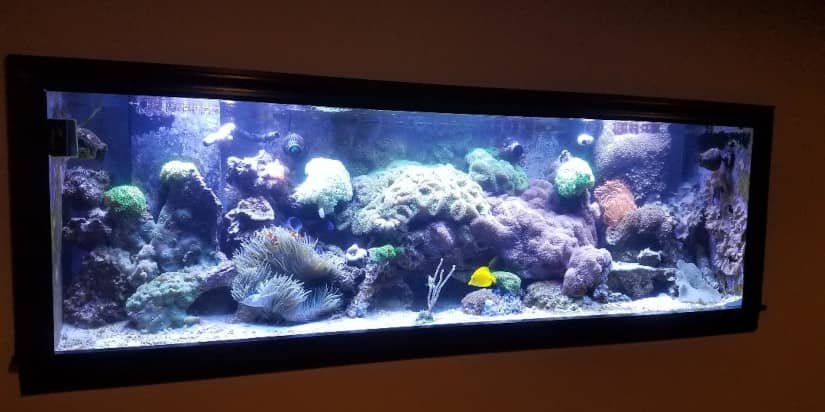
The nitrogen cycle keeps aquarium water safe by turning toxic fish waste into manageable nitrate.
I have kept and maintained freshwater and reef tanks for years, and I know how critical the nitrogen cycle is to healthy aquatic life. This article explains why is the nitrogen cycle important in aquarium systems, how it works, how to start and maintain it, common problems, and real-world tips from my experience so you can keep fish thriving and stress low. Read on for clear, actionable guidance backed by practical experience and industry knowledge.
What is the nitrogen cycle?
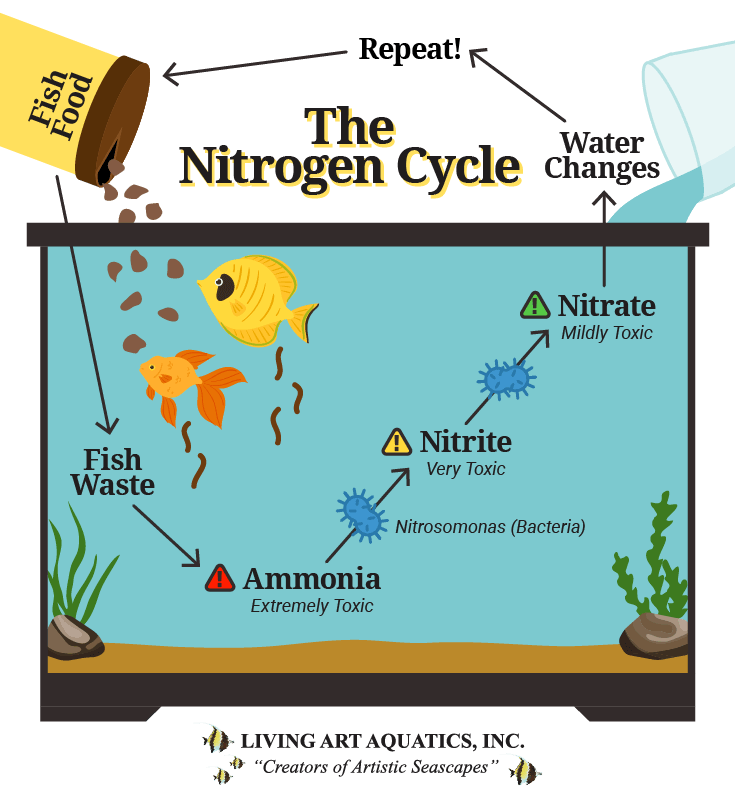
The nitrogen cycle is a natural chain of chemical changes driven by bacteria. It breaks down organic waste into simpler nitrogen forms. In aquariums, this process keeps water safe for fish and plants.
Key steps happen in filter media, substrate, and on hard surfaces. Beneficial bacteria colonize these places and do the heavy lifting. Understanding this cycle helps you prevent toxic spikes and long-term harm.
How the nitrogen cycle works in aquariums
The cycle proceeds in clear stages. Each stage produces or removes different nitrogen compounds.
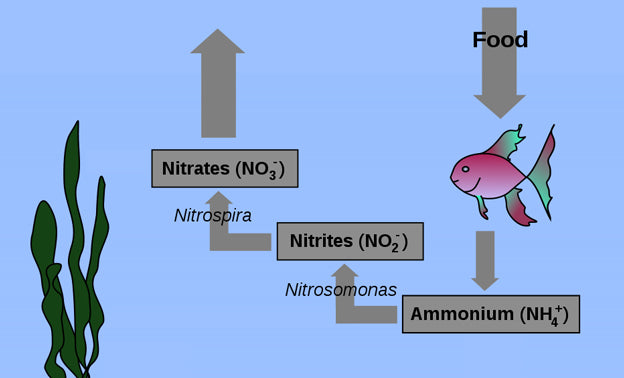
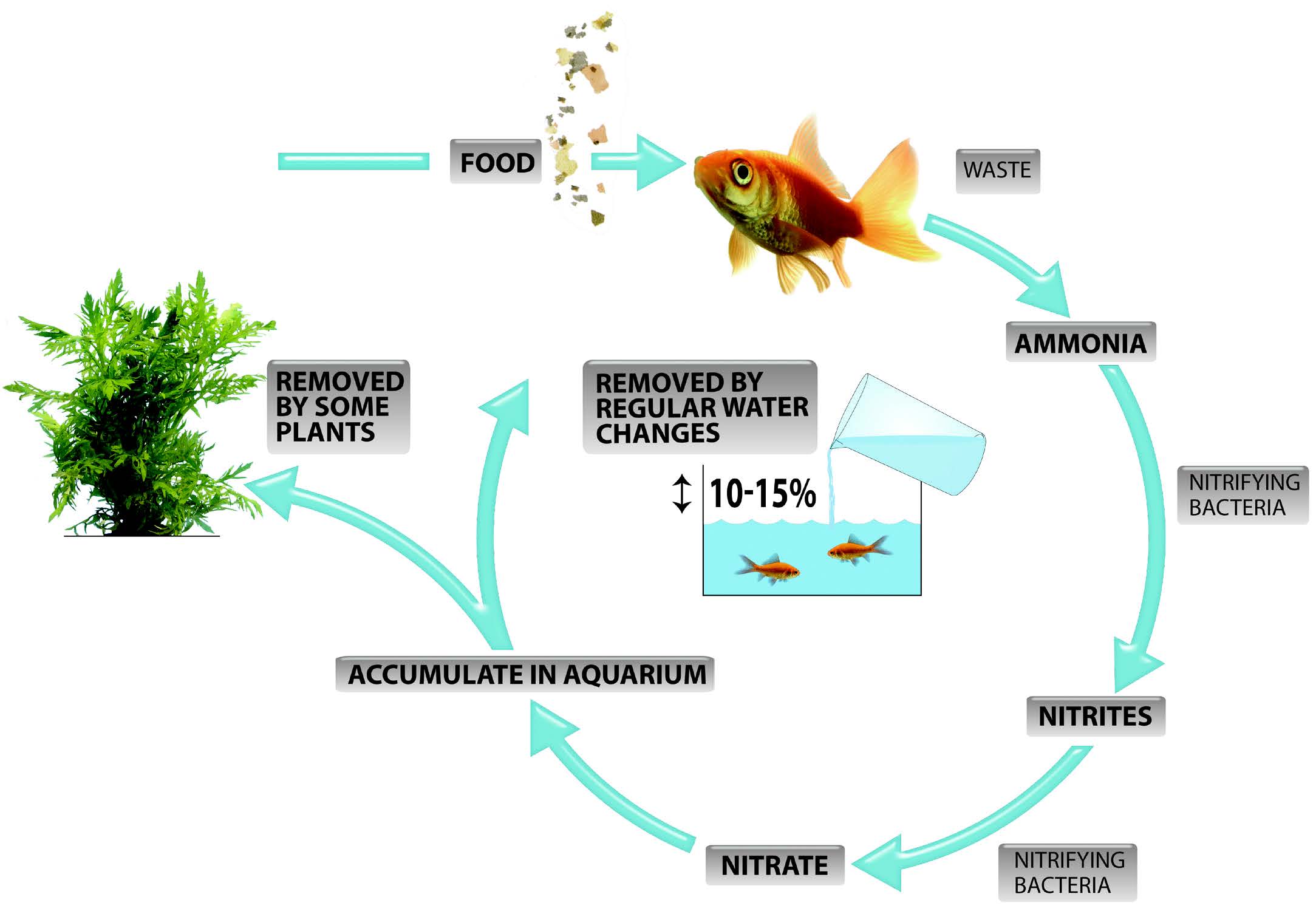
Ammonia production
- Fish, uneaten food, and decaying plants produce ammonia.
- Ammonia is highly toxic to fish even at low levels.
Nitrite formation
- Nitrosomonas bacteria convert ammonia into nitrite.
- Nitrite is also toxic and harms oxygen transport in fish blood.
Nitrate formation
- Nitrobacter and similar bacteria turn nitrite into nitrate.
- Nitrate is far less toxic and can be removed with water changes or consumed by plants.
Final removal
- Regular water changes, live plants, and denitrifying bacteria reduce nitrates.
- Deep substrate zones and specialized filters support denitrification under low-oxygen conditions.
Why is the nitrogen cycle important in aquarium
Understanding why is the nitrogen cycle important in aquarium care prevents fish loss and stress. The cycle controls toxic ammonia and nitrite levels. Without it, fish show rapid illness and deaths.
Here are the core reasons why the nitrogen cycle is important in aquarium:
- Protects fish from ammonia and nitrite poisoning.
- Stabilizes water chemistry for consistent, low-stress conditions.
- Supports beneficial bacterial colonies that maintain long-term balance.
- Reduces algae blooms by keeping waste compounds in check.
- Helps you plan maintenance like water changes and filter cleaning.
In my experience, tanks that skip proper cycling suffer recurring illness. When I started using fishless cycling and seeded filters, mortality dropped sharply. That is a direct example of why is the nitrogen cycle important in aquarium life — it is the foundation of a livable environment.
How to establish and maintain the nitrogen cycle
Start slow and be patient. Rushing leads to toxic spikes.
Steps to establish the cycle
- Choose a method: fishless cycling, seeded media, or slow fish-in.
- Add an ammonia source if fishless cycling, and test daily.
- Introduce filter media from an established tank to seed bacteria when possible.
- Monitor ammonia, nitrite, and nitrate until ammonia and nitrite fall to zero.
Maintenance tips
- Test water weekly, more often during new setups.
- Do regular partial water changes to control nitrate.
- Clean filters gently; avoid destroying bacterial colonies.
- Use live plants to consume nitrates naturally.
- Avoid overfeeding and overstocking to reduce waste input.
Personal tip from experience
- I once wiped filter foam too aggressively and caused an ammonia spike. Now I rinse media gently in tank water and replace a little media at a time. That habit prevented a second crash and helped the cycle remain stable.
Signs of nitrogen cycle problems and quick fixes
Watch fish behavior and test results. Quick responses prevent deaths.
Common signs
- Lethargy, gasping at the surface, or clamped fins indicate ammonia or nitrite stress.
- Sudden fish deaths without visible disease often point to toxic spikes.
- Persistent algae despite good light and nutrients can signal poor nitrogen balance.
Quick fixes
- Do immediate partial water changes to dilute toxins.
- Use a water conditioner that neutralizes ammonia/nitrite for emergencies.
- Add nitrifying bacteria products when starting or after filter cleaning.
- Reduce feeding and lower bio-load until test levels stabilize.
Common myths and mistakes
Avoid these traps that harm a tank’s nitrogen cycle.
Myth: New filter media is ready right away
- New media needs time and a bacterial seed to work. Adding seeded media speeds the process.
Myth: Frequent full cleanings help
- Full cleanings destroy bacterial colonies. Never clean all filter media at once.
Mistake: Overfeeding to “help fish grow”
- Excess food boosts ammonia and overwhelms the cycle. Feed less and monitor leftovers.

Frequently Asked Questions of why is the nitrogen cycle important in aquarium
How long does the nitrogen cycle take in a new aquarium?
Cycling typically takes 4 to 8 weeks, depending on temperature, bacterial seed, and bio-load. Using seeded media or fishless cycling can shorten that time.
Can live plants replace the nitrogen cycle?
Live plants help by absorbing nitrate and some ammonia, but plants cannot fully replace bacterial conversion. Plants and bacteria work best together for water quality.
Is it safe to add fish during the nitrogen cycle?
You can add a few hardy fish slowly, but this risks ammonia spikes. Fishless cycling is safer and avoids early losses.
How often should I test for ammonia, nitrite, and nitrate?
Test weekly in an established tank and daily during cycling or after issues. Frequent testing lets you catch spikes early.
What causes sudden ammonia or nitrite spikes?
Common causes are filter cleaning mistakes, overfeeding, dead fish, or insufficient bacterial colonies. Check tests and act fast with water changes.
Conclusion
A stable nitrogen cycle is the backbone of any healthy aquarium. It turns toxic waste into manageable forms, keeps fish safe, and makes maintenance predictable. Start your tank with patience, monitor levels, and treat beneficial bacteria as a living tool you must protect.
Take action today: test your water, plan a gentle cycling routine, and make small, consistent changes. Share your results or questions below and subscribe for more practical aquarium guidance.