Algae appears because of excess light, nutrients, and poor tank balance or maintenance.
As an aquarist and aquarium technician with years of hands-on experience, I’ll walk you through exactly why is there algae in my aquarium and how to solve it. This guide explains the root causes, the types of algae you’ll meet, simple tests to diagnose the problem, and proven fixes I’ve used in real tanks. Read on to gain clear, practical steps so your aquarium stays clean and healthy.

Why is there algae in my aquarium? Common causes
Algae show up when conditions favor their growth. The core drivers are excess light, too many nutrients (especially phosphate and nitrate), and poor aquarium balance. Overfeeding, weak filtration, and sudden changes in water chemistry also invite algae.
Common triggers include:
- Too much direct or long-duration light
- Overfeeding fish and not removing uneaten food
- High phosphate from tap water, fertilizers, or decaying plant matter
- Excess nitrate from overstocking or infrequent water changes
- Old, clogged filters or insufficient water flow
If you ask why is there algae in my aquarium, start by checking light, food, and water quality. Small fixes often stop algae before it takes over.

How algae grows: simple science you can use
Algae are simple plants or plant-like organisms that need three things: light, nutrients, and time. When a tank has steady light and a steady supply of phosphate or nitrate, algae reproduce fast. Temperature and pH can speed or slow growth, but light and nutrients are the main levers you can control.
How it plays out practically:
- Light gives algae energy to convert nutrients into biomass.
- Nitrate and phosphate serve as the algae’s food.
- Stable tanks with slow water changes let nutrients build up over weeks.
- New tanks often see brown algae (diatoms) because of silica and immature cycles.
When you think why is there algae in my aquarium, remember that algae are opportunists exploiting steady food and energy sources.
Types of aquarium algae and what they mean
Knowing the type of algae helps pick the right fix. Here are the usual suspects and what they signal.
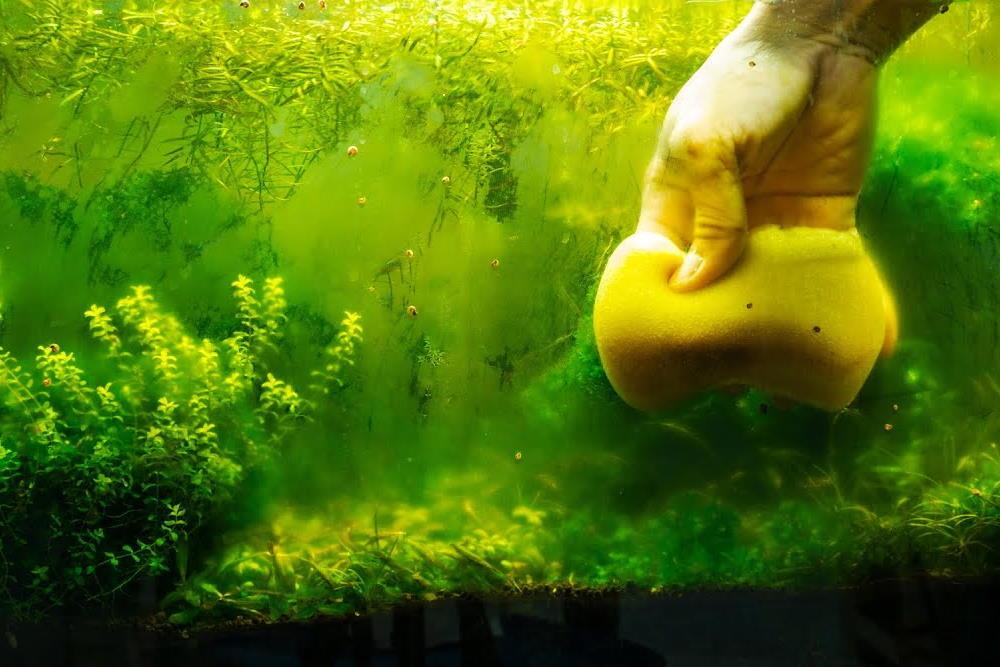
Green water
- Tiny free-floating algae that turn the water pea-green.
- Often caused by too much light and excess nutrients.
Green spot algae
- Small hard green dots on glass or plants.
- Indicates low phosphate or poor water circulation in spots.
Hair or thread algae
- Long strands that tangle plants and decor.
- Often from excess nutrients and too much light.
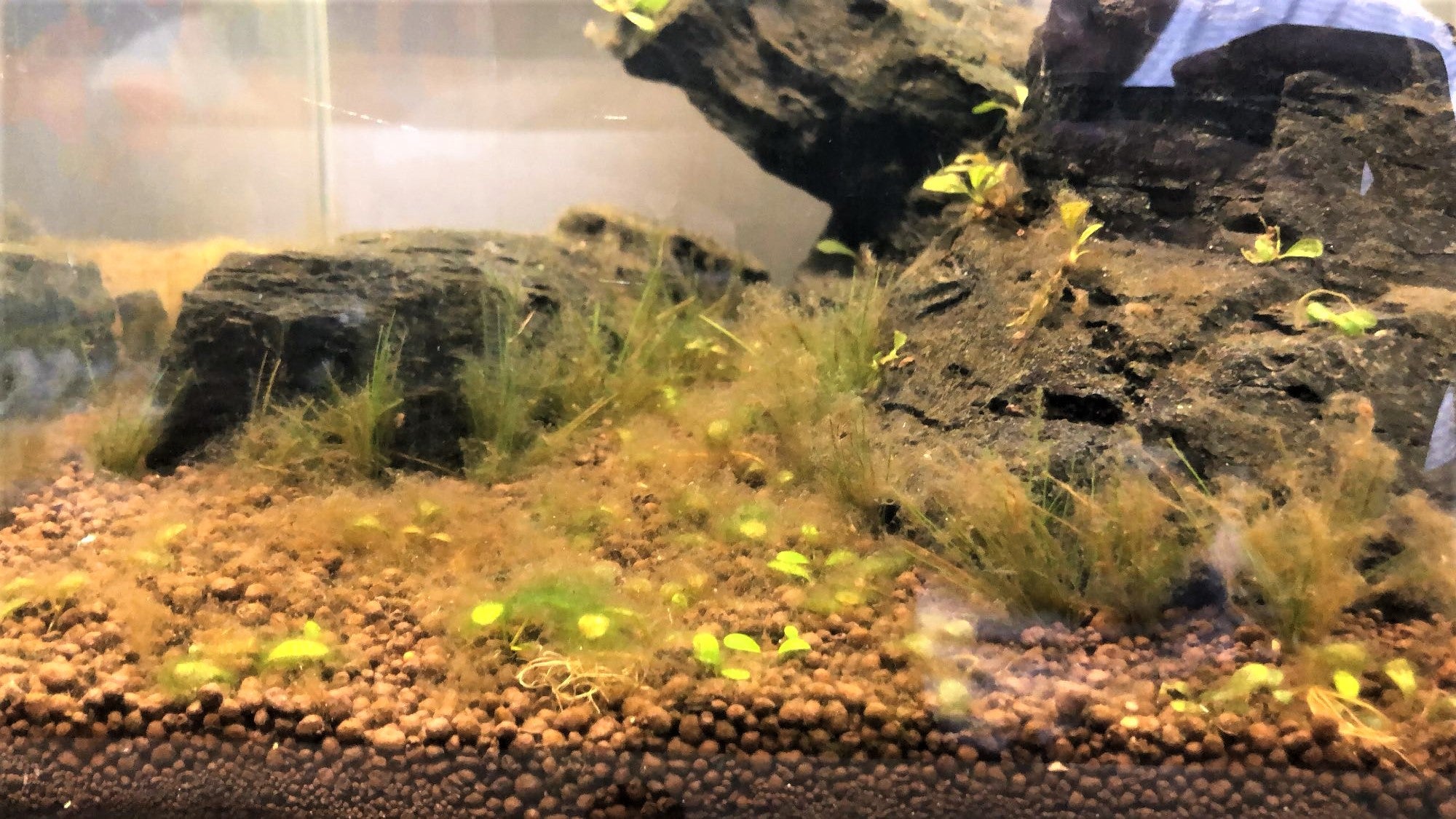
Diatoms (brown algae)
- Brown, dusty film common in new tanks.
- Usually linked to silica and low light or immature biofilter.
Black beard/black brush algae
- Tough dark tufts that cling to surfaces.
- Often triggered by sudden changes in CO2 or phosphate levels.
Blue-green algae (cyanobacteria)
- Slimy mats with a foul smell.
- Signals poor water flow, high phosphate, and organic buildup.
When diagnosing why is there algae in my aquarium, match the look and location of growth to these types and prioritize fixes accordingly.
How to diagnose algae problems step-by-step
A simple diagnostic routine helps you target the cause and avoid wasted effort.
Step 1 — Test water
- Use test kits for nitrate, phosphate, and ammonia.
- Record results and compare before and after fixes.
Step 2 — Inspect lighting
- Note hours of light and type of bulbs or LEDs.
- Check if tank gets direct sun.
Step 3 — Review feeding and stocking
- Count fish and note how often you feed.
- Watch for uneaten food after 2–3 minutes.
Step 4 — Check filters and flow
- Clean or replace media if clogged.
- Ensure return pumps provide good circulation.
Step 5 — Look at plants and decor
- Trim decaying leaves and remove organic debris.
- Quarantine new plants to avoid importing algae.
If you keep asking why is there algae in my aquarium, these steps will usually reveal the weak link.

Practical treatments and step-by-step fixes
Treatments should match diagnosis. Use physical removal, chemical fixes sparingly, and long-term habit changes for prevention.
Immediate fixes
- Perform a 25–50% water change to reduce nutrients.
- Manually remove visible algae with an algae scraper or siphon.
- Clean filter media in tank water to avoid killing beneficial bacteria.
Adjust lighting
- Reduce light to 6–8 hours daily and avoid direct sun.
- Replace old bulbs and use dimmer settings if available.
Nutrient control
- Cut feeding by 25–50% and feed only what fish eat in 2 minutes.
- Use phosphate-absorbing media if phosphate tests high.
- Add fast-growing live plants to outcompete algae.
Biological helpers
- Add algae eaters appropriate to your tank (snails, shrimp, certain fish).
- Use these as support, not sole solution.
Chemical options (use caution)
- Algaecides can help severe outbreaks but can harm plants and beneficial bacteria.
- Treat only when necessary and follow dosing instructions.
For persistent issues ask why is there algae in my aquarium repeatedly while adjusting one variable at a time. That method shows what truly works.
Prevention and a simple maintenance plan
Prevention beats cure. A routine keeps nutrients low and balance high.
Weekly routine
- 20–30% water change weekly for most tanks.
- Test nitrate and phosphate once a week until stable.
- Clean glass, perform light pruning, and siphon substrate.
Monthly tasks
- Rinse filter media in tank water and check flow.
- Replace carbon or phosphate media as needed.
- Inspect bulbs and LED timeline.
Good habits
- Feed sparingly and remove leftovers.
- Quarantine plants and new livestock.
- Keep a consistent light schedule on a timer.
When you regularly ask why is there algae in my aquarium and follow this plan, algae become rare, not constant.
:strip_icc()/brown-aquarium-algae-1378629-FINAL-757b9049c61d44faa2fa646ee3d319e7.png)
Common mistakes and lessons from my experience
I’ve kept tanks for years and made mistakes that taught me faster fixes. Here are real lessons from trials.
Lesson 1 — Overfeeding was my biggest mistake
- I once used too much flake food; algae exploded in three days.
- Cutting food and doing two big water changes cleared it within a week.
Lesson 2 — Lighting changes matter
- Switching to bright LEDs without adjusting hours caused hair algae.
- Reducing light time and adding floating plants solved it.
Lesson 3 — Rushing treatments can backfire
- I once used a shock chemical and lost plants due to low bacteria resilience.
- Now I prefer gradual fixes and test often.
These experiences show that answering why is there algae in my aquarium often means adjusting simple daily habits.

Frequently Asked Questions of why is there algae in my aquarium
Why does algae suddenly appear after a water change?
A sudden bloom can follow a water change because light, temperature, or nutrient balance shifted. Gradual changes and partial water changes reduce the shock that favors algae growth.
Can I stop algae without chemicals?
Yes. Most algae are controlled by reducing light, lowering nutrients, performing regular water changes, and adding live plants or algae eaters. Chemicals should be a last resort for severe or stubborn outbreaks.
Are aquarium algae harmful to fish?
Most common algae are not directly harmful to fish, but heavy blooms reduce oxygen and harm plants. Cyanobacteria can be toxic in large mats and should be removed promptly.
How long does it take to get rid of algae?
Mild outbreaks can clear in a week with proper action; severe issues may take several weeks of consistent maintenance. Treat one variable at a time and monitor test results for progress.
Can new plants bring algae into my tank?
Yes, new plants, decor, or even driftwood can carry algae spores. Quarantine and rinse new additions, and trim foliage to reduce the risk.
Conclusion
Algae in aquariums is almost always a sign of imbalance: too much light, too many nutrients, or irregular maintenance. By testing water, adjusting light, cleaning regularly, and using targeted fixes, you can regain control and keep your tank healthy. Start with small, consistent steps this week — reduce feeding, shorten light time, and do a partial water change — and you’ll see results fast. Share your results, ask questions, or subscribe for more practical aquarium care tips.