
Providing oxygen is vital for your aquarium because fish and beneficial bacteria need it to breathe and survive.
As a long-time aquarium enthusiast, I've learned that the most beautiful tanks aren't just about colorful fish and fancy decorations. They are about creating a thriving, balanced ecosystem. A critical, yet often overlooked, part of that ecosystem is something you can't even see: dissolved oxygen. Understanding why it is important to provide oxygen to the water in your aquarium is the key that unlocks a healthier, more vibrant underwater world for your pets. Let's dive into what makes this invisible element so essential for your aquatic friends.

The Unseen Hero: Why Oxygen is the Lifeblood of Your Aquarium
When we think of breathing, we imagine lungs filling with air. Fish, however, live in a completely different world. They rely on dissolved oxygen, which are tiny oxygen molecules mixed into the water. They pull this oxygen from the water using their gills. Without enough of it, they simply cannot survive. It's like asking a person to thrive in a room with very little air.
But it’s not just about the fish. Your aquarium's filter is home to colonies of beneficial bacteria. These microscopic powerhouses are crucial for breaking down harmful waste like ammonia and nitrite, a process known as the nitrogen cycle. These good bacteria are aerobic, meaning they also require a constant supply of oxygen to do their job. If oxygen levels drop, this vital biological filtration can collapse, leading to a spike in toxins that can be fatal to your fish. This is another core reason why it is important to provide oxygen to the water in your aquarium.
The primary way oxygen enters the water is through a process called gas exchange, which happens at the water's surface. Think of the surface of your tank as a giant lung. It's where carbon dioxide leaves the water and oxygen enters. The more the surface is disturbed or agitated, the more efficient this gas exchange becomes. This is a fundamental concept in understanding why it is important to provide oxygen to the water in your aquarium.
:strip_icc()/low-oxygen-in-aquarium-water-1381215_sourcefile-8b8a80e64aef4b48868b53e1d55936aa.jpg)
Telltale Signs Your Fish Are Gasping for Air
Your fish will give you clear signals when oxygen levels are too low. Learning to spot these signs is one of the most important skills an aquarist can have. The most obvious sign is when you see your fish gasping for air at the water's surface. They are trying to breathe from the thin, oxygen-rich layer right at the top.
Another common symptom is rapid gill movement. If you notice your fish's gills flapping much faster than usual, they are working overtime to extract what little oxygen is available. You might also see them become lethargic and inactive, often resting at the bottom of the tank. A lack of oxygen can also cause them to lose their appetite.
I remember an early experience with a ten-gallon tank. I thought the gentle outflow from my internal filter was enough. But one warm summer day, I noticed my normally active guppies were all hovering near the surface, looking sluggish. I realized the warmer water held less oxygen, and my setup wasn't providing enough surface movement. It was a stressful but valuable lesson in why it is important to provide oxygen to the water in your aquarium and to always observe your fish's behavior.
Simple and Effective Ways to Boost Oxygen Levels
Fortunately, increasing the oxygen in your aquarium is easy and inexpensive. You don't need complex equipment to ensure your fish can breathe comfortably. The main goal is to increase surface agitation, which dramatically improves gas exchange and highlights why it is important to provide oxygen to the water in your aquarium.
Here are some of the most effective methods:
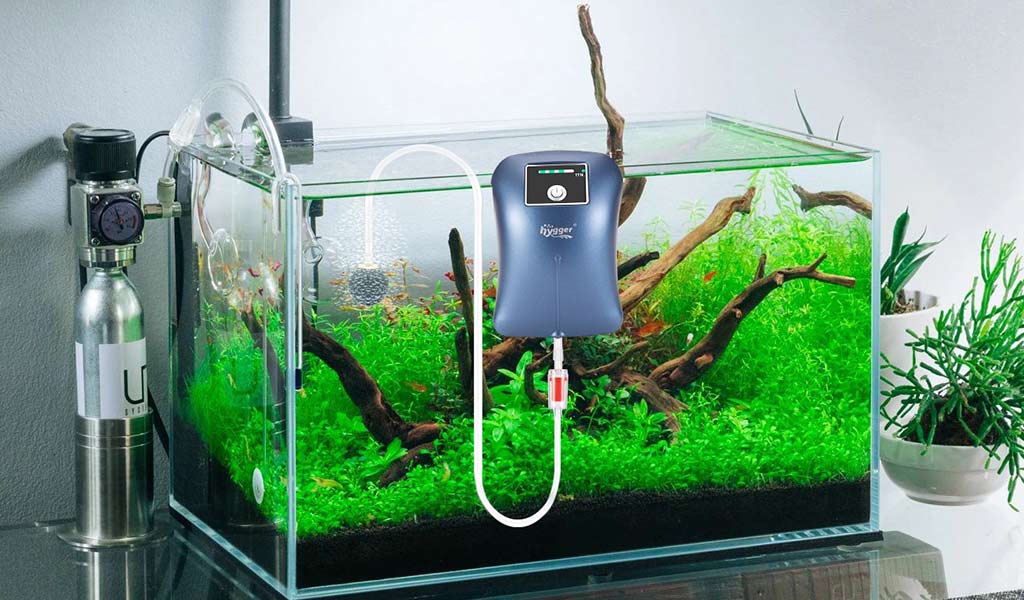
- Air Pumps and Air Stones: This classic combination is a fantastic way to boost oxygen. An air pump pushes air through a tube to an air stone, which creates a stream of bubbles. While the bubbles themselves don't add much oxygen directly, their movement as they rise and pop at the surface creates significant agitation, promoting gas exchange.
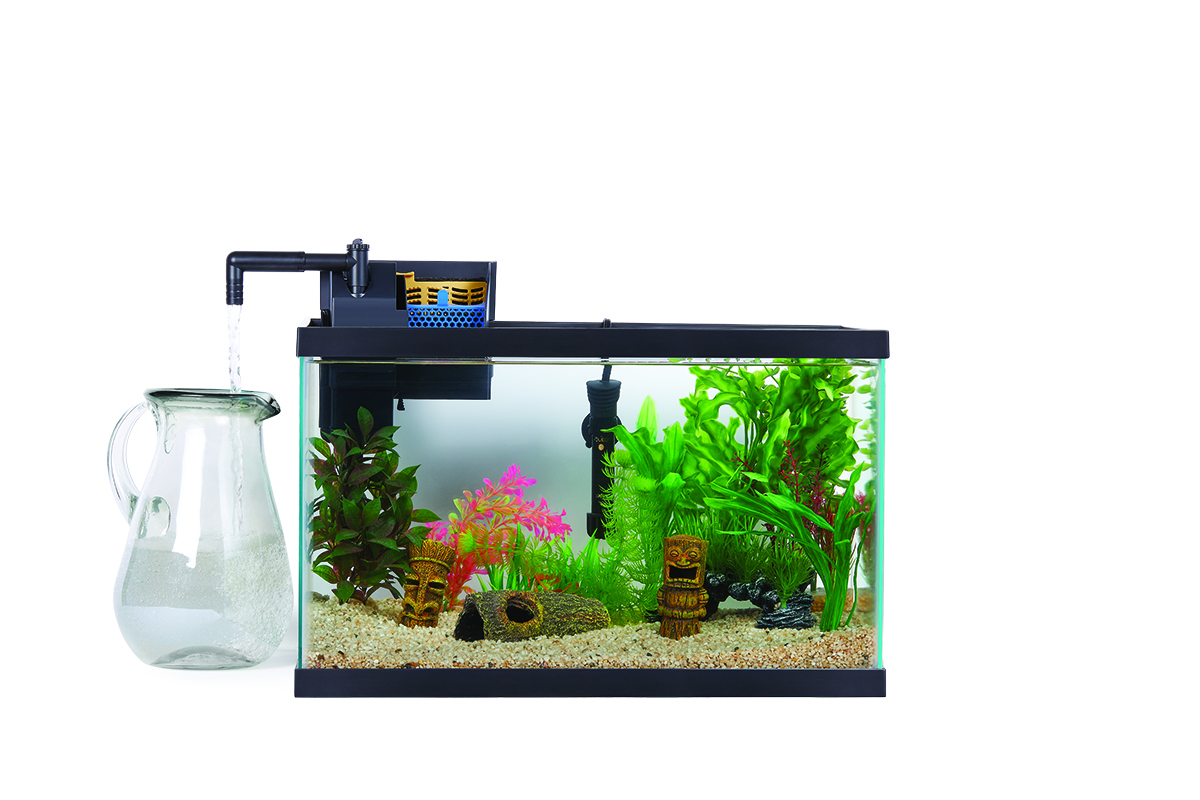
- Filter Outflow: The type of filter you use can make a big difference. Hang-on-back filters create a waterfall effect that constantly churns the surface. Canister filters can be fitted with a spray bar positioned just at or above the waterline to create a ripple effect across the tank.
- Powerheads and Wavemakers: These devices are designed to create water currents. By aiming a powerhead toward the surface, you can create constant movement and ensure that oxygen is being properly dissolved into the water.
- Live Plants: Aquatic plants produce oxygen during the day through photosynthesis, which is a great natural boost. However, remember that at night, they do the opposite and consume oxygen. It’s important to not rely on plants as your sole source of aeration, especially in a heavily stocked tank.
Understanding these tools reinforces why it is important to provide oxygen to the water in your aquarium for long-term success. Simple adjustments to your equipment can make a world of difference for the health of your aquatic pets.
Frequently Asked Questions of why it is important to provide oxygen to the water in your aquarium
Do I need an air pump if I have a good filter?
Not always. If your filter's outflow creates plenty of surface agitation, like a waterfall or strong ripples across the entire surface, you may not need an additional air pump. However, an air pump is a great backup and provides extra peace of mind.
Can you have too much oxygen in a fish tank?
It is extremely difficult to create a situation with too much oxygen in a home aquarium using standard equipment like air stones and filters. The concern is usually too little oxygen, not too much. Your fish will be perfectly fine with high levels of surface agitation.
Do live plants provide enough oxygen for fish?
Live plants are excellent at producing oxygen during the day when the lights are on. However, they consume oxygen at night, which can sometimes lead to a dangerous drop in levels before morning. It is wise to have a primary aeration method that runs 24/7.
Does warmer water hold less oxygen?
Yes, this is a critical fact for all aquarists. As water temperature increases, its ability to hold dissolved oxygen decreases. This is why it's especially important to ensure good aeration during hot summer months.
How do I know for sure if my oxygen is low?
The most reliable signs are your fish's behavior, such as gasping at the surface or rapid gill movement. While dissolved oxygen test kits exist, observing your fish is often the quickest and most effective way to spot a problem.
Conclusion
Ensuring your aquarium has adequate oxygen is not just a suggestion; it is a fundamental requirement for a healthy aquatic ecosystem. From allowing your fish to breathe easily to supporting the beneficial bacteria that keep your water clean, oxygen is the invisible force that sustains life in your tank. By creating plenty of surface agitation with filters, air stones, or powerheads, you are taking the single most important step toward a thriving underwater world.
Take a moment to look at your aquarium right now. Is the surface calm and still, or is it shimmering with movement? Your fish are counting on you to keep their water full of life-giving oxygen. Now that you know why it is important to provide oxygen to the water in your aquarium, you can make sure they never have to gasp for breath. What's your favorite method for keeping your tank well-aerated? Share your setup in the comments below