Providing oxygen to your aquarium is essential for fish survival, as they need it to breathe and thrive.
As a long-time aquarium enthusiast, I've learned that the most beautiful tank is a healthy one. The invisible element that makes it all possible is oxygen. Understanding why it is important to provide oxygen to the water in your aquarium is the first step from being a fish keeper to a true aquarist. This guide will walk you through everything you need to know to ensure your aquatic pets are happy, healthy, and breathing easy.

The Unseen Hero: Understanding Dissolved Oxygen
Think of oxygen in your aquarium water like the air we breathe. Fish don't breathe water itself; they absorb dissolved oxygen from it through their gills. This invisible gas is the life force of your underwater ecosystem, supporting not just your fish but also the beneficial bacteria that keep your tank clean. This process is all about gas exchange.
The primary way oxygen enters your tank is at the water's surface. Oxygen from the air dissolves into the water, while carbon dioxide from the fish is released. The more the water's surface is disturbed or agitated, the more efficient this exchange becomes. A still, stagnant surface is like a closed window in a stuffy room, limiting the flow of fresh air. Understanding this simple principle is key to learning how to properly provide oxygen to the water in your aquarium.
:strip_icc()/low-oxygen-in-aquarium-water-1381215_sourcefile-8b8a80e64aef4b48868b53e1d55936aa.jpg)
Why Your Fish Are Gasping for Air: Signs of Low Oxygen
Your fish can't tell you when they're struggling to breathe, but they will show you. Learning to spot the signs of low oxygen, or hypoxia, is a crucial skill for any aquarist. It allows you to act quickly before it's too late. I once noticed my usually active tetras hovering near the top of the tank, which was my first clue something was wrong.
Here are the most common signs of oxygen deprivation to watch for:
- Gasping at the surface. This is the most obvious sign. Fish will swim to the top and appear to be "breathing" air. They are trying to get oxygen from the thin, oxygen-rich layer right at the surface.
- Rapid gill movement. If you see your fish's gills flapping faster than usual, they are working harder to extract enough oxygen from the water.
- Lethargy and inactivity. Fish that are normally active may become sluggish, resting at the bottom of the tank or seeming uninterested in their surroundings.
- Loss of appetite. A stressed fish often refuses to eat. If your fish suddenly ignores food, low oxygen could be the culprit.
Recognizing these symptoms early helps you address the root cause and is a critical part of knowing why it is important to provide oxygen to the water in your aquarium.
Factors That Steal Oxygen from Your Aquarium Water
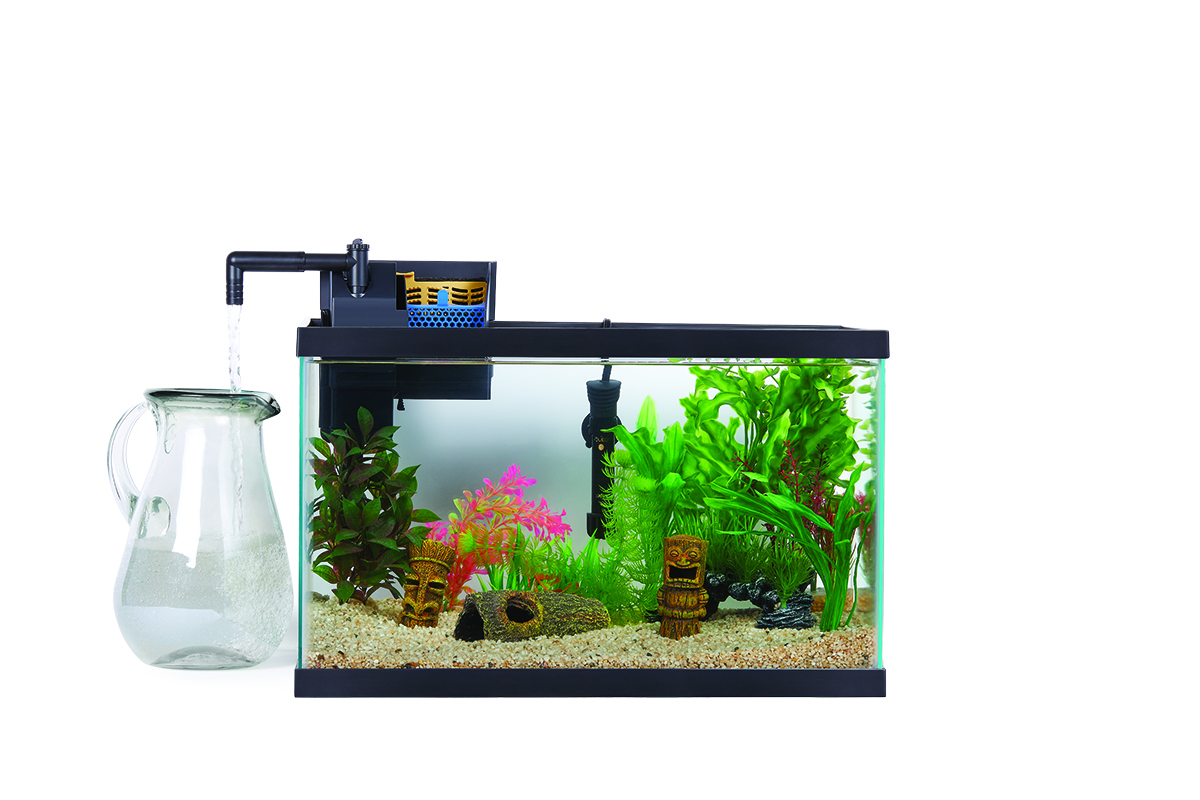
Oxygen levels in your tank are not static; they can drop for several reasons. Identifying these factors is the first step toward preventing a low-oxygen crisis. Many newcomers don't realize that a few simple mistakes can quickly deplete the available oxygen for their fish.
High Water Temperature
There's a direct scientific relationship between water temperature and dissolved oxygen. Warmer water simply cannot hold as much oxygen as cooler water. This is especially important to monitor during summer months or if you use a powerful heater for tropical fish.
Overstocking
This is one of the most common mistakes in the hobby. Every fish in your tank consumes oxygen and releases carbon dioxide. The more fish you have, the faster the oxygen is used up. A crowded tank is a recipe for an oxygen-deprived environment.
Decomposing Waste
All the waste in your aquarium, from fish poop to uneaten food and dying plant matter, feeds colonies of beneficial bacteria. While these bacteria are essential for breaking down harmful ammonia, the process itself, known as the nitrogen cycle, consumes a large amount of oxygen. A dirty tank is an oxygen-poor tank.
Lack of Water Movement
As we discussed, gas exchange happens at the surface. If the water is still and stagnant, this process slows to a crawl. This is why it is so important to provide oxygen to the water in your aquarium by ensuring proper water circulation.
Simple and Effective Ways to Provide Oxygen to the Water in Your Aquarium
The good news is that boosting oxygen levels is easy and inexpensive. You don't need fancy equipment to create a healthy, oxygen-rich home for your fish. The best methods are often the simplest ones that focus on improving surface agitation.
Increase Surface Agitation
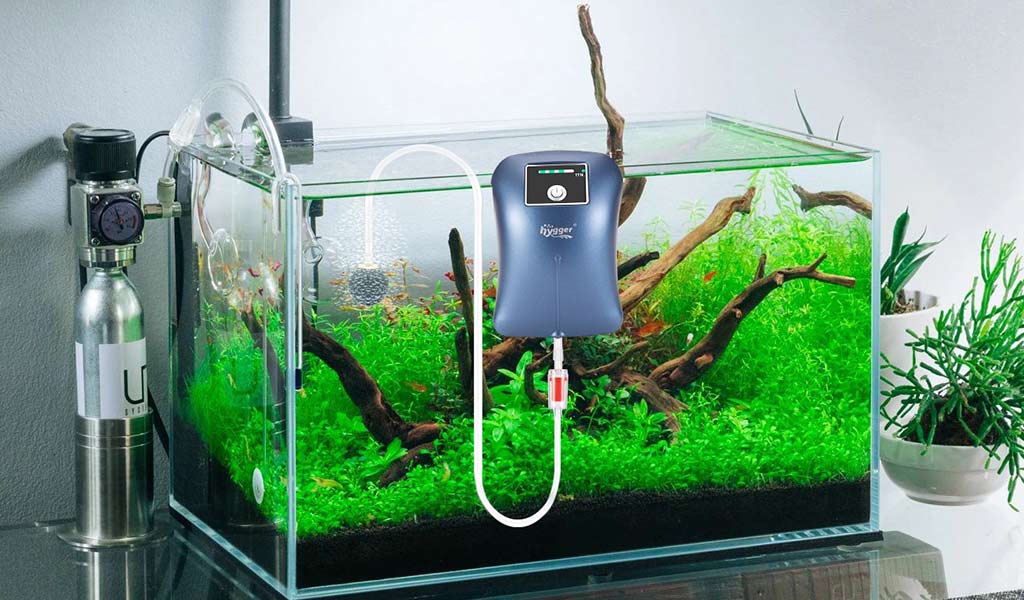
This is the number one way to provide oxygen to the water in your aquarium. The goal is to create ripples and waves on the water's surface. You can do this by positioning your filter's output nozzle so it disturbs the surface. If you have a canister filter, aiming the spray bar upwards towards the surface works wonders.
Use an Air Pump and Air Stone
An air pump connected to an air stone is a classic and highly effective tool. A common misconception is that the bubbles themselves add oxygen. While a tiny amount does dissolve from the bubbles, their real power comes from creating massive surface agitation as they rise and pop, promoting gas exchange.
Perform Regular Water Changes
Performing regular partial water changes does more than just remove nitrates. The fresh, dechlorinated water you add is typically saturated with oxygen, giving your tank an instant boost. This simple maintenance task is vital for a healthy aquatic environment.
Add Live Plants
Live aquatic plants are fantastic natural oxygenators. Through photosynthesis, they absorb carbon dioxide and release oxygen during the day. While they do consume some oxygen at night, their net effect is a significant increase in the tank's overall oxygen levels.
Frequently Asked Questions
Do aquarium plants produce enough oxygen for fish?
In a lightly stocked, heavily planted tank (like the Walstad method), plants can produce enough oxygen. However, for most standard community aquariums, it is safer to rely on a filter and surface agitation to ensure consistent oxygen levels, especially at night.
Can you have too much oxygen in an aquarium?
It is nearly impossible to create too much oxygen in a home aquarium using common methods like air stones and filters. The condition, called gas bubble disease, is extremely rare and usually associated with faulty equipment or sudden pressure changes, not standard aeration.
How long can fish survive without an air pump?
This depends entirely on the tank's stocking level, temperature, and surface agitation from the filter. A lightly stocked tank with a good filter agitating the surface may not need an air pump at all. A heavily stocked tank could run into trouble within hours during a power outage.
Does my filter provide enough oxygen for my tank?
Often, yes. A hang-on-back or canister filter that creates significant ripples and surface movement can provide plenty of oxygen for a properly stocked tank. The key is the amount of surface agitation it creates.
Do I need to run my air pump 24/7?
Yes, it is highly recommended. Your fish and the beneficial bacteria in your filter need a constant supply of oxygen day and night. Turning off the air pump at night can lead to a dangerous drop in oxygen levels.
Conclusion
Creating a thriving underwater world is about balancing many elements, but oxygen is arguably the most vital. By understanding how oxygen enters the water, recognizing the signs of deficiency, and implementing simple aeration methods, you ensure your fish can breathe easy. The health and vibrancy of your aquatic pets depend on this unseen but essential element.
Now is the perfect time to take a quick look at your aquarium. Are there gentle ripples on the surface? Your fish will thank you for it. What's your favorite way to provide oxygen to the water in your aquarium? Share your tips and experiences in the comments below