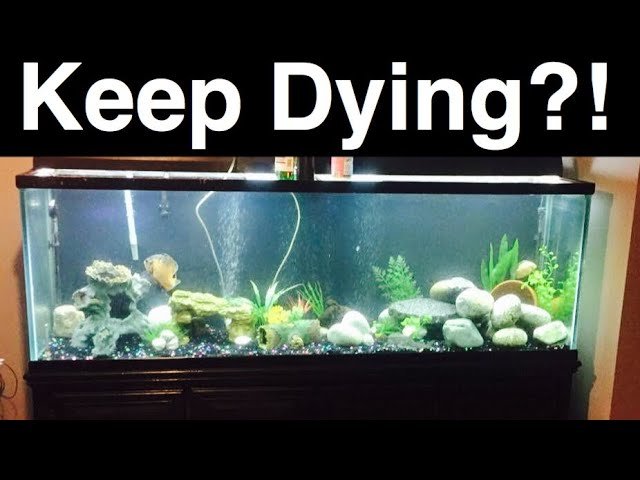
Most aquarium fish die from poor water quality, often caused by invisible toxins like ammonia from waste and overfeeding.
It is a truly sinking feeling. You walk over to your beautiful aquarium, ready to enjoy the peaceful sight of your fish, only to find one of them is no longer with us. I've been there, and it's heartbreaking. As an aquarist with years of experience, I know the frustration and confusion that follows. You start to wonder, "Why are the fishes are dying in aquarium when I'm trying so hard?" This guide is here to be your friendly expert, to walk you through the common, often invisible, reasons this happens and empower you to create a thriving underwater world for your pets.
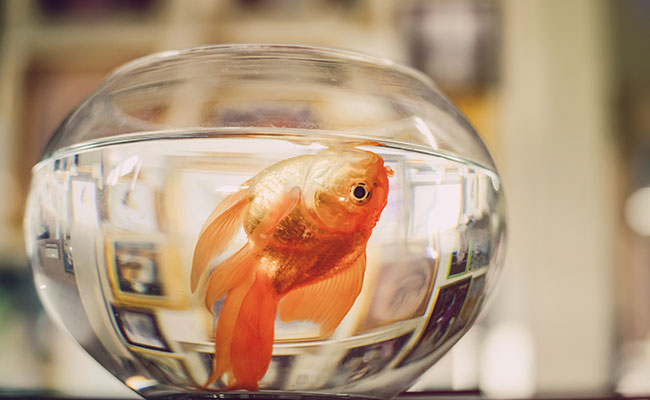
The Invisible Killer: Poor Water Quality
The number one reason why the fishes are dying in aquarium is almost always related to the water. You can't see the most dangerous problems. Your tank water might look crystal clear, but it could be hiding deadly toxins. It all comes down to something called the nitrogen cycle, which is like a tiny, natural waste management system for your tank.
When fish eat, they produce waste. That waste, along with any uneaten food, breaks down and releases a chemical called ammonia. Ammonia is extremely toxic to fish. In a healthy, established aquarium, beneficial bacteria grow on your filter media and gravel. These good bacteria eat the ammonia and turn it into another chemical called nitrite. Nitrite is also very toxic. A second type of beneficial bacteria then eats the nitrite and turns it into nitrate. Nitrate is much less harmful and is removed with regular water changes. This is the nitrogen cycle. When it isn't working right, you will quickly see why the fishes are dying in aquarium.
Ammonia Poisoning: The Silent Threat
Ammonia is the first and most dangerous toxin in a new tank. It can build up very quickly, especially in a small aquarium. Fish exposed to ammonia will have trouble breathing. You might see them gasping at the surface. Their gills may look red or purple, and they might become lethargic. High ammonia levels are a primary culprit when fish die suddenly.
Nitrite and Nitrate Issues
After ammonia comes nitrite. If the right bacteria aren't there to process it, nitrite levels will spike. Nitrite poisoning is a serious issue that stops your fish's blood from carrying oxygen. Fish suffering from this may look like they are suffocating even with plenty of water movement. Finally, while nitrates are less toxic, very high levels can still stress fish and lead to health problems over time, contributing to the reasons why the fishes are dying in aquarium.
The Importance of pH and Hardness
Besides the nitrogen cycle, other water parameters matter. The pH level tells you if your water is acidic or alkaline. Different fish species come from different parts of the world and need specific pH levels. A sudden swing in pH can be very stressful or even fatal. Water hardness (GH and KH) is also important for a fish's biological functions. Always research the specific needs of the fish you keep.

Overfeeding: A Common Beginner's Mistake
We love our fish and want to make sure they are well-fed. Unfortunately, one of the kindest gestures can become one of the biggest problems. Overfeeding is a massive contributor to poor water quality. It’s a very common reason why the fishes are dying in aquarium, especially for new hobbyists.
When you give your fish too much food, the uneaten bits sink to the bottom. There, they rot and decompose. This process produces a huge amount of ammonia, which can overwhelm your tank's beneficial bacteria. This sudden ammonia spike can poison your fish. A good rule of thumb is to only feed your fish what they can completely consume in about one to two minutes, once a day. Their stomachs are tiny, about the size of their eye.

Stress and Disease: A Vicious Cycle
Just like people, fish can get stressed. Stress weakens a fish’s immune system, making them much more likely to get sick. A sick fish in a stressed environment is a recipe for disaster. This cycle is a hidden but significant factor in understanding why the fishes are dying in aquarium.
Common Stressors in an Aquarium
Several things can cause stress for your fish. Identifying and fixing them is key to their health.
- Poor water quality is the biggest stressor.
- Incompatible tank mates can lead to bullying and injury.
- An overcrowded tank or a tank that is too small creates constant stress.
- Sudden changes in water temperature can shock a fish's system.
- Not acclimating new fish properly is a huge shock to their bodies.
Recognizing Common Fish Diseases
When a fish is stressed, it can easily fall prey to diseases that are often present in the water. Look out for common signs. Ich, or White Spot Disease, looks like tiny grains of salt sprinkled on your fish's body and fins. Fin rot causes the fins to look frayed, torn, or milky at the edges. If you see a fish struggling to swim upright, it might have a swim bladder issue. Early detection is crucial for treatment.

Tank Setup and Maintenance Mistakes
Sometimes, the problem begins before you even add the fish. A common mistake is called "New Tank Syndrome." This happens when you add fish to a brand-new aquarium before the nitrogen cycle has been established. Without the beneficial bacteria, ammonia and nitrite levels skyrocket, which is a major reason why the fishes are dying in aquarium setups. It is vital to cycle your tank for a few weeks before adding fish.
Your filter is the heart of your aquarium. It not only cleans the water but also houses most of the beneficial bacteria. Using a filter that is too small for your tank size means it can't handle the waste load. Also, a common mistake is to clean the filter media too thoroughly or with tap water. The chlorine in tap water will kill your beneficial bacteria, causing your cycle to crash and leading to fish loss.
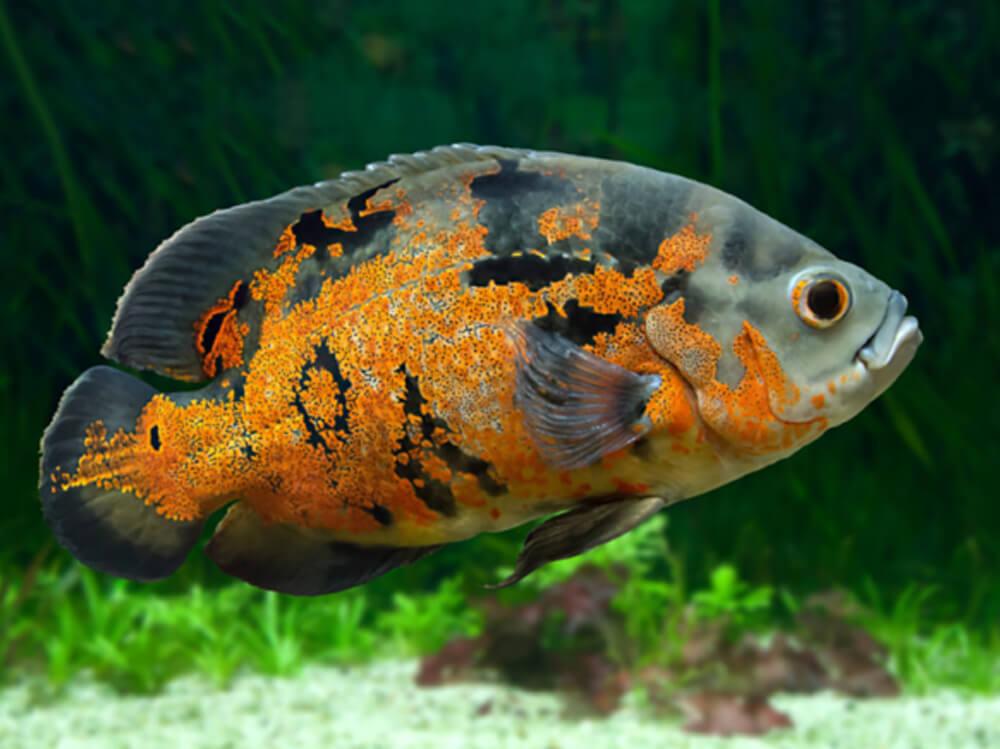
A Checklist to Save Your Fish
If you notice your fish are acting strangely or you've experienced a loss, don't panic. Act quickly by following this simple checklist. This can help you diagnose why the fishes are dying in aquarium and prevent further losses.
- Test your water parameters immediately. Check for ammonia, nitrite, nitrate, and pH. This is your most important clue.
- Perform a partial water change. A 25-30% water change can help dilute harmful toxins and provide immediate relief.
- Check your filter. Make sure it is running properly and that the intake isn't clogged.
- Observe all fish closely. Look for any signs of disease, injury, or unusual behavior like gasping or hiding.
- Stop feeding for a day or two. This will reduce the amount of waste being produced in the tank while you solve the problem.

Frequently Asked Questions of why the fishes are dying in aquarium
Why did my fish die suddenly with no signs?
Sudden death is often caused by a sharp spike in ammonia or nitrite, or a sudden temperature change. These "invisible" problems can be fatal before physical symptoms appear, which is a key reason why the fishes are dying in aquarium unexpectedly.
How often should I clean my fish tank?
A partial water change of 20-30% once a week is a good routine for most aquariums. Never do a full water change, as this can crash your tank's beneficial bacteria cycle.
Can I add new fish to my tank right away?
No, you should always quarantine new fish in a separate tank for 2-4 weeks before adding them to your main aquarium. This prevents the introduction of diseases that could harm your existing fish.
Is it normal for fish to die?
While losing a fish is never easy, it is a part of the hobby, especially when you are learning. Fish have natural lifespans, and sometimes underlying health issues are not apparent. The goal is to create a stable environment to minimize preventable deaths.
Why are my fish staying at the top of the tank?
Fish gasping at the surface are usually trying to get more oxygen. This is a classic sign of high ammonia or nitrite levels, which damage their gills and interfere with their ability to breathe.
Conclusion
Finding out why the fishes are dying in aquarium can feel overwhelming, but the answer usually lies in one of three areas: water quality, feeding habits, or environmental stress. By understanding the nitrogen cycle, feeding responsibly, and creating a stable, peaceful home for your fish, you can prevent most common problems. Remember that every aquarium keeper has faced these challenges at some point. Don't be discouraged by setbacks.
Take what you've learned here and apply it. Start by testing your water regularly; it’s the best way to know what’s really going on in your tank. We'd love to hear about your experiences or any questions you still have in the comments below