Powerheads are used in aquariums to create essential water movement, boosting oxygen levels and preventing waste buildup.
As someone who has spent years staring into glass boxes filled with water, I've learned that the secret to a thriving aquarium isn't always about the fish you choose or the food you feed. It's often about the invisible forces at play, like water flow. If you've ever wondered if that little submersible fan is just a fancy accessory, I'm here to tell you it's one of the most important pieces of equipment you can own. This guide will explore exactly why use a powerhead in aquarium setups, transforming your tank from a stagnant pond into a vibrant, dynamic ecosystem.

What is an Aquarium Powerhead, Anyway?
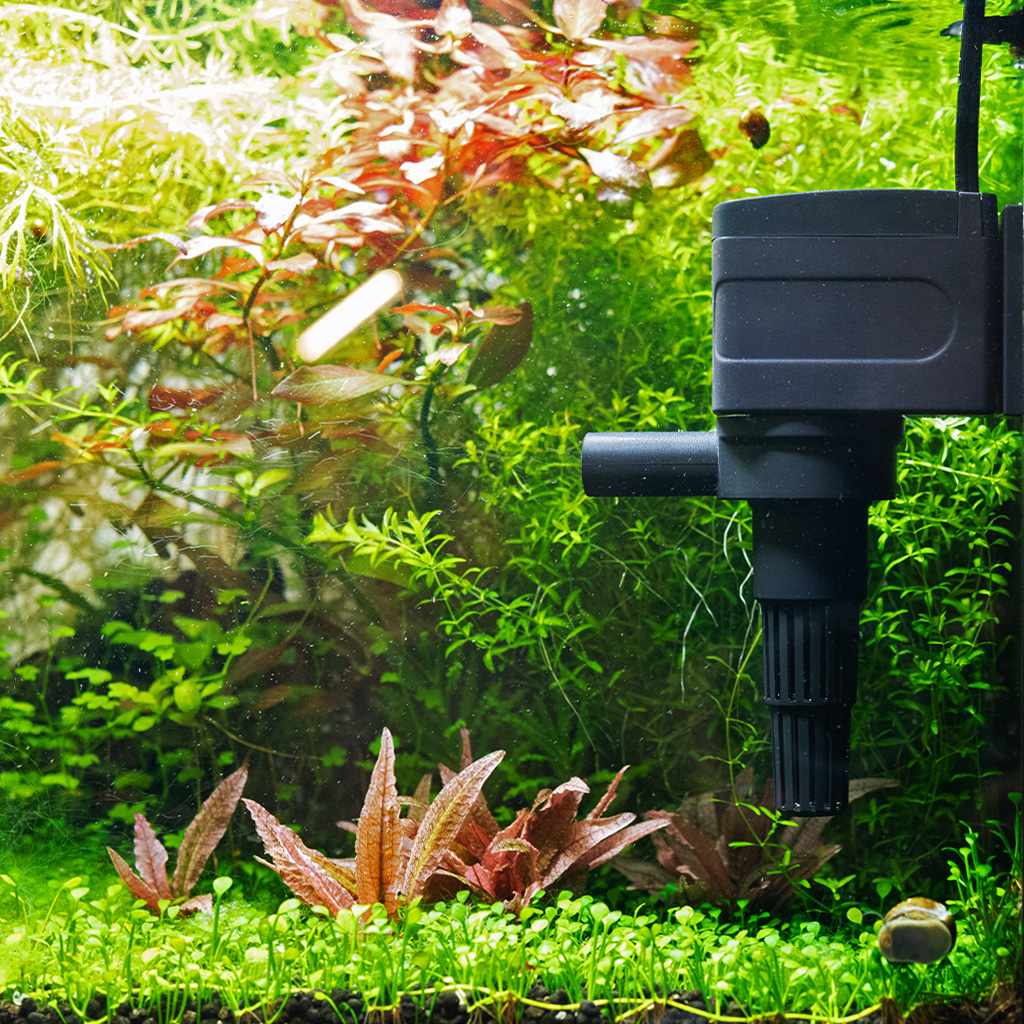
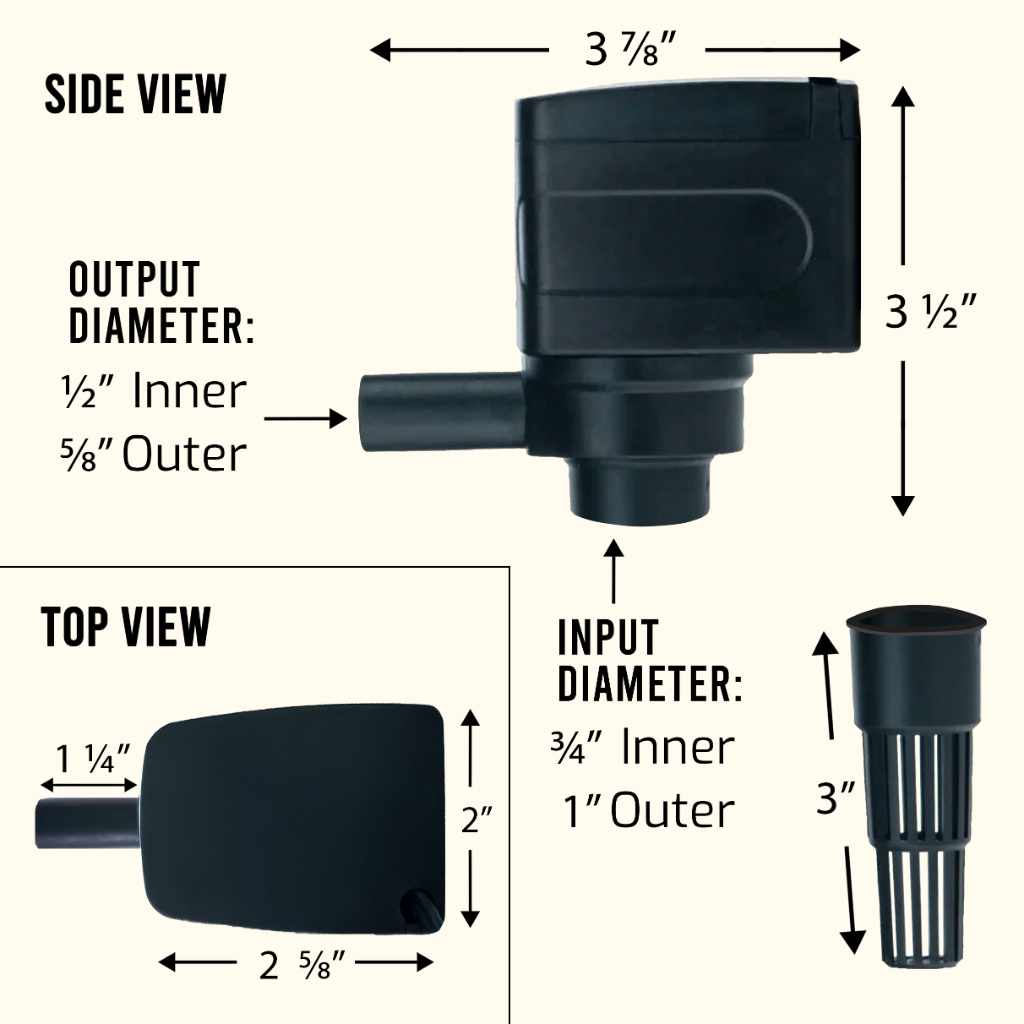
Before we dive into the benefits, let's quickly cover what a powerhead is. Think of it as a small, underwater fan. Its sole purpose is to suck in water and push it out, creating a current within your aquarium. Unlike a filter, it doesn't clean the water, but its role in moving water is absolutely critical for the health of your tank.
For years, I ran my freshwater tanks with just the outflow from my filter, thinking it was enough. I constantly battled patches of algae in the corners and noticed debris settling in certain spots. The day I added a simple powerhead, everything changed. It was like a breath of fresh air for my entire aquatic world, and it showed me firsthand why use a powerhead in aquarium keeping is not just a suggestion, but often a necessity.
The Top Reasons Why You Should Use a Powerhead in an Aquarium
Water movement is life. In oceans and rivers, currents deliver food, wash away waste, and keep the water rich with oxygen. An aquarium, being a closed system, lacks these natural forces. A powerhead is your tool to replicate them, and the reasons to do so are incredibly compelling.
- Eliminates "Dead Spots": Dead spots are areas in your tank with little to no water flow. These zones are notorious for collecting fish waste, uneaten food, and other debris. This buildup can lead to nasty algae outbreaks and harmful ammonia spikes. A well-placed powerhead keeps the water circulating everywhere, preventing waste from settling and ensuring a cleaner, healthier environment.
- Boosts Filtration Efficiency: Your aquarium filter can only clean the water that reaches it. If water isn't moving, waste can settle on the substrate or decorations far from your filter's intake. A powerhead acts like a helper, pushing debris up into the water column where it can be pulled into the filter. This simple action dramatically improves the effectiveness of your mechanical and biological filtration.
- Enhances Gas Exchange: One of the most critical reasons why you use a powerhead in an aquarium is for oxygen. A healthy tank needs a constant exchange of gases at the surface; oxygen needs to get in, and carbon dioxide needs to get out. By creating surface agitation (ripples on the water's surface), a powerhead significantly increases the surface area for this exchange to happen, ensuring your fish have plenty of oxygen to breathe.
- Promotes Health for Fish and Corals: For fish, a steady current provides a form of exercise, helping them stay strong and healthy, much like they would in their natural habitat. For corals in a saltwater reef tank, flow is non-negotiable. It delivers vital nutrients directly to them and washes away their waste. Without proper flow, corals can quickly perish.
- Creates a Natural Environment: Many fish and invertebrates come from environments with strong currents. Replicating this in your aquarium can reduce their stress and encourage more natural behaviors. Watching your fish swim against a gentle current is far more engaging than seeing them float in still water. Understanding this helps you appreciate why use a powerhead in aquarium setups of all kinds.

Choosing and Placing Your Powerhead
Getting a powerhead is the first step, but choosing the right one and placing it correctly is where the magic happens. Don't worry, it's simpler than it sounds.
The power of a powerhead is measured in Gallons Per Hour (GPH). The ideal GPH depends on your tank's inhabitants.
- For Freshwater Tanks: Aim for a turnover rate of 4 to 6 times your tank's volume per hour. For a 30-gallon tank, a powerhead around 120-180 GPH would be a good starting point.
- For Saltwater Reef Tanks: You'll need much stronger flow, typically 10 to 20 times the tank volume per hour, or even more for certain coral types.
When I first set up a powerhead, I made the mistake of pointing it directly at my sand bed. I came back an hour later to find a giant crater and a cloudy mess. The lesson? Placement is key. A great strategy is to place the powerhead on one side of the tank and aim it towards the opposite wall. This creates a wide, gentle circulation pattern that benefits the entire aquarium without creating a sandstorm. You can also aim it towards the surface to maximize that all-important gas exchange.
Are There Any Downsides?
While the benefits are clear, it's fair to ask if there are any negatives. The main concern is creating too much flow, which can stress out certain fish, like bettas or angelfish, who prefer calmer waters. It can also be a hazard for very small or slow-moving creatures.
Luckily, these issues are easy to solve. Many modern powerheads come with adjustable flow settings, allowing you to dial in the perfect current. You can also place a pre-filter sponge over the intake to protect tiny inhabitants. The answer to "why use a powerhead in aquarium keeping" almost always outweighs the minor risks, as long as you choose and place it thoughtfully.

Frequently Asked Questions of why use a powerhead in aquarium
Do I need a powerhead for a freshwater aquarium?
While not always essential for every setup, a powerhead is highly recommended for most freshwater tanks over 20 gallons. It improves water quality, prevents dead spots, and promotes a healthier environment for your fish and plants.
Can a powerhead be too strong for my fish?
Yes, some fish like bettas and guppies prefer calmer water and can be stressed by a powerful current. It is important to research your fish's needs and choose a powerhead with an appropriate flow rate or an adjustable setting.
How many powerheads do I need for my tank?
For most tanks under 75 gallons, one powerhead is usually sufficient. Larger or longer tanks may benefit from two powerheads placed at opposite ends to create a more comprehensive and gentle circulation pattern.
Where is the best place to put a powerhead in an aquarium?
A common and effective placement is on a side wall, aimed towards the opposite side or slightly angled up towards the surface. This creates a circular flow and good surface agitation without creating a direct, harsh current on any one spot.
Do powerheads replace my aquarium filter?
No, a powerhead does not replace a filter. A powerhead only circulates water, while a filter is responsible for cleaning it through mechanical, biological, and chemical means. They work together to create a healthy aquarium.
Your Next Step to a Healthier Aquarium
Water circulation is a fundamental pillar of a successful aquarium, right alongside filtration and regular maintenance. It's the invisible force that prevents stagnation, delivers oxygen, and keeps your entire aquatic ecosystem clean and vibrant. A simple powerhead is the most effective tool for creating this essential movement, turning a still glass box into a thriving slice of nature.
Now, take a look at your own aquarium. Do you see debris settling in the corners? Are your fish always lethargic? Adding a powerhead might just be the single best upgrade you can make for the health of your tank.
What are your thoughts on using a powerhead? Share your experiences or ask any questions in the comments below