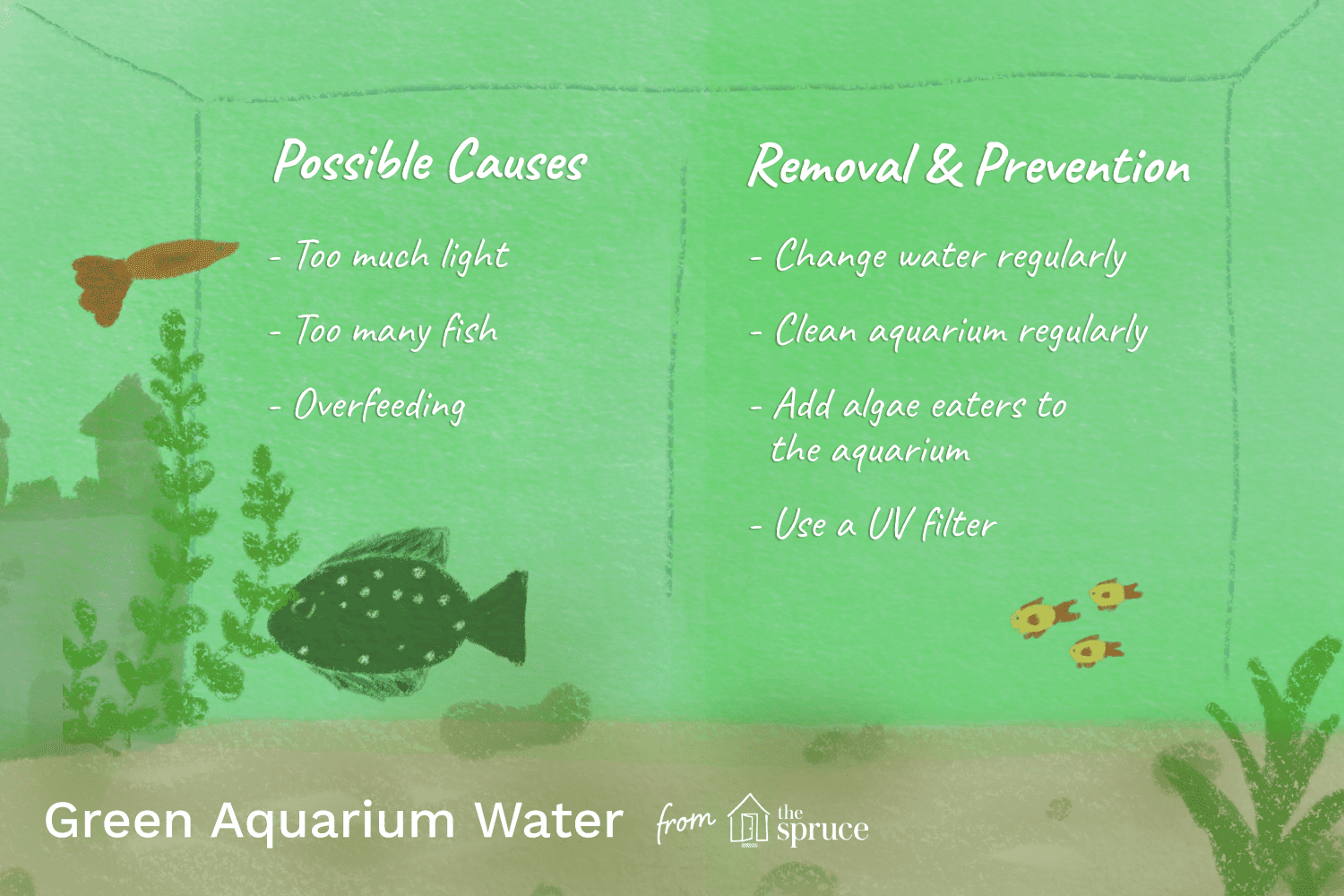
The main reason your aquarium water is green is a bloom of free-floating microscopic algae, known as phytoplankton.
Walking over to your aquarium should be a moment of peace, a chance to watch your vibrant fish glide through a crystal-clear underwater world. But when you’re greeted by a murky, pea-soup green tank instead, that feeling quickly turns to frustration. As someone who has spent years in the aquarium hobby, I’ve seen my fair share of green water, and I know exactly how disheartening it can be. Don't worry, you're not a bad fish keeper. Understanding why water in aquarium is green is the first step to fixing the problem for good, and I’m here to guide you through every step, turning that green swamp back into the beautiful aquatic paradise you envisioned.
:strip_icc()/1378633-v3-5b46307746e0fb0037d0894e.png)
Unmasking the Green Culprit: What is Green Water Anyway?
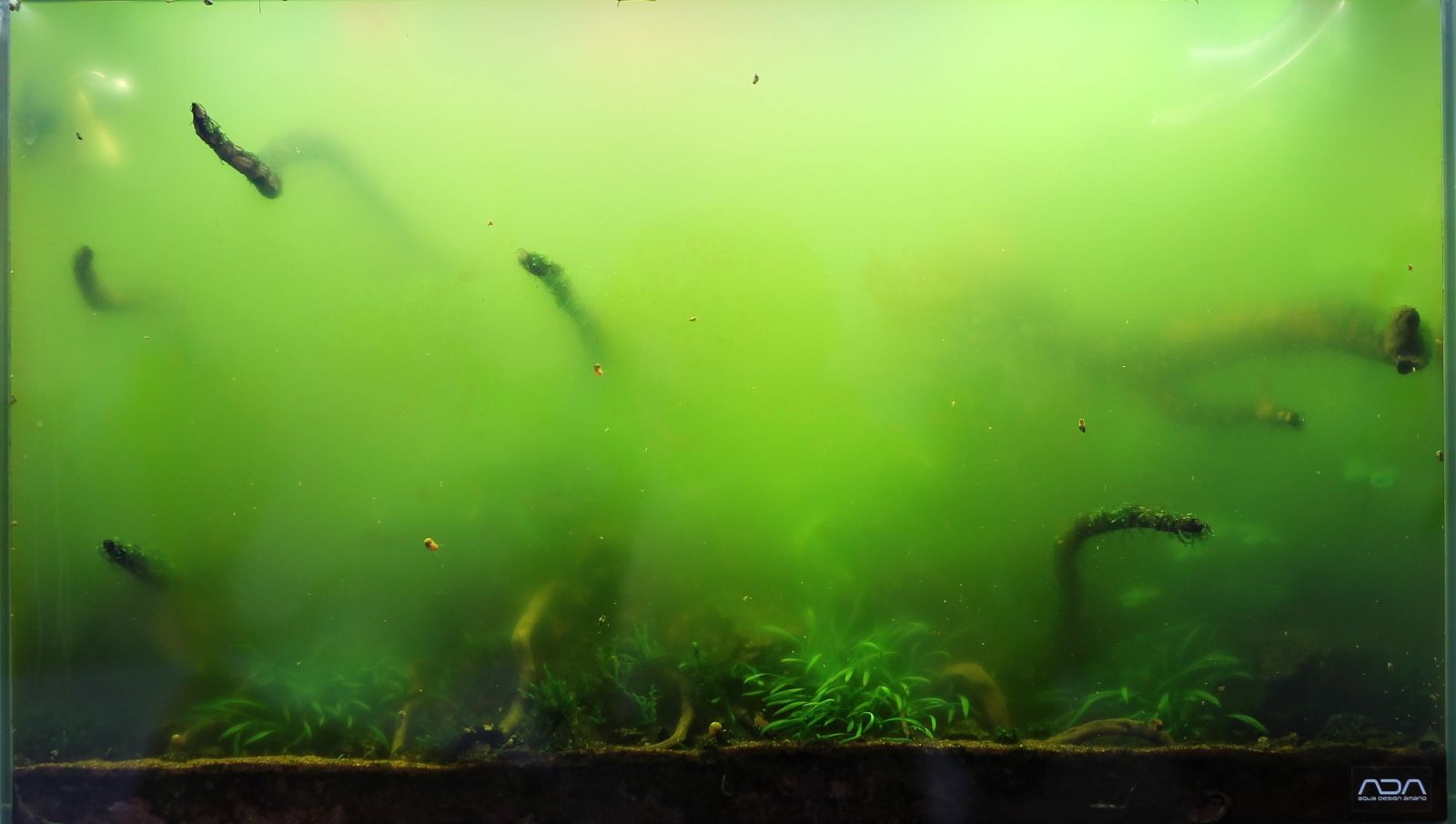
That unappealing green tint in your tank isn't just colored water; it's a living, breathing ecosystem of its own. The culprit is a massive population of single-celled, free-floating algae called phytoplankton. Think of it as a microscopic green soup. Millions, or even billions, of these tiny organisms are suspended in the water, multiplying so rapidly that they overwhelm the tank and create that signature green, cloudy appearance.
While it looks alarming, this type of algae bloom is generally not directly harmful to your fish. In fact, the algae produce oxygen through photosynthesis. However, it's a clear signal that your aquarium's ecosystem is out of balance. Ignoring the root causes can lead to other problems down the line, so it's crucial to understand why this is happening before you can effectively treat it. The primary goal is not just to clear the water, but to restore balance to your tank's environment.

The Three Main Causes of Green Aquarium Water
Algae, like any plant, needs a few key ingredients to thrive: light and nutrients. When you have an excess of these two things, you create the perfect recipe for an algae explosion. Let’s break down the three main factors that contribute to why water in aquarium is green.
Too Much Light
Light is the primary energy source for algae. Without it, photosynthesis can't happen, and the algae can't grow. Often, the most common mistake new aquarists make is providing far too much light. This can happen in a couple of ways.
Placing your aquarium near a window where it gets direct sunlight is a guaranteed way to encourage an algae bloom. The sun's intense, unfiltered light is like a supercharger for algae growth. Similarly, leaving your artificial aquarium light on for too long has the same effect. I remember in my early days, I thought my fish would enjoy a brightly lit tank all day and night. The result? A tank so green I could barely see my fish.
Your aquarium only needs about 8 to 10 hours of light per day. Anything more than that is just feeding the algae. A simple outlet timer is one of the best investments you can make for your aquarium; it takes the guesswork out and ensures your lighting schedule is consistent.
Excess Nutrients
If light is the energy, nutrients are the food. The two main nutrients that fuel algae growth are nitrates and phosphates. When these build up in your water, you’re essentially laying out a buffet for phytoplankton. So, where do these nutrients come from?
- Overfeeding: This is the number one source of excess nutrients. When you give your fish more food than they can eat in a minute or two, the uneaten flakes or pellets sink to the bottom and decay, releasing nitrates and phosphates directly into the water column.
- Fish Waste: All living creatures produce waste. Fish waste breaks down into ammonia, which is then converted by beneficial bacteria into nitrites, and finally into nitrates. A high fish load or infrequent water changes will cause nitrates to accumulate.
- Decaying Organic Matter: Dead leaves from live plants, a fish that has passed away unnoticed, or other decaying matter will also release nutrients as they decompose.
- Tap Water: In some areas, tap water can contain high levels of phosphates, which are added by water treatment facilities to prevent pipe corrosion. If your source water is high in phosphates, you’re adding fuel to the fire with every water change.
Poor Water Circulation and Filtration
A good filter and adequate water flow are essential for a healthy aquarium. If your water is stagnant, it allows algae and nutrients to settle and concentrate in certain areas, creating ideal conditions for a bloom. Your filter is your first line of defense. The mechanical filtration media, like sponges or filter floss, is designed to trap free-floating particles, including algae.
If your filter is too small for your tank size or if the media is clogged with debris, it can't do its job effectively. The water flow slows down, and the filter is no longer able to physically remove the algae cells from the water. This is why regular filter maintenance, like rinsing the media in old tank water during a water change, is so important for keeping your aquarium clear.

How to Get Rid of Green Water in Your Aquarium: A Step-by-Step Guide
Now that you understand why water in aquarium is green, it's time to take action. Clearing up a green water bloom involves a multi-step approach. Simply doing a water change won't be enough, as the remaining algae will quickly reproduce. Here’s a proven method to reclaim your clear tank.
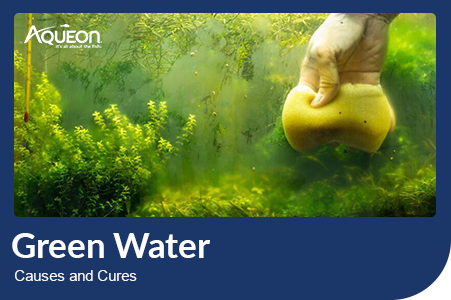
- Start with a Blackout. This is the most effective and natural way to kill off the phytoplankton bloom. Since algae need light to survive, cutting off their energy source will cause them to die off. Completely cover your aquarium with a thick blanket or black trash bags, ensuring no light gets in. Turn off the aquarium light and leave the tank covered for 3 to 4 days. Don't worry about your fish; they will be perfectly fine in the dark for this period.
- Perform a Large Water Change. After the blackout period is over, the algae will be dead or dying. Now you need to remove them and the nutrients they've absorbed from the water. Perform a large water change of about 50-60%. Be sure to use a good water conditioner to dechlorinate the new water you're adding.
- Clean Your Filter and Substrate. While the water level is low, it’s a great time for maintenance. Gently rinse your filter media (sponges, ceramic rings, etc.) in the old tank water you just siphoned out. Never use tap water, as the chlorine will kill the beneficial bacteria living in your filter. Use a gravel vacuum to siphon waste and debris from the bottom of the tank.
- Introduce a UV Sterilizer (Optional). For persistent green water problems, a UV sterilizer is an incredibly effective tool. It works by pumping aquarium water past an ultraviolet lamp, which kills any free-floating algae, bacteria, and parasites that pass through it. It won’t solve the underlying nutrient or light problem, but it will keep the water crystal clear once you have those issues under control.
Prevention is Key: Keeping Your Water Crystal Clear for Good
Clearing up green water is one thing, but keeping it from coming back is the real goal. Long-term prevention is all about maintaining balance in your aquarium's ecosystem. By controlling the factors that cause algae blooms, you can enjoy a consistently clear tank.
- Control Your Lighting. Stick to a strict 8-10 hour lighting schedule per day. A simple wall timer is the easiest way to automate this and ensure consistency.
- Manage Nutrient Levels. Don't overfeed your fish. Only give them an amount they can completely consume in 1-2 minutes, once or twice a day.
- Perform Regular Maintenance. A consistent maintenance schedule is non-negotiable. Perform a 25-30% water change every week and use a gravel vacuum to clean the substrate. This regularly removes excess nitrates and phosphates.
- Add Live Plants. Live aquatic plants are your best allies in the fight against algae. They compete directly with algae for the same nutrients (nitrates and phosphates). Fast-growing stem plants like Hornwort, Anacharis, or Water Wisteria are particularly effective at soaking up excess nutrients, leaving none for the algae to use.
- Test Your Water. Get a reliable aquarium water test kit to monitor your nitrate and phosphate levels. This allows you to see problems developing before they result in a full-blown algae bloom, giving you a chance to act proactively.
Frequently Asked Questions about Why Water in Aquarium is Green
Is green aquarium water harmful to my fish?
Generally, no. The phytoplankton causing the green water is not toxic to fish and even produces oxygen. However, a severe bloom can cause oxygen levels to drop dangerously at night when photosynthesis stops, so it's best to address the underlying imbalance.
Will a bigger filter solve my green water problem?
A bigger filter can help by improving mechanical filtration and water circulation, but it won't solve the problem on its own. Green water is caused by excess light and nutrients, so you must address those root causes for a long-term solution.
Can I use chemical algaecides to fix green water?
It's best to avoid chemical algaecides. They can be harmful to sensitive fish, invertebrates like shrimp and snails, and live plants. They also don't fix the root cause, meaning the algae will likely return as soon as the chemical wears off.
How long does it take to clear up green water?
Using the blackout method, you should see a significant improvement or completely clear water within 3 to 4 days. After that, consistent maintenance is key to preventing its return. A UV sterilizer can clear the water within a few days as well.
Why did my new aquarium turn green so quickly?
This is very common in new tanks and is often called "new tank syndrome." A new aquarium's ecosystem is not yet stable, and the beneficial bacteria colony is not established enough to process all the waste, leading to a nutrient spike that algae love.
Conclusion
Seeing your aquarium water turn green can be alarming, but it's a common issue that every aquarist faces at some point. Remember, it's not a sign of failure, but rather a sign of an imbalance in light, nutrients, or both. By understanding the causes and following a consistent plan for treatment and prevention, you can easily defeat the green monster and restore your tank to its crystal-clear glory.
Don't get discouraged. Think of it as a learning opportunity that makes you a better, more knowledgeable fish keeper. Now that you have the tools and knowledge, you can confidently tackle this issue and maintain a healthy, beautiful aquarium for years to come.
What are your experiences with green water? Share your success stories or ask any remaining questions in the comments below