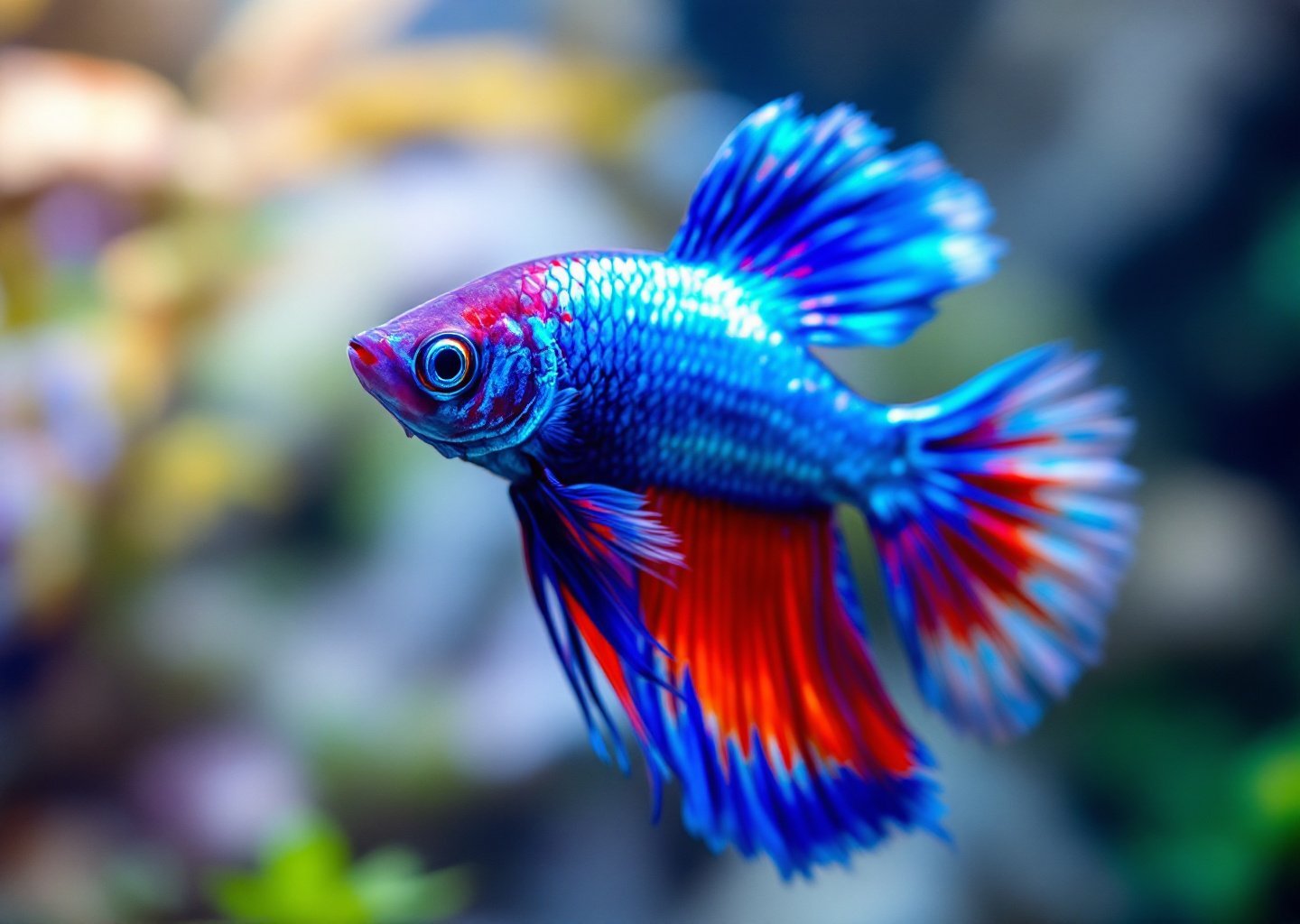
How to Tell If Pet Store Fish Are Healthy (Before You Waste Money and Heartbreak)
I used to think my fish were dying because I was new and clumsy. Still grieving Gerald the betta, the tiny blue guy who taught me what an uncycled tank can do. Turns out a lot of the fish I brought home back then were already struggling. If you’ve ever wondered why your fish faded within days, you’re not alone. Once I learned how to spot healthy pet store fish, everything changed. I finally stopped bringing home ticking time bombs.
Most beginners blame themselves when a new fish crashes fast. I hear it all the time, and honestly, I used to assume the same thing. But here’s the hidden truth: many pet store fish are already stressed or sick long before we show up with our little plastic bag and our big hopes.
This guide teaches you what to look for when buying aquarium fish, the quick system that store employees quietly use, and the timing tricks that separate strong candidates from doomed arrivals. You only need about a minute to catch the biggest problems.
By the end, you’ll be able to walk up to any tank, scan it fast, and know exactly whether a fish is worth your money or a disaster waiting to happen.
The 60-Second Visual Scan: A Systematic Body-to-Behavior Checklist
Every time I approach a tank, I give myself one minute. No overthinking, no analysis paralysis. Just a clear routine that becomes automatic after a few trips.
Here’s the checklist I use.
Body Scan
– Clear eyes, not cloudy or sunken
– Smooth skin without white fuzz, random patches, torn edges, or raised scales
– Relaxed breathing that looks effortless
– Full fins, not pinched tight
– Clean body without white spots that look like sprinkled salt
Swimming Scan
– Active but not frantic
– Balanced posture
– Swimming at various levels, not hovering at the top like they’re gasping
– Moving freely, not hiding in corners for long stretches
– Stable movement, not drifting sideways or sinking
Group Scan
– Healthy fish swim in loose groups
– Loners usually mean something’s wrong
– Watch for bullying that can mask illness
When you learn how to tell if pet store fish are healthy, these little cues jump out at you instantly. They’ll save you so much heartbreak.
Red Flags That Look Normal
Some of the most dangerous signs are sneaky. Beginners might look at them and think, “Oh, that fish is just resting.” Or, “That spot’s probably sand.” Nope. Here’s what I pay close attention to.
Clamped Fins
When a fish has its fins pinched close to its body, that’s early stress. Fish with clamped fins in store tanks usually decline fast once they’re bagged.
You’ll see this in guppies, barbs, rasboras, and pretty much everything else.
Subtle White Specks

Early ich can look like a grain of dust. When you see white spots on fish at pet store displays, you can assume the entire system is exposed. Even if the employee says it’s just one fish and “they’re treating it,” ich doesn’t work that way. Spotted even one speck on one fish? Skip the tank entirely.
Hovering Behavior
This one fooled me for years. Picture a fish that just… floats. Not fully resting on a leaf or substrate, just hanging there like it hit pause. It looks calm, but it actually means the fish is exhausted or fighting something internal.
Hovering is one of the biggest signs of sick fish at pet store tanks. I had a honey gourami that hovered like this once. He didn’t make it 48 hours.
Flashing or Rubbing
Watch for fish scraping their bodies on décor or the bottom. Imagine a dog scratching itself raw. Something’s irritating them, usually parasites or ammonia burns.
Tank Detective Work: Reading the Signs Around the Fish
Even a perfectly healthy-looking fish might be sharing a tank that screams danger. I always scan the environment because tanks tell on themselves.
I scan for these warning signs.
Dead Tankmates
Anything dead floating or stuck in a corner? Turn around. Healthy systems don’t have surprise bodies.
Unusually Colored Water
Water that looks blue, green, or yellow can indicate various things. Blue water might mean methylene blue treatment, but it can also be caused by blue LED lighting, blue backgrounds creating visual effects, or copper-based medications. Green-tinted water is most commonly caused by free-floating algae (a phytoplankton bloom), not necessarily medication. Yellow water often comes from tannins leaching from driftwood or dissolved organic compounds, though some medications can also cause discoloration. The bottom line: oddly colored water is worth asking about, but it often means the store is reacting to an outbreak or has maintenance issues. When in doubt, ask the staff directly what’s going on with that tank.
Shared Filtration
Many stores chain multiple tanks on a single sump. One sick fish means all tanks in that row are contaminated.
Dirty Filters
Sponges caked in brown sludge signal poor maintenance. Not a good place to pick your next pet.
Aggressive Tankmates
Nipped fins can confuse you into thinking the fish has fin rot. Sometimes the problem’s social, not medical. Either way, that fish is stressed.
You can learn a lot about how to spot diseased fish before buying just by looking around the main subject.
The 5 Questions That Make Employees Nervous
These five questions expose bad suppliers fast. Every time I ask them, I get either a confident answer or a very squirmy one. Either response tells me what I need to know.
1. When did this shipment arrive?
Today? Don’t buy. Fish need time to settle. I’ve watched entire shipments crash in 24 hours.
2. Has this tank been medicated recently?
You want the real history, not just what you see in front of you.
3. Are any other tanks in this system sick?
Most chain stores use shared water systems. They won’t volunteer this information unless you ask.
4. What’s your return rate on this species?
Certain fish come from terrible suppliers. Employees know which species are chronic problems.
5. What do you feed them here?
Healthy fish should respond to food. Fish that aren’t eating at the store probably won’t eat for you.
These questions give you a big advantage when deciding what to buy. I ask them casually with a smile. People are much more honest when they don’t feel interrogated.
Strategic Timing: Why Shipment Schedules and Traffic Patterns Matter
Timing has saved me hundreds of dollars and who knows how many fish. It matters more than most people realize.
Avoid Shipment Day
New arrivals look lively for the first ten minutes, then crash hard. You want fish that have eaten at least two or three store meals.
Shop on Low-Traffic Days
Saturday afternoons are chaos. Fish get poked at, tapped on, and stressed. I like weekday mornings because everything feels calmer.
Ask About Their Supplier Cycle
Some stores get fish every Tuesday. Others get them at random. When you know their rhythm, you can catch tanks on their healthiest days.
Watch for Overcrowding
When stores get shipments but haven’t sold through the previous batch, tanks get crowded fast. Poor water plus too many fish equals short lifespans.
Healthy fish come from healthy systems, not just healthy-looking individuals.
Here’s the quick version you can screenshot. Think of it as your fish health checklist before purchase.
The 60-Second Check
– Clear eyes
– Full fins
– Smooth breathing
– Even swimming
– Clean body without white spots
– Active movement, not hovering
– Calm behavior, not rubbing
– Engaged with surroundings, not hiding for long stretches
Environmental Scan
– Zero dead tankmates
– Clear water (ask about discoloration if you see it)
– Clean filter
– Calm tankmates
– Isolated system from sick tanks
Questions
– When did these arrive?
– Has this tank been medicated?
– Are nearby tanks sick?
– What’s the return rate?
– What are they eating?
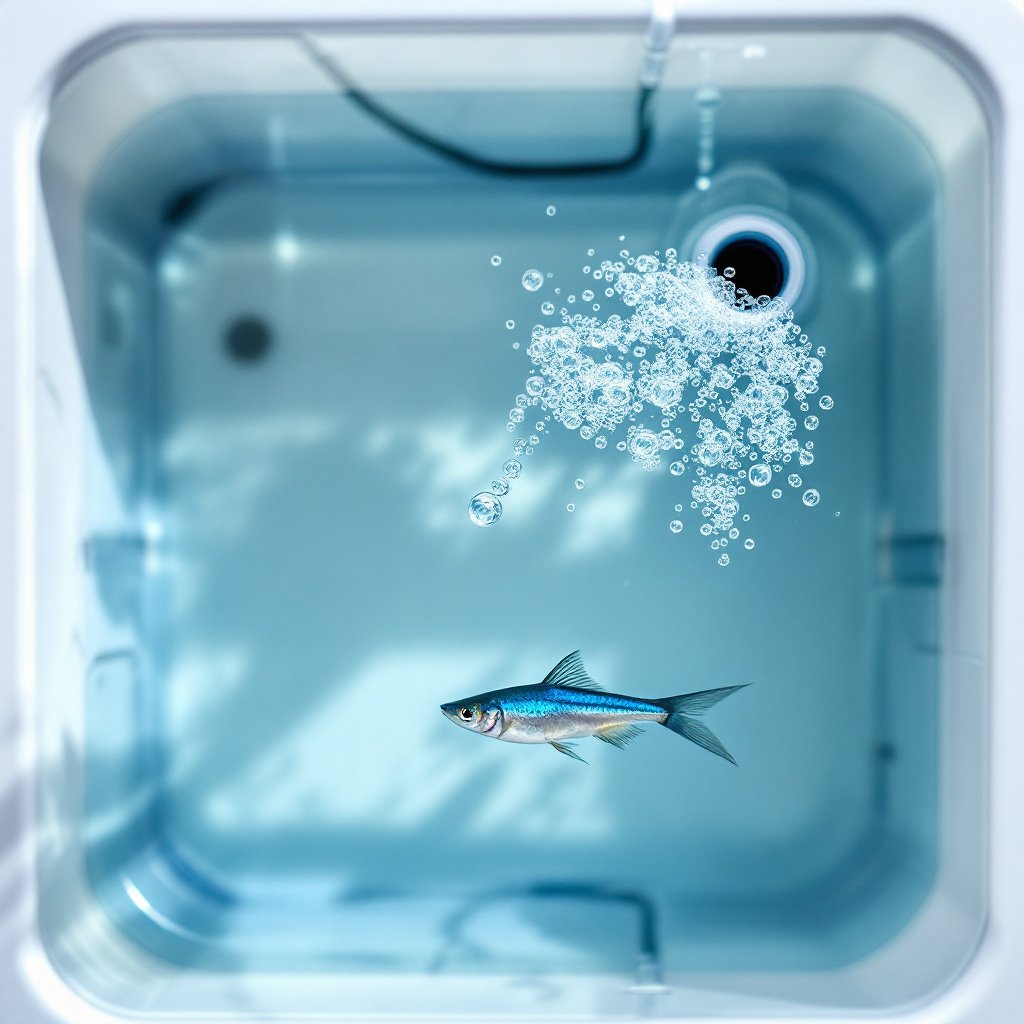
And here’s my last tip, the one I follow religiously. Once you bring your new fish home, keep them in a 24-hour observation tub. Just a clean container with an air stone. No substrate. No distractions. Anything looks off? You’ll see it instantly.
It’s simple, and it’s saved me from introducing problems into my seven nano tanks more times than I can count.
That’s how to avoid buying diseased fish and how to tell if pet store fish are healthy in a way that actually works. You don’t need superpowers. Just good habits and a minute of calm observation.
Want next steps? Look for beginner quarantine tips here quarantine guide or stocking ideas for small aquariums here nano fish list.