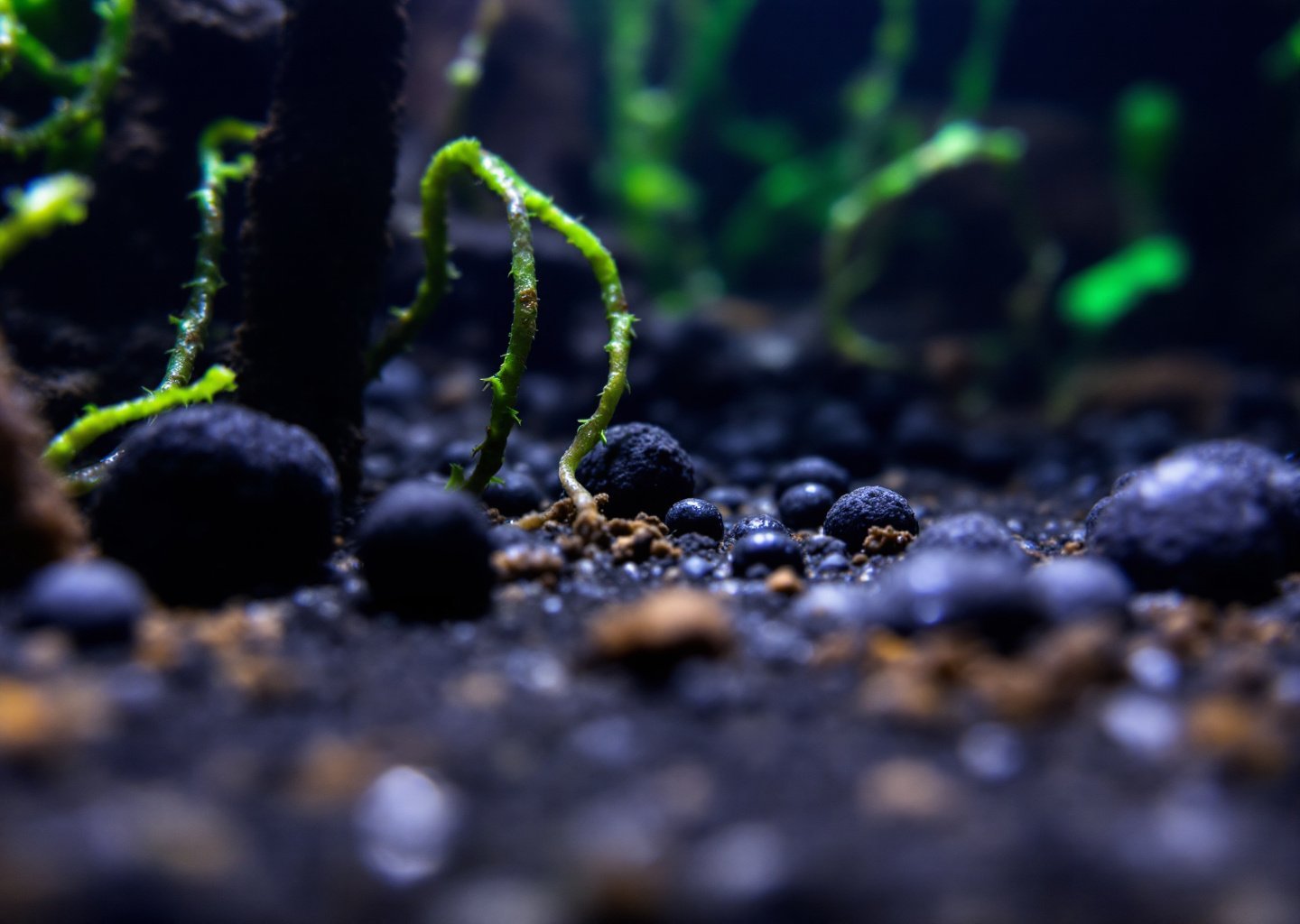
Fluval Stratum Substrate Review for Planted Tanks: 18 Months of Real-World Testing
I used to read every Fluval Stratum substrate review for planted tanks I could find before starting a new scape. But here’s the thing. Almost all of them had the same problem. They were written after two weeks of use. Maybe two months if you were lucky. Anyone who’s actually lived with Stratum knows the story changes around month six and keeps changing after that. So I set up a long-term test in one of my 10-gallon nanos, let it run a full 18 months, and tracked everything. The good, the bad, and the crumbly.
Short-term reviews can hide the weaknesses of any active substrate. Stratum starts strong with that fluffy texture, nutrient boost, and gentle pH buffering. But people rarely talk about what happens once the pellets soften or how plants handle the slow nutrient decline. That’s what this article covers: an honest 18-month timeline, including water parameter shifts, plant growth patterns, shrimp breeding results, and whether I’d actually buy it again.
And since I scape from the perspective of a graphic designer turned aquascaper, I paid extra attention to how the substrate affected the color balance and overall composition long-term. Aquasoils can darken or lighten over time, which totally changes the mood of a tank. Trust me on this one.
Fluval Stratum Basics: What It Promises and How to Prepare It Properly
Fluval markets Stratum as a light, mineral-rich substrate that supports root feeders, buffers water slightly acidic, and creates a shrimp-friendly environment. All mostly true, but only if you prepare it the right way.
Here’s how to prepare Fluval Stratum before use:
– Rinse lightly in a colander for 3 to 5 seconds, nothing more
– Place a base layer of mesh or filter floss if you want easier rescapes later
– Fill the tank by pouring water onto plastic or a plate to avoid blasting the soil
– Expect cloudy water. It settles overnight with a decent filter
Look, I didn’t rinse Stratum with my first betta tank years ago, and the cloudiness lasted three days. I also killed Gerald the betta in that same tank because I didn’t know anything about cycling. Poor Gerald. Lessons learned the hard way.
The pH Effect Reality: Water Parameter Changes Month by Month
So does Fluval Stratum actually lower pH in aquariums? Yes. But here’s what’s important: the degree changes over time. My baseline Portland tap water sits around pH 7.4 with low KH.
Here’s what my tank measured:
– Month 1: pH 6.5
– Month 3: pH 6.6
– Month 6: pH 6.7
– Month 9: pH 6.8
– Month 12: pH 6.9
– Month 18: pH 7.1
See the pattern? The Fluval Stratum water parameters pH effect is real but fades slowly. If you’re building a Caridina shrimp tank, the first six months are your sweet spot. After a year, you’ll need either RO water remineralized for shrimp or supplemental buffering.
KH stayed near zero the whole time, which is typical for Stratum. If your tap water is harder than mine, your mileage will definitely vary.
Plant Performance Report: Root Feeders vs. Water Column Feeders
Honestly, plants tell you more about substrate quality than any test kit ever will.
Root Feeders
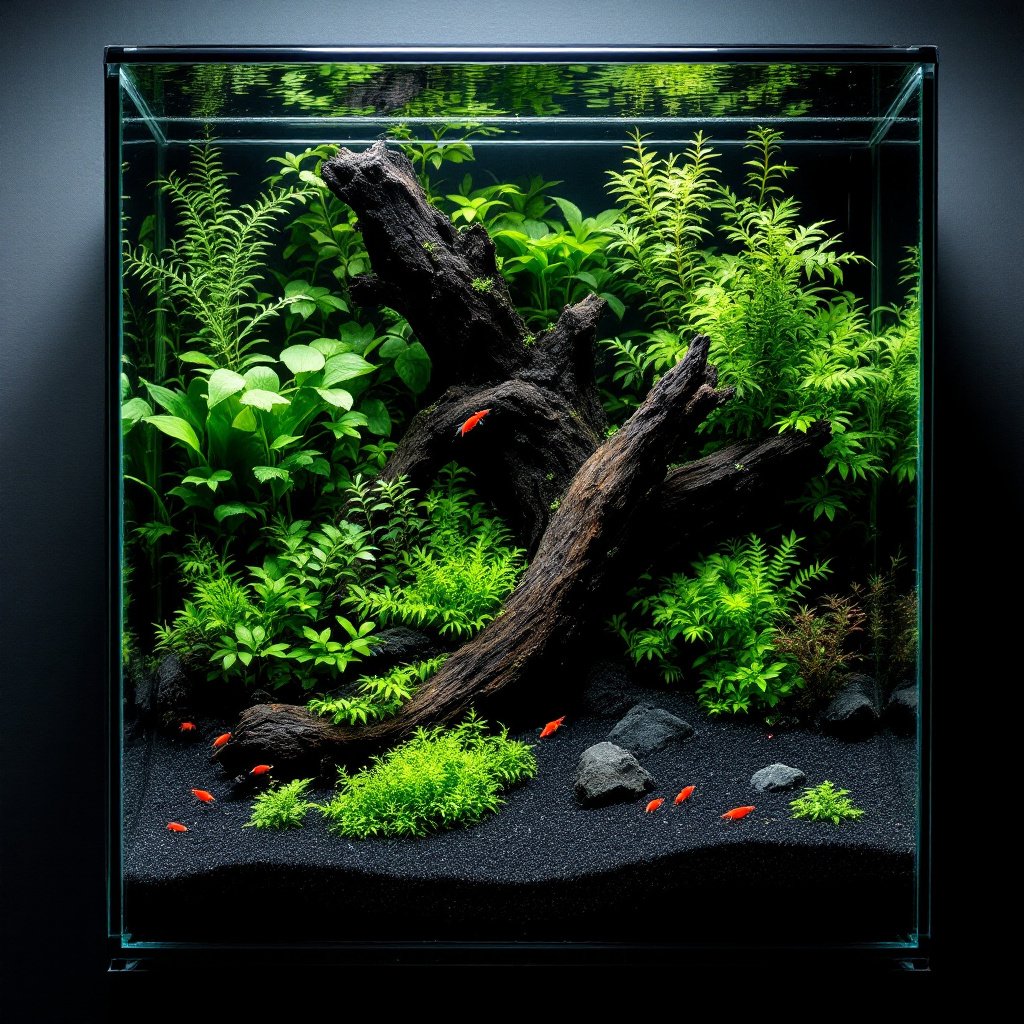
Cryptocorynes, dwarf sagittaria, and my mini sword all exploded in the first six months. Their root systems anchored beautifully in the soft pellets, and the nutrient load was strong enough that I didn’t need root tabs for four months. Pretty great, right?
Well, growth slowed around month 9. It stalled completely by month 12. Root tabs became mandatory. And if I skipped them? Crypt melt kicked in fast.
Verdict: Root feeders love Stratum early on, but this substrate needs supplementation after the first nutrient cycle. Anyone wondering if Fluval Stratum is worth it for aquarium plants should factor in the cost of long-term additives.
Water Column Feeders
Stems like rotala and ludwigia were just fine. They don’t really care about substrate nutrition, and Stratum’s light texture made replanting trimmings painless.
The best plants for Fluval Stratum substrate in my long test were:
– Crypt wendtii
– Dwarf sag
– Rotala H’Ra
– Anubias nana petite
– Bucephalandra (loved the low KH environment)
Hardscape stability was okay, but large stones needed more support because the soil compresses over time. Something to keep in mind if you’re planning an iwagumi-style layout.
The Shrimp Tank Test: Breeding Success, Deaths, and What the Substrate Contributed
Shrimp keepers always want to know about Fluval Stratum pros and cons for shrimp tank setups. Fair enough. Let me break down what I saw.
I kept a colony of fire reds in this tank. First six months? Shrimp heaven. Zero deaths. Tons of berried females. Babies everywhere. The acidic, low-KH environment matched exactly what they prefer.
Months 6 to 12 were still good. But I noticed water changes started hitting the parameters harder because the buffering power had weakened. I lost a few sensitive juveniles when I forgot to temperature-match water perfectly. That one stung.
Around month 14, I added almond leaves and botanicals to help stabilize the pH naturally. That fixed the issue.
Did Stratum help? Absolutely. Did it carry the tank for the full 18 months without support? Not even close.
Breakdown Timeline and Solutions: When It Crumbles and How to Extend Lifespan
Here’s where Fluval Stratum annoys even its biggest fans.
Around month 10, the pellets start softening. Not mud exactly, but close. My tank’s front section looked almost sandy by month 14. And after 18 months, the top layer had compacted enough to make planting trickier.
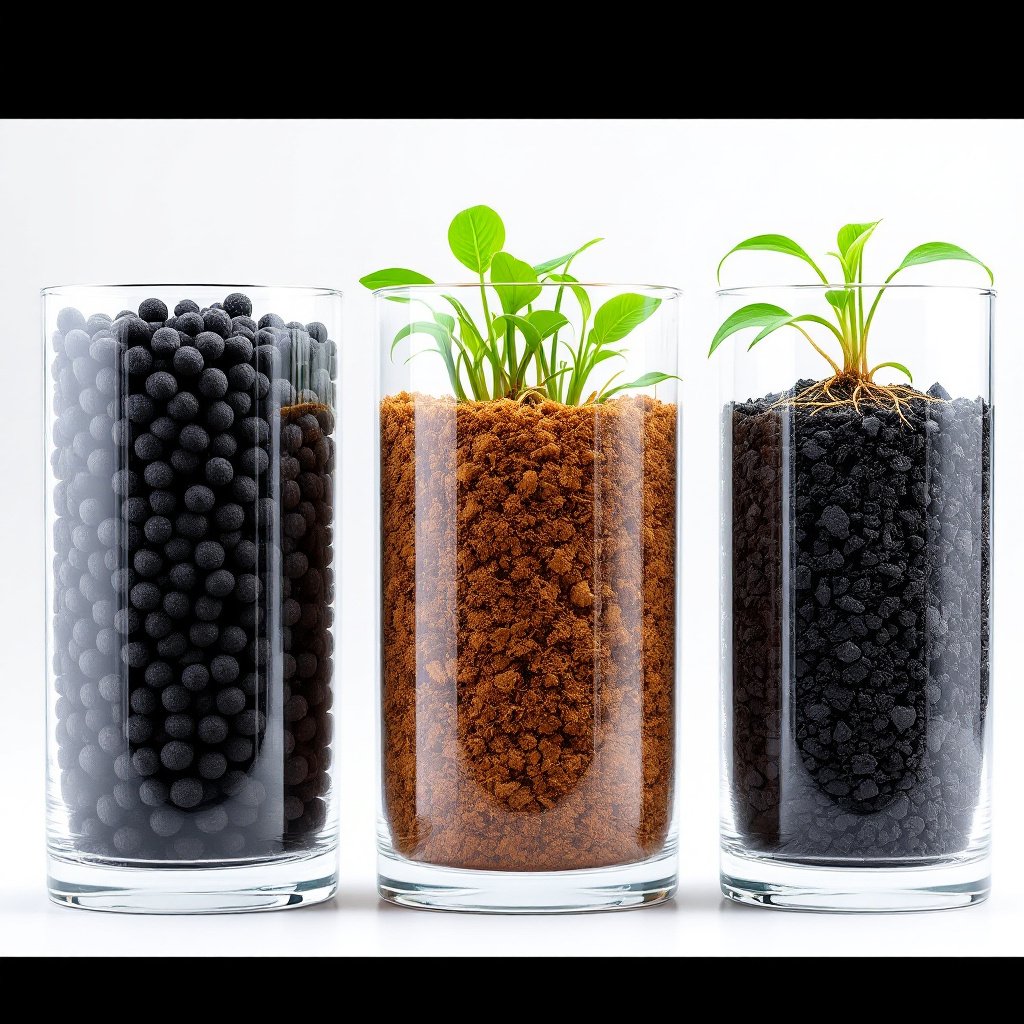
Look, this breakdown is normal. Stratum is baked volcanic soil, so it’s designed to break down eventually. That’s unlike Eco-Complete, which uses volcanic basite with live bacteria and holds its structure much longer.
If you’re wondering how long Fluval Stratum lasts, here’s your timeline:
– Months 1 to 6: Perfect texture
– Months 6 to 12: Slight softening
– Months 12 to 18: Noticeable breakdown
– After 18: Usable, but not ideal for rescapes
So what can you do about it? Here are some solutions:
– Cap with fresh Stratum to restore texture
– Add root tabs monthly to replenish nutrients
– Vacuum lightly, never deep
– Add a layer of sand or gravel paths for stability
If you’re dealing with Fluval Stratum breaking down too fast, the easiest fix is honestly just a light top layer of sand in the foreground.
Fluval Stratum vs. ADA Amazonia vs. Eco-Complete: Which Actually Wins for Value?
I’ve used all three in nano tanks across my apartment. Yes, I have too many tanks. Don’t @ me. Each one fits different goals.
Fluval Stratum
Pros:
– Gentle buffering
– Perfect for shrimp
– Easy for beginners
– Affordable
Cons:
– Breaks down fastest
– Nutrients fade by month 6 to 9
ADA Amazonia
Pros:
– Strong nutrients
– Strong buffering
– Best plant growth in my experience
Cons:
– Can crash a tank if you’re not careful
– Expensive
– Needs extra water changes early on
Eco-Complete
Pros:
– Breaks down very slowly over many years
– Great for hardscape support
– Minimal mess when rescape time comes
Cons:
– No buffering
– Few nutrients
– Not great for Caridina
If you’re comparing Fluval Stratum vs. ADA Amazonia for planted tanks, Amazonia wins for pure plant performance. But Stratum wins for ease of use, and your wallet will thank you.
For the Fluval Stratum vs. Eco-Complete comparison, pick Eco-Complete if you want long-term stability. Pick Stratum if you want active buffering.
As for the best substrate for planted aquarium 2024, I still think Amazonia edges out the others for high-tech setups. Stratum sits comfortably in second place for low- to mid-tech tanks.
After eighteen months of testing, here’s my honest verdict: Fluval Stratum is absolutely worth it for beginners, shrimp keepers, and anyone running a low-tech planted tank who wants soft, acidic water with minimal effort. But it’s not a forever substrate. Expect to supplement nutrients heavily after month 6, expect softening after a year, and plan for a partial refresh at some point.
If you’re on a tight budget or live in an apartment like me with way too many nano tanks, Stratum gives you solid performance without ADA prices. Just be ready for the long game.
Want more guidance? Check out planted tank maintenance guide or beginner substrate comparison.