How to Clean Your Aquarium Filter Without Killing Bacteria
Anyone who’s been in the hobby longer than five minutes eventually hits the same panic moment: you know the filter needs cleaning, but you also know the bacteria inside it are basically the beating heart of your tank. Suddenly, the simple question of how to clean aquarium filter without killing bacteria becomes a small emotional crisis. I remember hovering over my first sponge filter in the sink, frozen, convinced one wrong move would send my newly adopted betta straight into a nitrogen disaster. (Spoiler: I did it wrong. RIP Gerald.)
Have you ever scrubbed your filter until it sparkled, only to watch your water cloud up the next day? Then you’ve already met the filter-cleaning paradox. Too aggressive and you erase the very organisms that keep your water safe. Too gentle and your flow drops, detritus builds up, and you get a swampy mess.
This guide breaks down everything you need to know, starting with the mistakes that crash tanks. You’ll also get instructions for each filter type, plus my go-to recovery plan when something goes sideways.
Understanding Your Filter’s Bacteria Colony
Your filter is more than plastic parts and foam. It’s a condo for nitrifying bacteria that quietly convert toxic ammonia into nitrite, then into relatively harmless nitrate. These little workhorses cling to sponge pores, ceramic rings, bio balls, filter floss, and even the inside surfaces of the filter housing itself. Basically, anywhere there’s surface area and water flow, they’ll set up shop.
I’ve watched colonies establish themselves differently in every tank I’ve kept. My heavily planted 10-gallon took weeks longer to stabilize than my bare-bottom quarantine tank, which surprised me at first. But the fundamentals stay consistent: bacteria need surfaces, oxygen, and food (ammonia) to thrive.
Because so much of the colony lives on and inside the filter media, anything that strips, overheats, or chemically shocks those surfaces can wipe out weeks of progress. I learned this the hard way with my third tank, a 20-gallon long that I nearly crashed by being overly enthusiastic with hot water.
The 3 Fatal Mistakes That Kill Beneficial Bacteria
You can avoid most disasters by steering clear of three extremely common errors.
1. Washing Filter Media Under Tap Water
People often ask, “Can you wash bio filter in tap water without harm?” Almost always, no. Chlorine and chloramine can significantly harm beneficial bacteria, especially with prolonged exposure. While the damage depends on concentration and contact time, typical tap water levels are enough to kill off a substantial portion of your colony. I’ve ruined more than one sponge this way in my early days.
Use tank water or water treated with dechlorinator instead.
2. Replacing All Media at Once
Tossing out everything inside your filter means losing the bulk of your biological colony in one shot. Want to preserve nitrifying bacteria when changing filter media? Stagger replacements over a few weeks.
Swap half at a time. Or keep the old media tucked into the filter behind the new stuff until bacteria migrate.

3. Overcleaning Until Media Looks Brand New
Aim to restore flow, not to achieve spotless perfection. A slightly stained sponge is normal, even healthy. That brown biofilm? Leave it alone. Obsessive scrubbing is one of the biggest aquarium filter cleaning mistakes to avoid.
Tank Water vs. Dechlorinated Water: Which Should You Actually Use?
People debate this constantly, so let me clear it up.
Both tank water and dechlorinated tap water work. The point is to keep chlorine away from your bacteria. I usually grab tank water because it’s right there during water changes, and it matches temperature automatically. But when you’re stuck in an apartment sink situation, dechlorinated tap water does the job just fine.
Worried about what to pick? Focus on consistency. Either option supports safe methods for cleaning aquarium filters without resetting the cycle.
Cleaning Guides by Filter Type
Sponge Filter: How to Preserve Beneficial Bacteria
Sponge filters are forgiving, which is why so many nano tank enthusiasts love them. Here’s my approach:
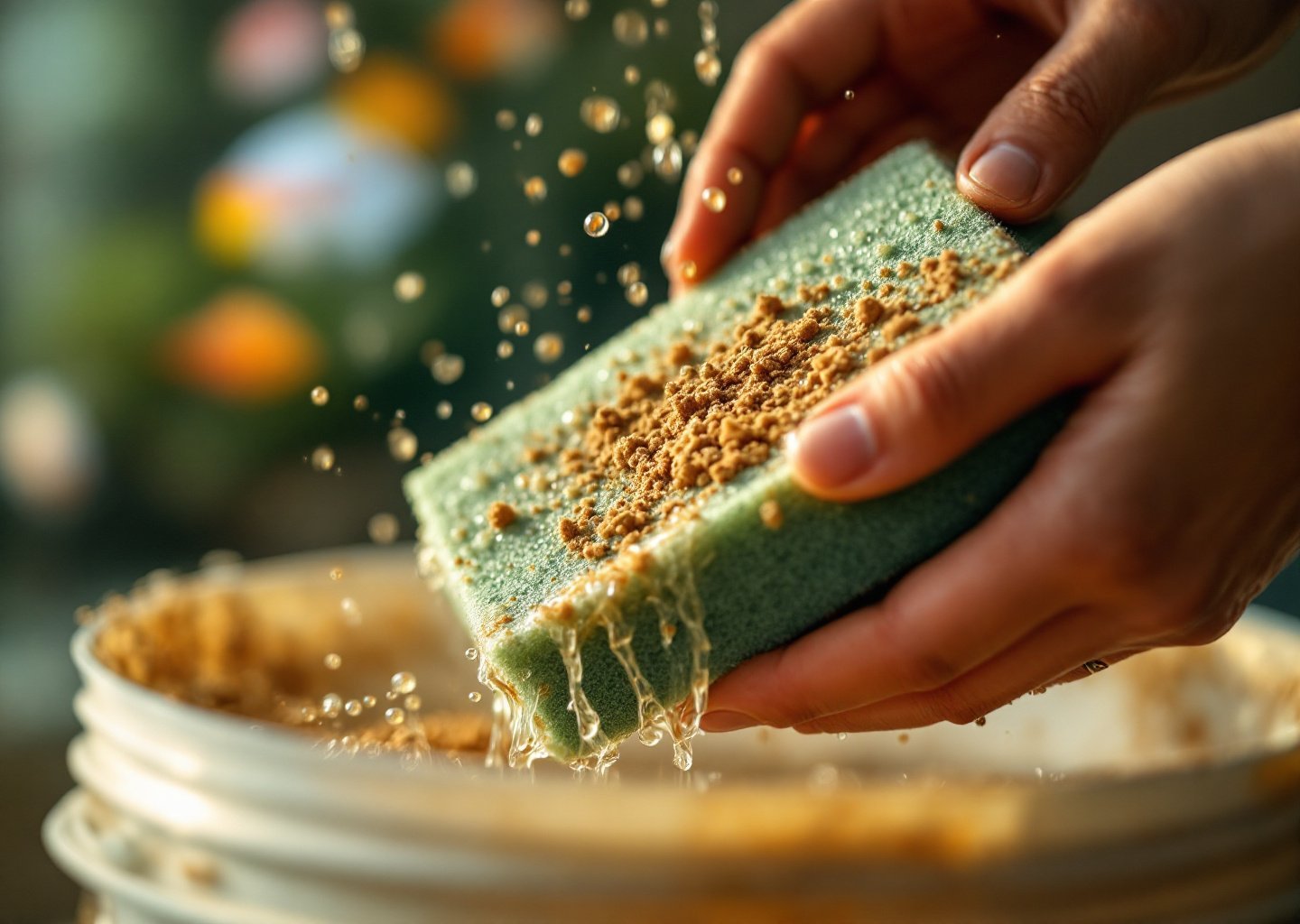
- Fill a bucket with tank water from your water change.
- Remove the sponge.
- Squeeze it gently in the bucket a few times. Don’t go wild; you just want to shake loose the gunk.
- Rinse the uplift tube when needed.
- Reassemble.
This simple squeeze-out method works brilliantly for most situations. The whole process takes maybe two minutes once you get the hang of it.
HOB: Cleaning Hang-on-Back Filters
Hang-on-back filters can look intimidating, but the process is pretty simple.
- Unplug the filter.
- Lift off the lid and remove media.
- Swish sponges or ceramic media in tank water.
- Gently wipe gunk from the impeller and housing.
- Leave any bio media in place unless it’s falling apart.
- Put everything back together and prime when needed.
Does your HOB use disposable cartridges? Ignore the packaging instructions telling you to replace them every month. That wipes out your cycle. Keep the old cartridge in the filter alongside any new pad until bacteria move over.
Canister Filter: Frequency and Method
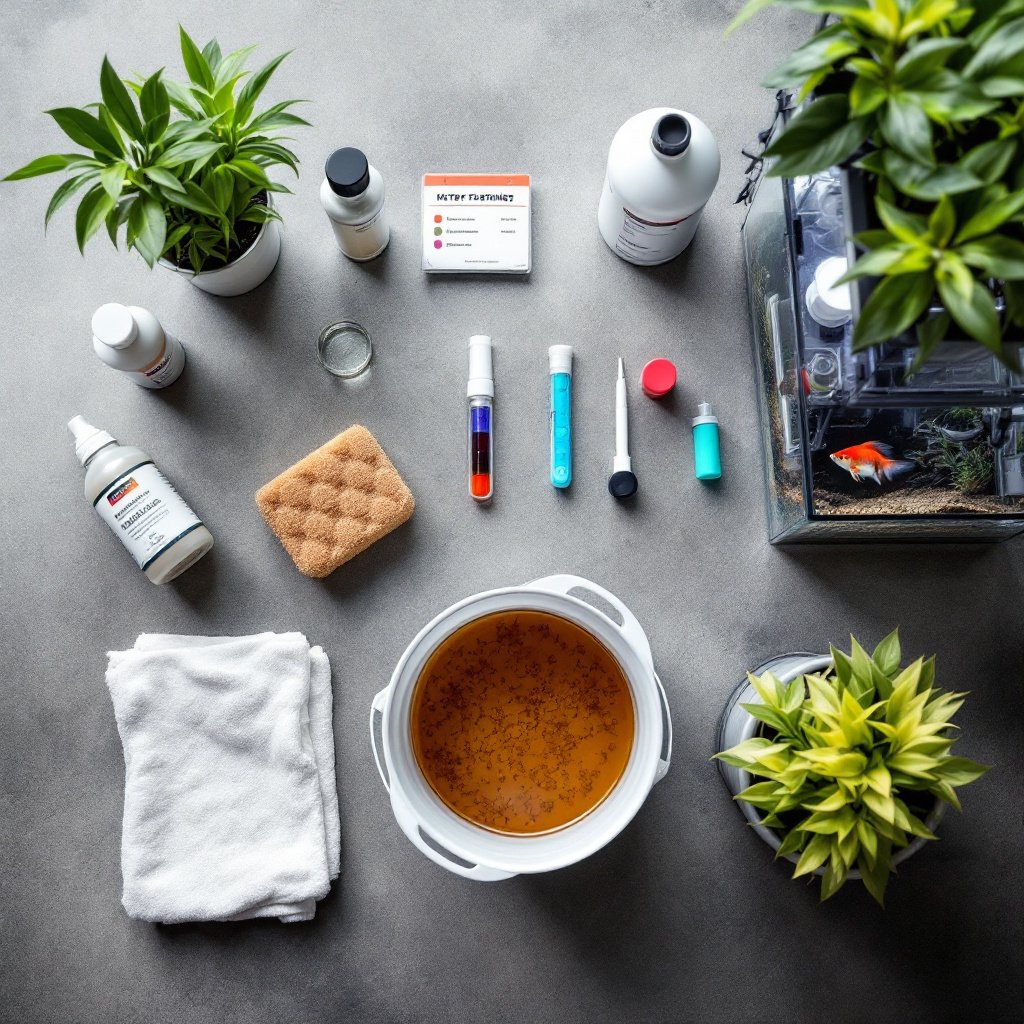
Canisters hold the majority of biological media in most tanks, so gentle cleaning matters here especially.
- Turn off valves and unplug.
- Bring the canister to a sink or tub.
- Open it carefully.
- Rinse sponges, pads, and ceramic media in tank water or dechlorinated water.
- Leave bio balls, rings, or high-surface-area media lightly dirty.
- Give the impeller and housing a careful cleaning.
- Reassemble and prime.
Many beginners wonder about frequency here. For most tanks, every two to three months works well. Heavy stocking? Shorten the interval. Dense plants with light stocking? You can stretch it longer.
How Often to Clean Each Filter Type
I keep seven nano tanks in my apartment, and every single one runs on its own schedule. Still, these guidelines help:
- Sponge filter: every two to four weeks
- HOB filter: every three to six weeks
- Canister filter: every two to three months
- Tanks with messy fish (like goldfish or puffers) need more frequent attention
- Planted tanks with light stocking can go longer
Look at flow, not the calendar. Output slowing down? That’s your signal.
Oops, I Crashed My Cycle: Emergency Recovery Protocol
So you cleaned too enthusiastically and your water tests show ammonia or nitrite. Don’t panic. This happens to everyone at some point, and you can absolutely fix it.
First, do an immediate 50 percent water change. Then add bottled bacteria, the kind you’d use for cycling a new tank. For the next few days, dose dechlorinator daily, which helps neutralize some of the ammonia. Cut back on feeding to keep waste production low. And whatever you do, don’t clean anything else until your numbers stabilize. Moving fish should be a last resort, only when levels stay dangerously high despite your efforts.
Once you learn to preserve nitrifying bacteria when changing filter media, you’ll rarely need this emergency plan again. But accidents happen. The good news? Tanks bounce back faster than you’d expect.
Once you understand how the bacteria in your filter operate, the whole process gets way less nerve-wracking. Build a rhythm that fits your tank. Notice when flow slows. Notice when your media looks clogged but not destroyed. And trust that gentle, consistent cleaning works far better than deep scrubbing.
A schedule that works for most people looks something like this:
- Check flow weekly
- Run a cleaning when you notice significant flow reduction
- Only rinse media in tank water or dechlorinated water
- Replace media gradually
- Keep an eye on ammonia and nitrite after each cleaning
When your water stays clear, your fish act normal, and your parameters remain stable, those are the signs your bacteria are thriving.
Want to expand your setup after this? You might enjoy reading about aquascaping basics or nano tank stocking ideas. You can find those under aquarium beginner guides.
And honestly, once you stop fearing your filter, the whole hobby gets a lot more fun.