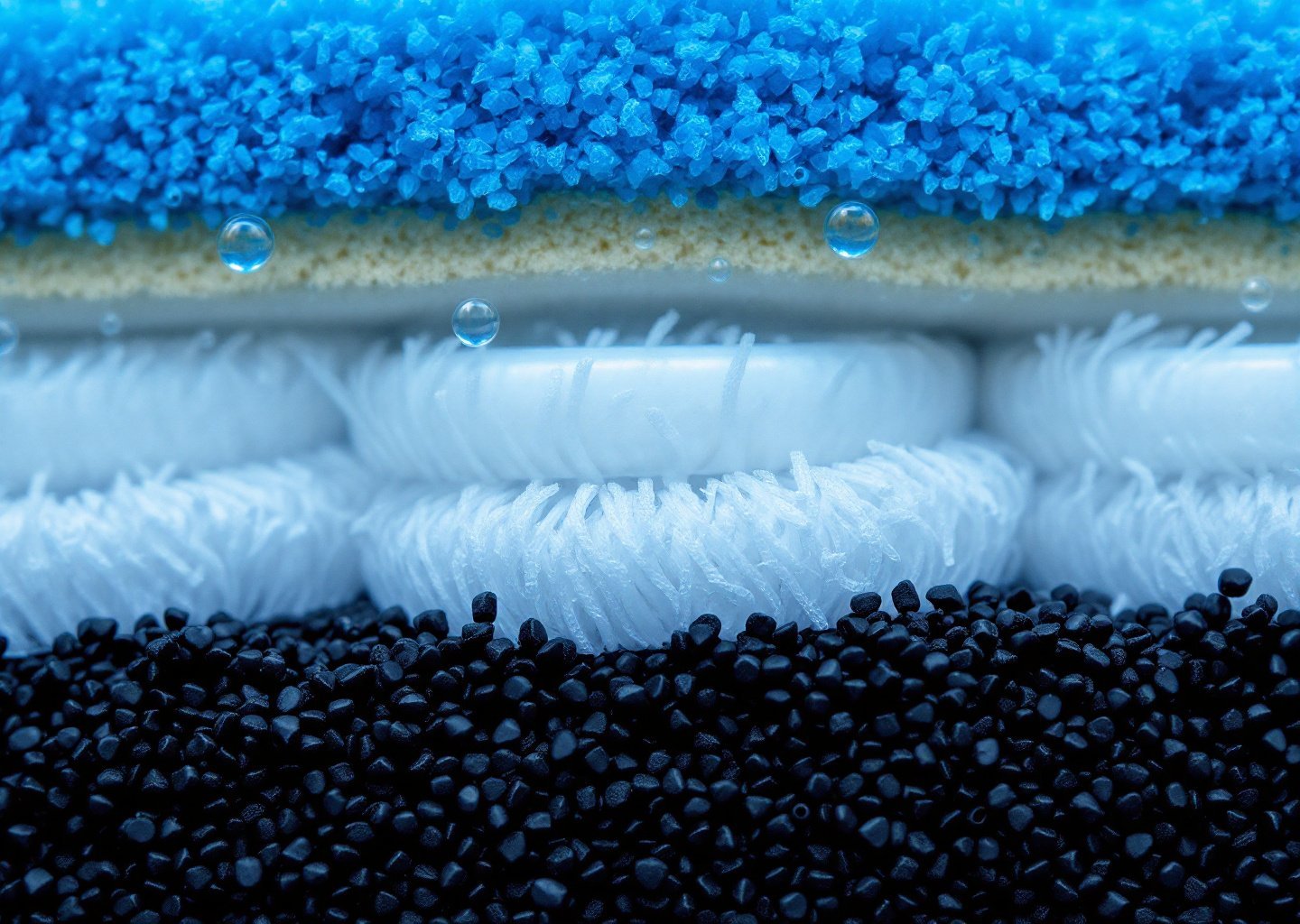
The Real Guide to Mechanical vs. Chemical Filtration in Aquariums
I’ll be honest with you. When I set up my first betta tank, I threw every type of filter media the pet store employee recommended into my hang-on-back filter. Carbon cartridges? Sure. Ceramic rings? Absolutely. Some weird zeolite pouch? Why not. Gerald the betta deserved the best, right?
Gerald didn’t make it. Not because of filtration, but because I didn’t cycle the tank first. Classic beginner mistake. But in the grief spiral that followed, I went down a rabbit hole of obsessive research into what actually keeps fish alive. Turns out, a lot of what I’d bought was unnecessary. Some of it was arranged completely wrong.
Here’s the thing about aquarium filtration: the industry wants you to believe you need all of it. Every gadget, every specialty media, every monthly replacement cartridge. And look, I get it. Companies need to sell products. But the confusion around mechanical vs. chemical filtration in aquariums costs hobbyists real money and, worse, sometimes real fish lives.
This guide is going to break down what each type of filtration actually does, when you genuinely need it, and when you’re just padding someone else’s profit margins. Whether you’re running a planted nano tank in your studio apartment or a community tank in your living room, you’ll walk away knowing exactly what belongs in your filter.
How Mechanical Filtration Actually Works
Okay, basics first. This is where a lot of confusion begins. Mechanical filtration is literally just particle removal. That’s it. Water flows through some kind of physical barrier, and stuff gets caught in it.
Think of it like a kitchen strainer. Fish poop, uneaten food, plant debris, floating gunk. All of that gets trapped in your mechanical media before the water returns to your tank. Physics are simple: water passes through pores in the material, and particles larger than those pores get stuck.
Here’s where understanding how mechanical filtration works in fish tanks gets interesting. Different media have different pore sizes. Coarse sponges catch big stuff but let smaller particles through. Fine filter floss catches tiny particles but clogs faster. This is why filter media order in canister filter systems matters so much, but we’ll get there.
Want to know the key point? Mechanical filtration doesn’t actually remove waste from your system. It just concentrates it in one place. Never clean your filter media, and that fish poop is still decomposing, still producing ammonia. It’s just doing it inside your filter instead of on your substrate.
So mechanical filtration is really about two things: keeping your water visually clear and, more importantly, protecting your biological media from getting gunked up.
Chemical Filtration Decoded
Chemical filtration works completely differently. Instead of physically trapping particles, chemical media uses chemical reactions or adsorption to remove dissolved substances from your water. We’re talking about the stuff you can’t see.
Activated carbon is the most common example. Those little black granules are incredibly porous, with a massive surface area at the microscopic level. Dissolved organics, tannins, odors, and some medications bind to that surface and get pulled out of your water column. Purigen works similarly but can be recharged, which is nice for the budget-conscious.
So what are the actual chemical filtration benefits for freshwater aquarium setups? Here’s my honest take:
- Removing tannins: Got driftwood turning your water tea-colored and you hate it? Carbon fixes that fast.
- Post-medication cleanup: After treating for ich or other diseases, carbon pulls residual meds out.
- Odor control: When your tank smells funky, carbon can help while you figure out the root cause.
- Polishing water: Carbon gives you that crystal-clear look, which matters if aesthetics are your thing.
But here’s what the marketing doesn’t tell you: in a healthy, properly maintained tank, chemical filtration is often optional. Especially in planted tanks. Your plants are already doing chemical filtration by absorbing nitrates and ammonium from the water.
When should you use activated carbon in a fish tank? Honestly, situationally. I keep some on hand for medication removal and emergency odor issues. But it’s not running in any of my seven tanks full-time. My plants handle it.
The Truth About Filter Media Order
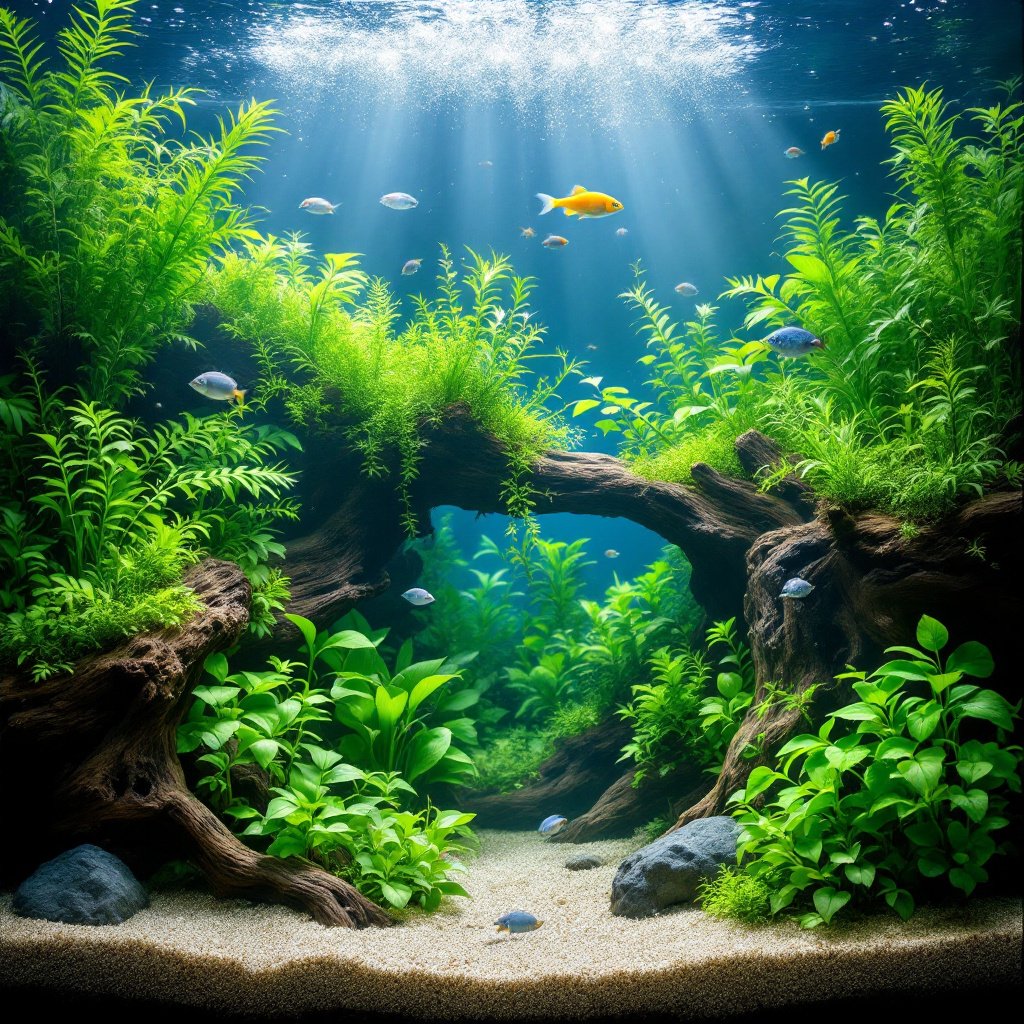
Okay, this is where things get real. Understanding why filter media order is important in a canister filter can save you from some frustrating problems.
Water should flow through your media in this order: coarse mechanical, fine mechanical, biological, then chemical (if you’re using it). Always.
Why does putting carbon before filter floss sabotage your system? Chemical media has tiny pores. When you force water through it first, it acts like a crappy mechanical filter, clogging with debris and losing its chemical capacity way faster than it should. You’re basically making your expensive specialty media do a job that cheap filter floss should handle.
Proper filter media order in canister filter systems looks like this from bottom to top (where water enters at the bottom):
- Coarse sponge or filter pad: catches the big stuff
- Medium sponge: catches medium particles
- Fine filter floss or polishing pad: catches tiny particles
- Biological media (ceramic rings, bio-balls, etc.): provides surface area for beneficial bacteria
- Chemical media (if desired): activated carbon, Purigen, zeolite
When you think about water flow, the difference between biological, mechanical, and chemical filtration becomes obvious. You want the grossest stuff removed first, clean water reaching your bio media, and pristine water hitting your chemical media last.
Some HOB filters make this tricky because they’re designed around all-in-one cartridges. Using one of those? Consider DIY filter media modifications for HOB filters to optimize your setup.
Tank-by-Tank Breakdown
So, do you need both mechanical and chemical filtration? It depends entirely on your setup. Let me break it down.
Heavily Planted Tanks
Do planted tanks need chemical filtration? In my experience, rarely. My most densely planted nano tank runs just a sponge filter. Plants absorb ammonium and nitrates from the water, outcompete algae for nutrients, and keep the water chemistry stable.
What you do need: gentle mechanical filtration to catch plant debris and adequate biological capacity. That’s it. Skip the carbon unless you’re dealing with a specific issue.
Community Tanks with Moderate Stocking
This is where the activated carbon vs. filter floss fish tank debate gets interesting. You need solid mechanical filtration because you’ve got more waste production than a planted tank but fewer plants to consume it. A good filter floss setup catches particles before they break down.
Chemical filtration? Nice to have, not need to have. Run it if you want crystal-clear water or if you’re dealing with persistent odor. Otherwise, your money’s better spent on quality biological media.
Heavily Stocked Tanks
Pushing your bioload limits? I’m not judging. My 20-gallon community tank is pretty packed. You need robust filtration of all types. Mechanical filtration prevents waste from overwhelming your biological capacity. Biological filtration handles ammonia conversion. And chemical filtration, particularly zeolite or specialized resins, can provide a safety net for ammonia spikes.
What is the difference between mechanical and chemical filtration in this context? Mechanical is your first line of defense. Chemical is your backup system.
Betta Tanks and Nano Setups
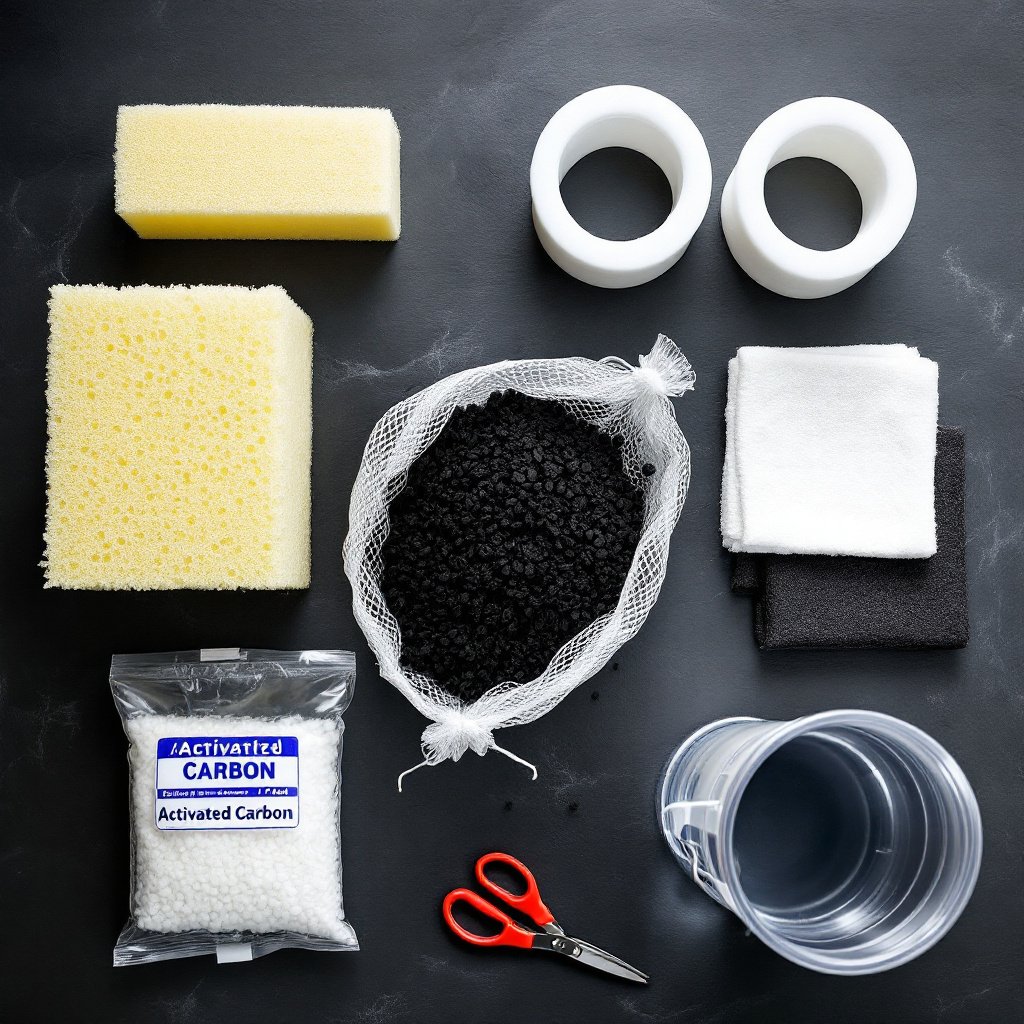
Keep it simple. A small sponge filter provides mechanical and biological filtration in one package. Bettas hate strong current anyway, so elaborate canister systems are overkill. I run basic sponge filters in my 5-gallon betta tanks, and the fish are thriving.
Building Your Filter Media Stack
Alright, let’s get practical. Whether you’re running a canister or HOB, here’s how to set up your media.
For Canister Filters
Bottom basket (water enters here):
– Coarse sponge or filter pad
– Maybe a second layer if your tank is heavily stocked
Middle basket:
– Ceramic rings, bio-balls, or your biological media of choice
– Pack it loosely for good flow
Top basket (water exits here):
– Fine filter floss or polishing pad
– Chemical media if using (in a mesh bag for easy removal)
For HOB Filters
Ditch the cartridge. Seriously. converting cartridge filters to custom media is one of the best upgrades you can make.
Instead, add:
– Coarse sponge cut to fit (blocks the intake area)
– Ceramic rings or bio-media in the main chamber
– Filter floss at the outflow
– Optional chemical media tucked behind the floss
Maintenance Schedule
- Rinse coarse mechanical media monthly in old tank water
- Replace fine filter floss when it’s visibly gunked (every 2 to 4 weeks depending on stocking)
- Never replace all media at once
- Change chemical media according to manufacturer recommendations, usually every 4 to 6 weeks for carbon
Wrapping Up: Your Checklist and Common Mistakes
Let me leave you with a simple checklist and the mistakes I wish someone had warned me about.
Your Personalized Filtration Checklist
- Every tank needs mechanical filtration: at minimum, a sponge that catches debris
- Every tank needs biological filtration: surface area for beneficial bacteria
- Chemical filtration is situational: planted tanks often skip it, while problem tanks benefit from it
- Order matters: coarse to fine, mechanical to biological to chemical
Common Mistakes to Avoid
- Replacing all filter media at once (you’ll crash your cycle)
- Running carbon continuously when you don’t need it
- Believing you need every type of media the store sells
- Ignoring media order in canister setups
- Never cleaning mechanical media (concentrated waste still produces ammonia)
Mechanical vs. chemical filtration in your aquarium doesn’t have to be complicated. Know what each type does, understand your specific tank’s needs, and stop throwing money at problems you don’t have. Your fish will thank you. Your wallet will thank you.
And if you’re just starting out, maybe cycle your tank first. Learn from my mistakes and poor Gerald’s sacrifice.