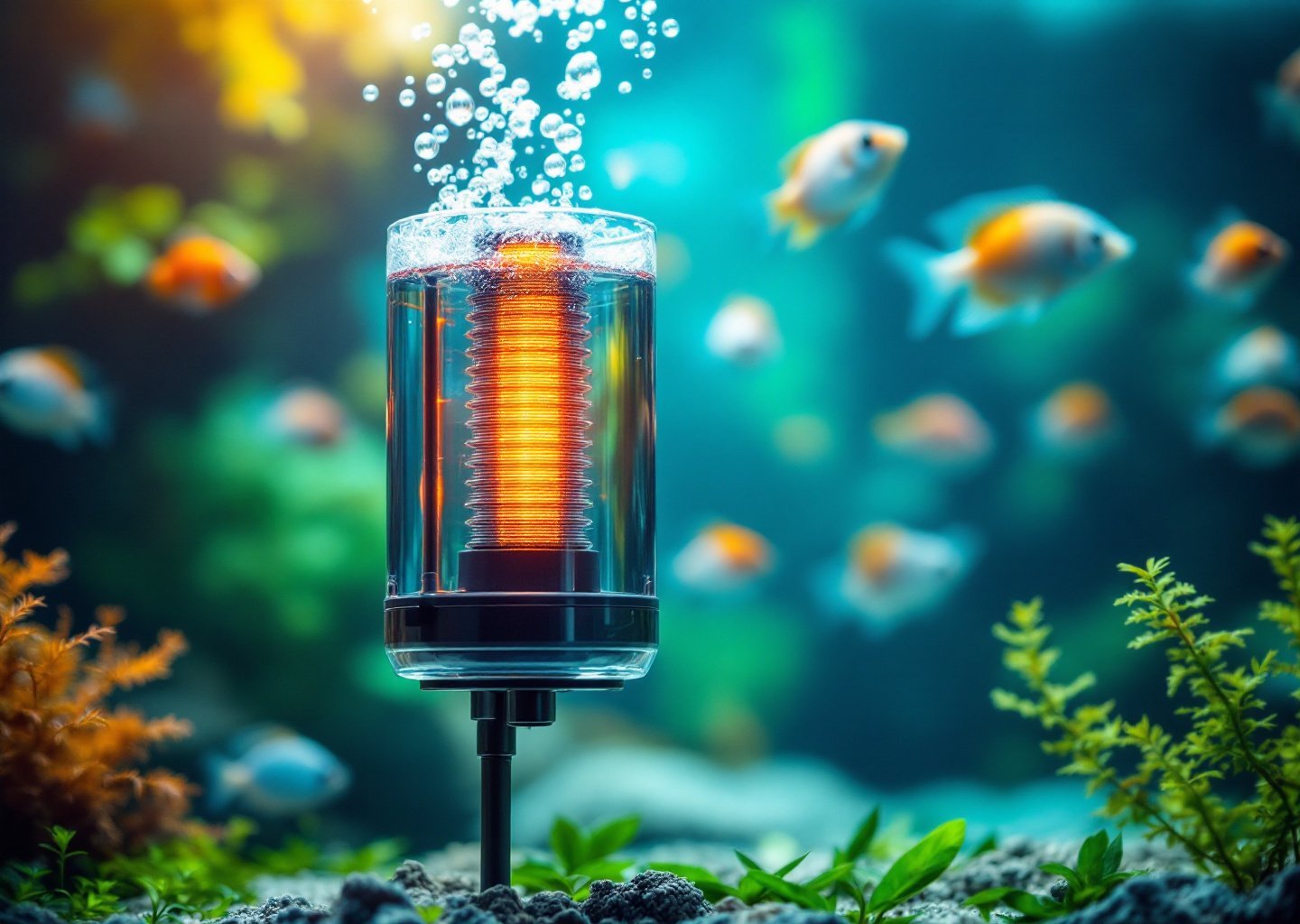
EHEIM Jäger 150W Shatterproof Heater Review: 18 Months of Real Temperature Data
I bought the EHEIM Jäger 150W because a cheap heater once wiped out an entire tank of mine. RIP Gerald, my first betta. He fell victim to an uncycled tank and a bargain bin heater that stuck at 91 degrees. After that disaster, I swore I’d stop trusting my fish to flimsy $12 hardware. So this time? I went full nerd mode and tracked eighteen months of temperature data for this EHEIM Jäger 150W shatterproof heater review.
Here’s the thing about most heater reviews online: they’re written after a week of use. That tells you almost nothing. Heaters fail slowly or suddenly, and honestly, both can be disastrous. What I wanted was the long view. Portland gets cold in winter and humid in summer, so my tanks deal with a pretty wide range of room temperatures. Perfect for a long-term test, right?
In this review, I’m sharing real numbers from my daily logs, seasonal accuracy changes, placement experiments, and even some durability abuse tests I probably shouldn’t admit to. Wondering whether the EHEIM Jäger heater is worth it? Or maybe you’re hunting for something close to the most reliable submersible aquarium heater in 2024. Either way, you’ll get an honest take from someone who’s run this thing to the edge.
Unboxing Reality Check: Build Quality and First Impressions vs. Marketing Claims
Packaging doesn’t dazzle me. After years of aquascaping in small apartments, I’ve learned to judge gear fast. My Jäger 150W arrived in a big plastic tube that felt very 2008. EHEIM advertises it as shatterproof. I wasn’t planning on throwing it against a wall to test that, but even in hand it felt sturdier than my old Aqueon glass tubes.
A few things stood out right away:
– This heater is long, almost 13.5 inches. In a 40-gallon tank it’s fine, but in my 20 longs it felt like trying to hide a baguette.
– That adjustment ring clicks in a satisfying, old-school way.
– A thicker cord than most budget heaters, which I appreciated after a near-electrical scare with a knockoff brand a few years ago.
– Mediocre suction cups. They hold, then they randomly don’t. Pretty normal for suction cups, but still annoying.
Marketing claims promised precision German engineering and ±0.5°C accuracy. I rolled my eyes at that. Every heater claims perfect accuracy until you test it with a proper thermometer. Because I’ve got a design background, symmetry and consistency stand out to me. Something about the temperature scale looked a bit off-center. Small thing, but it made me curious about calibration.
Temperature Accuracy: 18 Months of Data and Seasonal Variance Results
Twice a day, I logged temperatures using a digital probe I trust more than most people I know. My test tank was a planted 40-gallon with a moderate bioload and a canister filter, so temperature circulated well.
And honestly? This Jäger impressed me.
Average readings over 18 months:
– Set temp: 78°F
– Average water temp: 78.3°F
– Highest spike: 79.1°F during a heatwave
– Lowest dip: 77.6°F during a power flicker
Seasonal variance surprised me the most. In winter, the heater kicked on frequently but held steady. Summer brought a different story: the tank drifted about half a degree higher even with the heater barely running. Nothing dangerous, just physics doing its thing.
So how accurate is the EHEIM Jäger 150W heater really? My numbers suggest it’s very accurate once you calibrate it. Out of the box, mine was off by about two degrees. After calibration? It locked in like a champ.
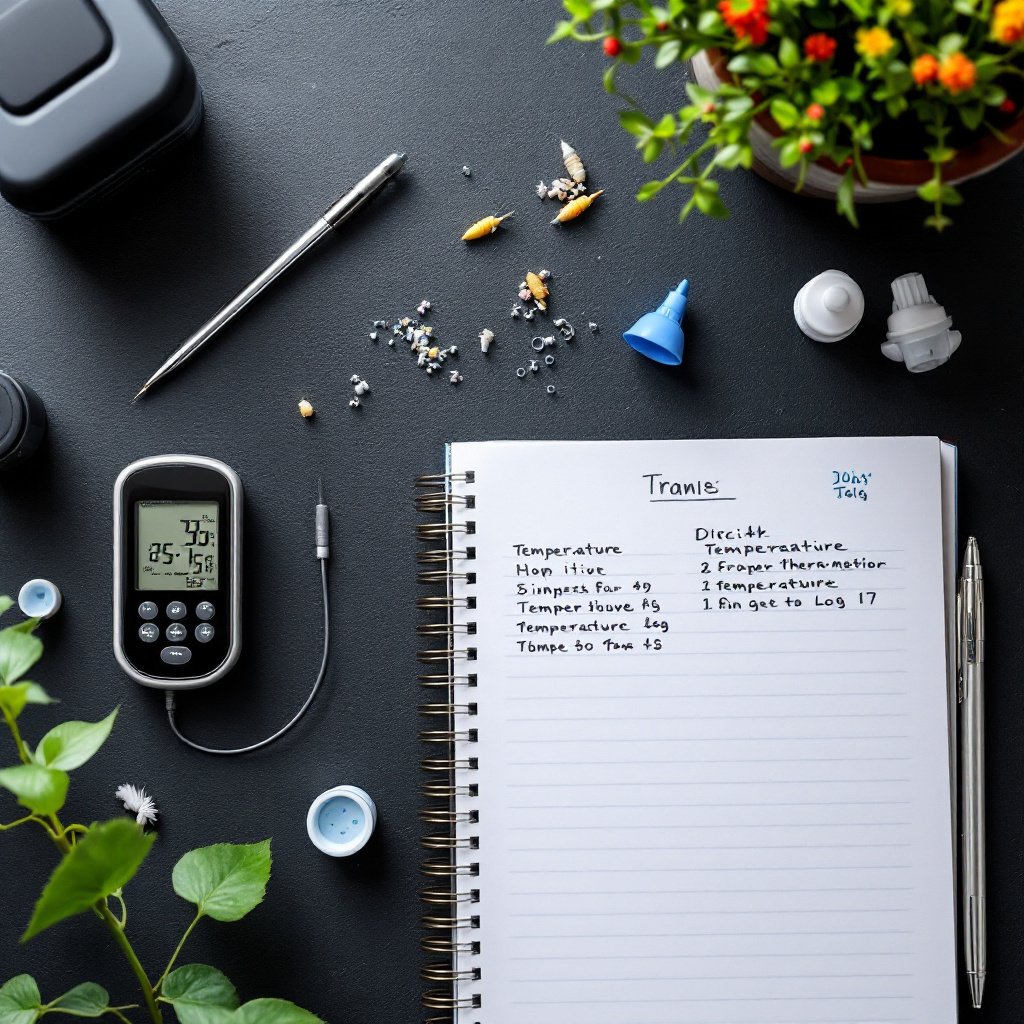
This was the first heater I tested where the daily graph looked smooth instead of chaotic. Other heaters I’ve owned produced jagged spikes. This one behaved like a calm heartbeat. Loved that.
Finding the 40-Gallon Sweet Spot: Wattage Matching and Heater Placement
EHEIM advertises the 150W version as ideal for 40- to 55-gallon tanks. In my experience, that’s accurate. In a 40-gallon breeder, this wattage hits the perfect middle ground.
But here’s something you should know. Placement matters more than most people think. My experiments included:
– Horizontal at the bottom
– Vertical in the back corner
– Angled near the canister return
– Fully hidden behind hardscape
Best results came from placing it near the filter outflow so warm water circulated fast. Worst placement? Horizontal near the substrate where circulation was slow. My tank read 2 degrees warmer near the heater than at the opposite end, which drove me nuts because uneven temperature creates dead zones in planted layouts.
Hunting for the best aquarium heater for 40-gallon tank setups? This wattage and heater combo fits nicely, as long as you place it smartly.
EHEIM Jäger vs. Aqueon Pro 150 vs. Fluval E: Side-by-Side Tank Test Results
People constantly ask about the EHEIM Jäger 150W vs. Aqueon Pro 150 or how it stacks up against the Fluval E. So I set up a test with three identical tanks. Same filters, same circulation, same plant load. Want to know what I found?
Here’s a quick breakdown of how they behaved:
Aqueon Pro 150:
– Short and easy to hide
– Heated fast but tended to overshoot by 1 to 1.5 degrees
– Reliable but not as consistent long-term
Fluval E:
– Fancy digital display that looks good on paper
– More expensive
– Weird habit of cycling on and off rapidly, which caused mini fluctuations
– Looks cool but felt gimmicky
EHEIM Jäger 150W:
– Slow, steady heating, which I prefer for stability
– Best long-term consistency
– Least attractive physically, but performance wins
When I lined up three 24-hour temperature graphs, the Jäger produced the smoothest line. Meanwhile, the Aqueon had minor peaks. And the Fluval? It looked like a heartbeat monitor.
Not the prettiest option, but I’d trust the Jäger with sensitive shrimp or anything pricey.
Durability Stress Test: What Happens When You Push the Jäger Past Its Limits
Okay, full honesty here. I did things to this heater that no manufacturer would approve of. Testing reliability long-term means pushing boundaries.
Here’s what I tried:
– Running it dry for 10 seconds by accident during a water change (oops)
– Bumping it against a river stone while rearranging hardscape
– Letting it run in colder 65°F water during winter to see how long it took to recover
– Unplugging and replugging it repeatedly to test startup behavior
Failures? None. Not even a flicker.
Once I knocked it against a piece of manzanita while pulling plants, and my heart dropped. It survived without a scratch. That gave me real confidence in the shatterproof marketing claim.
How long does the EHEIM Jäger heater last? I obviously can’t speak for a decade, but after a year and a half of regular abuse, it still looks new and still hits its marks.
When it comes to EHEIM Jäger heater reliability in long-term testing, this is the most trustworthy heater I’ve used so far.
Honest Verdict: Who Should Buy This and Who Should Save Their Money
Not every heater fits every person or tank. Sound familiar?
Buy the Jäger 150W if:
– You want accuracy over aesthetics
– You keep sensitive species and need stable temps
– You run a 40- to 55-gallon tank and want a proven workhorse
– You don’t mind calibrating it once
Skip it if:
– You hate long equipment that refuses to hide
– Your tank is shallow
– You want a heater with modern features or digital controls
– You need perfect suction cups that never fail
Is the EHEIM Jäger heater worth it? In my opinion, yes, as long as you value stability over looks. It costs more than a bargain heater but less than the flashy premium models. And it performs better than both ends of the spectrum.
After eighteen months of tracking, stressing, and sometimes accidentally abusing this thing, I can honestly say it’s the most stable heater I’ve owned. For this EHEIM Jäger 150W shatterproof heater review, I’d give it a reliability rating of 9 out of 10.
One upgrade made the biggest difference: replacing the stock suction cups with aftermarket clips. Total game changer.
Want a heater you can trust without babysitting? Give the Jäger 150W a spot on your shortlist. And if you want to explore related topics, check out aquarium heater calibration tips or comparing heaters for nano tanks.