How Long to Quarantine New Aquarium Fish (And the $300 Mistake That Taught Me Why)
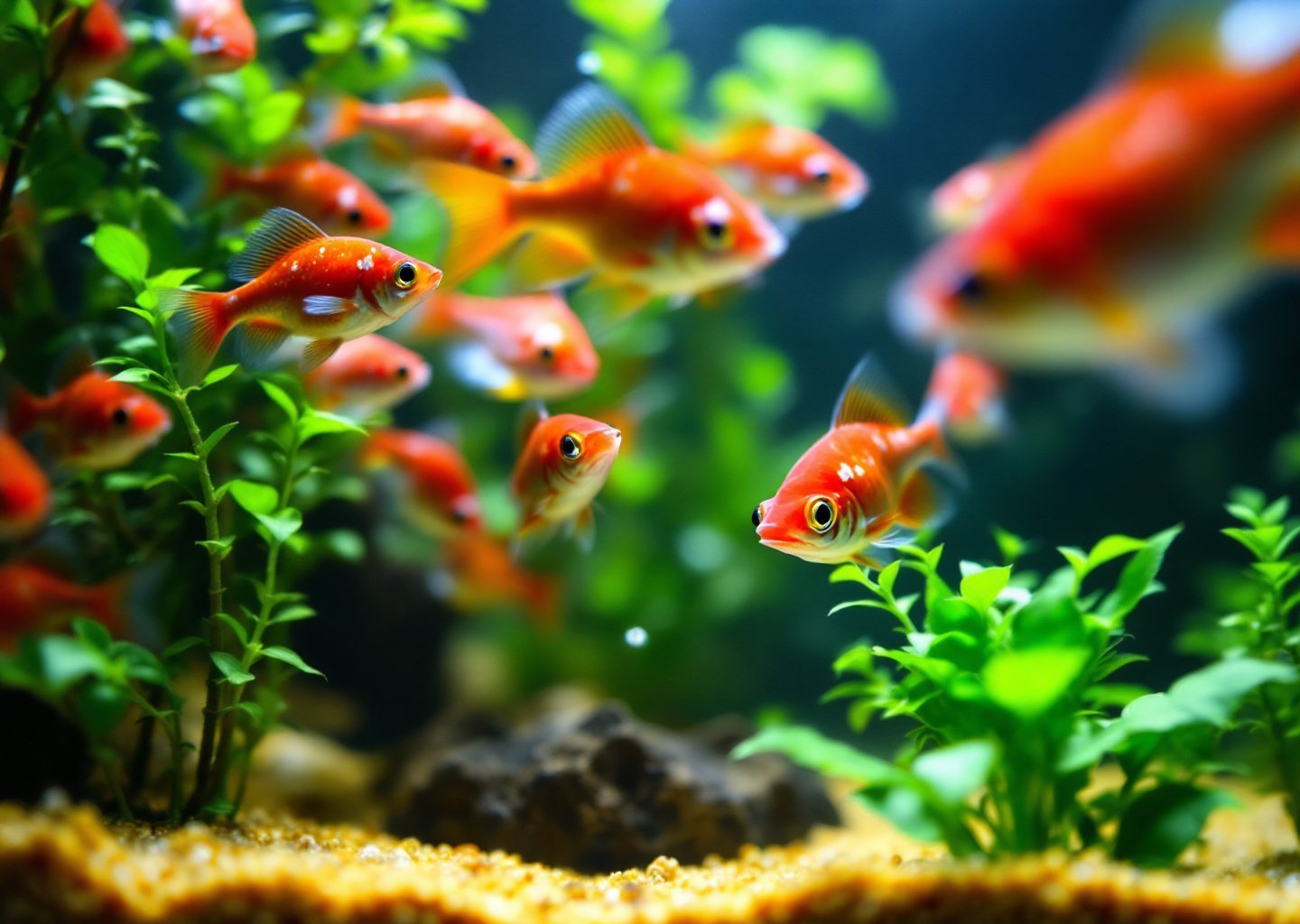
I still remember the morning my favorite planted 20-gallon looked… off. My chili rasboras, usually zippy and nosy little things, were hugging the substrate with tiny white dots on their fins. One frantic Google search later, I knew exactly what it was: ich. And all because I rushed quarantine. That mistake wiped out nearly $300 in fish, plants, and meds. If you’re here because you’re wondering how long to quarantine new aquarium fish, trust me, you’re already way ahead of where I was.
What I want to give you is something I desperately wish I’d had during my first year in the hobby. A realistic, experience-backed timeline for quarantining fish, plus a simple system that works even if you live in a tiny apartment with seven nano tanks (like I do). Every part of this guide comes from my own trial and error, including the moment I realized my $12 impulse buy at a random pet store caused the most expensive ich outbreak of my life.
The Day Ich Appeared and the $300 Lesson That Followed
My mistake started with a tank that was finally perfect. Crystal water. Lush plants. Rasboras schooling like a synchronized dance team. Then I decided the school looked a little thin and bought three more from a store I’d never visited before. Skipped quarantine because, honestly? They looked fine. Bright eyes, no clamped fins, nothing suspicious.
But here’s the thing. Ich doesn’t care about what you see. It cares about its incubation period, and that period lined up perfectly with me adding them straight to the tank.
By day three, white spots were everywhere. By day seven, half the school was gone. By day ten, I was calculating how much money I’d poured into meds, replacement plants, and a week of pure stress. That’s when I finally understood the real answer to how long to quarantine new aquarium fish.
Why Two Weeks Isn’t Enough
Most folks hear “two weeks” and assume that’s enough. Used to think the same thing myself. Then I learned incubation periods work on their own schedule, and they really don’t care about your impatience.
So what timeline do I actually use now?
- Hardy community fish like rasboras, guppies, and danios: 4 weeks
- Sensitive species like dwarf gouramis, rams, and fancy goldfish: 4 to 6 weeks
- Wild-caught fish: minimum 6 weeks
- Fish from big-box stores with mixed supplier stock: 4 weeks
What’s the problem with two-week quarantine? Well, parasites like ich can show visible spots within 2 to 7 days, but fish may already be infected before symptoms appear. The full life cycle runs 7 to 14 days depending on water temperature. Bacterial infections can hide even longer. And internal parasites? They might take three weeks to show up, especially if the fish came in stressed.
When someone asks me, “Do I need to quarantine fish from pet store trips?” my answer is a quick yes. The risk is simply higher, even with fish that look absolutely perfect in the cup or bag.
Quarantine Tank vs. Hospital Tank: Why Knowing the Difference Matters
Used to think they were the same thing. A tank’s a tank, right? Not quite. Knowing the quarantine tank vs. hospital tank difference actually saves you money on equipment.
Your quarantine tank serves as a stable holding space for observation, a place to use gentle preventative meds, and a temporary home while stress fades. Think of it as a decompression chamber for your new arrivals.
Hospital tanks work differently. These are treatment spaces for confirmed illness where you use strong meds like antibiotics. They’re usually bare-bottom with minimal decor for easy cleaning because you’re fighting something specific.
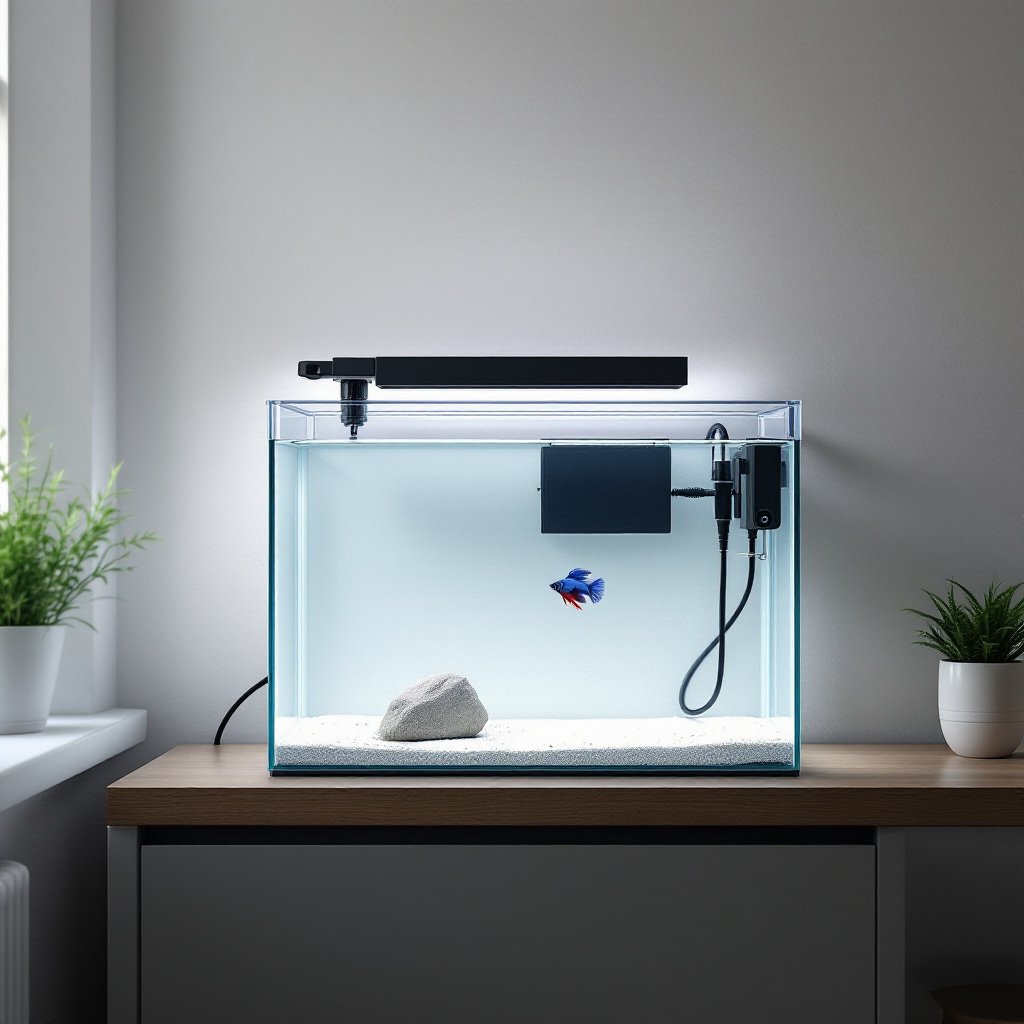
The part that tripped me up at first? Your quarantine tank doesn’t need to be permanently set up like your hospital tank might. Mine stays dry in a closet until I need it. The hospital tank stays dry unless disaster strikes. This setup keeps my apartment from turning into a labyrinth of buckets and air pumps.
The $47 Quarantine Setup That Actually Works
Plenty of students and apartment folks feel intimidated by the idea of setting up another aquarium. But I promise, a quarantine tank can be extremely simple. My own budget quarantine tank setup (under $50!) includes:
- Used 10-gallon from Craigslist: $10 to $15
- Sponge filter with air pump: $12
- Small heater with stable thermostat: $15
- Plastic tub lid or cheap mesh cover: $5
Done. Under $50.
If you came here searching for a new fish quarantine tank setup guide or wondering how to properly set up a quarantine tank for new fish, here’s your quick checklist:
- Bare bottom makes observation easy
- Add a simple hardscape piece like a thrifted rock for comfort
- Use a seasoned sponge filter if you can
- Keep light moderate because fish relax more that way
- Keep temperature stable within two degrees
Quarantine tank filter and heater requirements don’t need to be fancy. Stability matters way more than features.
The Trio Treatment Protocol Explained Simply
Some aquarists quarantine with observation only. Me? I use trio treatment because it’s saved me so many headaches that I’m loyal for life. It’s gentle, it covers the most common issues, and it fits neatly into the typical quarantine timeline for different fish species.
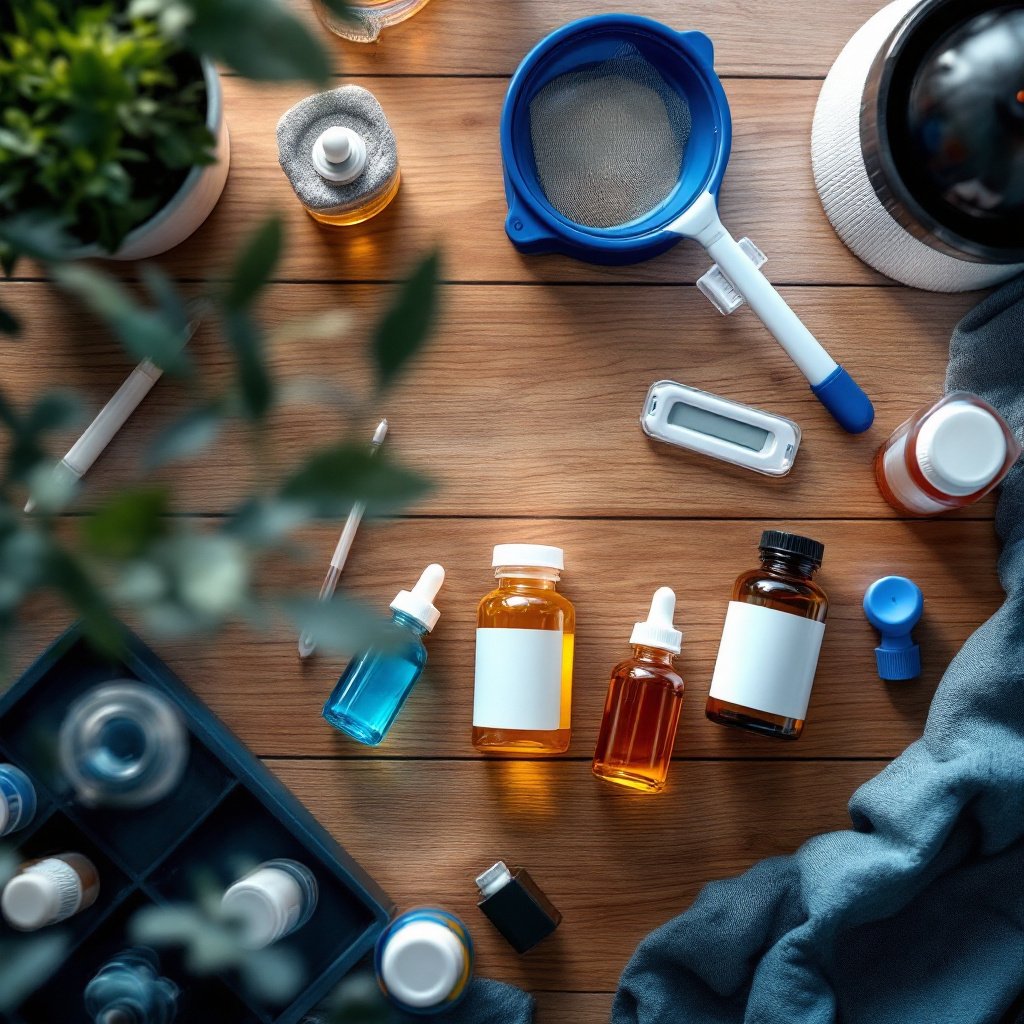
My trio consists of Ich-X or a similar mild antiparasitic, Maracyn or another light antibiotic, and Paracleanse or a general antiparasitic that treats both internal and external parasites.
You run these meds in stages. Not all at once. That part really matters.
- Week 1: antiparasitic
- Week 2: antibiotic
- Week 3: broad-spectrum antiparasitic
- Week 4: observe and feed normally
Anyone wanting the best medications for fish quarantine period will end up with some variation of this list. Honestly, it keeps things calm and predictable, especially when you’re juggling multiple tanks like I do.
Five Signs Your Fish Is Ready for the Main Tank
Been staring at your new fish for weeks wondering if it’s finally time? These are the signs your new fish is ready for main tank transfer:
- Eating aggressively at every feeding
- No foggy eyes, torn fins, spots, or odd swimming
- No bloating or stringy white poop
- Steady, relaxed gill movement
- Normal interaction with tank mates in quarantine
When all five line up, I usually start planning the move.
And Three Red Flags That Mean Keep Waiting
Sometimes fish look fine until you stare a little longer. Sound familiar? If you see any of these, restart your timeline:
- Flashing against decor or glass
- Color fading or random hiding
- That weird moment when only one fish refuses to eat
Used to ignore these tiny hints. That’s exactly how I ended up with the $300 disaster. Now? I trust the little signals.
Common Quarantine Mistakes That Undo All Your Effort
Some mistakes are tiny but undo everything. I’ve made each one at least once. (Learn from my pain, please.)
Biggest ones to avoid:
- Using nets or siphons from the main tank in quarantine, and vice versa
- Adding new fish to the quarantine tank mid-cycle
- Skipping acclimation and shocking fish during transfer
- Overfeeding in the first week, which raises ammonia fast
- Letting temperature swing between tanks during transfer
Fortunately, the steps for safely introducing quarantined fish to the main tank are pretty simple:
- Match temperature within one degree
- Dim lights for a few hours
- Add fish gently with a cup or container, not the bag
These tiny steps prevent a lot of unnecessary stress.
Quarantine used to intimidate me, until the day skipping it cost far more than the gear ever would have. Now it’s just a quick routine that lets me enjoy new fish without wondering if they’re smuggling parasites into my scapes.
So here’s what I actually do now:
- Four-week minimum for most fish
- Trio treatment spaced out by week
- No shared equipment
- Watch behavior daily, not just health
- Move only when every sign checks out
If you want more help on setting up small tanks or choosing nano species, check out my other guides like beginner-friendly nano fish or easy aquascapes for apartments.
Your future self will be so relieved you took quarantine seriously. And honestly? Your fish will too.