I Ran a Side-by-Side Filter Experiment for Six Months. Here’s What Actually Happened.
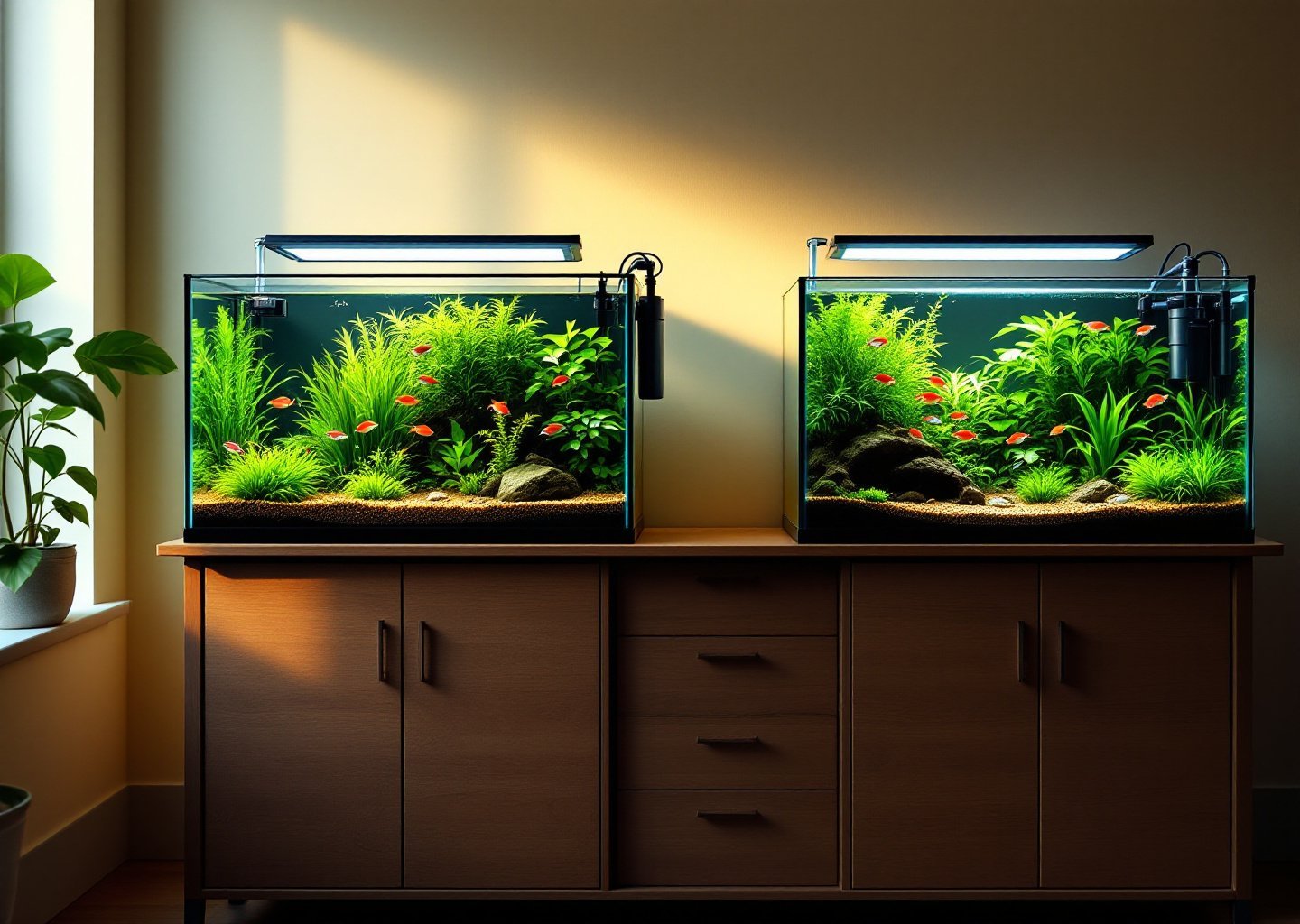
Last year, I did something that probably seemed ridiculous to my partner (who was already tolerating seven nano tanks in our Portland apartment): I bought both an AquaClear 70 and a Fluval 307 to run side-by-side tests on two nearly identical 55-gallon setups. One tank got the hang-on-back filter, one got the canister. Same substrate, same plants, same stocking. Different filtration philosophies.
Six months later? I’ve got data. Real numbers. And honestly, the results surprised even me.
Fishkeeping forums drive me a little crazy sometimes. Everyone’s got an opinion about hang-on-back filter vs. canister filter pros and cons, but almost nobody has actual comparative data. You’ll read that canisters are “always better” for tanks over 30 gallons. You’ll see people swear their HOB handles their 75-gallon cichlid tank just fine. So who’s actually right?
I needed to know for myself. After losing Gerald the betta to an uncycled tank back in my beginner days (yes, I’m still haunted by this), I’ve become kind of obsessed with understanding filtration properly. Not just forum wisdom, but actual performance metrics.
In this article, I’m sharing everything I learned: water parameters, maintenance logs, real costs, and a simple formula to help you figure out what your tank actually needs. Whether you’re asking “Do I need a canister filter for freshwater tank setups?” or just trying to find the best aquarium filter for a 55-gallon tank, I’ve got answers for you.
That GPH “Rule” Everyone Quotes? It’s Wrong.
Let me address the biggest misconception first. You’ve probably heard you need 4–5x turnover, meaning a 55-gallon tank needs 220–275 GPH. People repeat this everywhere.
It’s wrong. Or at least, wildly oversimplified.
Your ideal GPH for a 55-gallon aquarium depends entirely on what’s living in it. A heavily planted community tank with tetras and corydoras? You might actually want less flow. Plants help process waste, and small fish don’t exactly appreciate hurricane-force currents. But a tank with messy eaters like goldfish or a higher bioload? Now we’re talking about needing more turnover.
My testing revealed something interesting about 55-gallon aquarium filtration flow rate GPH requirements. Tank A (AquaClear 70, rated 300 GPH) maintained stable parameters with a moderate stocking level. Tank B (Fluval 307, rated 303 GPH) performed almost identically on water clarity and ammonia.
Raw GPH isn’t what matters most. Your filter’s biological media capacity relative to your bioload is the real key. More on that in a bit.
AquaClear 70 vs. Fluval 307: Six-Month Performance Data
Alright, time for the nerdy stuff. I tracked ammonia, nitrite, nitrate, and water clarity weekly for six months. Both tanks were stocked with 12 cardinal tetras, 8 sterbai corydoras, and a trio of honey gouramis. Same feeding schedule. Same water change routine (30% weekly).
Water Parameters (averaged over 6 months):
| Metric | AquaClear 70 | Fluval 307 |
|---|---|---|
| Ammonia | 0 ppm | 0 ppm |
| Nitrite | 0 ppm | 0 ppm |
| Nitrate (pre-water change) | 15–20 ppm | 12–18 ppm |
| Clarity Score (1–10) | 8.5 | 9.2 |
My canister tank did look slightly clearer, especially after feeding days. Nitrates ran a bit lower too. But what really jumped out at me was this: both filters kept ammonia and nitrite at zero consistently. With this stocking level, the AquaClear 70 was completely adequate.
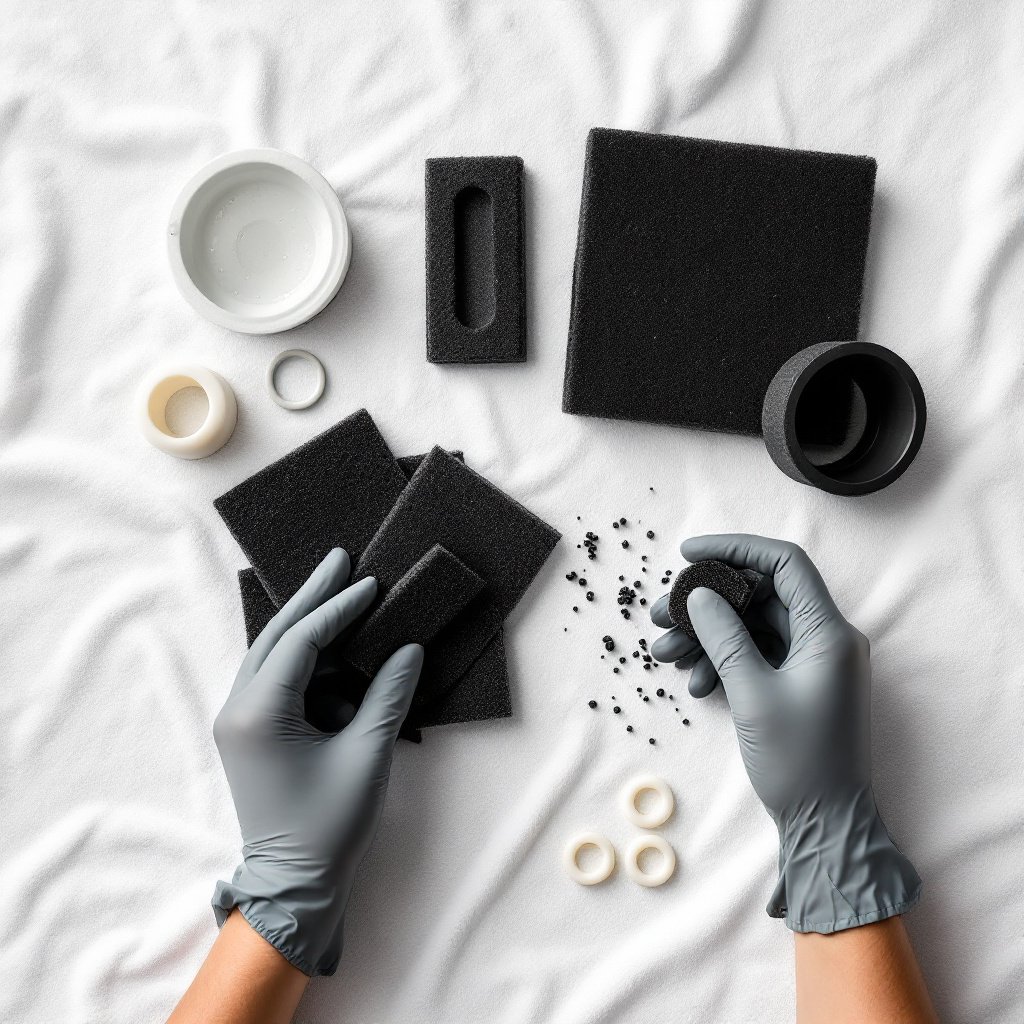
Noise comparison: A properly primed Fluval 307? Essentially silent. My AquaClear, on the other hand, creates a gentle waterfall sound that I personally love, but it’s definitely audible. Bedroom tanks? Yeah, this matters a lot.
Flow distribution: Canisters win here, hands down. With the spray bar, I could direct flow exactly where I wanted it, which is great for aquascaping aquascaping for beginners. An HOB creates a concentrated flow at one end of the tank. Not always ideal.
Nobody Talks About Real Maintenance Costs. Let’s Fix That.
When people ask “Is a canister filter worth it for medium tanks?” they usually focus on purchase price. Big mistake. Real cost gets measured in time and replacement media over years.
Year One Cost Breakdown:
AquaClear 70:
– Filter: $35–60
– Foam replacement (2x): approximately $10–15
– Carbon (optional, I skip it): $0
– BioMax refresh: approximately $12–18
– Total: roughly $57–93
– Maintenance time: ~10 minutes monthly
Fluval 307:
– Filter: $150–170
– Replacement foam pads: approximately $15–20
– Bio-foam: approximately $10–15
– O-ring lube: $6
– Total: roughly $181–211
– Maintenance time: ~25 minutes monthly
Note: Replacement media prices vary by retailer and change over time. Check current prices before you start budgeting.
So the canister costs more than twice as much in year one. And the maintenance? Disconnecting hoses, hauling a heavy canister to the sink, cleaning multiple media baskets, re-priming. It takes longer. Every. Single. Time.
After five years? That cost gap narrows percentage-wise, but you’ll have spent significantly more hours maintaining the canister. Worth considering if time is money to you.
A Simple Formula to Calculate What Your Tank Actually Needs
Stop asking “What size filter do I need for a 55-gallon tank?” and start asking about bioload. I use a simplified formula that’s worked across my seven tanks:
(Number of fish inches) × (Messiness factor) = Bioload Score
Messiness factors:
– Clean fish (tetras, rasboras): 1.0
– Moderate (angels, gouramis): 1.5
– Messy (goldfish, plecos, large cichlids): 2.5
Bioload Score Guidelines:
– Under 40: A quality HOB handles it just fine
– 40–70: Consider a canister or HOB + supplemental filter
– Over 70: Canister strongly recommended
Both my test tanks had roughly 24 inches of fish at 1.0 messiness, giving a Bioload Score of 24, well within HOB territory. No wonder both filters performed so similarly.
Heavy stocking or messy species? Things change. A planted 55-gallon with six fancy goldfish (Bioload Score: 72+) genuinely needs a canister. That extra biological media capacity and mechanical filtration handles the waste load way better.
My Favorite Budget-Smart Alternative (That Nobody Recommends)
Want to know my favorite approach when people are weighing their options between HOB and canister filtration? Don’t choose. Use a combo.
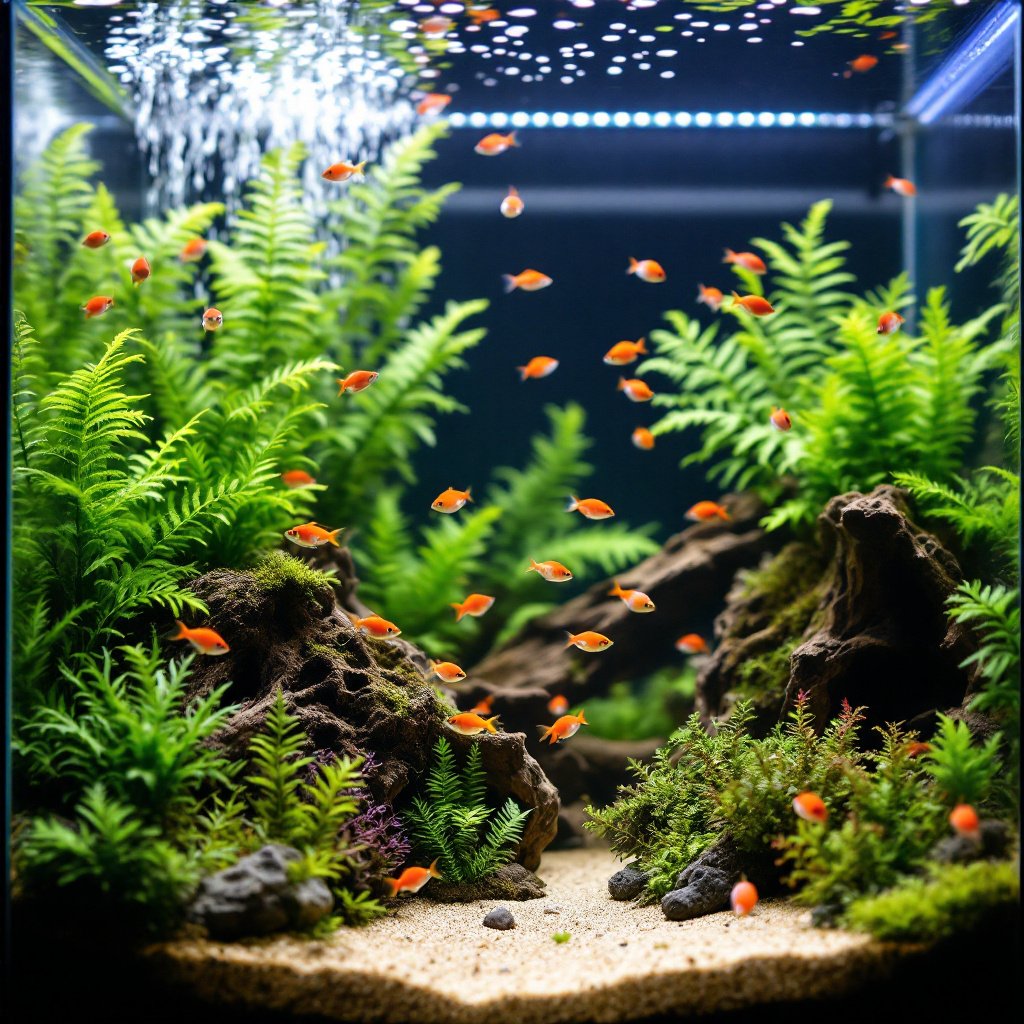
My personal 55-gallon display tank at home (not the test tanks) runs an AquaClear 70 paired with a medium sponge filter tucked in the back corner. Total cost: under $75. Two years now, and it’s handled my community tank flawlessly.
Why does this work so well?
– Redundancy: If one filter fails, your cycle survives
– Flexibility: Easy to seed a new tank by just moving the sponge
– Oxygenation: Air-driven sponges add surface agitation
– Cost: Even the most reliable HOB filter for large aquariums plus a sponge costs less than a mid-range canister
Sure, sponge filters aren’t pretty. I won’t lie to you about that. But hide it behind some tall plants or driftwood choosing aquarium driftwood. Problem solved. Does my design background scream at me sometimes? Absolutely. But functionality wins.
When someone asks if an HOB filter isn’t enough for a 55-gallon tank, I tell them this: it’s probably enough if your stocking is reasonable. And if you want extra insurance, a $15 sponge filter gets you there cheaper than a $180 canister.
What About Planted Tanks?
Quick note for my fellow plant nerds. Running a heavily planted tank with CO2 injection? Canisters offer one genuine advantage: you can run an inline CO2 diffuser and an inline heater. Cleaner look, less equipment cluttering up the tank. Serious aquascapers focused on aesthetics? This really matters.
But low-tech planted setups like most of mine? An HOB combo works perfectly fine. My AquaClear provides gentle surface agitation without gassing off too much CO2 from root tabs and fish waste. And I can actually see my tank without hoses everywhere. You know what I mean?
So Which Filter Should You Actually Buy?
After six months of data collection and years of running both filter types, here’s my honest take on the best filtration setup for 55-gallon freshwater tanks:
Get a canister if:
– You’re keeping messy fish (goldfish, large cichlids, big plecos)
– Noise is a dealbreaker and you need near-silence
– You’re running a high-tech planted setup with inline equipment
– Your Bioload Score is over 70
Stick with an HOB (or HOB + sponge) if:
– You’re running a moderate community setup
– You value easy maintenance and lower costs
– You’re a beginner wanting simple, reliable filtration
– Budget matters to you
I’m honestly done hearing that canisters are always better. It just isn’t true. Most hobbyists asking how to choose a filter for a 55-gallon tank? A quality HOB handles the job at half the price and a fraction of the maintenance hassle.
So here’s my final recommendation: Start with an AquaClear 70 or similar quality HOB. Add a sponge filter for backup. Run it for six months. Are you constantly battling water quality issues with reasonable stocking? Then upgrade to a canister. But I bet you won’t need to.
And if my partner asks: no, this experiment absolutely didn’t justify adding two more 55-gallon tanks to our apartment. Even if I learned a lot. Even if the data was really good. We definitely don’t have room.
Probably.