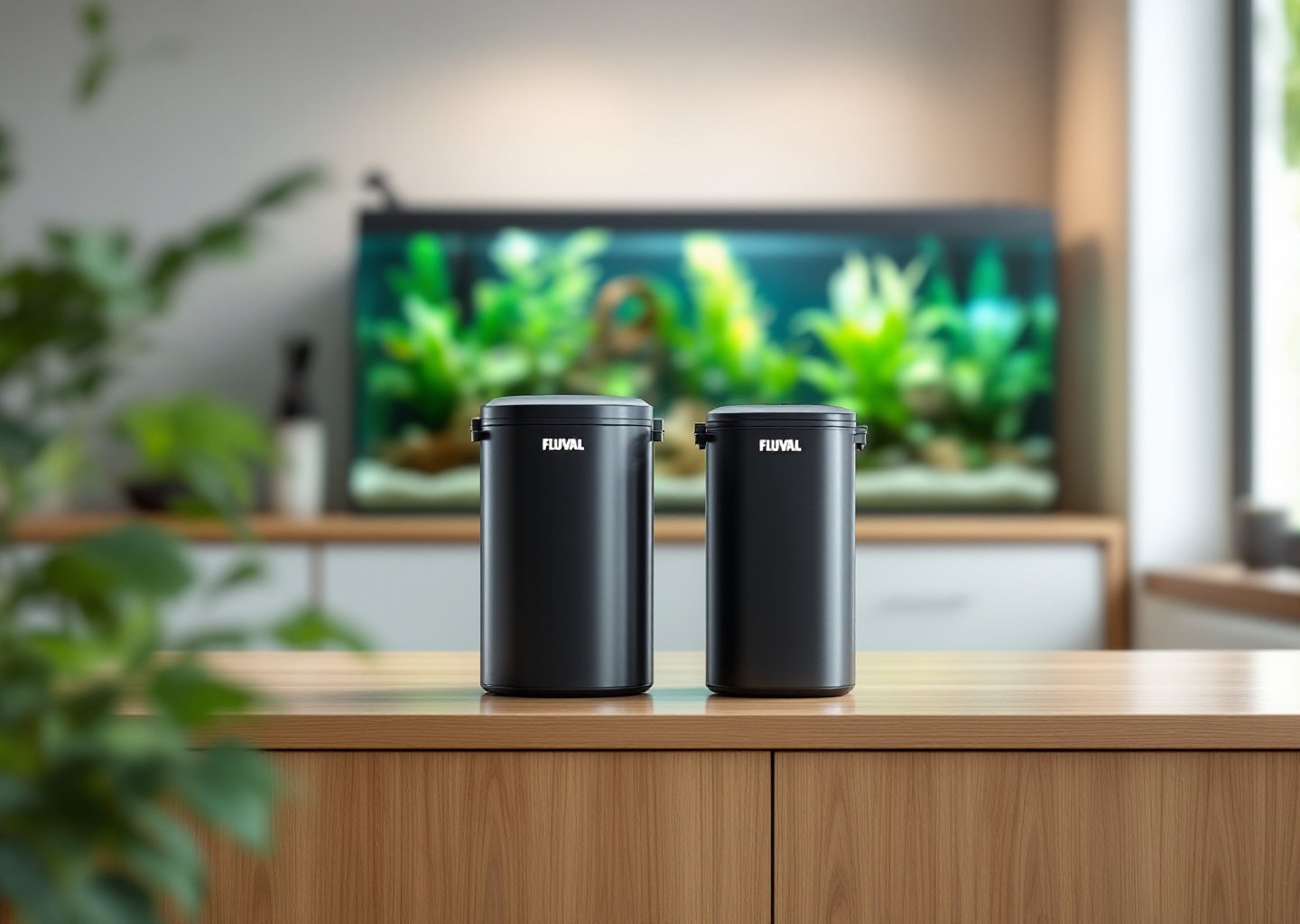
Fluval 207 vs. 307: Six Months of Real Testing in My Apartment
I bought the Fluval 207 and 307 because I was tired of guessing which one actually made sense for a real apartment tank. Specs can say whatever they want, but my plants, my shrimp colonies, and my partner who notices every hum and buzz have their own opinions. So I ran both filters side by side for half a year, on nearly identical setups, to finally settle the Fluval 207 vs. 307 debate in a way that felt real.
Most comparisons lean on manufacturer numbers, but you deserve more than a spec sheet. What I wanted to know was how these filters behave at month six, not hour one. You’ll see actual flow measurements, noise readings, media setups, maintenance notes, and how each one handled a 40-gallon aquarium. If you’re trying to figure out which Fluval canister filter you should choose, 207 or 307, this is written from the perspective of someone who’s lived with both humming under real furniture in a real apartment.
The Specs Everyone Quotes vs. What Actually Matters for Your Tank
People love quoting max GPH and wattage. I used to do the same until I killed my first betta, Gerald, with an uncycled tank because I trusted marketing more than biology.
Specs that look good on a box:
– Max flow rate
– Pump head height
– Power consumption
– Media basket count
Specs that actually matter once the filter gets dirty:
– How fast flow drops as gunk builds up
– Whether you can maintain it without cursing at 9 PM after a long workday
– Actual noise levels with cabinet vibration
– Media flexibility for planted vs. heavily stocked tanks
On paper, the difference between the Fluval 207 and 307 looks simple. Basically, the 307 has a higher stated flow and slightly larger media baskets. But on tanks below 40 gallons, those small differences play out in unexpected ways. With my graphic design brain caring a lot about how water movement interacts with plants, I quickly learned that raw flow isn’t ever the full story.
Flow Rate Reality Check: GPH Measurements at 1, 3, and 6 Months
Using a simple inline flow meter, I measured the output on both filters. Not perfect, but consistent enough to show trends. Both filters were run with identical media setups on similar tanks with the same feeding schedule. No tinkering.
For reference, the manufacturer rates the Fluval 207 at 206 GPH and the Fluval 307 at 303 GPH. Real-world measurements came in lower, which is typical once you add media and account for plumbing.
Month 1: Fresh and Clean
- Fluval 207: 178 GPH
- Fluval 307: 261 GPH
These numbers look good, and they track reasonably with the rated specs when you factor in media resistance. What stood out immediately was how the 307 pushes a much stronger column of water. My stem plants in that tank visibly swayed more, which honestly made trimming easier.
Month 3: Real Life Hits
- Fluval 207: 138 GPH
- Fluval 307: 198 GPH
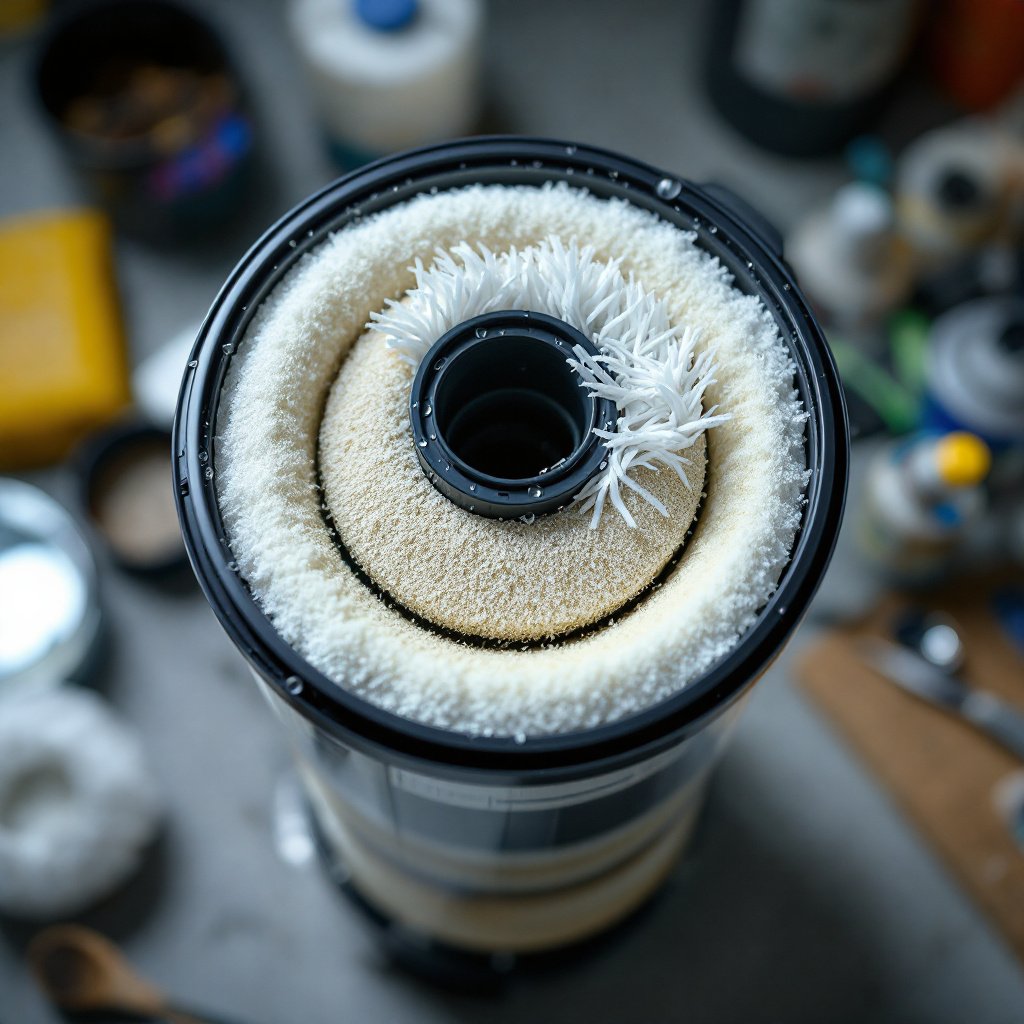
Here’s where the Fluval 207 vs. 307 flow rate comparison got interesting. Both dropped, but the 307 held its flow better. Why? Larger media volume seemed to slow down clogging. Neither tank developed dead spots, but my pearl weed on the 207 started compacting.
Month 6: Time for Maintenance
- Fluval 207: 109 GPH
- Fluval 307: 156 GPH
Neither crashed, but the 207 definitely hit the point where water polishing suffered. Meanwhile, the 307 still had enough oomph that it didn’t look tired.
So is the Fluval 307 worth the upgrade based on flow alone? If you’re running high plant mass or messy fish, I lean toward yes.
The Noise Test: Decibel Readings and Which One My Partner Actually Noticed
A simple phone app from one foot away inside a cabinet gave me these readings. Not perfect science, but consistent.
Readings
- Fluval 207: around 36 dB in my testing
- Fluval 307: around 38 dB in my testing
Both are quiet. On paper, the Fluval 207 vs. 307 noise comparison seems close, but human perception is funky. Here’s the thing: my partner, who notices every random buzz in our apartment, immediately asked what changed when I first set up the 307. It has a slightly lower hum pitch that carries farther through wood. Not loud, just more noticeable in a quiet room.
For anyone with tanks in a bedroom? Pick the 207.
Media Capacity Breakdown: How I Set Up Both and When Each Needed Cleaning
Both filters got the exact same media:
– Bottom basket: Fluval bio foam
– Middle: Ceramic rings
– Top: Purigen or fine poly floss depending on the month
Simple physics hands the win to the 307 here. More room means longer stretches between maintenance. In my experience, servicing the 207 happened roughly every 5 to 6 weeks. With the 307, I typically lasted about 7 to 8 weeks before the flow drop annoyed me enough to crack it open.
Over time, the 307’s media capacity and gallons-per-hour retention was much better. Not double, but noticeably smoother.
For anyone wondering whether the Fluval 207 vs. 307 price difference is worth it, this is where the extra cost starts justifying itself. More media room equals fewer Saturday mornings spent rinsing gunk.
The 40-Gallon Sweet Spot: Which Filter Won for Planted vs. Heavily Stocked Tanks
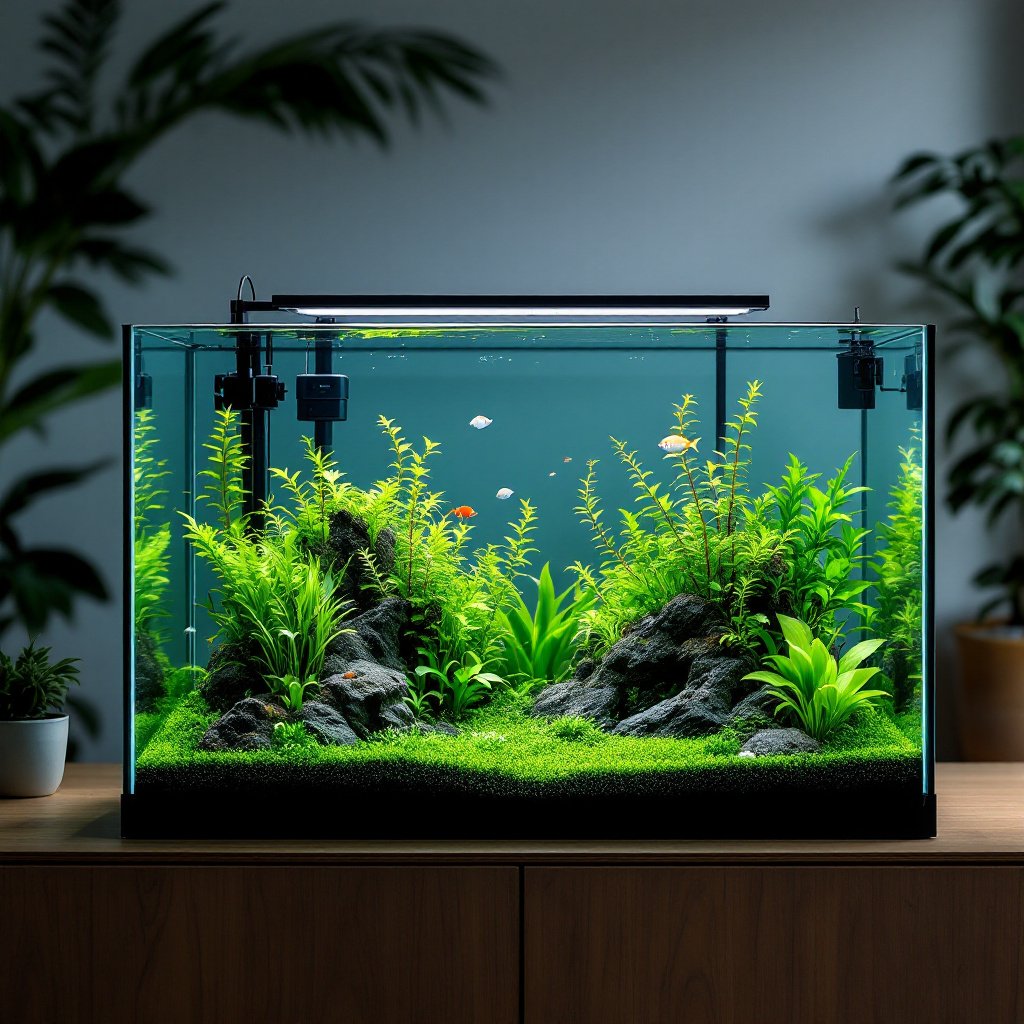
Forty-gallon tanks are my favorite. They hit that sweet spot for aquascaping, especially if you’re tight on apartment space but still want some drama.
For Planted Tanks
Honestly, the 207 was enough. A 40-gallon planted tank with carpeting plants and delicate stems got a soft flow that kept things moving without ripping roots out. If you’re looking for the best canister filter for a 40-gallon planted aquarium setup and you aren’t overstocking, the 207 works beautifully.
For Heavily Stocked Tanks
Different story entirely. A second 40-gallon tank housed a messy group of livebearers, plus shrimp and snails. The 307 handled the waste way better. Water stayed clearer, and vacuuming detritus became a less frequent chore.
If you’re comparing the Fluval 207 vs. 307 for heavily stocked tanks, pick the 307 every time.
For Anyone Stuck Asking: Fluval 207 vs. 307 for a 40-Gallon Tank?
Use this quick rule:
– Lightly stocked or heavily planted tank: 207
– Heavy bioload or fast-growing stem jungle: 307
After six months of real-world use, here’s my simple decision tree for choosing between the 207 and 307.
Pick the Fluval 207 if:
– Your tank is in a bedroom or quiet room
– You keep plants that prefer gentle flow
– Your bioload is light
– You want to save money and space
Pick the Fluval 307 if:
– You have a 40-gallon or larger tank with lively fish
– You want longer stretches between maintenance
– Stronger flow helps your aquascape
– You’re wondering if the Fluval 307 is worth the upgrade and want a yes that feels earned
Skip both if:
– Your tank is under 15 gallons (go with a smaller filter)
– Your tank is over 75 gallons (step up to the 407 or larger)
If you want next steps, I recommend reading guide to setting up a canister filter and planted tank flow optimization tips. They pair nicely with whichever filter you choose.
And if you’re like me and already eyeing your next aquascape layout, good luck convincing whoever you live with that you definitely have room for one more tank.