Your Tank Looks Clean, But Your Fish Might Be Dying
Your tank water can look crystal clear and still be quietly staging a fish apocalypse. I learned this the hard way with Gerald, my first betta, who lived in an uncycled tank because I thought clear water meant clean water. If someone had sat me down and explained ammonia, nitrite, and nitrate levels for beginners, he might still be swimming. So let’s make sure your fish don’t meet the same fate.
New fishkeepers usually fixate on decorations, colors, and picking the cutest fish. I get it. My graphic design brain loves a good aquascape more than almost anything. But none of that matters if your water chemistry’s a mess. The invisible nitrogen cycle creates poisons, then slightly less dangerous poisons, then fertilizer. Once you understand how those three steps work, you’ll stop reacting to problems and start preventing them.
In this guide, I break down each stage in simple language, show you how to test aquarium water quality at home, and give you a survival plan for your first month. By the end, you’ll know the ideal water parameters for freshwater aquarium fish and how to keep them stable without feeling overwhelmed.
What’s Actually Happening in Your Tank
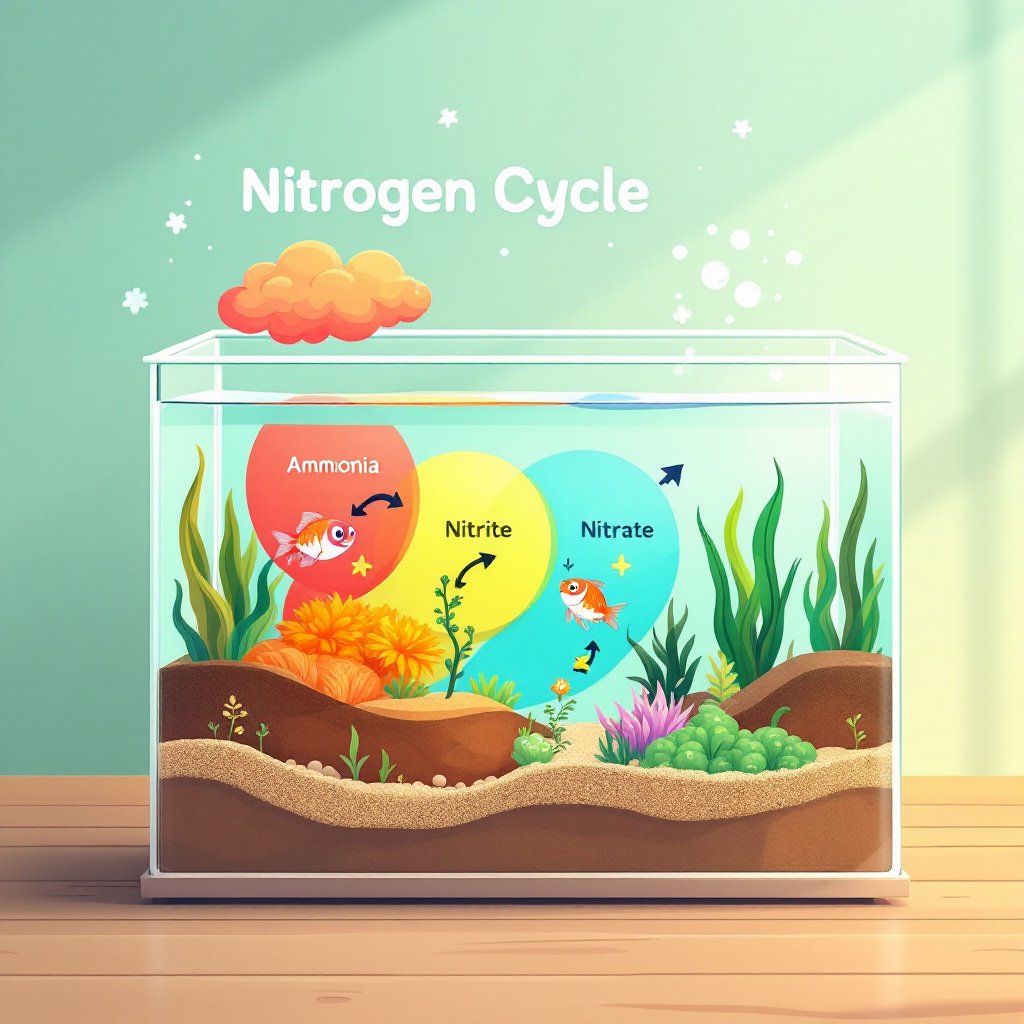
Picture your tank like a tiny underwater city. Fish poop, leftover food rots, and plants drop leaves. All that waste breaks down into ammonia. Ammonia is bad. Think of it like burning plastic fumes creeping through your little city.
Then bacteria move in and munch on the ammonia. They turn it into nitrite. Nitrite’s still bad, kind of like secondhand smoke filling the streets.
Another set of bacteria eats nitrite and turns it into nitrate. Nitrate is way less dangerous, almost like compost. Plants can use it, and you can remove it with water changes.
That cycle never stops. It’s the heartbeat of your tank. Understanding it is the entire foundation of nitrogen cycle and aquarium water chemistry basics.
Ammonia: The Silent Killer That Strikes New Tanks First
Ammonia shows up the moment anything organic breaks down. In a brand-new tank, there aren’t any bacteria to handle it yet. That’s why cycling a tank matters and why so many beginners lose fish in week one.
What Causes Ammonia Spikes in Fish Tanks
The usual suspects:
– A brand-new, uncycled aquarium
– Overfeeding
– Too many fish added at once
– A dead fish hidden behind hardscape
– Filters that were rinsed under tap water
– Overcleaning gravel
Safe Levels
Zero. That’s it. Any color on your test kit means your fish are already stressed. Even 0.25 ppm can burn gills.
How to Lower Ammonia in a Fish Tank Fast
These steps have saved me more than once:
– Do a large water change, usually 40 to 50 percent
– Add bottled beneficial bacteria
– Stop feeding for a day or two
– Use a detoxifier that temporarily neutralizes ammonia
– Increase surface agitation for oxygen
Look for the root cause too. Did you overfeed? Scoop out the leftovers. Something die? Remove it immediately.
Nitrite: The Second Wave Most Beginners Don’t See Coming
Nitrite appears right after ammonia starts dropping. Ammonia’s the villain of week one. Nitrite’s the villain of weeks two through four. This step caught me completely off guard when I cycled my first real aquascape.
Why Nitrite Is Dangerous
Nitrite blocks a fish’s ability to carry oxygen. So they might gasp at the top, even if you’ve got an air stone running. It’s a slow, miserable experience for them.
What Nitrite Levels Should Be
Just like ammonia, nitrite should always be zero once your cycle’s complete.
How to Respond to Nitrite Spikes
Here’s what I recommend:
– Partial water changes every day during the spike
– Adding bottled bacteria
– Using aquarium salt if the fish species tolerates it
Salt helps protect gills. One tablespoon per 10 gallons works well in emergencies.
Nitrate: The Slow Burn That Builds Up Over Time
Once nitrite drops, you’ll start seeing nitrate. Totally normal. Actually, it means your tank is cycling correctly.
Why Nitrate Matters
Nitrate doesn’t kill fast. It kills slowly by stressing fish, weakening immune systems, and fueling algae blooms that turn your tank into pea soup.
Ideal Nitrate Levels
Most freshwater fish do well at 10 to 40 ppm. My planted tanks stay closer to 20 because the plants love it.
Why Water Changes Matter
Water changes are the only reliable way to lower nitrate. Many beginners skip this step because clean-looking water must be fine, right? Nitrate says otherwise.
Ever wondered how often you should test aquarium water? Once a week is perfect for most tanks.
Your Water Testing Starter Kit: Which Test Kit to Buy and a 5-Minute Weekly Routine
You need a test kit. No exceptions. Guessing is how fish die.
The Best Water Test Kit for Fish Tank Beginners
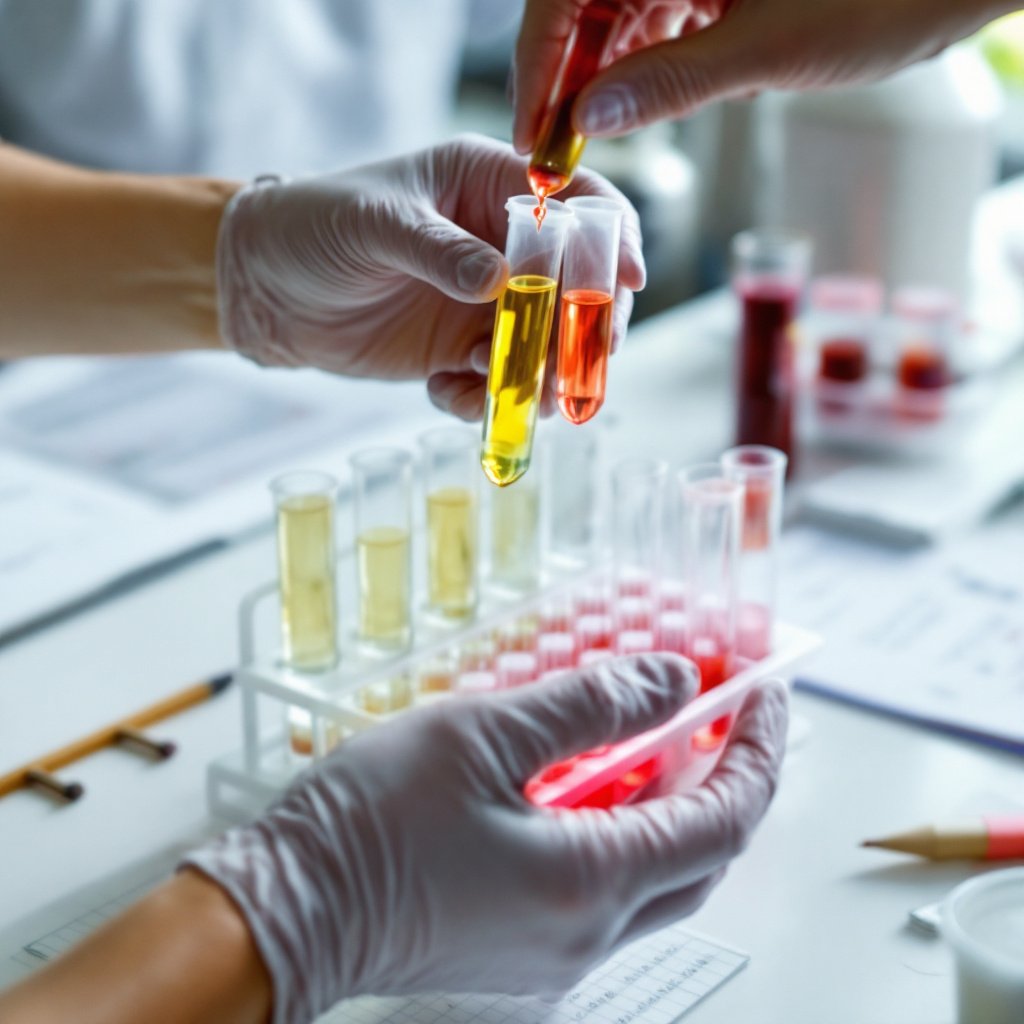
Always go with a liquid test kit instead of strips. Liquid tests are more accurate, cheaper long-term, and easier to read consistently.
Your 5-Minute Weekly Routine
- Test ammonia
- Test nitrite
- Test nitrate
- Test pH
- Write the results in a notebook or on your phone
Tracking helps you spot trends. Want to learn how to stabilize pH in aquarium setups? First step is knowing what your pH is and how it behaves over time. Most tropical tanks sit around 6.8 to 7.6, which matches typical pH levels for tropical fish tanks.
Emergency Cheat Sheet: Exact Steps When Each Parameter Goes Wrong
Here’s your quick-reference water parameters chart for common aquarium fish emergencies. Feel free to print this.
Ammonia Above Zero
- Stop feeding
- Change 40 to 50 percent of the water
- Add bacteria starter
- Add ammonia detoxifier
- Check filter media for clogs
- Keep testing daily
Nitrite Above Zero
- Change 30 to 40 percent of the water
- Add bacteria starter
- Add aquarium salt if safe for species
- Increase aeration
- Retest daily
Nitrate Above 40 ppm
- Do a larger water change, usually 50 percent
- Remove trapped waste from substrate
- Reduce feeding slightly
- Add fast-growing plants
- Repeat water changes until it reaches 20 ppm
For more details, try how to cycle aquarium for beginners or how to test aquarium water quality at home.
Your First Month Game Plan
Your first 30 days of fishkeeping should revolve around one thing: the nitrogen cycle. Learn it once and use it forever.
Here’s the plan I give every friend who starts their first tank:
– Week 1: Set up the tank, add hardscape, add plants, start cycling
– Week 2: Test daily, record ammonia, nitrite, and nitrate levels, add bacteria
– Week 3: Watch nitrite rise then fall, keep water changes small and steady
– Week 4: Add fish only when ammonia and nitrite stay at zero for several days
– Ongoing: Test once a week and change 20 to 30 percent of the water
Stick with this, and your fish will live longer. Your aquascapes will thrive. And you get to focus on the fun parts like color theory, plant trims, and designing something beautiful in a tiny underwater world. You won’t repeat my mistake with Gerald.
Your tank is a living system. You’re learning to care for it, one test tube at a time.