My First Fish Died Because Nobody Told Me About Invisible Bacteria
I’ll never forget staring at my first tank, watching Gerald the betta slowly fade away, wondering what on earth I was doing wrong. The water looked crystal clear. I’d fed him the right amount. But here’s the thing: nobody told me the most important thing happening in your aquarium is completely invisible. Gerald died because I didn’t understand that my beautiful new tank was essentially a toxic soup, lacking the microscopic heroes that keep fish alive.
Right now, billions of bacteria are working 24/7 in established aquariums everywhere, processing deadly waste into something fish can actually survive in. Beneficial bacteria for fish tank nitrogen cycle management? They’re literally the difference between a thriving underwater world and a cloudy death trap. The problem is that nobody can see them working.
And that’s what makes the nitrogen cycle so confusing for beginners. You’re trying to understand and nurture something you can’t observe directly. So instead of throwing abstract chemistry at you, I’m going to take you on a “follow the bacteria” tour. We’ll track where these microbes actually live, watch what they’re doing at each stage, and learn to read the visible signs that tell you what’s happening beneath the surface.
By the end of this guide, you’ll know exactly what beneficial bacteria in aquariums are, and how to become the best landlord these tiny tenants could ask for.
What Beneficial Bacteria Actually Are: Meet Your Tank’s Cleanup Crew
When we talk about “good” bacteria, we’re really talking about two distinct groups with two different jobs.
Ammonia-Oxidizing Bacteria (AOB)
These are your first responders. Bacteria in the genus Nitrosomonas grab onto ammonia, the toxic waste your fish excrete through their gills and produce from decomposing food, and convert it into nitrite. Think of them as the bacteria handling the first shift of waste processing.
Nitrite-Oxidizing Bacteria (NOB)
Nitrobacter and Nitrospira come in at this stage. They take that nitrite (still toxic, by the way) and convert it into nitrate. Nitrate is the end product, and while it’s not harmless, plants can absorb it and regular water changes keep levels safe.
Here’s the catch: both teams need to work in sequence. Got just AOB? Ammonia gets converted, but then nitrite builds up and poisons your fish anyway. It’s like having a garbage collector who picks up your trash but dumps it in your living room. Not exactly helpful.
So what’s the key difference between beneficial bacteria vs. harmful bacteria in a fish tank? These nitrifying bacteria don’t cause disease. They’re the good guys, aerobic organisms that need oxygen and just want a nice surface to cling to while they munch on fish waste.
Where Beneficial Bacteria Live in Your Aquarium
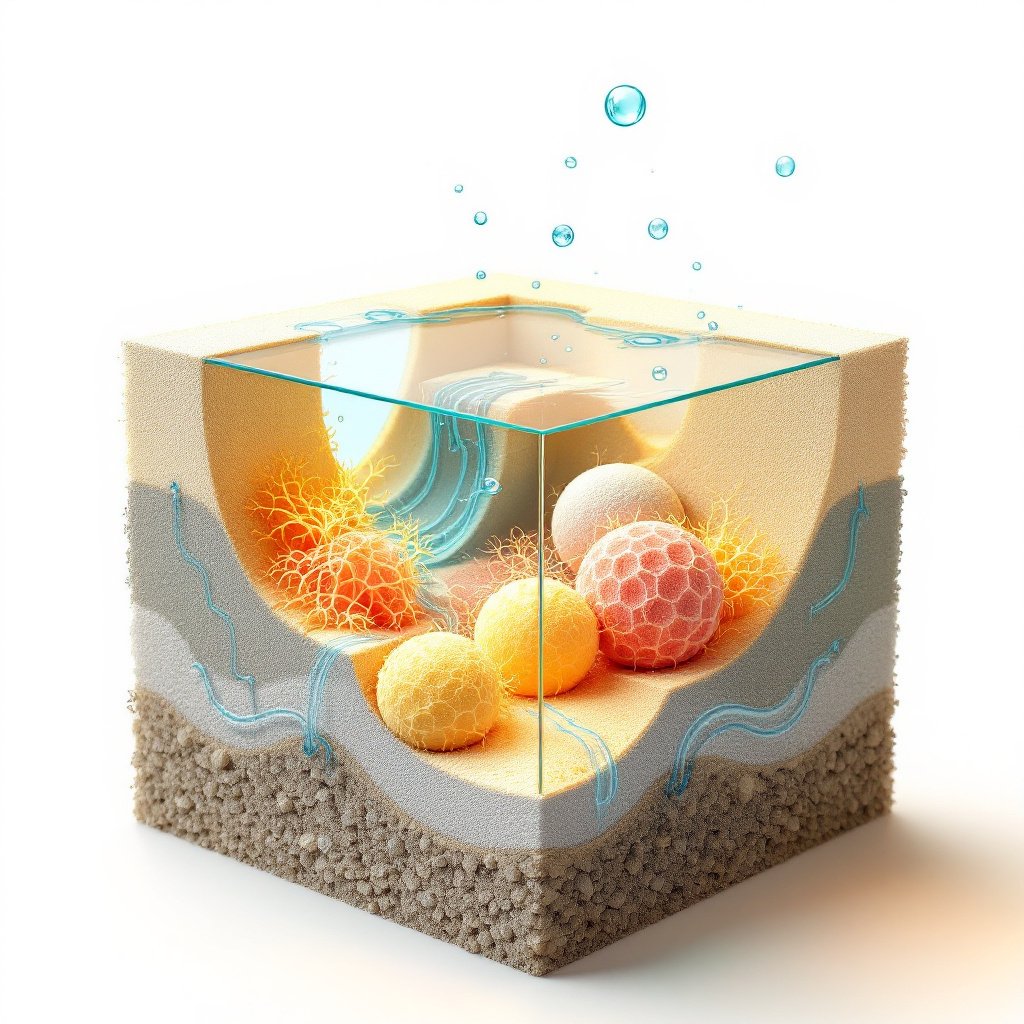
Something that surprised me early on: bacteria don’t just float around in the water. They need surfaces. Specifically, they form something called biofilm, a slimy matrix where bacterial colonies anchor themselves and thrive.
Filter Media: Where the Magic Happens
Your filter is bacteria headquarters. All that porous media, the ceramic rings, bio balls, sponges, and floss, provides massive surface area for colonization. filter media selection guide matters so much for this reason. A handful of quality ceramic rings has more surface area than you’d guess, sometimes equivalent to several square feet of colonization space.
When you’re learning how to grow good bacteria in aquarium filter systems, remember this: water flow is everything. Bacteria need constant delivery of ammonia and oxygen to do their job. Dead spots in your filter? Dead bacteria.
Substrate: An Underground Community
Gravel or sand hosts a secondary colony. Upper layers where water circulates have thriving aerobic bacteria. Deeper down, things get more complex, but the upper substrate definitely contributes to biofiltration.
Every Surface Counts
Decorations, plants, tank walls, driftwood. They all matter. Ever noticed that slippery film on glass? Biofilm, full of beneficial bacteria. Even live plants host bacterial communities on their leaves.
New hobbyists should know this: ugly brown diatom algae on new tank surfaces actually indicates a maturing tank. It’s not pretty, but it means things are growing. Honestly? A good sign.
The Nitrogen Cycle Timeline: What to Expect Week by Week
Wondering how long it takes for beneficial bacteria to establish in an aquarium? Let me walk you through both approaches.
Fishless Cycling (My Recommended Method)
Week 1–2: Add ammonia (pure liquid ammonia or fish food as a source). Ammonia levels spike and stay high. Nothing seems to happen. Completely normal, so don’t panic.
Week 2–3: Ammonia starts dropping. Nitrite begins rising. Your AOB have established! A slight cloudiness might appear, which is actually a bacterial bloom as the colony grows.
Week 3–4: Nitrite spikes dramatically, sometimes hitting scary-high numbers. Keep adding ammonia. Your NOB are just getting started.
Week 4–6: Nitrite starts declining. Nitrate appears on tests. Home stretch territory.
Complete Cycle: Ammonia and nitrite both drop to zero within 24 hours of adding ammonia. Nitrate is present. Time to do a big water change and add fish!
If you’re wondering how to cycle an aquarium fast with bacteria, seeding with established media can cut this timeline to one to two weeks. More on that shortly.
Fish-In Cycling (What Happened with Gerald)
I’ll be honest: fish-in cycling works, but it means exposing your fish to toxins throughout the process. You’ll need:
- Very low fish stock initially
- Daily water testing
- Water changes whenever ammonia or nitrite appears
- Patience and vigilance
It takes roughly the same time, sometimes longer because you’re constantly diluting the ammonia source bacteria need to establish. Worth it? Your call.
Signs of Healthy vs. Struggling Bacteria Colonies
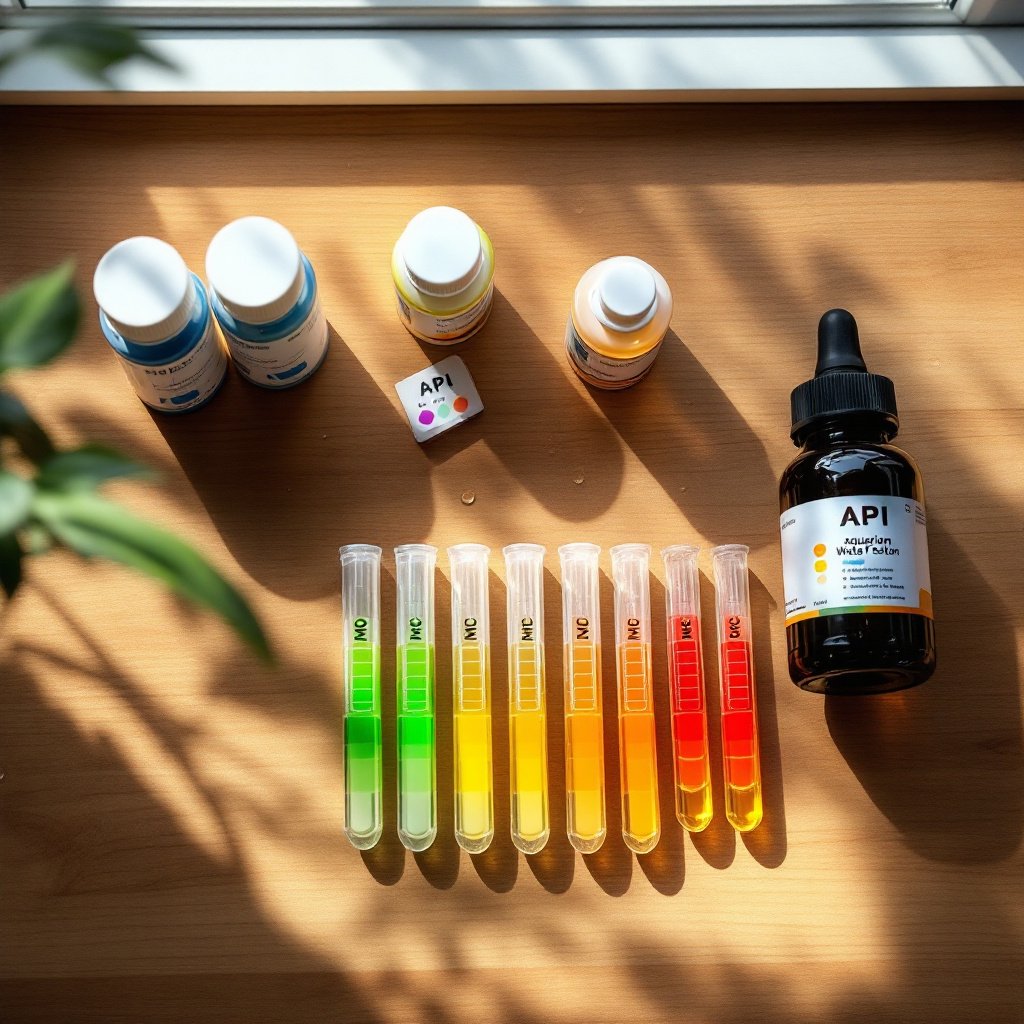
Since you can’t see bacteria directly, you’ve got to read the signs. What should you look for?
Signs of Healthy Bacteria in a Fish Tank
- Ammonia and nitrite consistently test at 0 ppm
- Nitrate slowly rises between water changes
- Water remains clear (after initial cycling)
- Fish are active, eating well, with bright colors
- Filter media has brown coloring but no foul smell
- Slight biofilm on surfaces (normal, not excessive)
Signs of Trouble
- Ammonia or nitrite readings even in an established tank
- Sudden cloudiness (bacterial bloom from die-off and regrowth)
- Fish gasping at the surface
- Unexplained fish deaths with perfect water parameters otherwise
- Filter media that smells like sulfur or rotten eggs
Sulfur smell? It indicates anaerobic bacteria, the harmful kind that thrive without oxygen. If you smell that, something’s seriously wrong with your filter water flow.
How to Grow and Protect Your Bacteria
Bacteria are resilient but not invincible. Here’s how to keep them thriving.
Seeding Techniques
Seeding an aquarium filter with bacteria from an established tank is hands-down the fastest way to cycle. Try:
- Borrowing used filter media from a friend’s healthy tank
- Squeezing dirty sponge water into the new filter
- Moving some gravel from an established tank
- Adding live plants from a cycled aquarium
Five tanks. I’ve started five tanks using seeded media, and each one cycled in under two weeks. My nano shrimp tank? Cycled in 10 days flat using a chunk of sponge from my community tank. No joke.
Water Change Best Practices
Learning how to keep beneficial bacteria alive during a water change is simpler than you’d think:
- Never replace all filter media at once
- Rinse filter sponges in old tank water, not tap water
- Dechlorinate new water before adding it
- Match temperature to avoid shocking the colony
And here’s something critical: chlorine and chloramine in tap water will kill bacteria on contact. Rinsing filter media under the faucet might seem convenient, but it wipes out the entire colony in seconds. Just don’t do it.
Avoiding Common Kill-Offs
Bacteria die when:
- Medications go directly into the tank (many antibiotics wipe out beneficial bacteria)
- Power outages stop filter flow for extended periods
- Everything gets deep-cleaned at once
- pH swings dramatically
- Temperature drops or spikes rapidly
My partner once unplugged my filter while vacuuming. Just 45 minutes. Ammonia readings showed up for three days afterward. Lesson learned: bacteria need constant oxygen flow. Even brief interruptions matter.
Bacteria Starter Products Reviewed
Which products actually contain the best nitrifying bacteria for new tanks? And which are, frankly, overpriced water?
Products Worth Buying
Seachem Stability and Fritz-Zyme 7
These contain actual live nitrifying bacteria. They won’t instant-cycle a tank, but they genuinely speed up the process. Fritz-Zyme 7 worked well on two of my tanks, and nitrite appeared about a week earlier than expected.
Dr. Tim’s One and Only
Dr. Timothy Hovanec literally did the research identifying which bacteria species actually perform nitrification in aquariums. His product is science-backed and contains the real deal.
Products Worth Skipping
Some “ammonia-eating bacteria aquarium starter” products contain bacteria that eat ammonia, technically, but not the species that establish permanent colonies. They might provide temporary relief but won’t actually cycle the tank.
Products claiming instant cycling in 24 hours? Be skeptical. Very skeptical. Bacterial colonies take time to establish regardless of what you add.
My Honest Take
Starter bacteria can help, but they’re not magic. Even the best products just give your tank a head start. Testing water, maintaining stable conditions, and letting biology do its thing are still necessary. Access to established filter media? Still the gold standard, no question.
Now you understand what’s really happening in your tank, invisible to the eye but absolutely necessary for life. Let’s wrap up with actionable steps.
Weekly:
– Test ammonia and nitrite (should always be 0)
– Test nitrate (should slowly rise; aim for under 40 ppm)
– Check that filter flow is strong and consistent
Monthly:
– Rinse filter media gently in old tank water
– Check for dead spots in the filter
When Adding New Fish:
– quarantine tank setup to avoid introducing disease that requires medication
– Add fish slowly to let bacteria populations adjust to increased bioload
Never:
– Replace all filter media at once
– Rinse media in tap water
– Deep-clean tank and filter on the same day
– Add fish to an uncycled tank (looking at you, past me)
Beneficial bacteria for fish tank nitrogen cycle success are always working, always hungry, always keeping your fish alive. Treat them well, and they’ll return the favor.
Now if you’ll excuse me, I need to go convince my partner that the corner of our bedroom definitely has room for another 5-gallon tank. These bacteria need somewhere new to colonize, right?