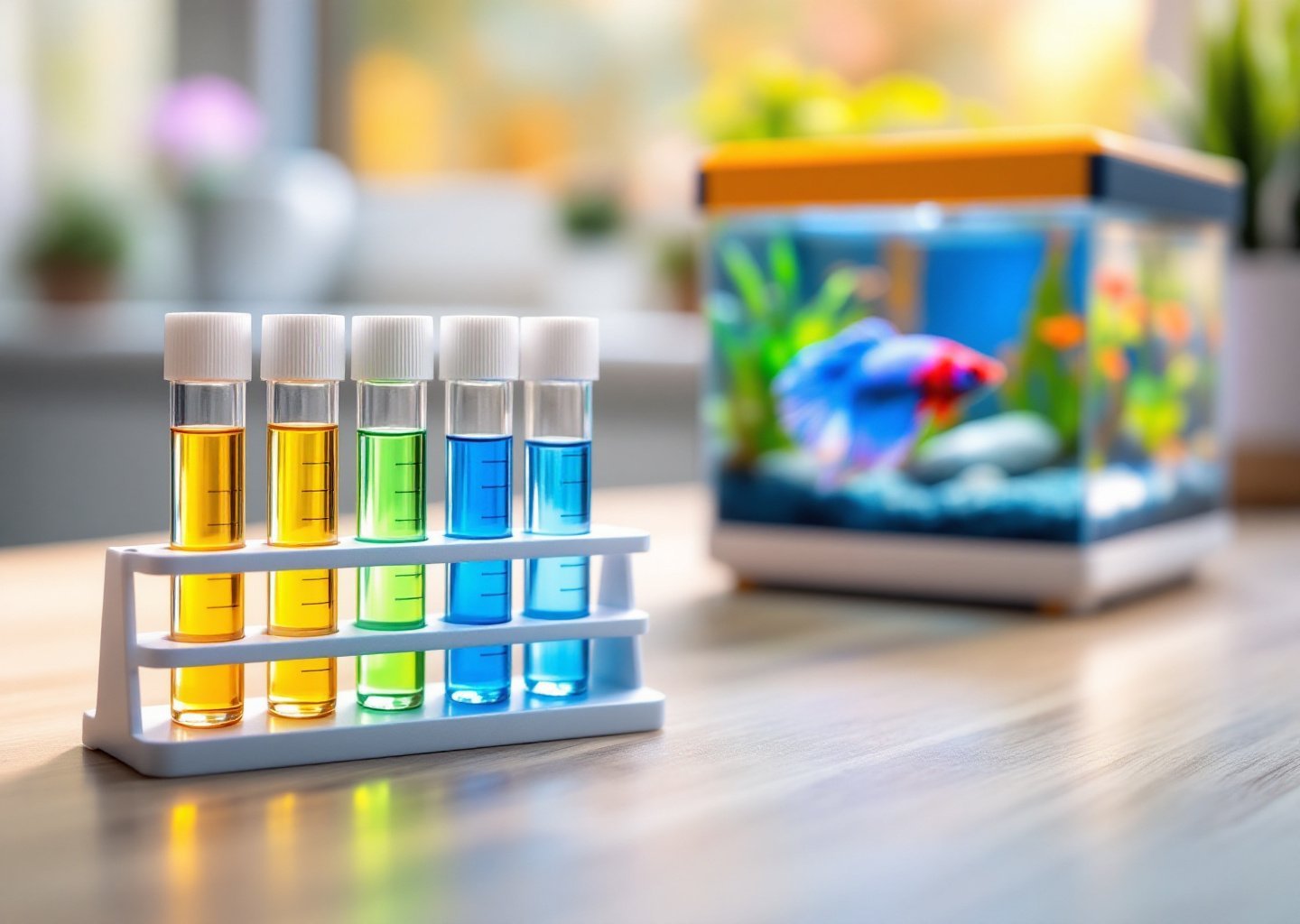
Best Aquarium Water Test Kit for Beginners: A Real-World Guide From Someone Who Learned the Hard Way
I learned pretty quickly that enthusiasm and pretty plants can’t save fish from bad water. My first betta, Gerald, lasted barely a month because I had no idea what cycling meant or why ammonia mattered. I kept buying new decorations instead of a test kit. Rookie mistake, and an expensive one. If you’re trying to figure out the best aquarium water test kit for beginners, I promise I’ve made every mistake you’re about to make. A good kit would’ve saved me a lot of stress and one very sweet fish.
Water testing feels confusing at first, especially when you’re staring at a shelf full of scientific-looking kits with numbers you don’t recognize. Beginners usually get overwhelmed, skip testing, and hope for the best. That strategy never ends well.
My goal here is to explain these kits the way I wish someone had explained them to me: honest, a bit messy, and centered on real experiences rather than just specs on a box.
What Parameters Should Beginners Actually Test?
Starting out? You don’t need to measure every single thing under the sun. Most tanks only need a few basics covered.
Here’s what beginners should focus on:
– Ammonia, because high levels are toxic and can kill fish quickly
– Nitrite, which represents the second stage of the nitrogen cycle
– Nitrate, your long-term indicator of tank stability
– pH, since sudden swings can seriously stress your fish
– KH and GH, but only if you keep sensitive species or have very soft tap water
A lot of kits include stuff like phosphate and iron. Fun for planted tank nerds like me, but not needed on day one. Wondering what parameters you should actually test in your aquarium? That list above will carry you through your first year comfortably.
Liquid vs. Strip Test Kits: The Real Accuracy Difference Nobody Talks About
People love to argue about liquid vs. strip aquarium test kits and which one reigns supreme. Online debates make it sound like you’re choosing between scientific precision and a children’s toy.
Here’s the reality, though. Strips are fast, casual, and perfect for spotting problems early. Liquid kits deliver more accuracy, especially for ammonia and nitrite readings. But strips can degrade if they’re kept in a humid bathroom cabinet. And liquid kits? They can feel tedious if you hate squinting at color charts.
As someone with seven little tanks scattered around a tiny apartment, I grab strips for weekly checks and pull out liquid kits when something feels off. You don’t need to pledge allegiance to only one style.
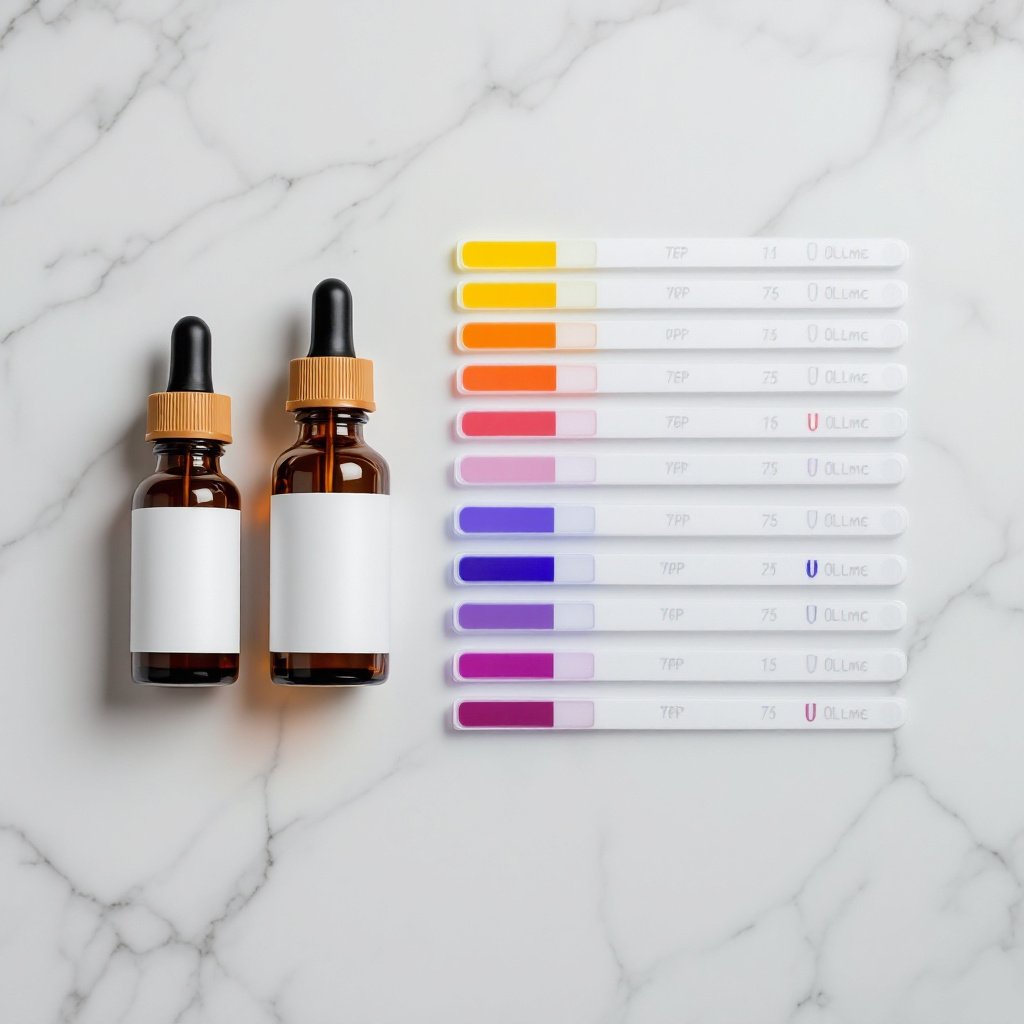
API Freshwater Master Test Kit Review: Is the Beginner Favorite Actually Best?
Time for the big one. Search any aquarium forum and you’ll find people screaming about the API Master Test Kit like it’s the holy grail. So here’s my API Freshwater Master Test Kit review for beginners, written from several years of living with this thing.
What I like:
– Covers the big four: ammonia, nitrite, nitrate, pH
– Affordable compared to buying individual bottles
– Easy to store, even in a cramped apartment
– Good resale value for leftover bottles when you upgrade
What drives me a little nuts:
– Nitrate testing takes several minutes and leaves my arm sore from all that shaking
– pH color charts sit right in that zone where blue and green blend together, so I squint a lot
– Bottles get crusty around the cap if you don’t wipe them
Still, I think it remains the best aquarium water test kit for beginners because it teaches you the basics without overwhelming you. My early tanks would’ve been a disaster without this kit sitting on my shelf.
API vs. Salifert vs. Budget Kits: Matching Your Tank Size and Commitment Level
People ask me for an API vs. Salifert test kit comparison all the time. Salifert usually wins for accuracy, especially for reef tanks, but most freshwater beginners don’t need that level of detail.
Here’s the simplest way to pick based on your tank and your personality:
For small tanks, college dorms, or first-time keepers:
– API Master Test Kit
– A set of strips for quick checks
For planted tanks or aquascapers who obsess over details like I do:
– API for cycling
– Salifert for nitrate and KH accuracy
– Occasional strips for maintenance checks
For ultra-budget setups:
– Strips only, but buy a reliable brand
– Replace them every few months to avoid weird readings
This also answers how to choose a fish tank water testing kit. Match the kit to how much you actually want to test. Because if the kit feels like homework, you won’t use it. Trust me on that.

How to Read Color Charts Without Second-Guessing Yourself
Let’s be honest here. The hardest part of any test kit is staring at a tiny bottle of tinted water and wondering if it’s closer to the green on the left or the green on the right.
Here’s what helps:
– Hold the vial near a window, not under warm indoor lights
– Place the color card behind the vial, not underneath it
– Compare left to right, not diagonally
– Check twice and average your guess
Still learning how to read aquarium test kit color charts accurately? Take photos. Phones pick up color differences our eyes miss entirely. I photograph almost every nitrate test, especially when I’m cycling a new nano tank.
Your First 90 Days: A No-Stress Testing Schedule for New Fishkeepers
Beginner schedules are often too intense or too vague. This one’s realistic and based on what I tell my friends who are just getting into the hobby.
Weeks 1–4:
– Check ammonia and nitrite every other day
– Measure nitrate weekly
– Monitor pH weekly
Weeks 5–8:
– Ammonia checks move to weekly
– Nitrite monitoring stays weekly
– Nitrate readings weekly
– pH every two weeks
Weeks 9–12:
– Weekly nitrate checks continue
– Ammonia only when the tank feels “off”
– Monthly pH monitoring
Wondering how often beginners should test aquarium water? This schedule is easy enough to follow without turning your hobby into a science experiment.
After years of trial and error across my cluster of nano tanks, the API Master Test Kit remains my top pick for the best aquarium water test kit for beginners. It’s affordable, reliable, and teaches you how your tank behaves over time.
Consider upgrading when:
– You start keeping sensitive shrimp
– You get into high-tech planted tanks
– You want pinpoint numbers instead of approximations
For now, keep it simple. A master kit plus a pack of strips gives you everything you need to avoid beginner disasters and keep your fish happy.
Want deeper guides? Check out aquarium cycling basics or beginner planted tank setup. And seriously, give your fish a better start than Gerald ever had. That little guy deserved better, and so do yours.