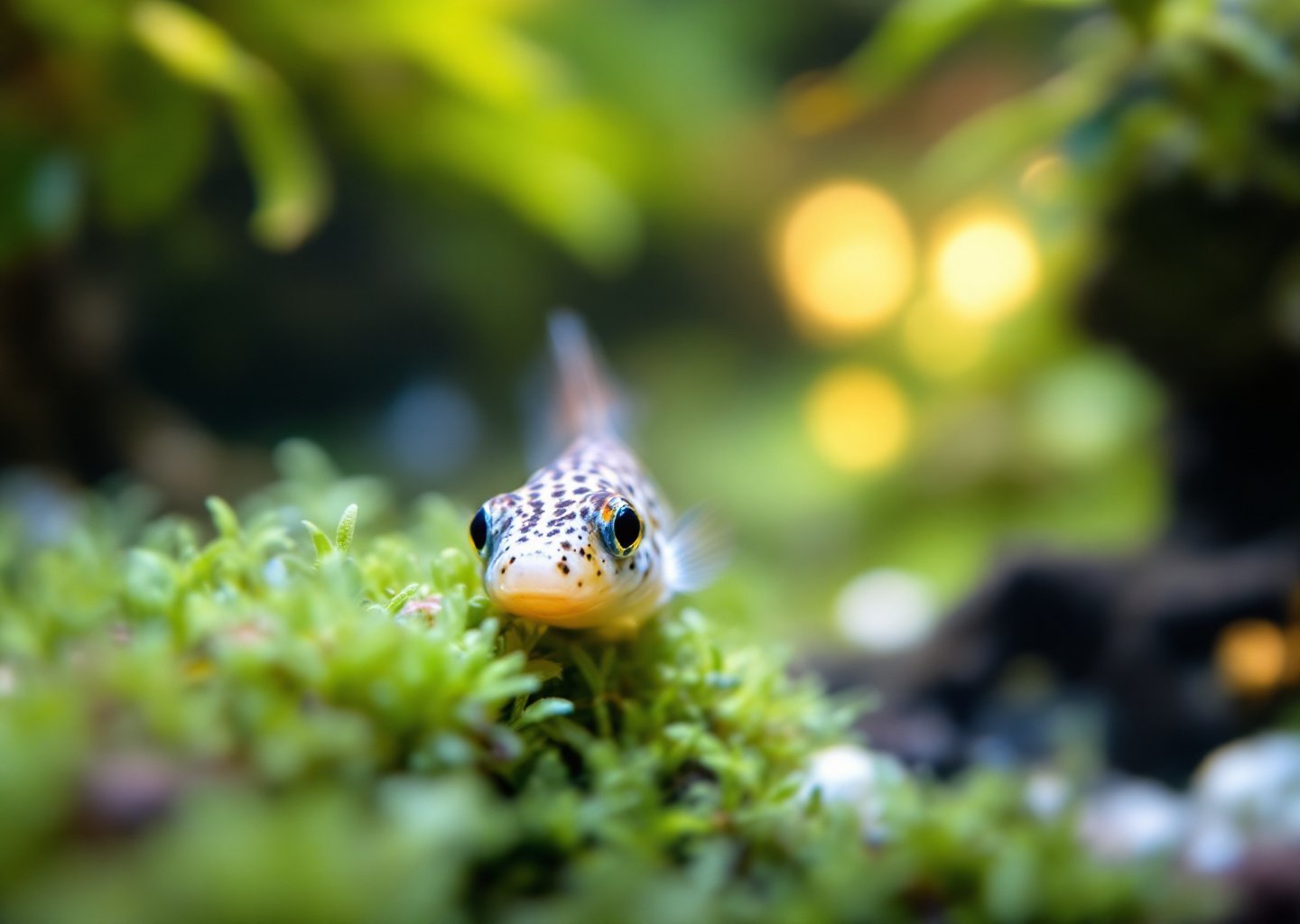
The Honest Guide to Algae Eaters That Actually Work in Small Tanks
Let me guess. You walked into a pet store, pointed at some green fuzz on your tank walls, and walked out with a common pleco. Three months later, that “algae eater” is the size of a banana and producing more waste than your goldfish ever did. Or maybe you bought a Chinese algae eater because the name sounded promising, and now it’s terrorizing your betta. Been there. Well, not with those specific fish, but I’ve definitely made my share of rookie mistakes in my apartment full of nano tanks.
Why Your Algae Eater Recommendations Keep Failing
Here’s the uncomfortable truth about finding the best algae-eating fish for small tanks: most of them aren’t actually good for small tanks. Pet store employees, YouTube videos, and even well-meaning forum posts constantly recommend fish that will either outgrow your aquarium, die from inadequate group sizes, or straight-up starve because they’re pickier eaters than anyone mentioned.
The problem isn’t that algae eaters don’t work. The aquarium industry just has a serious honesty problem when it comes to minimum tank sizes and care requirements. That “perfect for beginners” label? It usually means “perfect for our profit margins.”
In this guide, I’m breaking down what actually survives and thrives in tanks under 20 gallons. We’re talking real bioload calculations, honest size expectations, and recommendations based on what I’ve personally kept alive in my seven nano tanks scattered around my Portland apartment. No more dead algae eaters. No more overstocked disasters.
The Small Tank Reality Check: Bioload, Growth, and Why Size Ratings Lie
Before we talk about specific species, let’s address the elephant in the room. Or rather, the pleco that’s about to become elephant-sized.
Why “minimum tank size” recommendations are often garbage:
Most size recommendations you’ll find online are based on survival, not thriving. A fish can technically survive in a 10-gallon tank while being stressed, stunted, and miserable. That’s not the goal here.
Small tank algae eaters that stay small actually need to meet three criteria:
– Adult size under 2.5 inches (ideally smaller)
– Low waste production relative to their cleaning output
– Compatibility with the limited territory of nano tanks
The bioload math nobody wants to do:
A 5-gallon tank can realistically support about 4–5 inches of very small fish, assuming good filtration and regular maintenance. A 10-gallon doubles that, and a 15-gallon gives you some actual wiggle room. But here’s what trips people up: algae eaters need to be calculated as part of your total bioload, not added on top of it.
That “cleaning crew” you’re building? Every member eats, poops, and needs oxygen. There’s no such thing as a free lunch in fishkeeping.
Fish That Actually Stay Small: Otocinclus, Hillstream Loaches, and the Pygmy Corydoras Compromise
Now let’s talk about the best algae-eating fish for 5-gallon tank setups and up. These are species I’ve personally kept, and they’re the only fish I can recommend with a clear conscience.
Otocinclus Catfish: The Gold Standard (With Caveats)
Otos are the tiny vacuum cleaners of the aquarium world. At just 1.5–2 inches fully grown, they’re the best algae-eating fish for small tanks when it comes to pure efficiency. Brown diatoms, soft green algae, biofilm. They devour it all like nobody’s business.
But here’s the catch:
Otocinclus have a frustratingly high mortality rate in the first two weeks. Wild-caught specimens (which is most of them) often arrive stressed, starved, and parasite-ridden. I lost my first batch entirely. What finally worked was quarantining them in a mature tank with established algae growth and supplementing with blanched zucchini immediately.
Groups matter too. You’ll need at least 4–6 for them to feel secure. A lonely oto is a stressed oto, and stressed fish don’t live long.
Best for: 10+ gallon planted tanks with established algae growth and stable parameters.
Hillstream Loaches: The Cool-Water Alternative
Do you keep your apartment on the cooler side like I do? Portland winters plus minimal heating means hillstream loaches might be your answer. These flat, alien-looking fish max out at 2–3 inches and are absolute monsters when it comes to eating algae off hard surfaces.
What’s the catch? High oxygen requirements and cooler temps (65–75°F), plus moderate water flow. Not the best fit for tropical community tanks. But for a species-only setup or a temperate tank, they’re incredible.
Pygmy Corydoras: The Compromise Pick
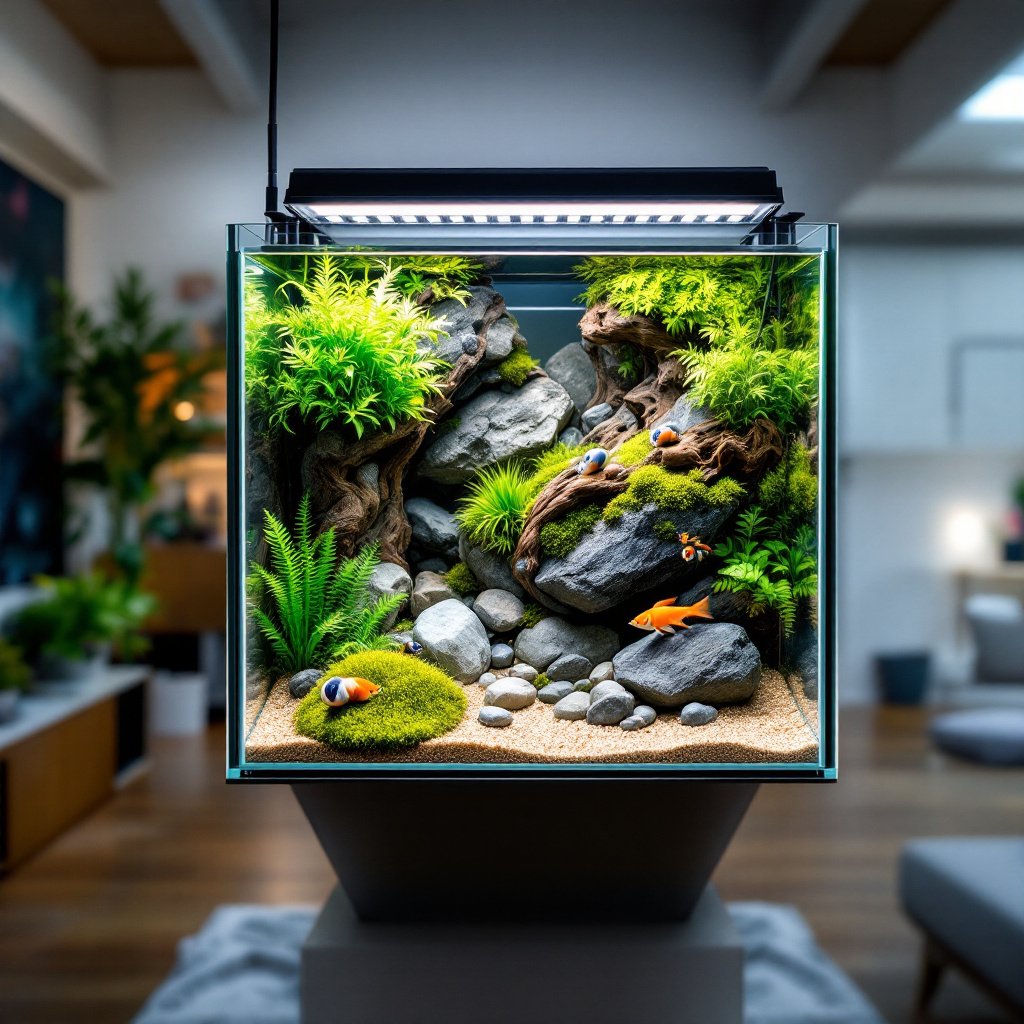
Okay, I’ll be honest. Pygmy corys aren’t technically algae eaters. They’re scavengers that pick at biofilm and leftover food. But I’m including them because so many people want bottom-dwellers for cleanup duty, and these tiny catfish (under 1 inch!) actually work in nano tanks.
Your green spot algae? Untouched. But your substrate will stay cleaner, and they’ll add movement to the bottom of your tank without the bioload problems of larger Corydoras species. Keep them in groups of 6+ in a 10-gallon minimum.
Otocinclus vs. Nerite Snails: A Head-to-Head for Planted Nano Tanks
This is the matchup everyone asks about, so let’s break it down. When choosing between otocinclus vs. nerite snails for algae control, consider what you’re actually dealing with.
| Factor | Otocinclus | Nerite Snails |
|---|---|---|
| Best algae types | Soft green algae, diatoms, biofilm | Green spot algae, hard algae, diatoms |
| Bioload | Moderate (needs group of 4–6) | Very low (1–2 per 5 gallons) |
| Survival rate | Tricky first 2 weeks | Hardy once acclimated |
| Plant safety | 100% safe | 100% safe |
| Hardscape cleaning | Good | Excellent |
| Breeding | Rare in home tanks | Eggs visible but won’t hatch in freshwater |
My verdict: For tiny algae eaters safe for live plants, nerites are the safer bet for beginners. Killing them takes real effort. Plus they work alone and tackle tougher algae types. But if you want something with actual personality that schools together adorably, otos win on entertainment value.
In my 10-gallon jungle tank, I run both: 4 otocinclus and 2 nerite snails. Different algae types, different surfaces. Makes them a solid team for planted nano tanks.
The Invertebrate Advantage: Shrimp vs. Snails for Different Algae Types
Sometimes the best algae-eating fish for small tanks isn’t a fish at all. Low-bioload algae eaters for nano tanks often means going the invertebrate route.
Amano Shrimp: The Workhorse
Amano shrimp are the undisputed champions of hair algae and string algae. At 2 inches fully grown, they’re larger than cherry shrimp and much more effective cleaners. Peaceful algae eaters for community nano tank setups, they won’t bother anything except your algae.
For those wondering what algae eaters are safe with shrimp, Amanos actually ARE shrimp, so compatibility isn’t an issue. Keep 3–5 per 10 gallons for solid results.
Cherry Shrimp: The Budget Pick
Neocaridina shrimp (cherries, blues, yellows) are smaller, cheaper, and breed readily. Less effective algae eaters than Amanos, sure. But they still contribute to cleanup, and watching a colony grow is genuinely satisfying.
Snails: The Slow and Steady Approach
Besides nerites, consider mystery snails for larger tanks (10+ gallons) or bladder snails if you don’t mind population explosions. Malaysian trumpet snails are great for substrate aeration but mostly work at night.
When comparing shrimp vs. snails for algae control in nano tanks:
– Shrimp handle hair and thread algae better
– Snails handle hard algae on glass and hardscape better
– Shrimp breed (population can be a feature or a bug)
– Snails have lower collective bioload for equivalent cleaning power
Tank-Specific Stocking Guides with Exact Numbers
Alright, here’s what you actually came for: exact recommendations based on tank size.
Best Cleanup Crew for 5-Gallon Tank
Space is extremely limited here. Finding the best algae-eating fish for 5-gallon tank setups means choosing carefully.
Option A (Snail Only):
– 1–2 nerite snails
– 3–5 cherry shrimp
Option B (With Fish):
– Skip fish algae eaters entirely
– 1 nerite snail
– 3 Amano shrimp
I don’t recommend otocinclus for 5-gallon tanks. Groups are mandatory, and the bioload becomes problematic fast.
Best Cleanup Crew for 10-Gallon Planted Tank
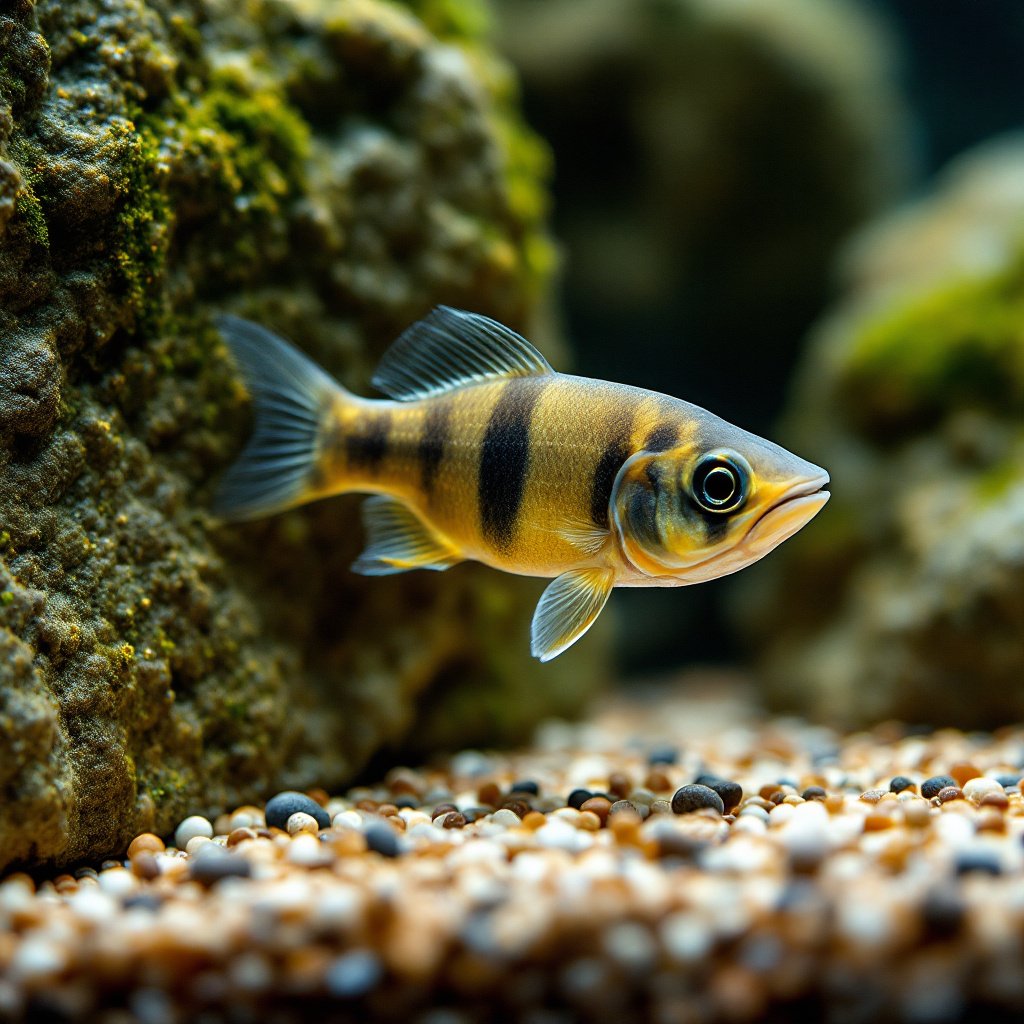
Now we’re talking. A 10-gallon gives you actual options.
Balanced Option:
– 4–5 otocinclus
– 2 nerite snails
– 3–4 Amano shrimp
Shrimp-Heavy Option:
– 6–8 Amano shrimp
– 2 nerite snails
– Skip fish algae eaters
Community Compatible:
– 1 nerite snail
– 4 Amano shrimp
– Leave room for your other fish!
planted tank setup guide for more on creating the right environment for these species.
Best Cleanup Crew for 15-Gallon Tank
With 15 gallons, you can build a proper algae-eating setup that won’t outgrow your small aquarium.
Maximum Cleaning Power:
– 6 otocinclus
– 2–3 nerite snails
– 5 Amano shrimp
– 6 pygmy corydoras (bonus scavengers)
Lower Maintenance Option:
– 4 otocinclus
– 2 nerite snails
– Cherry shrimp colony (start with 10)
Building Your Cleanup Crew in Stages: What to Add First and When to Stop
Here’s my honest advice after years of trial and error. And accidentally overloading more tanks than I’d like to admit.
Stage 1: Wait for algae to actually grow
Don’t add algae eaters to a brand new tank. Seriously. Starvation will kill them before anything else has a chance. Let your tank run for 4–6 weeks minimum until you see consistent algae growth. how to cycle a tank
Stage 2: Start with snails
Nerite snails are the safest first addition. Hardy with minimal bioload, they get to work right away. Add 1–2 depending on tank size.
Stage 3: Consider shrimp
After 2–3 weeks with snails, add Amano or cherry shrimp if your parameters are stable. Different niche, more life in your tank.
Stage 4: Fish (maybe)
Only add otocinclus or other fish algae eaters if your tank is truly mature (3+ months), has visible algae growth, and has room in the bioload budget. Buy them from a reputable source and quarantine if possible.
When to stop:
Once your algae is under control, stop adding cleanup crew members. Overstocking “helpers” just creates more waste, which feeds more algae, which makes you think you need more cleaners. It’s a cycle I’ve fallen into more than once.
The goal isn’t zero algae. It’s balance. A little algae is actually healthy for a planted tank, and your cleanup crew needs something to eat long-term.
So there you have it: the real guide to stocking small tanks with algae eaters that won’t die, won’t outgrow their home, and won’t break your heart two weeks after purchase. Start slow, stock conservatively, and remember that in nano tanks, less is almost always more.
Now if you’ll excuse me, I need to convince my partner that a 5-gallon on the bookshelf would really tie the room together.