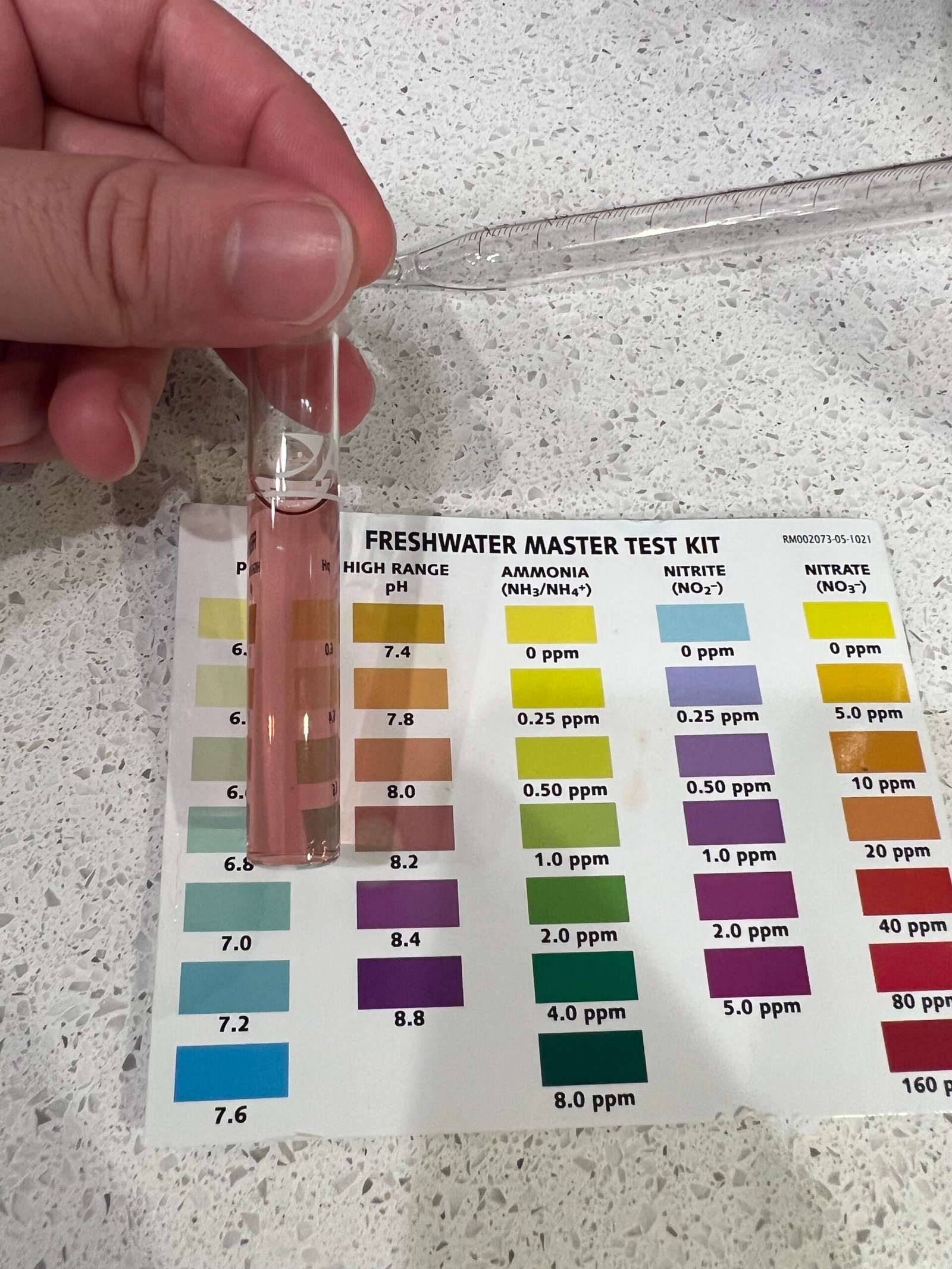
pH rises in aquariums when alkalinity, evaporation, buffering, or alkaline water sources push levels up.
I’ve kept freshwater tanks for years and solved many pH puzzles. This guide explains why does the pH in my aquarium keep rising, with clear causes, tests, fixes, and habits to stop it. Read on for step-by-step checks, practical tips, and real-life lessons that help you keep pH stable and fish happy.

Understanding aquarium pH and why it rises
pH measures how acidic or basic water is on a scale from 0 to 14. In aquariums, small pH shifts can stress fish and affect plant growth. When you ask why does the pH in my aquarium keep rising, you are looking for chemical, biological, or maintenance causes that shift water toward alkaline. Knowing the root cause lets you fix the problem safely and slowly.

Common causes: why does the pH in my aquarium keep rising
Many things can push pH up. Here are the usual suspects.
- Hard or alkaline source water
Tap water with high carbonate hardness (KH) resists acid and raises pH. - Low or high buffering (KH) levels
Low KH can allow pH to swing, and sometimes treatments raise KH and pH. - Evaporation
Water evaporates, leaving minerals behind and concentrating alkalinity. - Substrates and rocks
Limestone, coral, and certain crushed shells slowly dissolve and add carbonate. - Overdosed chemicals and buffers
Algae control, baking soda, or pH-up products increase pH quickly. - Aeration and photosynthesis
Plants and algae consume CO2 during the day, which can lift pH. - Biological processes and cycling
Nitrification produces acid, but incomplete cycles or dying organics can cause swings.
Why does the pH in my aquarium keep rising? Usually one or a mix of these causes. Track them one at a time.

Water source and buffering: test first
Start by testing your source water. If your tap water is alkaline, the aquarium will lean high no matter what you do. Test these:
- pH of tap water and treated tank water
- KH (carbonate hardness) and GH (general hardness)
- Any municipal reports on water alkalinity
If tap pH and KH are high, the solution is to change your source or use one of the safe adjustments below. Always measure, do not guess.

Tank maintenance and biological factors
Schedules and cleanup matter for pH stability. Poor maintenance can let dead organics rot and alter chemistry.
- Regular water changes
Replace 10–30% weekly depending on stocking and plants. - Filter cleaning
Clean media in tank water to avoid killing beneficial bacteria. - Avoid overdosing
Don’t add more chemicals than the label suggests. - Feeding and waste
Overfeeding spikes nutrients and boosts algae that change pH during the day.
When asking why does the pH in my aquarium keep rising, check how you clean and feed. Little habits often cause big swings.
 substrates, and decorations”
style=”max-width: 100%; height: auto; border: 2px solid black; border-radius: 10px; display: block; margin: 0 auto;”
loading=”lazy”
/>
Plants, algae, substrates, and decorations
Plants can push pH up during daylight by removing CO2. Algae blooms can do the same and then crash. Substrates and decor matter too.
- Live plants and algae
Daytime CO2 uptake raises pH; pH falls at night when plants release CO2. - Calcium-rich substrates and rocks
Crushed coral, aragonite, and limestone leach carbonate and raise pH slowly. - Driftwood and peat
These usually lower pH, but if you don’t have them, pH may be higher.
If you changed decor recently, that may explain a rising pH.

How to lower pH safely: step-by-step
Lowering pH too fast can harm fish. Use slow, controlled methods.
- Measure first
Check tank and source pH, KH, and GH. - Do partial water changes
Use water that matches your target pH and KH. Change 10–20% every few days. - Add peat or driftwood
These release tannins that slowly lower pH and soften water. - Use reverse osmosis (RO) water
Mix RO with tap to lower KH and pH safely. - Use a pH-lowering product as last resort
Follow instructions and lower pH gradually over days, not hours.
Keep notes and change one thing at a time. This helps spot what worked.

Monitoring and troubleshooting plan
A short plan helps when you keep asking why does the pH in my aquarium keep rising. Follow this checklist.
- Test daily for a week after changes
Track pH, KH, and ammonia/nitrite. - Record readings and actions
Note water changes, new decorations, or chemical additions. - Isolate new items
Rinse and pre-soak rocks or substrate before adding to the tank. - Watch fish and plants
Stress or plant decline can hint at sudden shifts.
If problems persist, try a small test tank with suspect items to reproduce the change.

Prevention and routine care
Prevention keeps pH stable and your aquarium calm. Build these habits.
- Use consistent source water
If tap varies, consider an RO system or buffer plans. - Test weekly
Regular testing catches trends before they become problems. - Maintain biological filtration
Do not disrupt beneficial bacteria during cleaning. - Slow responses
When pH moves, take gentle steps and observe for several days.
Why does the pH in my aquarium keep rising? Often it’s a slow trend that could have been prevented with steady care.
Personal tips from my experience
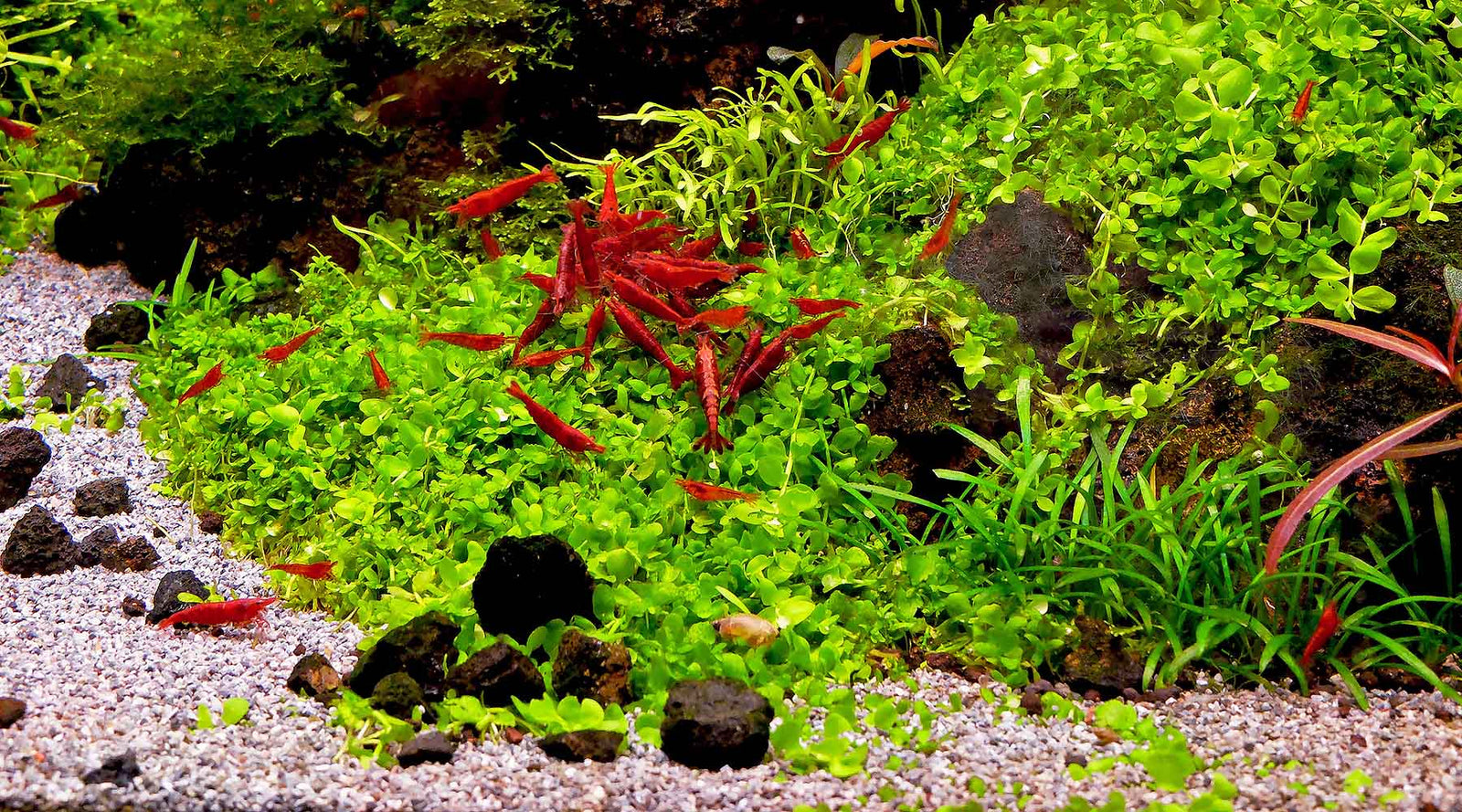
I once battled a tank where pH climbed after I added decorative limestone. I rinsed it, then soaked it in vinegar and freshwater for a week. The pH still rose, so I removed the rock and replaced it with driftwood. The pH returned to normal in days. Lesson learned: test new items and be cautious with coral or shell-based decor.
I also found that aeration and heavy daytime plant photosynthesis caused daily pH swings. Adding a small CO2 diffuser for planted tanks or allowing a modest level of dissolved CO2 at night reduced daytime spikes. Keep it slow. Measure twice, change once.
Signs pH rise is harming your tank
Watch these quick signs.
- Fish gasping or hiding, especially near the surface
- Sudden algae booms in daylight hours
- Plant leaves discoloring or curling
- Erratic behavior or frequent illness
If you see these signs and the answer to why does the pH in my aquarium keep rising is unclear, act with small adjustments and test often.
Frequently Asked Questions of why does the ph in my aquarium keep rising
What immediate steps should I take if pH spikes suddenly?
Do small water changes with water that matches tank temperature and KH. Avoid adding chemicals in a panic; find the cause first.
Can evaporation cause long-term pH increase?
Yes. Evaporation concentrates dissolved salts and buffers. Topping off with pure water helps, but full water changes may be needed to restore balance.
Will adding driftwood lower pH quickly?
Driftwood lowers pH slowly by releasing tannins. It is a gentle method and can take days to weeks to show effect.
Is tap water always the issue when pH rises?
Not always. Tap water can be high in KH or pH, but substrates, decor, and biological processes also cause rises. Test everything.
How fast is it safe to change aquarium pH?
Aim for a gradual change over several days. Rapid shifts can stress or kill fish. Change pH no faster than 0.2–0.5 pH units per day if possible.
Can live plants cause pH to rise at night?
Live plants tend to lower pH at night and raise pH during the day due to CO2 use. Large photosynthesis swings can cause daily pH variation.
Conclusion
Understanding why does the pH in my aquarium keep rising starts with testing. Check your source water, KH, substrates, and recent changes. Make slow, measured adjustments and keep a log. Small habits—consistent water, careful decor choices, and steady testing—prevent most pH problems. Try the steps here, watch results, and leave a comment about what worked for you or questions you still have.