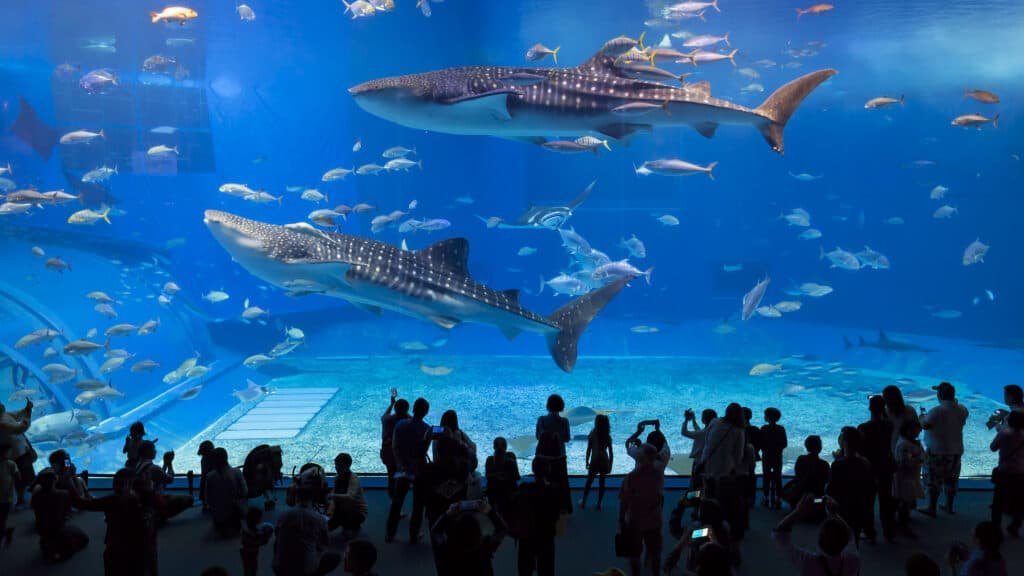
Most aquarium sharks don’t eat other fish because they are fed, stressed, or naturally non-aggressive.
I’ve kept and studied aquarium sharks for years, so I understand why curious owners ask, why don't aquarium sharks eat the fish. This guide explains the biology, behavior, and husbandry facts that answer that question clearly. You’ll learn what species are safe with tank mates, how feeding and tank design change behavior, and practical tips from my own aquarium experience to keep fish safe and sharks healthy. Read on to get confident about housing sharks with other fish and to understand why don't aquarium sharks eat the fish in your tank.

Why don't aquarium sharks eat the fish: basic reasons
Many hobbyists worry that a shark will hunt every tank mate. In practice, sharks in home aquariums often ignore other fish. Key reasons include consistent feeding, tank size, species traits, and stress. A shark that is full and well cared for has little reason to chase other fish. Also, many popular aquarium sharks are scavengers or bottom feeders and do not target midwater fish. Understanding these points answers why don't aquarium sharks eat the fish at a practical level.

Species differences matter
Not all sharks behave the same. Smaller aquarium sharks like bamboo sharks or epaulette sharks are mostly nocturnal and feed on crustaceans. Larger species or wild-caught predators have different instincts. When people ask why don't aquarium sharks eat the fish, they often mean small shoaling fish. Bamboo sharks usually leave small, free-swimming fish alone unless very hungry or cramped. Picking the right species is the first step to avoiding trouble.

Feeding schedule and diet control
A well-fed shark is less likely to hunt tank mates. Aquarists feed captive sharks a varied diet of shrimp, squid, clams, and prepared feeds. Regular feeding reduces predatory drive. Also, feeding frequency and portion size matter. Overfeeding causes water issues, while underfeeding can push sharks to nip at other fish. This is a central reason why don't aquarium sharks eat the fish: proper feeding removes hunger-driven predation.
Tank design, hiding places, and space
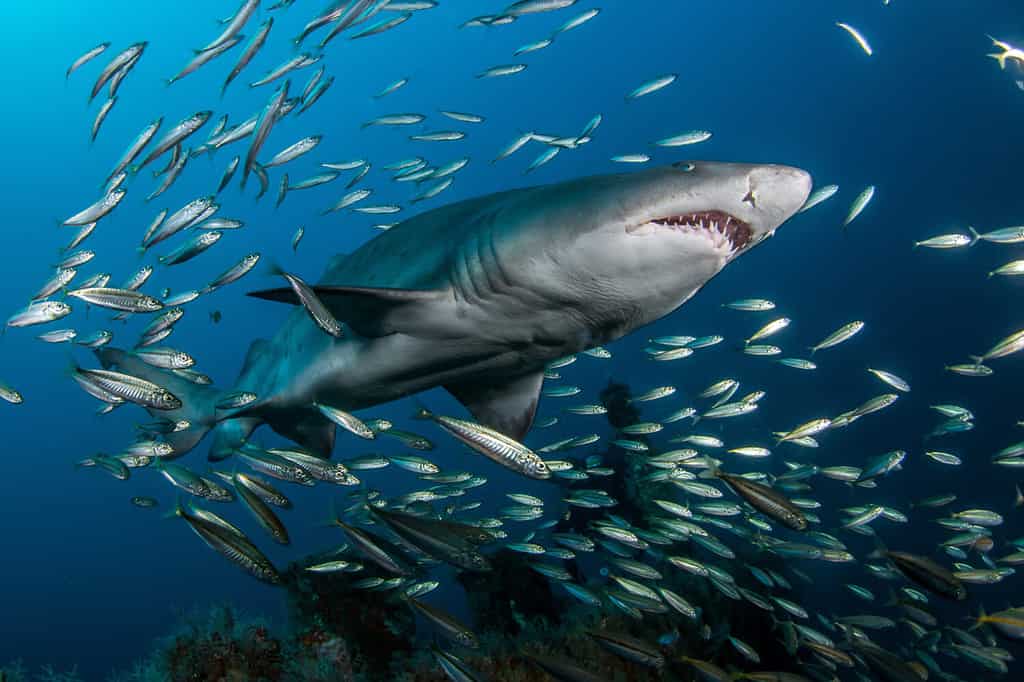
Space and cover change behavior fast. In cramped tanks, sharks and other fish get stressed and more aggressive. Good tank design gives each species room to swim and places to hide. Rockwork, caves, and plants reduce conflict. When aquariums replicate natural habitats, sharks feel secure and are less likely to target tank mates. This is a big reason why don't aquarium sharks eat the fish in healthy setups.
Natural diet and hunting style
Many aquarium sharks are not active pelagic hunters. They search the bottom for worms, snails, and crustaceans. That hunting style makes them poor predators of quick, midwater fish. Even when they can eat smaller fish, they often prefer benthic prey or prepared diets. This behavior explains why don't aquarium sharks eat the fish in more than one hobbyist’s tank.
Stress, health, and behavior changes
Sick or stressed sharks can act oddly. Illness may lower appetite or cause aggression. Water quality, parasites, or injuries change behavior quickly. Proper aquarium care keeps sharks calm and predictable. If you ever wonder why don't aquarium sharks eat the fish suddenly, check water, diet, and health first. These factors often explain sudden changes.
Compatibility and stocking decisions
Compatibility is a decision, not luck. Some fish are safe with sharks; some are not. When I added small schooling fish to a tank with a bamboo shark, the fish thrived because I chose species that stayed in the water column. If you mix very small fry with large, opportunistic sharks, the answer to why don't aquarium sharks eat the fish may be different. Research species temperaments and adult sizes before stocking.
My personal experience and lessons
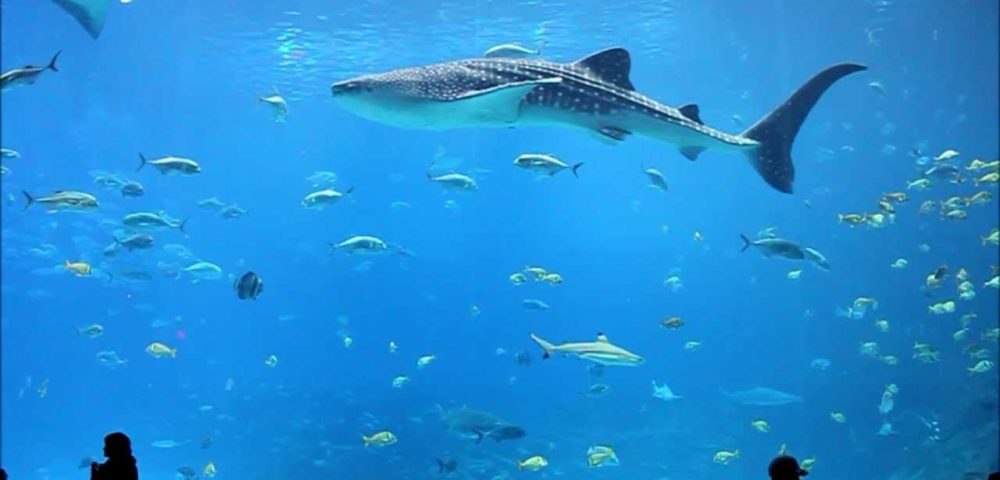
I once kept a bamboo shark with clownfish and gobies for two years. I fed the shark twice a week with fresh and frozen foods. The shark mostly slept during the day and fed at night. The clownfish lived comfortably because they were quick and had hiding spots. From that setup I learned:
- Feeding consistently prevents hunger-driven attacks.
- Choose tank mates with different niches.
- Provide hiding spaces for smaller fish.
These lessons show why don't aquarium sharks eat the fish when managed properly.
Practical tips to prevent predation
Follow these steps to reduce risk and understand why don't aquarium sharks eat the fish in your system:
- Research species before buying and avoid mixing big predators with tiny fish.
- Feed sharks a varied diet that mimics natural prey.
- Use large, well-filtered tanks to reduce stress.
- Add hiding places and visual barriers to protect small fish.
- Monitor behavior and test water weekly for early signs of stress.
Myth versus reality
There are many myths about aquarium sharks. One myth says all sharks are ravenous killers of any fish. The truth is more nuanced. Hobbyist and captive observations show many aquarium sharks are peaceful when well fed and housed correctly. Knowing the real reasons why don't aquarium sharks eat the fish helps you make informed choices and keep both sharks and fish healthy.
Signs a shark may eat tank mates soon
Watch for warning signs if you worry about predation:
- Repeated attempts to chase or corner fish.
- Sudden loss of appetite followed by aggressive feeding on tank mates.
- Shrinking tank area or lack of hiding spots causing stress.
If you see these signs, act quickly by improving feeding, water quality, or separating vulnerable fish.
Budget, ethics, and responsible ownership
Keeping sharks with fish is a responsibility. Think about tank size, filtration needs, and long-term care. Sharks can live many years and grow larger than expected. Responsible owners plan for growth, avoid impulse buys, and accept that sometimes separation is necessary. That mindset helps explain why don't aquarium sharks eat the fish—because we can design tanks to suit both groups.
Frequently Asked Questions of why don't aquarium sharks eat the fish
Will aquarium sharks eat all types of fish?
Not usually. Many captive sharks prefer bottom-dwelling prey or prepared foods, so they often ignore fast-swimming tank mates. But some larger or stressed sharks can still take small fish.
How often should I feed my aquarium shark?
Feed most small aquarium sharks two to three times per week, offering a mix of seafood and prepared feeds. Adjust frequency based on species, age, and activity level.
Can juvenile sharks be more aggressive toward fish?
Yes. Juvenile sharks may be more opportunistic and curious, and they can nip at small fish. Monitor young sharks closely and provide extra hiding spots.
Does tank size affect predation risk?
Absolutely. Larger tanks give fish room and reduce stress, which lowers chances a shark will hunt tank mates. Crowded tanks increase conflict and predation risk.
Are there shark species that are safe with small fish?
Some species like bamboo sharks and epaulette sharks are often safe with quick, schooling fish when well fed. Always research adult size and behavior before stocking.
Conclusion
Sharks in aquariums do not automatically eat other fish. Diet, species traits, tank design, and care explain why don't aquarium sharks eat the fish in many cases. With good feeding, proper tank mates, and thoughtful setup, you can keep sharks and fish together safely. Try the tips shared here, plan ahead, and watch behavior regularly. If you found this helpful, leave a comment, subscribe for more care guides, or explore other posts to build a confident, balanced aquarium.