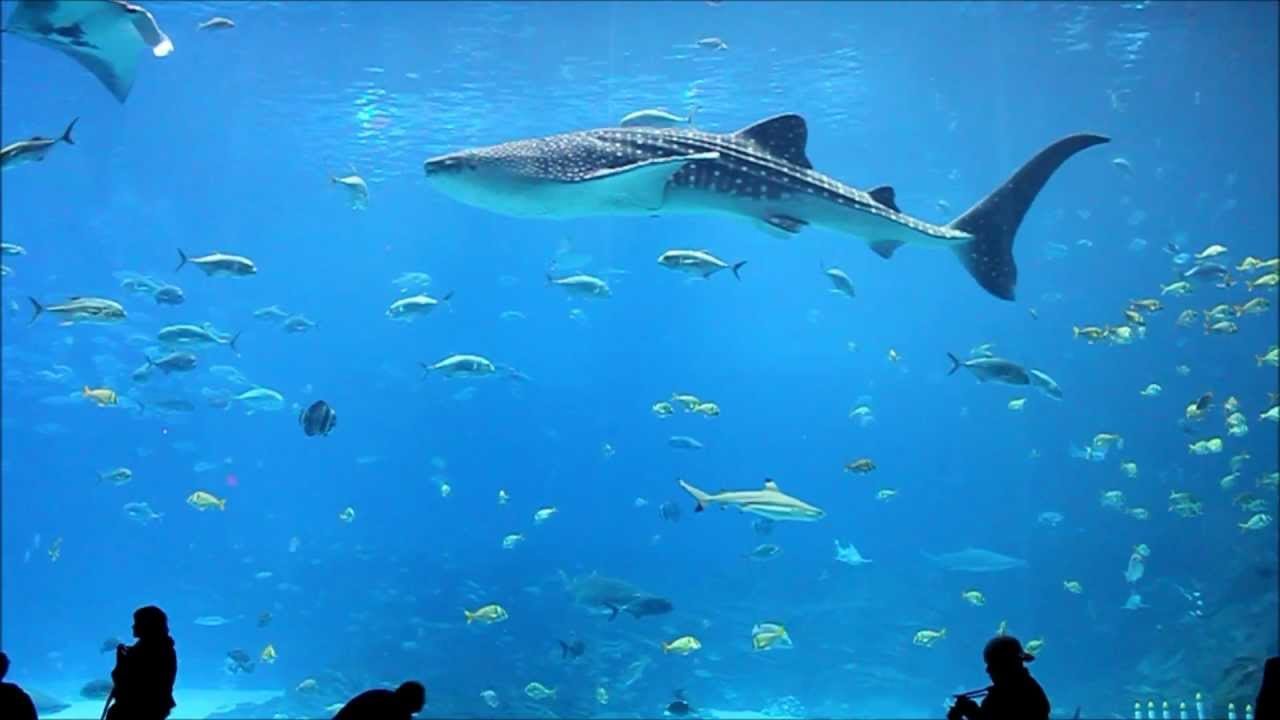
Sharks in aquariums usually ignore other fish due to diet, space limits, and keeper conditioning.
I have worked with public aquariums and home tanks for years, and I can explain why don't sharks eat fish in aquarium with facts and field experience. This article breaks down the biology, husbandry, and myths behind shark behavior in tanks. Read on for clear answers, practical tips, and real-life lessons from an aquarist’s perspective.

Why sharks often don't eat tank mates
Many people ask why don't sharks eat fish in aquarium. The simple fact is that sharks in tanks are fed often. They get food that meets their needs. This lowers their drive to hunt tank mates.
Main reasons sharks usually do not prey on other aquarium fish:
- Regular feeding routine keeps sharks satisfied and calm.
- Tank size limits natural hunting behavior and chase space.
- Conditioning by keepers reduces predatory responses to tank fish.
- Many aquarium fish are too small or too fast to be worth the effort.
- Species choice aims to match temperaments and diets.
When you ask why don't sharks eat fish in aquarium, think about feeding and environment first. Most incidents are avoidable with good care and planning.

Biological and behavioral reasons
Understanding natural shark behavior helps answer why don't sharks eat fish in aquarium. Many sharks are opportunistic feeders. In the wild, they hunt when it pays off. In tanks, the payoff is low.
Key biological points:
- Sharks rely on smell and electroreception. In crowded tanks, these cues change.
- Some sharks prefer slow prey like crustaceans or mollusks. Fish may not be their usual food.
- Hunting is energy costly. A well-fed shark will not risk injury.
- Stress and confinement alter behavior. Stressed sharks may hide rather than hunt.
These biological basics explain why many sharks leave tank fish alone. They adapt their behavior when fed and held in stable conditions.
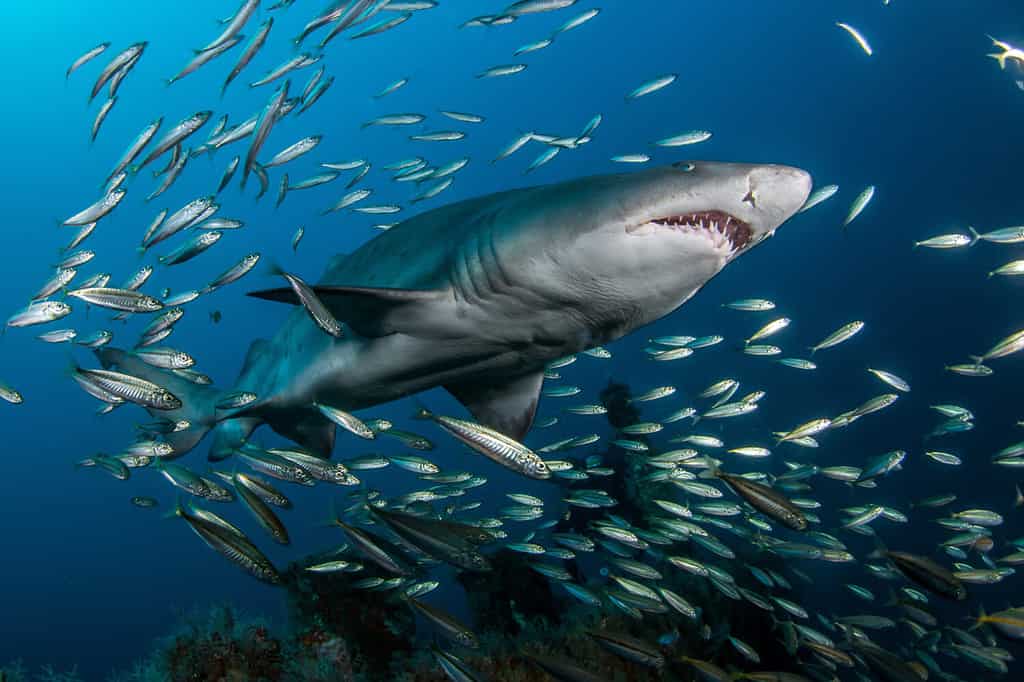
Aquarium management and feeding practices
A major reason why don't sharks eat fish in aquarium is good husbandry. Aquariums follow strict feeding and care plans. This lowers hunger-driven aggression.
Common keeper practices that reduce predation:
- Scheduled feedings with varied, nutritious diets.
- Target feeding using tongs or feeding poles to deliver food to the shark.
- Tank design with ample hiding spots and swim space for other fish.
- Behavioral enrichment to occupy sharks and reduce boredom.
- Quarantine and careful stocking to test compatibility before mixing species.
Keepers use monitoring and record-keeping to spot changes. When a shark shows hunting interest, staff adjust diets and housing quickly.

Species compatibility and selection
Choosing the right species answers a big part of why don't sharks eat fish in aquarium. Not all sharks have the same diet or temper. Some are reef-friendly. Some are not.
Compatibility tips:
- Pick shark species known to live with smaller fish, like bamboo sharks.
- Avoid pairing predatory species with small or slow fish.
- Research adult size; juvenile sharks may be safe but grow into predators.
- Consider feeding habit: bottom feeders vs open-water predators need different tank mates.
When you plan a tank, ask: why don't sharks eat fish in aquarium for this species? The answer starts with species research and long-term planning.
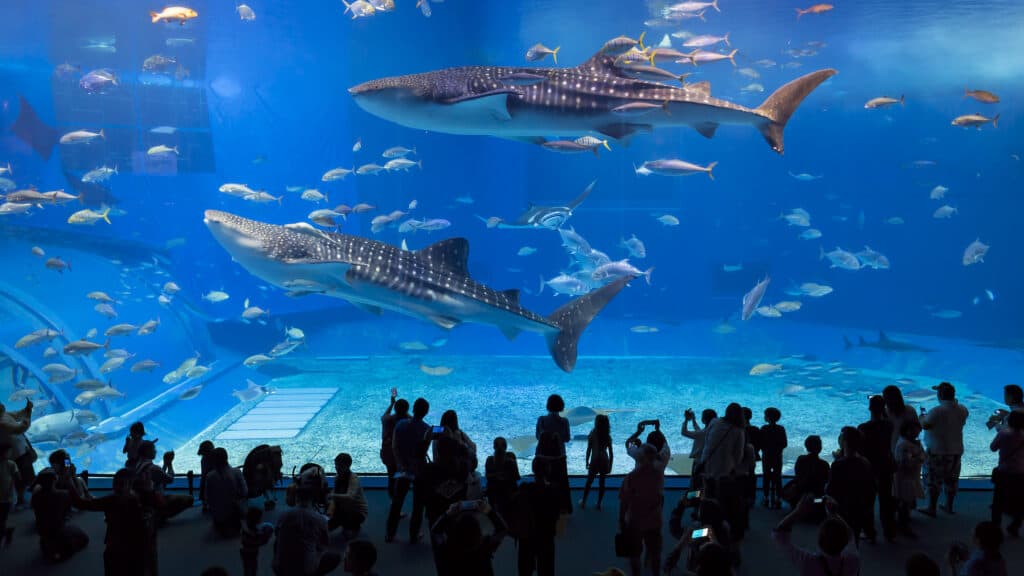
Common myths and misconceptions
Many myths cloud the question why don't sharks eat fish in aquarium. Let’s clear a few.
Myth versus reality:
- Myth: All sharks will eat any fish. Reality: Diet varies widely by species.
- Myth: Sharks in tanks are starving and so they must eat others. Reality: Public and hobby aquariums follow strict feeding standards.
- Myth: Feeding live prey is needed. Reality: Most sharks accept prepared diets if introduced correctly.
Understanding facts helps you separate fear from reality when wondering why don't sharks eat fish in aquarium.

My personal experience and lessons learned
From my years in aquarium care, I have seen few true predation events. One early mistake I made was mixing fast-growing juveniles with small gobies. The juvenile shark later ate the gobies when larger. I learned to plan for adult size, not juvenile size.
Practical lessons I share:
- Always plan for an animal’s adult size.
- Use target feeding to keep sharks focused on their diet.
- Observe behavior daily. Small changes can foreshadow problems.
- When in doubt, separate new arrivals until you know how they act.
These experiences explain why don't sharks eat fish in aquarium in many real cases. Proper planning and observation prevent trouble.
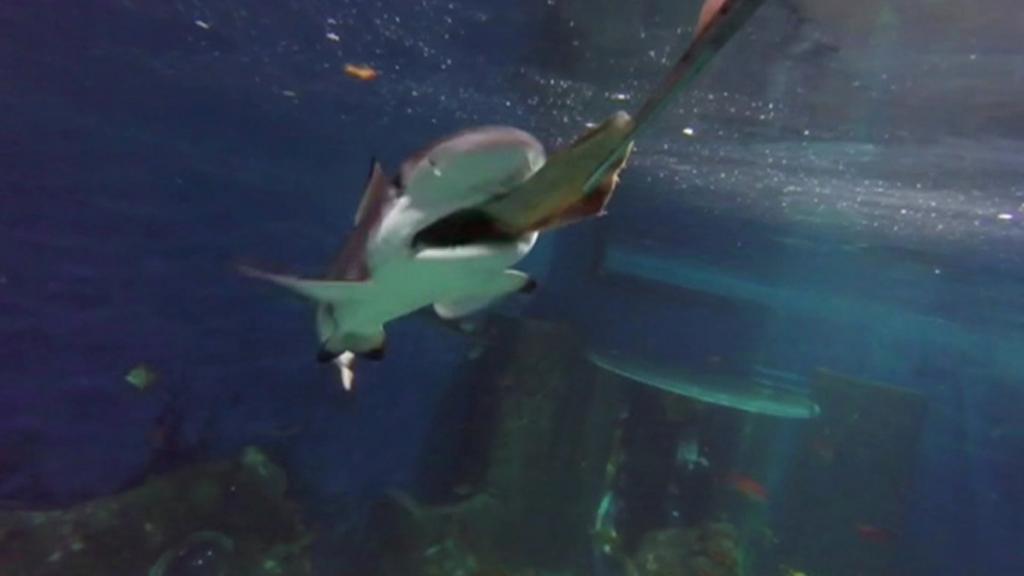
Practical tips for hobbyists and public aquariums
If you are setting up a tank, these steps help ensure sharks do not prey on tank mates. They address why don't sharks eat fish in aquarium with hands-on methods.
Actionable tips:
- Research species thoroughly before purchase.
- Feed regularly and include diet variety like fish, squid, and shrimp.
- Use target feeding to train sharks to eat in designated spots.
- Provide shelters and visual barriers for smaller fish.
- Quarantine and test compatibility in a separate tank first.
- Keep good records of feeding, health, and behavior.
Following these tips lowers the risk of predation. It also creates a healthier environment for all animals.

Frequently Asked Questions of why don't sharks eat fish in aquarium
Why do sharks sometimes ignore other fish in the tank?
Many sharks ignore tank fish because they are well fed and feel no need to hunt. Tank conditions and species traits also shape this behavior.
Can sharks be trusted with small tank fish?
Trust depends on species and adult size. Some sharks are reef-safe, but many will eat small fish as they grow.
Do sharks need live food to survive in aquariums?
No. Most sharks accept frozen or prepared diets if introduced gradually and offered variety for nutrition.
What should I do if my shark starts hunting tank mates?
Increase feeding, provide more hiding spaces, and consider moving either the shark or the prey species. Monitor behavior and act promptly.
Are public aquariums likely to lose fish to sharks?
Public aquariums use strict protocols to prevent predation. Losses are uncommon when best practices are used.
Conclusion
Sharks often leave tank fish alone because of feeding, species choice, and good husbandry. Understanding why don't sharks eat fish in aquarium helps you design safe, healthy tanks. Plan for adult size, use targeted feeding, and watch behavior closely. Take action now: research species, improve feeding routines, and keep daily logs to protect your animals. If you enjoyed this guide, try these tips in your tank and share your experiences or questions below.