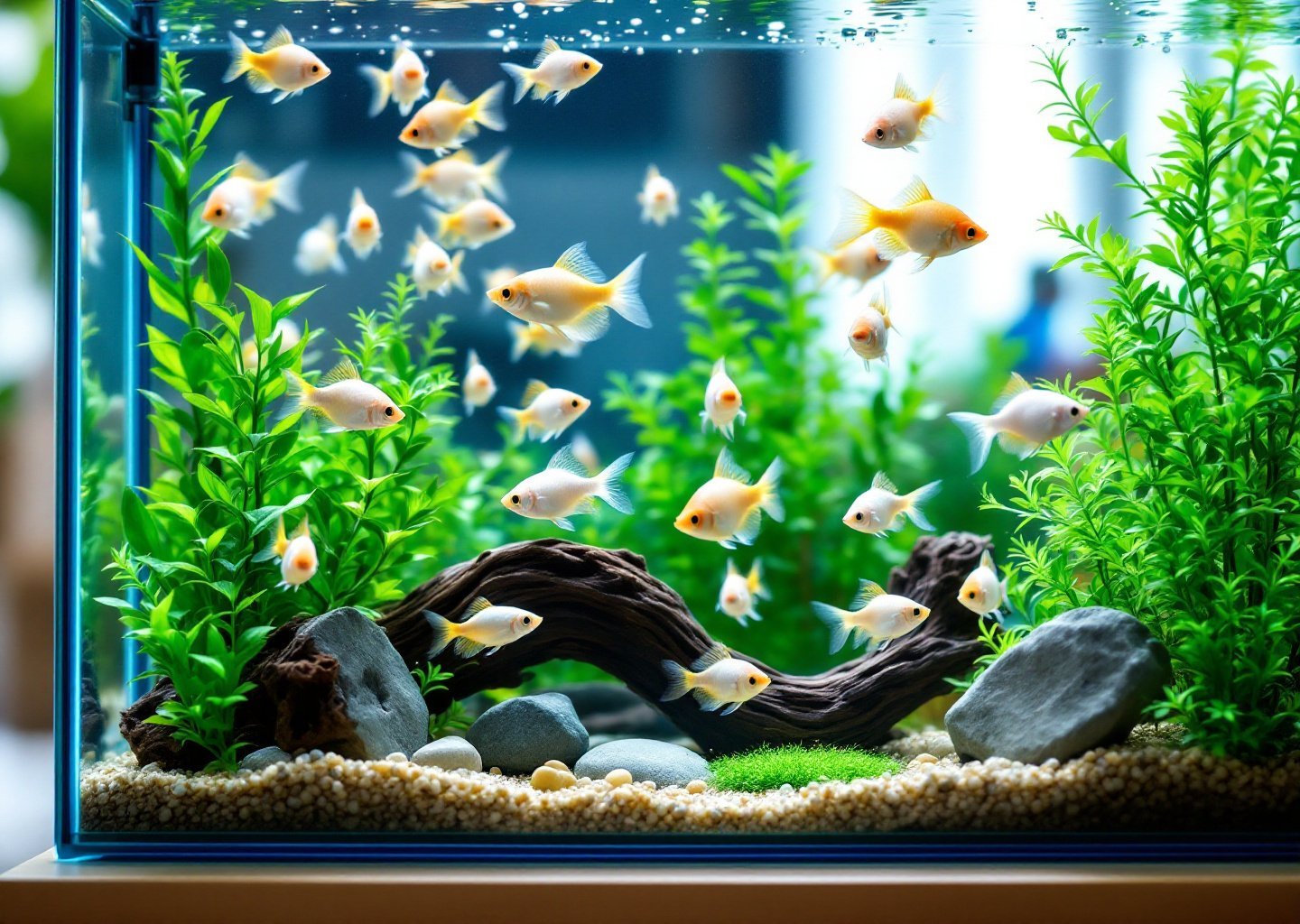
Best Freshwater Fish for Beginners 2024: The No-BS Guide That’ll Actually Keep Your Fish Alive
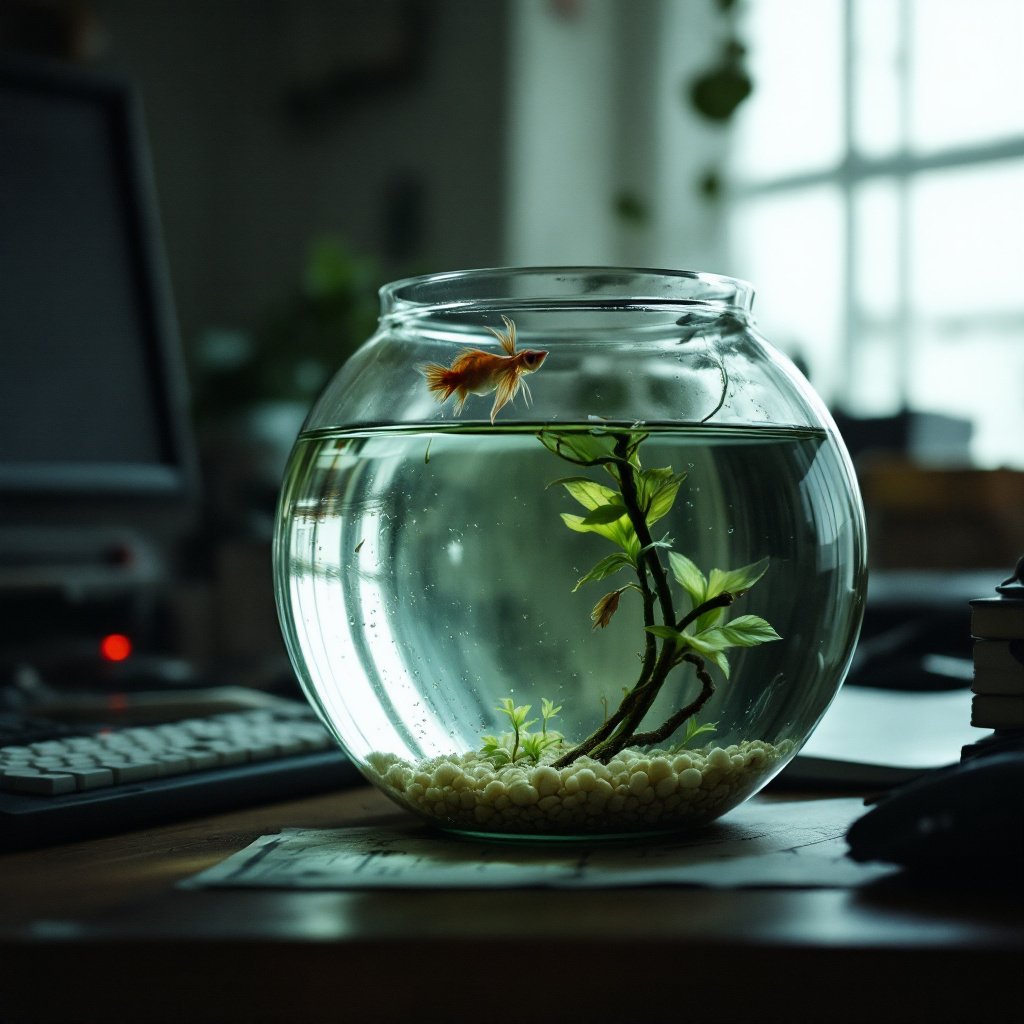
Let me tell you about Gerald. Gerald was a gorgeous red betta who lived in an unheated, uncycled 1-gallon bowl on my desk during my first year working as a graphic designer. I thought I was doing everything right because the pet store told me bettas “love small spaces” and “don’t need filters.” Gerald lasted six weeks. I still feel guilty about it.
Here’s the thing nobody told me back then: the best freshwater fish for beginners 2024 aren’t the ones pet stores push on you. Pet store fish swimming in tiny cups or “starter fish” that cost $0.33 each? Not what you want. And the reason most new fishkeepers lose their first fish within 30 days? It’s got nothing to do with bad luck or “sensitive fish.” It has everything to do with bad information.
If you’re reading this, you probably want to start an aquarium without repeating my Gerald mistake. Maybe you’ve already killed a fish or two and you’re wondering what the heck you’re doing wrong. Or maybe you’re researching before buying, in which case, congrats. You’re already ahead of where I was.
This guide is going to challenge a lot of what you’ve heard about beginner fish. I’m going to name names and call out the popular recommendations that set new fishkeepers up for failure. Then I’ll share which fish actually forgive beginner mistakes, the exact tank combinations that work, and a 30-day timeline to get you from empty tank to thriving community.
No fluff. No sponsored pet store partnerships. Just what actually works based on years of keeping fish in my Portland apartment (currently at seven tanks and counting, much to my partner’s mild concern).
Section 1: The Beginner Fish Hall of Shame
Let’s start with some uncomfortable truths about the fish most commonly sold to beginners. Fair warning: this might sting a little.
Goldfish
That cute little goldfish at the carnival? It needs a 20-gallon tank minimum. For one fish. Fancy fantails and orandas? Those require 30+ gallons. Here’s what most people don’t realize: goldfish produce enormous amounts of waste, require pristine water quality, and can live 15-25 years with proper care. Cold water is their preference, meaning warm rooms cause suffering. And they’ll quickly outgrow any bowl or small tank.
Tropical fish vs coldwater fish comparison matters here. Goldfish have completely different requirements than the tropical species most beginners want anyway. Mixing them? That’s a disaster waiting to happen.
Bettas (in bowls)
Bettas aren’t hard fish. But the way pet stores sell them is borderline cruel. I don’t say that lightly. Heated tanks (78-82°F), filtration, and at least 5 gallons of space are non-negotiable. That divided tank at the pet store? Stressful. Those tiny “betta cubes”? Slow torture.
A properly set up betta in a 10-gallon planted tank is actually beginner-friendly. A betta in a bowl is just surviving until it isn’t.
Common Plecos
You know those cute little “algae eaters” sold as tank cleaners? The ones that look like tiny armored catfish? Yeah, those grow to 18-24 inches. I’ve seen so many in shelters because people bought them at 2 inches without understanding fish tank size requirements by species. As adults, common plecos need 100+ gallon tanks. Not exactly what the pet store mentioned, right?
Neon Tetras
This one surprises people. Neons are everywhere, cheap, and absolutely beautiful. But here’s the truth: fragile describes them best. Mature, cycled tanks with stable water parameters are essential. Plus, they’re prone to a disease literally called “neon tetra disease” that’s almost always fatal and spreads fast. For new tanks still finding their biological balance? Neons often become expensive casualties.
African Dwarf Frogs
Pet stores sell these guys in those ridiculous sealed ecosystems or tiny cubes. Proper aquariums with heat and filtration are what they actually need. Slow eaters, they struggle in community tanks. And escape artists? You bet. If they get out, they die. Skip them for now. Trust me on this one.
Section 2: What Makes a Fish Truly Beginner-Friendly
Most guides tell you to look for “hardy” fish without explaining what that actually means. So what does it mean? Here are the five survival factors that actually predict whether a fish will thrive under new owner care:
1. Ammonia Tolerance
New tanks go through something called “new tank syndrome” where ammonia spikes before beneficial bacteria establish. Fish that survive beginner care can handle brief exposure to elevated ammonia without immediately getting sick.
2. Temperature Flexibility
Heater malfunctions happen. Power goes out. Your apartment runs warm in summer. Hardy fish for new aquarium setup can handle temperature swings of 5-10 degrees without stress.
3. Diet Flexibility
Some fish need live foods, specialty diets, or multiple feedings daily. Beginner-friendly fish? Quality flake or pellet foods keep them thriving, and occasional missed feedings don’t phase them. (We’ve all forgotten before. Don’t pretend you haven’t.)
4. Disease Resistance
Some species succumb to ich (white spot disease) at the first sign of stress. Others seem to shrug it off. When you’re still learning, this matters enormously.
5. Behavioral Forgiveness
Fish that stress easily, hide constantly, or become aggressive in imperfect conditions are harder to keep healthy and enjoy. Best beginner fish stay active and visible even when things aren’t perfect.
Section 3: The 7 Best Freshwater Fish for Beginners in 2024
Alright, here’s what you came for. Ranked by what I call the “forgiveness factor,” which basically measures how well each species tolerates beginner mistakes.
1. White Cloud Mountain Minnows (Forgiveness Factor: 10/10)
Practically bulletproof, these little fish handle temperatures from 60-72°F (great for unheated tanks), tolerate imperfect water quality, and stay peaceful in groups. Active, pretty, and generally inexpensive at most pet stores. Every beginner should start here. No hedging. Just start here.
Tank minimum: 10 gallons for a school of 6-8.
2. Endlers Livebearers (Forgiveness Factor: 9/10)
Think of them like guppies but hardier, smaller, and less prone to the genetic problems that plague fancy guppy strains. Males are brilliantly colored with patterns that would make any designer jealous. Breeding comes easily (too easily, some say), which means population recovery if you lose a few early on.
Tank minimum: 10 gallons for 6-8 fish.
3. Zebra Danios (Forgiveness Factor: 9/10)
Honestly? Pet stores should recommend these as the actual “starter fish” instead of goldfish. Zebra danios are active, social, and incredibly tough. Fast swimmers, they bring real energy to any tank. Just give them horizontal swimming space because they like to zoom.
Tank minimum: 10 gallons for 6+ fish.
4. Platies (Forgiveness Factor: 8/10)
Colorful, peaceful, and available in dozens of color varieties. Livebearers, platies occasionally surprise you with babies (which other fish may eat, maintaining population naturally). Everything gets eaten, water quality fluctuations get tolerated, and those chunky bodies with bright colors display nicely.
Tank minimum: 10 gallons for 3-4 fish.
5. Bristlenose Plecos (Forgiveness Factor: 8/10)
Unlike their common pleco cousins, bristlenose plecos max out at 4-5 inches. Algae actually gets eaten, peaceful temperaments prevail, and interesting behavior adds life to the bottom of your tank. Males develop these cool “bristles” on their faces. It’s weird and wonderful. One thing though: driftwood in their tank is essential for digestion.
Tank minimum: 20 gallons.
6. Cherry Barbs (Forgiveness Factor: 7/10)
Gorgeous red coloration (especially breeding males) and beautiful schooling behavior make these peaceful barbs stand out. Calmer than their notorious tiger barb relatives, cherry barbs work well in planted tanks. My current favorite for adding warm color to aquascapes. I can’t stop recommending them.
Tank minimum: 15 gallons for 6-8 fish.
7. Corydoras Catfish (Forgiveness Factor: 7/10)
Specifically, bronze or albino corys rather than more sensitive species. Adorable bottom-dwellers add activity to the tank’s lower regions, help clean up missed food, and display charming social behaviors. You’ll catch yourself watching them for way too long. Sand or fine gravel substrates protect their barbels, so keep that in mind.
Tank minimum: 15 gallons for 4-6 fish.
Section 4: Your First Community Tank Blueprint
Now for how to choose fish for community tank setups that actually work. Most people get into trouble here, mixing incompatible species or overcrowding because everything looks so good at the store.
The 10-Gallon Starter (Perfect for Apartments)
Low maintenance fish species for home aquarium setup, perfect for desks, bedrooms, or small spaces:
- 6 White Cloud Mountain Minnows
- That’s it. Seriously.
I know, I know. It sounds boring. But white clouds in a planted tank with some rocks is beautiful, extremely forgiving, and gives you room to learn. Resist the urge to add more species until you’ve kept this running successfully for 3-6 months.
The 20-Gallon Community (The Sweet Spot)
Here’s where you can explore peaceful aquarium fish that live together:
- 8 Zebra Danios (top to mid level)
- 6 Cherry Barbs (mid level)
- 4 Bronze Corydoras (bottom level)
Compatible aquarium fish combinations guide your tank toward a natural look with activity at all levels. how to set up a planted aquarium to create visual zones that highlight each species.
The 29-Gallon Display (Room for Color)
Ready for more variety? Here’s how to build a beginner-friendly community aquarium:
- 8 Platies (mixed colors for variety)
- 8 White Cloud Minnows or Endlers
- 1 Bristlenose Pleco
- 6 Corydoras (bronze or albino)
Top-to-bottom activity, multiple colors, and foolproof fish combinations for beginners. Knowing which fish can live together without fighting comes down to matching temperaments and swimming zones.
Section 5: The Beginner’s 30-Day Success Timeline
Here’s exactly how to set yourself up for success with a hardy fish for new aquarium setup. Follow this and you’ll avoid about 90% of the mistakes I made.
Week 1: Setup (No Fish Yet!)
- Day 1-2: Set up tank, add substrate, hardscape, and plants
- Day 3-7: Run filter and heater, add dechlorinated water, start fishless cycling with ammonia or use a bacterial starter product
fishless cycling guide for the detailed process. This step prevents 90% of beginner fish deaths. Don’t skip it.
Week 2: The Waiting Game
- Continue cycling, test water daily for ammonia, nitrite, and nitrate
- Watch for ammonia spike and fall
- Resist buying fish. I know it’s hard. Do it anyway.
Week 3: First Fish
- Only add fish when ammonia and nitrite read zero
- Start with 3-4 fish maximum
- Feed sparingly (every other day for the first week)
- Test water daily
Week 4: Stabilization
- If all fish are healthy and water parameters stable, consider adding 3-4 more fish
- Begin normal feeding schedule
- Test water every 2-3 days
- Do first 25% water change
Ongoing: Monthly Routine
- 25-30% water changes weekly
- Test water weekly
- Clean filter media monthly (in old tank water, not tap. This matters!)
- Watch for changes in fish behavior
Best freshwater fish for beginners 2024 aren’t the ones with the fanciest colors or the lowest price tags. Species that’ll survive your learning curve while you figure out the basics? Those are your winners.
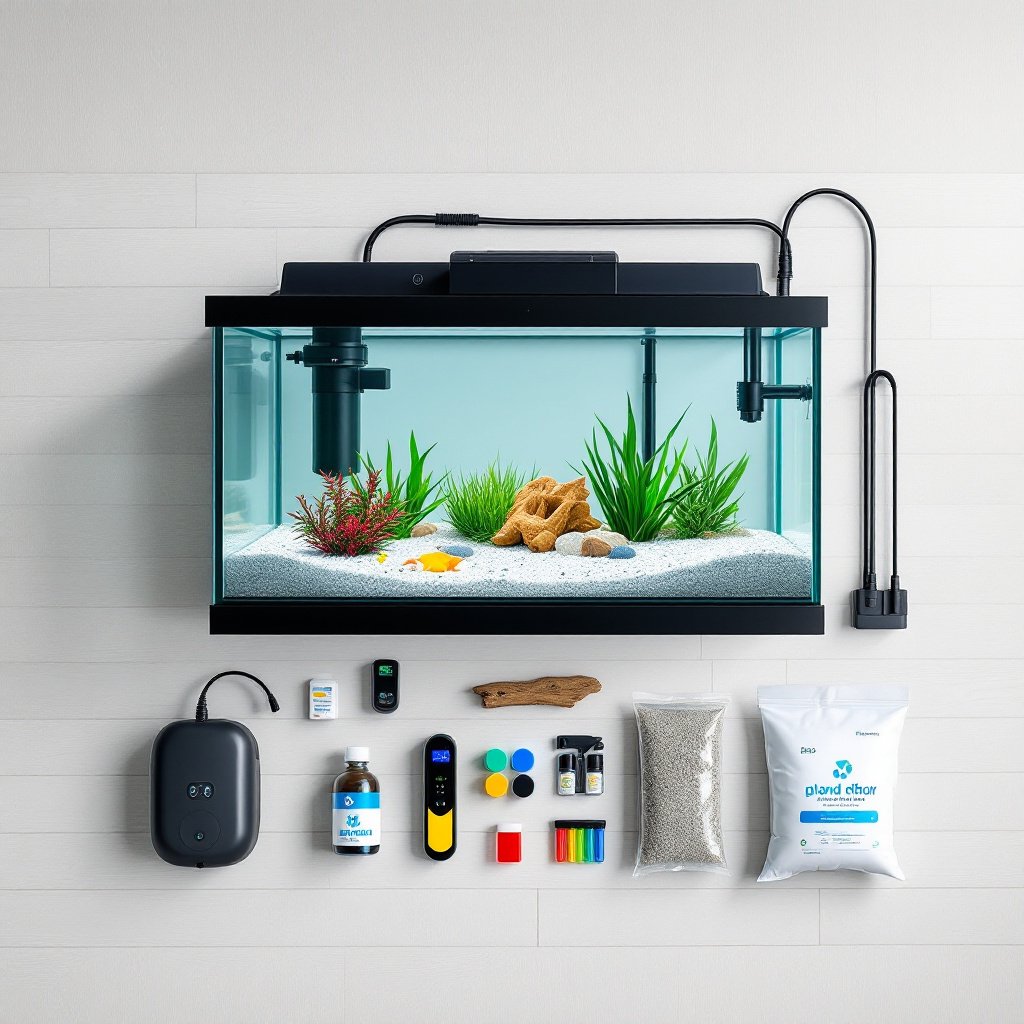
Your shopping list:
For a 10-gallon starter tank:
– 10-gallon tank with hood/light
– Filter rated for 10-20 gallons
– 50-watt heater (unless keeping white clouds in cool room)
– Thermometer
– Water conditioner
– Test kit (liquid, not strips. Worth the extra cost.)
– 6 White Cloud Mountain Minnows
Your next steps:
- Set up your tank this weekend
- nitrogen cycle explained and understand the science
- Cycle for 2-4 weeks
- Add your first fish
- Come back and read my planted tank guide when you’re ready to level up
And please, don’t make my Gerald mistake. No fish thrives in a bowl. Period. But fish absolutely can thrive in a properly set up tank under your care, even if you’re brand new to this hobby.
Start small. Be patient. And when someone at the pet store tries to sell you a common pleco for your 10-gallon tank, smile politely and walk away.
You’ve got this.