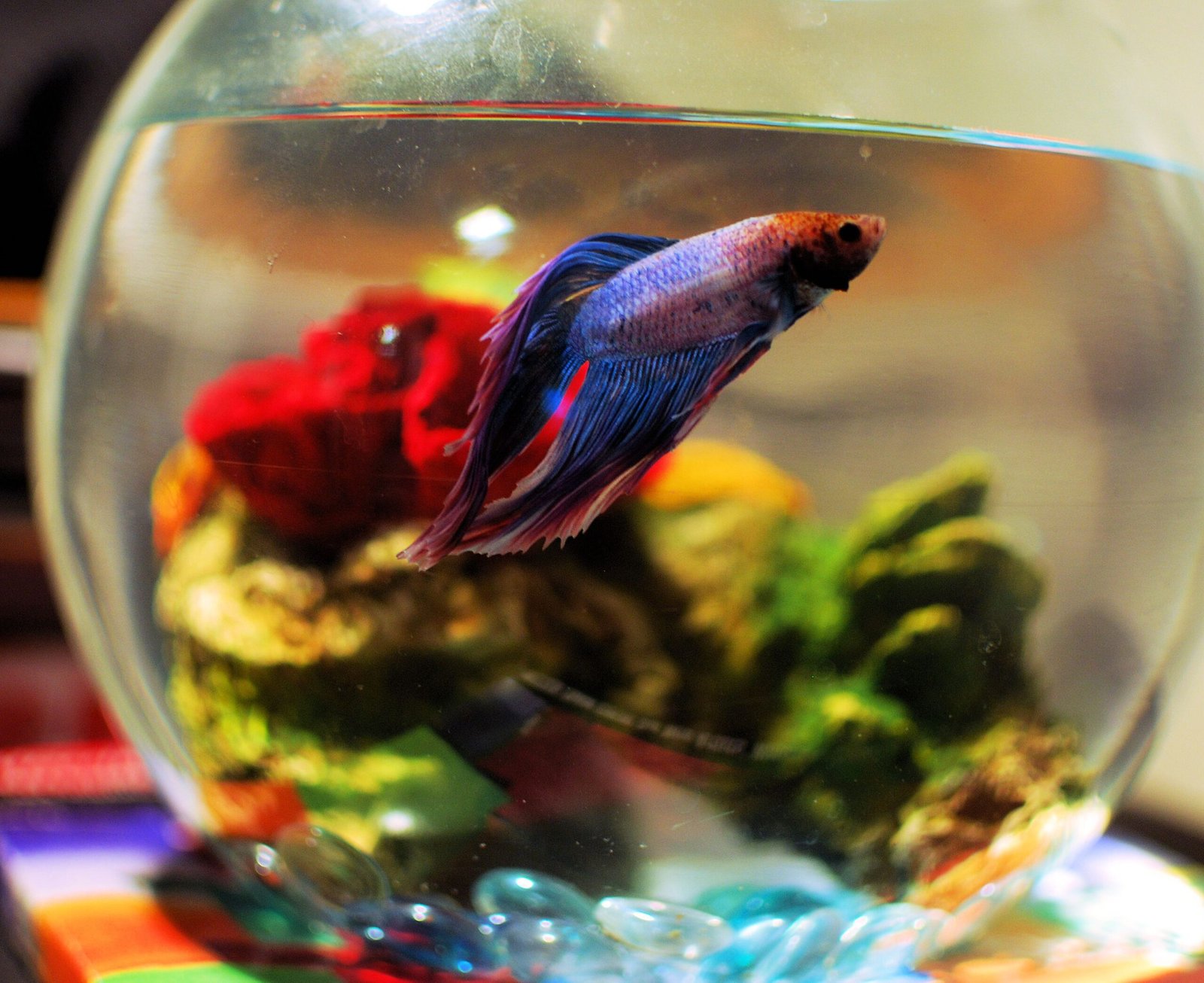
Fish fight in aquariums mainly because of territory, stress, breeding drives, and poor tank setup.
I have kept and studied aquariums for years, and I can explain why fish fight in aquarium with clear, practical advice. This guide breaks down the causes, signs, fixes, and prevention tips so you can stop fights early and keep your fish calm and healthy. Read on to learn proven steps and simple changes that work.

Main causes: why fish fight in aquarium
Fish fight for clear reasons. Many fights start over territory. Some species are naturally territorial and defend their space. Stress from crowding and bad water can also trigger aggression.
- Territory and space: Fish mark areas and chase intruders.
- Mating and breeding: Males fight for mates and nests.
- Competition for food: Hungry fish become bold and aggressive.
- Stress and poor water: Bad water makes fish irritable and prone to lash out.
Understanding these causes helps you prevent most battles. When you know why fish fight in aquarium, you can fix the root problem quickly.
:strip_icc()/siamese-fighting-fish-bettas-1378308-hero-f459084da1414308accde7e21001906c.jpg)
Species and temperament: which fish are likely to fight
Some fish are more likely to fight than others. Cichlids, bettas, and some barbs are known for strong personalities. Community fish like tetras are usually peaceful but can still squabble.
- Aggressive species: Many cichlids and bettas will fight to the death in small tanks.
- Semi-aggressive species: Gouramis, barbs, and some larger tetras often show sparring.
- Peaceful species: Rasboras, neon tetras, and tetras usually keep to themselves if kept right.
- Mixed tanks: Pairing aggressive and peaceful species often leads to stress and fights.
Pick fish with similar temperaments to reduce conflict. In my experience, mixing a highly territorial male with timid schooling fish almost always causes trouble.
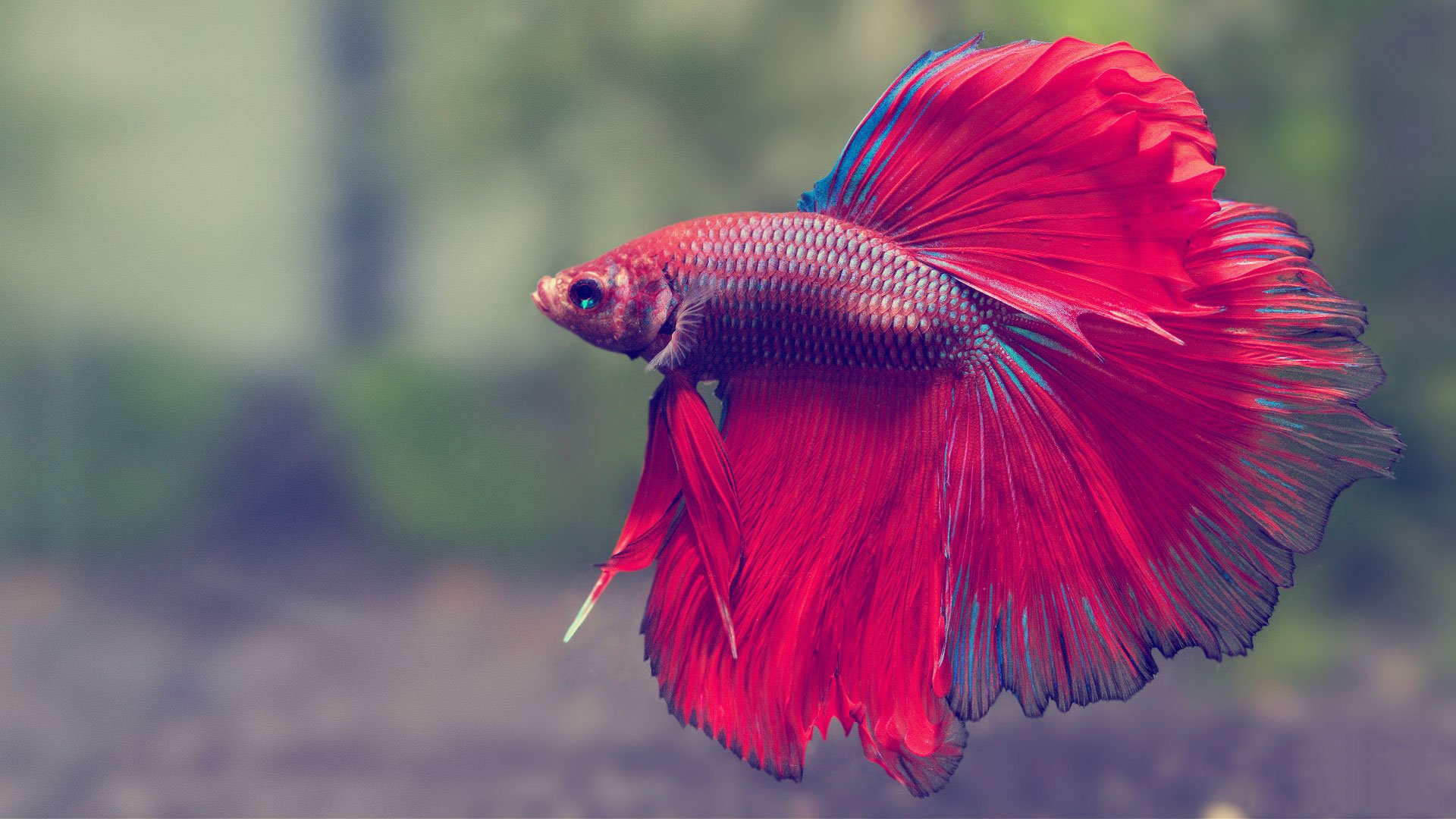
Tank setup and environment: prevent fights before they start
A good tank setup lowers aggression fast. Space, hiding spots, and clear boundaries matter. Simple layout changes can calm the tank.
- Provide hiding places: Rocks, plants, and caves break lines of sight.
- Use correct tank size: Overcrowding raises stress and fights.
- Create territories: Decorations can split the tank into zones.
- Keep water stable: Clean, warm, and oxygen-rich water reduces tension.
When I added plants and caves to a small community tank, fights dropped significantly within days. Small moves can make a big difference.
:strip_icc()/Betta_Bowl_Valerie_Yermal-56a330203df78cf7727c4d0e.jpg)
Social structure and group size: how numbers affect aggression
Group size shapes fish behavior. Some species need a school to feel safe. Others do better singly or in pairs.
- Schooling fish: Keep in groups of six or more to spread aggression.
- Solitary fighters: Some males, like bettas, do best alone.
- Male-to-female ratios: Too many males cause frequent fights during breeding.
- Hierarchy: Dominant fish often pick on weaker ones until balance is found.
I once reduced aggression by increasing the school size from four to eight tetras. The bullying stopped when the social pressure spread across more fish.
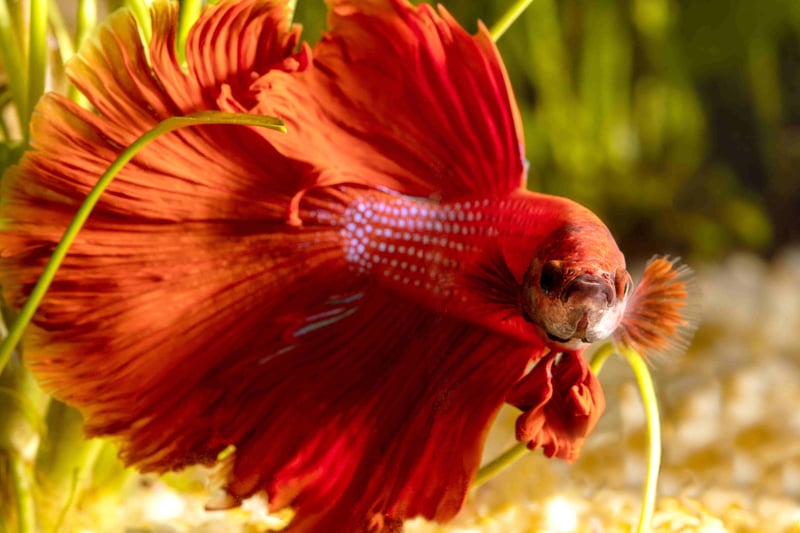
Signs of aggression and how fights escalate
Spotting early signs stops damage fast. Watch how fish act before stepping in.
- Chasing and nipping: Short chases can become long fights if left.
- Flaring and fin spreading: A show of strength that can lead to biting.
- Torn fins and wounds: Physical damage shows fights already happened.
- Hiding and loss of appetite: Victims may hide and stop eating when bullied.
If you see these signs, act quickly. Simple changes in layout or diet often cool tempers.

Practical steps to stop fish fighting now
Use clear, immediate actions when fights start. These steps are simple and effective.
- Isolate the aggressor or injured fish in a quarantine tank.
- Rearrange decorations to break established territories.
- Increase hiding spots and cover in the tank.
- Improve water quality with partial water changes and tests.
- Adjust feeding: feed small amounts more often to reduce competition.
I have used a spare tank to separate fighters and calm a community within two days. Quick isolation saves lives.
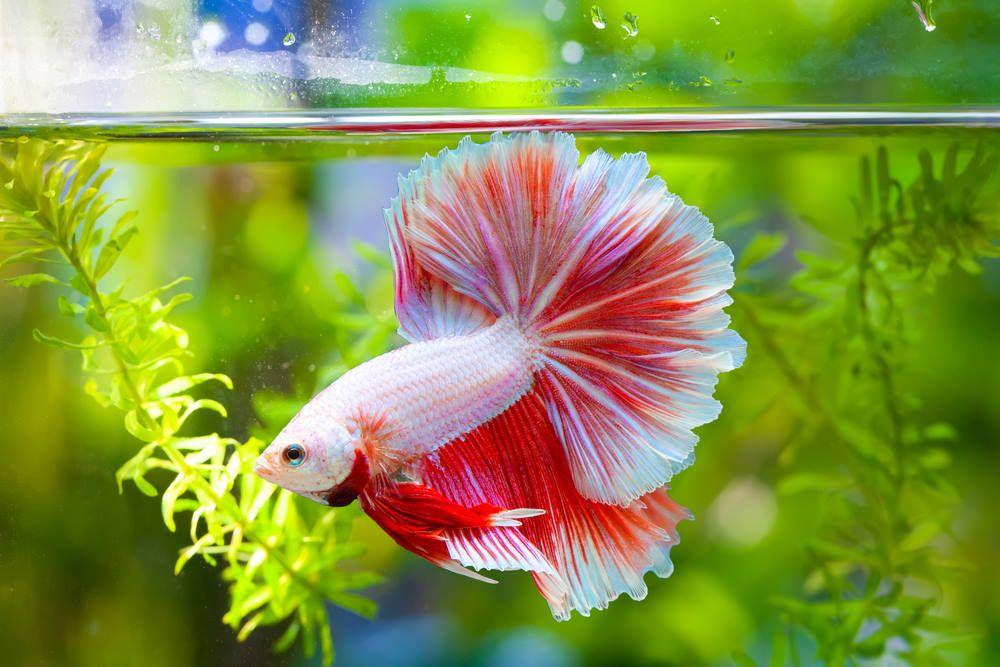
Long-term strategies to reduce aggression
Preventing fights needs steady care. Long-term moves keep fish well and calm.
- Match species and sizes: Choose fish with similar habits and sizes.
- Maintain good water health: Test water and do regular maintenance.
- Create stable routines: Feed and light on a schedule to reduce stress.
- Use plants and decorations strategically: Rotate décor when needed to reset territories.
Over months, a steady approach cut my tank conflicts by more than half. Routine is a powerful tool.
Common mistakes and how to avoid them
Avoid these frequent errors that lead to fights. Small mistakes can spark big problems.
- Overstocking: Too many fish raises stress and fights.
- Mixing incompatible species: Avoid pairing aggressive and shy fish.
- Ignoring water issues: Poor water makes even calm fish aggressive.
- Wrong ratios: Too many males often mean constant battles.
I learned this the hard way. A rushed purchase of compatible-looking fish resulted in weeks of stress and recovery work.
When to get professional help
Sometimes fights need expert care. Know when to ask for help.
- Persistent injuries: If wounds do not heal, consult a vet or pro.
- Repeated aggression after fixes: A behaviorist or experienced keeper can help.
- Disease risks: Open wounds can spread infections; seek guidance quickly.
A vet helped diagnose an unseen infection after a fight in my tank. Early help saved lives.
Frequently Asked Questions of why fish fight in aquarium
Why do fish suddenly start fighting in my aquarium?
Fish often fight when something changes. New fish, altered decor, poor water, or mating season can all spark sudden fights.
Can overcrowding cause fish to fight?
Yes. Overcrowded tanks raise stress and competition for space and food, which increases aggression.
Do water parameters influence aggression?
Absolutely. Unstable ammonia, nitrite, nitrate, or pH levels make fish stressed and more likely to fight.
Is it okay to separate aggressive fish permanently?
Yes. Some species need to be housed alone or in a species-only tank to prevent constant harm to others.
Will adding plants stop fish from fighting?
Often it helps. Plants and decorations create hiding spots and territories that reduce direct conflict.
Conclusion
Fights in an aquarium usually come from territory, stress, breeding, or poor setup. You can stop most conflicts with the right tank layout, correct group sizes, clean water, and careful species choices. Use the practical steps here to act fast and to prevent future fights. Try one change today—add hiding spots, adjust the group size, or test the water—and watch your tank calm down. Share your experience, ask questions below, or subscribe for more practical aquarium care tips.