
Planted Aquarium Setup for Beginners: A Step-by-Step 30-Day Framework
So you’ve searched for a planted aquarium setup for beginners step by step and immediately felt your blood pressure spike. You’re in good company. The internet has this annoying habit of throwing complicated charts, intense lighting schedules, and CO2 physics at you before you’ve even got water in the tank. When I was sitting on my apartment floor, surrounded by bags of substrate and a very confused betta named Gerald, one thought kept running through my head: I am so in over my head. Spoiler? I absolutely was. But here’s the good news. You don’t have to be.
Most planted tank guides forget what it actually feels like to be new at this. They assume you want a perfectly manicured, competition-level aquascape on day one. They skip right past the messy middle, the doubts, that gnawing worry that every melting leaf means total doom.
We’re going to slow everything way down here. This guide walks you through a simple 30-day framework that works in tiny apartments, on tight budgets, and without any panic Googling at 2 a.m. Following this planted aquarium setup for beginners step by step won’t give you perfection. It’ll give you something better: a stable tank you actually enjoy looking at.
Week 1: The Honest Equipment List, What You Actually Need vs. What YouTube Wants You to Buy
Time to cut through the noise. You don’t need a $300 light or a filtration system that looks like it belongs in a hospital. For a basic low-tech planted aquarium, your core gear is pretty simple.
What you actually need:
– A tank between 5 and 20 gallons
– A decent LED light with adjustable brightness
– A sponge filter or small hang-on-back filter
– A heater (depending on your specific plants and fish, since many common plants like Java fern and Anubias thrive in 65–75°F, but tropical fish often need it warmer)
– Substrate meant for plants
– A timer for your light
What you probably don’t need yet:
– CO2 systems
– Specialized canister filters
– Fancy inline diffusers
– High-end smart lights
– Every single tool in those sleek aquascaping kits
My first aquascape included a pair of aquascaping tweezers that cost more than the actual plants. Don’t do that to yourself. Seriously. Save that money for plants or a good root tab stash.
Want to compare options? Check some neutral reviews like best planted aquarium equipment 2024 reviews.
Weeks 1–2: Substrate Showdown, Soil vs. Gravel for Beginners
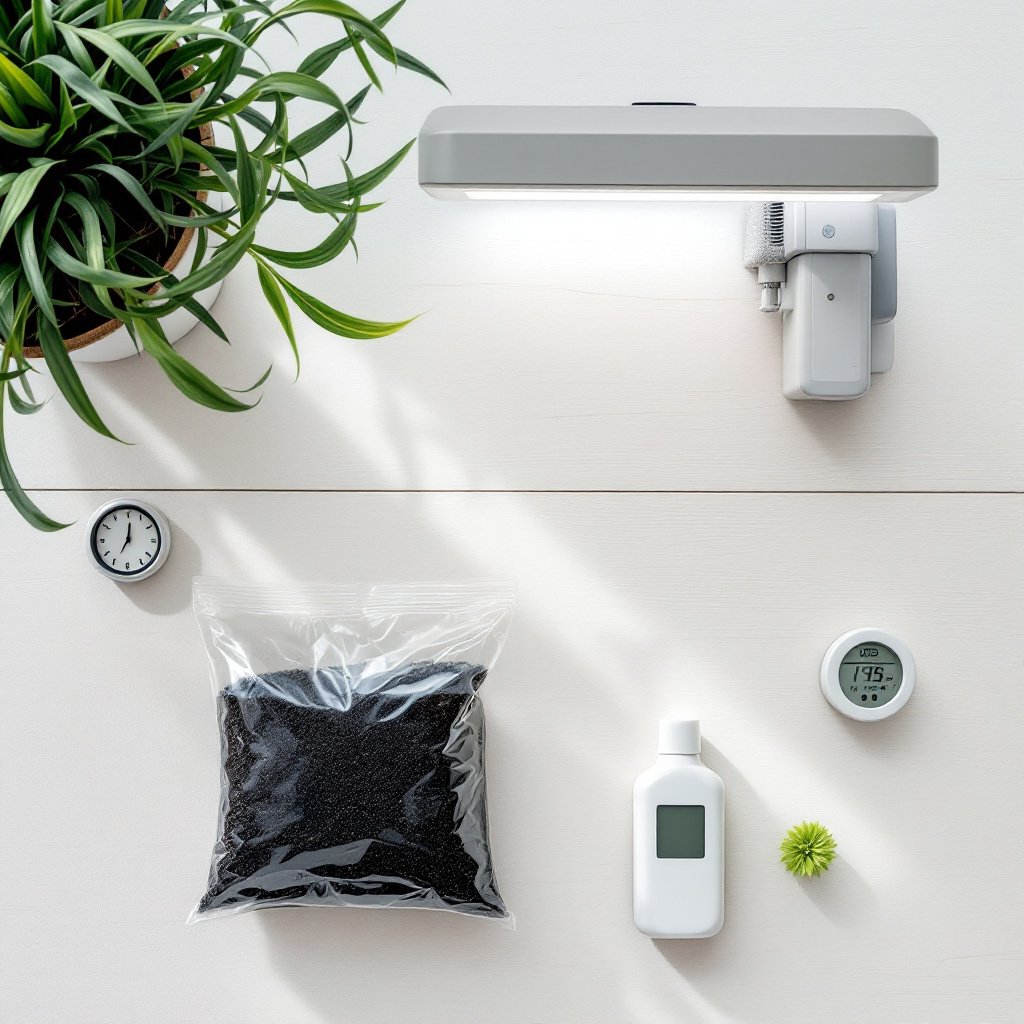
The soil vs. gravel debate can get surprisingly heated. Sure, gravel looks clean and minimal. But here’s the truth: for beginners, soil or an active planted substrate wins almost every time.
Why’s that?
– Plants root faster
– Early fertilizing demands drop significantly
– Tanks reach stability quicker
– Nutrient deficiencies become far less common
Gravel works fine for seasoned hobbyists who understand liquid and root fertilizer dosing inside and out. For beginners, though, it creates more problems than it solves. Too many new hobbyists have messaged me pictures of dying stems, asking why nothing’s growing. Most of the time? The culprit is inert substrate.
A planted aquarium setup for beginners step by step that actually works means going with soil. Don’t worry if it clouds your water for a day. That’s totally normal.
Week 2: Your First 5 Plants, Indestructible Species That Forgive Every Rookie Mistake
Your first plant selection shapes everything, so resist the urge to grab those bright red stems or the delicate carpeting plants you see in fancy aquascape videos. My second nano tank taught me this lesson the hard way. Spent weeks wondering why the leaves looked crispy. (They were crispy because I was in over my head. Again.)
These are the best low-tech planted tank plants for true beginners:
– Anubias nana petite or regular
– Java fern
– Cryptocoryne wendtii
– Amazon sword (for tanks 10 gallons and up)
– Water sprite or hornwort for fast growth
These species show up on almost every list of best low-tech planted tank plants for beginners, and for good reason. They handle low light, inconsistent fertilizing, and the occasional oops moment when you forget a water change.
Floating plants are optional, but they can really help with algae control and add nice texture. Frogbit’s my go-to, especially in smaller tanks.
For an expanded plant list, something like best low tech planted tank plants is worth bookmarking.
Weeks 2–3: The Cycling Truth, How to Cycle a Planted Tank Without Losing Your Mind
Learning how to cycle a planted aquarium for beginners is where most people start to panic. There’s so much conflicting information out there, and every tank cycles a little differently.
But here’s the simple version:
– Plants help your cycle. A lot.
– Staring at ammonia charts every single day isn’t necessary.
– Ghost feeding becomes unnecessary when you have plants.
– Testing your water once a week still matters.
This is the easiest cycling method for low-tech tanks:
1. Set up the tank with substrate, hardscape, and plants.
2. Add dechlorinated water.
3. Add beneficial bacteria from any reputable brand.
4. Let the tank run for 4 to 8 weeks (though heavily planted tanks with mature filter media may cycle faster, sometimes 2 to 4 weeks).
5. Test for ammonia, nitrite, and nitrate once a week.
6. Aim for ammonia 0, nitrite 0, and nitrates between 5 and 20.
Seeing some melting, especially with crypts? Don’t freak out. They melt to regrow stronger roots. Once I thought I’d killed an entire batch of crypts in my 7-gallon tank, only to have them surprise me with a jungle a month later. Plants are weird like that.
What you don’t want is rotting plant matter, overfeeding, or dead livestock. All three can stall your cycle hard. Stick with plants only until your parameters stabilize.
Check common planted tank mistakes to avoid for more troubleshooting tips.
Weeks 3–4: Light and Fertilizer Basics, The “Good Enough” Settings That Actually Work
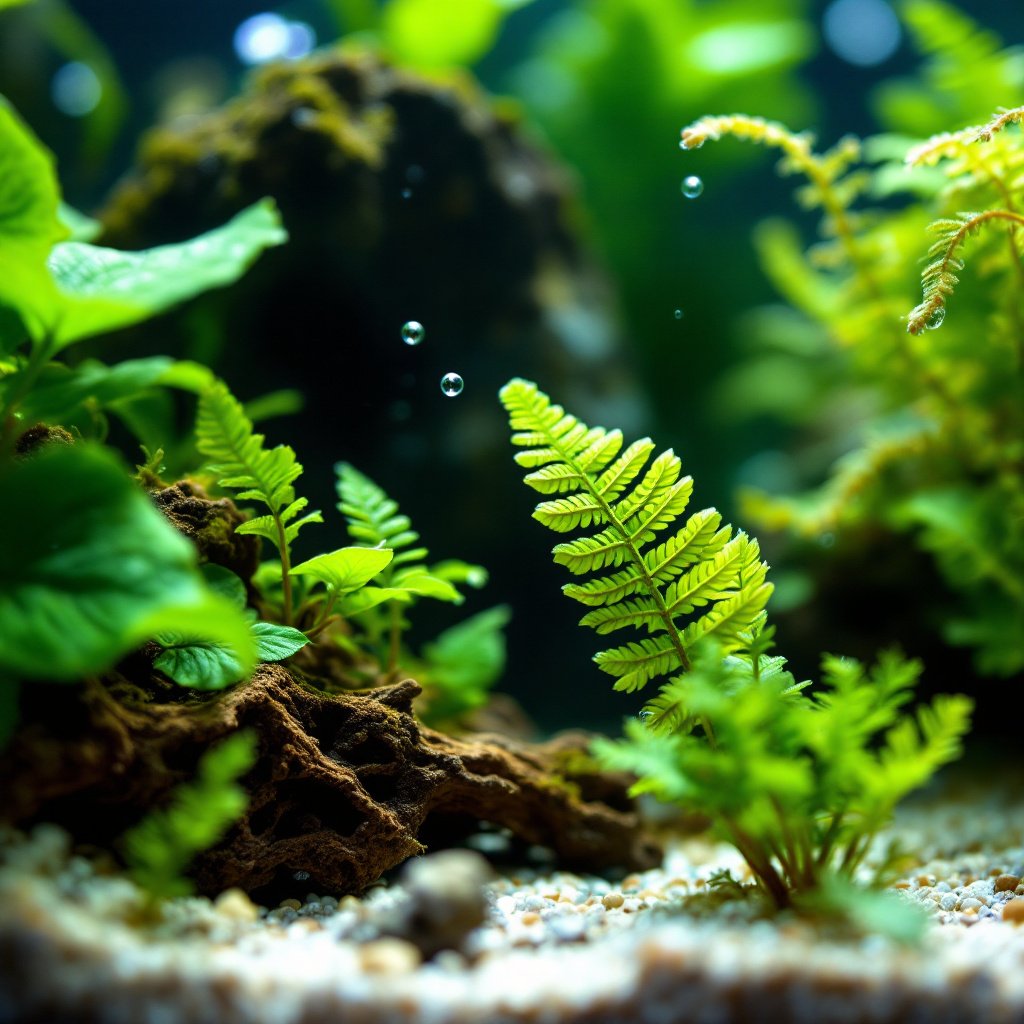
People love to overcomplicate lighting. But high-intensity settings aren’t necessary unless you’re running CO2. And honestly, if you’re reading a planted aquarium setup for beginners step by step, you probably aren’t there yet.
Start with:
– 6 hours of light per day for the first two weeks
– 7 to 8 hours once the tank settles
– Medium brightness on most budget lights
Are your plants stretching upward fast? Bump intensity a little. Seeing algae dust on the glass? Reduce either brightness or duration. It’s really that simple.
Fertilizers are simpler than they seem, too. Most beginners only need:
– A comprehensive liquid fertilizer twice a week
– Optional root tabs for heavy root feeders like swords and crypts
Keep it light at first. Plants adjust slowly, and overdoing nutrients won’t fix anything. It’ll just feed algae. My planted aquarium fertilizer schedule and dosing routine is honestly pretty boring. But predictable is good. Predictable means fewer surprises.
Thinking about CO2? That’s when you can start exploring how to balance CO2 and lighting in planted tanks. For now, though, keep things low-tech and calm.
Month 2 and Beyond: The 15-Minute Weekly Routine That Keeps Everything Alive
Once your tank hits week four or five, everything gets easier. A rhythm develops, and your plants will start telling you what they need.
My weekly routine looks something like this:
– Wipe down the glass
– Remove any rotting leaves
– Trim fast growers lightly
– Top off with dechlorinated water
– Do a 30 percent water change
– Dose liquid fertilizer
Some weeks more time goes into just staring at the tank than actually maintaining it. And honestly? That counts as research. Observing growth patterns helps you catch issues early.
Hitting a snag, like wondering why your aquarium plants are dying and how to fix them? Don’t assume your whole system has failed. Most issues come from simple things: not enough light, forgetting to replace expired root tabs, that kind of stuff.
For a deeper routine breakdown, look up resources like ultimate guide to planted aquarium care.
Following this planted aquarium setup for beginners step by step should get you to the 90-day point with stable plants, predictable water parameters, and a tank that feels like yours. That’s when leveling up becomes an option. Maybe a few red plants, maybe a small CO2 kit, maybe a new light. Maybe even a new tank. (I’ve been guilty of that last one plenty of times, usually while insisting to my partner that a 5-gallon barely counts as another aquarium.)
Before you expand, ask yourself:
– Have my plants grown for at least a month without issues?
– Is algae minimal?
– Do I understand my weekly routine?
– Am I excited, not overwhelmed?
Nodding yes to all of those? You’re ready.
And when you feel stuck, remember that every single aquascaper you admire started exactly where you are right now. Probably with a slightly cloudy tank and one determined little plant hanging on for dear life. Keep going. Your underwater world is just getting started.