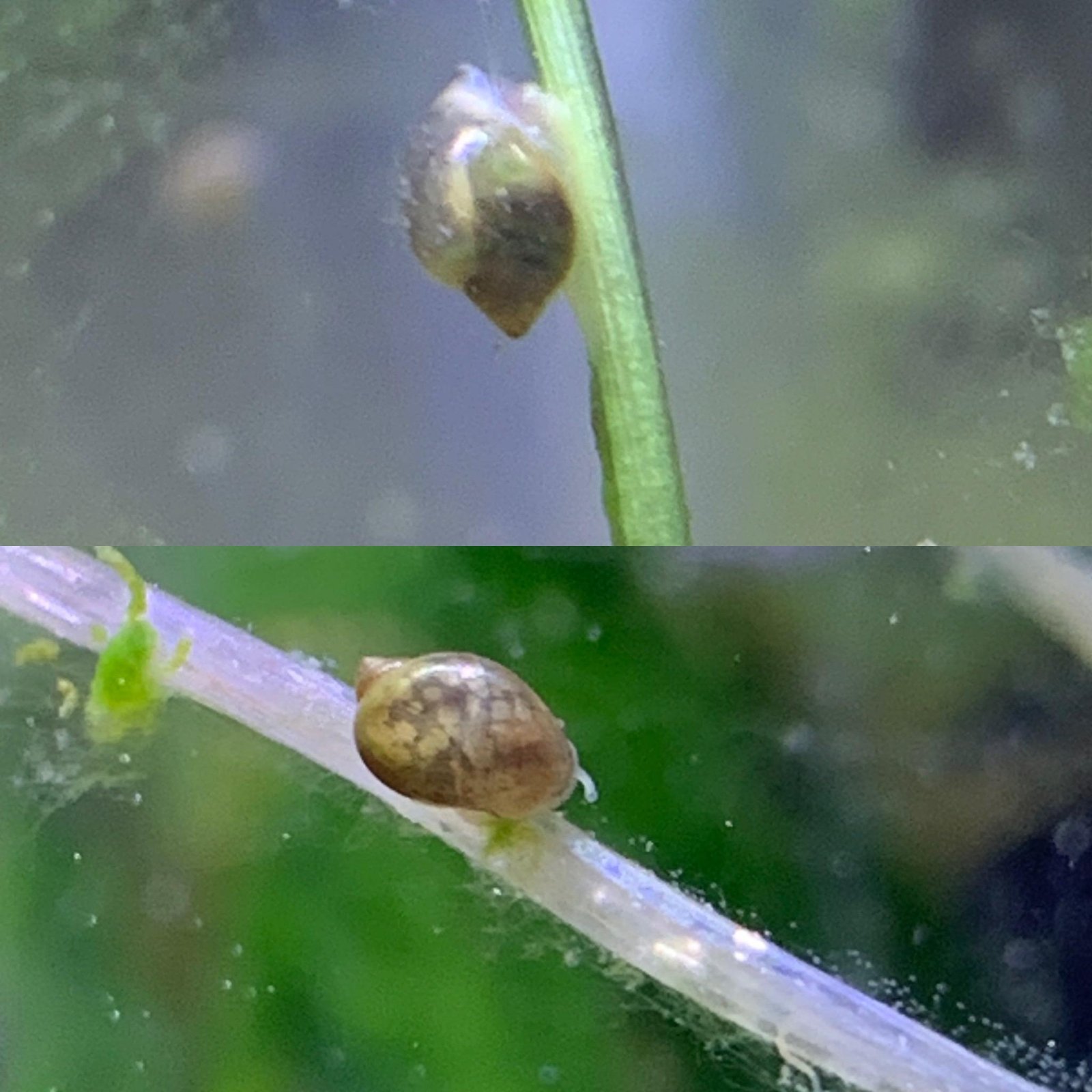
Snails usually hitchhike in on plants, decor, or live food and thrive when food and conditions are right.
I’ve seen this question a lot: why have snails appeared in my aquarium? As an experienced hobbyist and aquascaper, I’ll walk you through the most common reasons snails show up, how they arrive, whether they’re harmful, and practical ways to manage or prevent them. This guide blends research-backed facts with hands-on tips I’ve learned over years of tank keeping so you can make an informed choice about the snails in your tank.

Common reasons why have snails appeared in my aquarium
There are a few repeatable patterns that explain why have snails appeared in my aquarium. Snails love clean hiding places, spare food, and surfaces for eggs. If you add new plants, décor, or substrate, you may also add snail eggs or tiny hitchhikers.
Most snail blooms happen when:
- You introduce live plants or driftwood that carry eggs or tiny snails.
- You feed too much and leave excess food and decaying matter.
- Water conditions favor rapid snail reproduction, such as warmer temperatures and plenty of algae.
- You add used equipment or substrate from another tank without proper cleaning.
From my experience, a single unnoticed egg clutch can lead to dozens of snails in a few weeks if food is plentiful. That’s why identifying the root cause helps stop repeats.

How snails get into aquariums
Understanding how snails arrive makes prevention easier. Snail eggs are tiny, sticky, and often transparent. They hide on plant stems, plant pots, driftwood, and filter intake tubes.
Common entry routes include:
- New live plants shipped with eggs attached.
- Second-hand decor, substrate, or equipment introduced without cleaning.
- Live food (like tubifex or snails sold as feeder animals) and hitchhiking on plants from stores.
- Water transfers or plants moved between tanks without quarantine.
I once brought home a handful of cheap plants from a big box store and ignored a brief rinse. Within three weeks the aquarium had dozens of tiny snails. Since then I quarantine plants and inspect under leaves carefully.

Are the snails harmful to my aquarium?
The short answer depends on the species and population size. Many common aquarium snails are harmless or even helpful at low numbers. Some species, though, can eat live plants or reproduce explosively.
Key points to consider:
- Small populations often act as clean-up crews. They eat algae, leftover food, and detritus.
- Certain snails, such as some apple snails or assassin snails, can be plant-eaters or predators.
- Overpopulation can stress the tank: more waste, more competition for oxygen at night, and visual nuisance.
- Disease risk from snails is usually low, but new snail introductions can occasionally carry parasites or hitchhiking pests.
If your plants are being chewed or snail numbers explode, it’s worth taking action. In balanced setups, snails can be part of a healthy ecosystem.
How to control and remove snails from your aquarium
If you decide the snails are a problem, there are humane and safe control methods. Avoid harsh chemicals unless you know what you’re doing, because treatments can harm shrimp, fish, and beneficial bacteria.
Practical removal steps:
- Manual removal: Scoop visible snails with a net during weekly maintenance. This reduces numbers fast in small tanks.
- Traps: Use a baited jar or commercial snail trap. Bait with blanched vegetables like zucchini or lettuce overnight and remove trapped snails in the morning.
- Reduce food and clean more: Cut feeding, vacuum the substrate, and remove decaying plant matter to starve them out.
- Biological control: Add snail-eating species (for compatible tanks) like certain loaches or assassin snails. Research compatibility carefully before adding predators.
- Chemical options: Copper-based or snail-specific chemicals exist but can harm invertebrates and sensitive fish. Use as a last resort and follow instructions closely.
In my tanks I prefer traps and manual removal first. A single weekly trap run can drop snail counts dramatically without stressing the rest of the system.

Preventing future snail invasions
Prevention is the most satisfying approach to the question why have snails appeared in my aquarium. A few careful habits stop most infestations before they start.
Effective prevention tips:
- Quarantine new plants and décor in a separate container for 1–2 weeks and inspect them closely.
- Rinse and visually inspect plants, looking under leaves and in root masses.
- Use a safe plant dip or follow product instructions if you choose chemical dips, and neutralize any bleach dips properly.
- Avoid introducing used substrate or equipment from unknown tanks.
- Maintain consistent tank cleaning and avoid overfeeding to reduce food sources for snails.
When I bring in new plants now, I float them in a separate tub and hand-check the pots. This simple routine has prevented nearly all future hitchhikes for me.

Benefits of keeping snails and when to accept them
Sometimes the best answer to “why have snails appeared in my aquarium” is that they’re doing useful work. Not all snails are pests, and many aquarists keep them intentionally.
Reasons to keep snails:
- They help control algae on glass and décor.
- They eat uneaten food and decaying plant matter, improving water clarity.
- They add biological diversity and interesting behavior to the tank.
If plant damage is minimal and your tank is balanced, you might let a modest snail population live. Observe and decide based on shrimp and plant health rather than numbers alone.

Practical checklist: what to do now
If you’ve noticed snails and want a quick plan, follow this checklist:
- Inspect new arrivals for eggs and remove visible snails.
- Reduce feeding for a week and vacuum the substrate.
- Set a vegetable trap overnight and remove trapped snails each morning.
- Quarantine and dip future plant additions or inspect them thoroughly before adding.
- Consider adding a compatible snail-eating species if needed.
This step-by-step approach controls the situation without drastic measures. It worked reliably for me on more than one occasion.
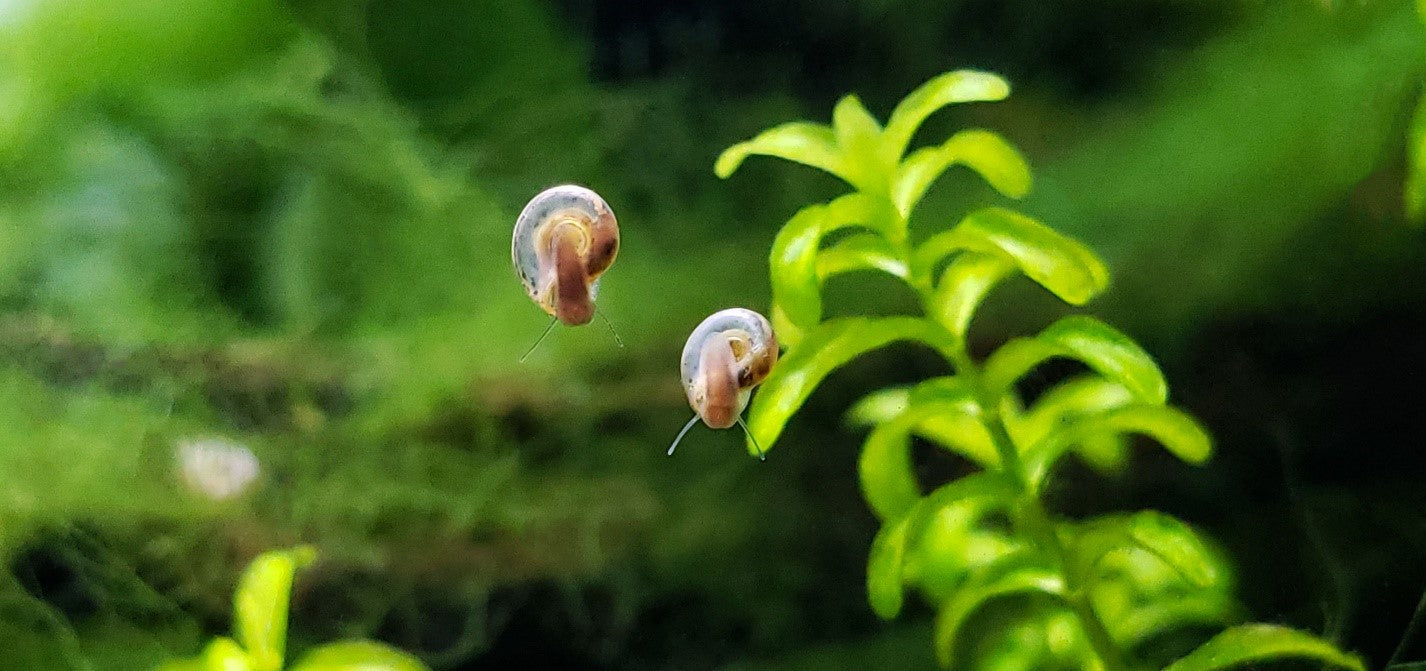
Frequently Asked Questions of why have snails appeared in my aquarium
Why did snails suddenly show up in my tank?
Snails often arrive as tiny eggs or juveniles on new plants, driftwood, or decor. They can hatch and multiply quickly if food and conditions are suitable.
Can snails harm my fish or plants?
Some snail species nibble live plants and can become a problem if numbers get high. Most snails are harmless to fish and actually help clean the tank.
How fast do snails reproduce in an aquarium?
Reproduction speed varies by species and conditions, but many common snails can hatch dozens of offspring within weeks in warm, food-rich tanks. Controlling food and cleaning reduces their reproduction rate.
Are snail traps safe for other tank inhabitants?
External traps that you remove from the tank overnight are safe and selective. Avoid in-tank chemical traps if you keep shrimp or sensitive fish.
Should I use chemicals to kill snails?
Chemical treatments can be effective but risky for invertebrates and biological filtration. Use chemicals only as a last resort and follow product guidelines carefully.
Can I prevent snails without chemicals?
Yes. Quarantine plants, inspect new items, reduce overfeeding, and use manual removal or traps to control snails effectively. These methods are safe and sustainable.
Conclusion
Snails usually appear because they hitchhike on plants or decor and thrive when food or shelter is abundant. By inspecting new additions, cutting excess feeding, and using traps or manual removal, you can control or welcome snails depending on your tank goals. Take action based on observation, not panic: small populations often help, and large outbreaks are preventable. Try the checklist above, quarantine new plants, and share your results or photos in the comments — I’d love to hear what worked for your tank.