
Too much light, excess nutrients, and poor maintenance cause algae to grow in aquariums.
I’ve kept and cared for tanks for years, and I can confidently say that understanding why is algae growing in my aquarium stops the panic and helps you fix the problem fast. This guide breaks down the common causes, how to identify the type of algae, practical removal steps, prevention plans, and real tips I learned from hands-on tank work so you can restore balance and enjoy a clear, healthy aquarium.

Common causes of algae growth
Algae need light, nutrients, and time to thrive. When any of these are out of balance, algae quickly take hold. I often see aquariums with bright lights on too long or with excess food and waste. Those two simple problems alone answer most questions about why is algae growing in my aquarium.
Common triggers include:
- Too much light or light left on for more than 8–10 hours a day.
- Excess nutrients from overfeeding or infrequent water changes.
- High nitrate and phosphate levels from decaying matter.
- Imbalanced or immature tank ecosystems, especially new setups.
- Poor water flow or dead zones where detritus builds up.
When you ask why is algae growing in my aquarium, check lighting and feeding first. These are quick, fixable causes that I learned to spot within minutes during tank checks.
Types of aquarium algae and what they indicate
Knowing the type helps you treat it right. Different algae look and act differently. I once misidentified brown algae as harmless, and it cost me two weeks of frustration. Learn the common types so you can match treatment to cause.
Common types:
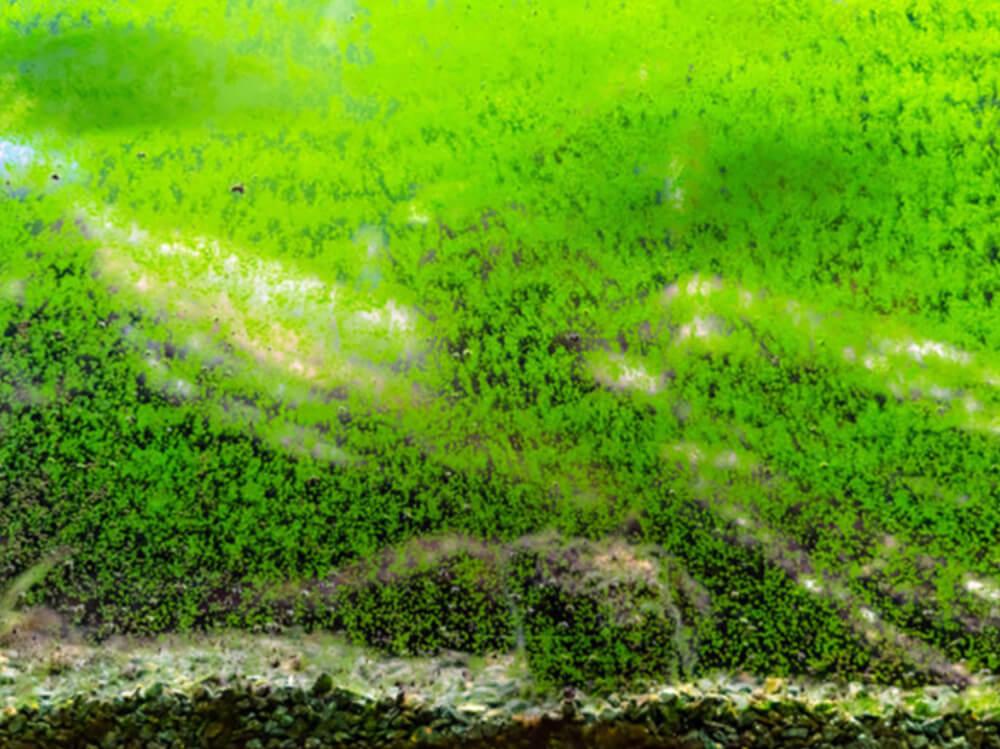
- Green algae — fuzzy or spotty green patches on glass, plants, and decor; usually from light and nutrients.
- Hair or filamentous algae — long green strands that cling to plants; often from excess nutrients and poor plant health.
- Cyanobacteria (blue-green algae) — slimy mats with a rotten smell; indicates high organics and low flow.
- Brown diatoms — brown film or dust, common in new tanks or low-light systems.
- Grape-like green spot algae — hard green spots on glass and rocks; typically linked to low phosphate and intense lighting.
If you ask why is algae growing in my aquarium and see slimy mats, suspect cyanobacteria. If you see brown dust in a new tank, it’s likely diatoms settling because your tank is just getting established.

How to diagnose the cause in your tank
Diagnosis is methodical. I use a simple checklist during tank visits. This helps pinpoint why is algae growing in my aquarium quickly so I can choose the right solution.
Step-by-step diagnosis:
- Check lighting schedule and bulb age. Old bulbs can shift spectrum and increase algae risk.
- Test water for nitrate and phosphate. High readings point to nutrient overload.
- Observe feeding habits. Uneaten food equals fuel for algae.
- Inspect flow and dead spots. Low circulation invites slimy algae and debris.
- Look at plant health. Weak plants cannot compete with algae for nutrients.
Run these checks over a few days. When I followed this checklist, most owners fixed algae within a week by changing just one or two factors.

Practical solutions to remove and control algae
Treating algae is both immediate and long-term. My best results combined manual removal, water care, and small habit changes. When thinking why is algae growing in my aquarium, remember fixing habits prevents recurrence.
Immediate actions:
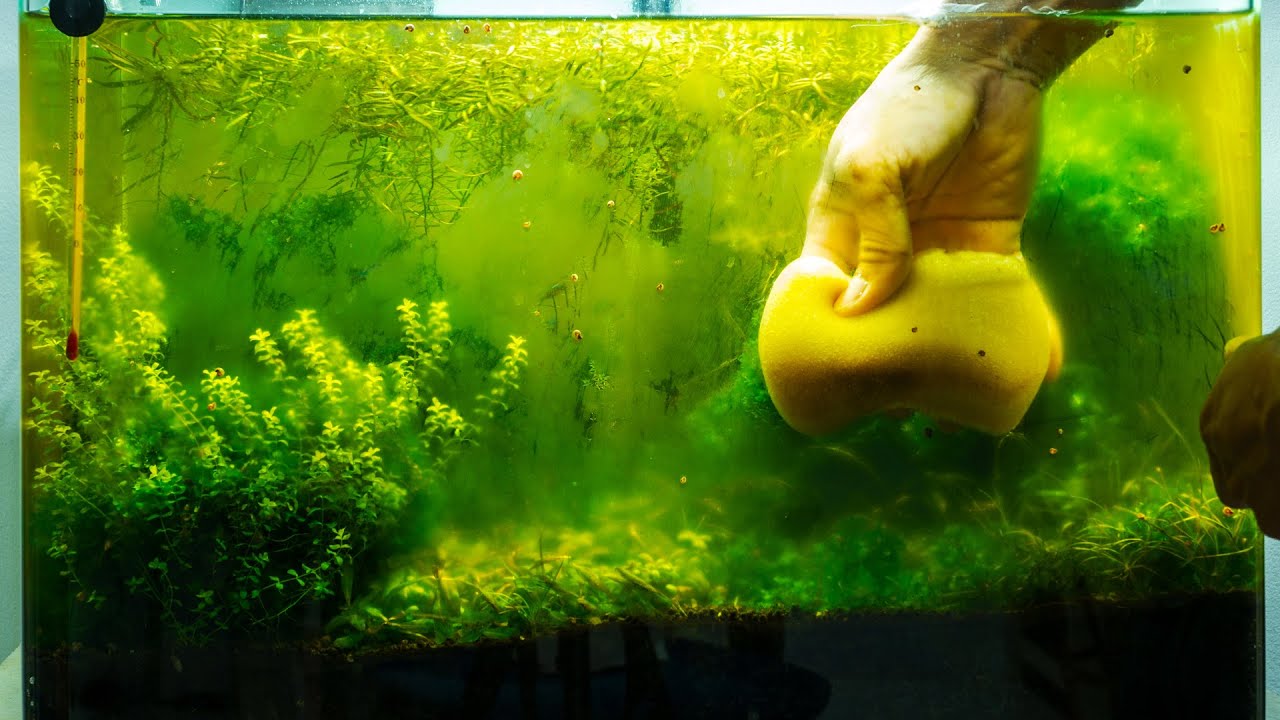
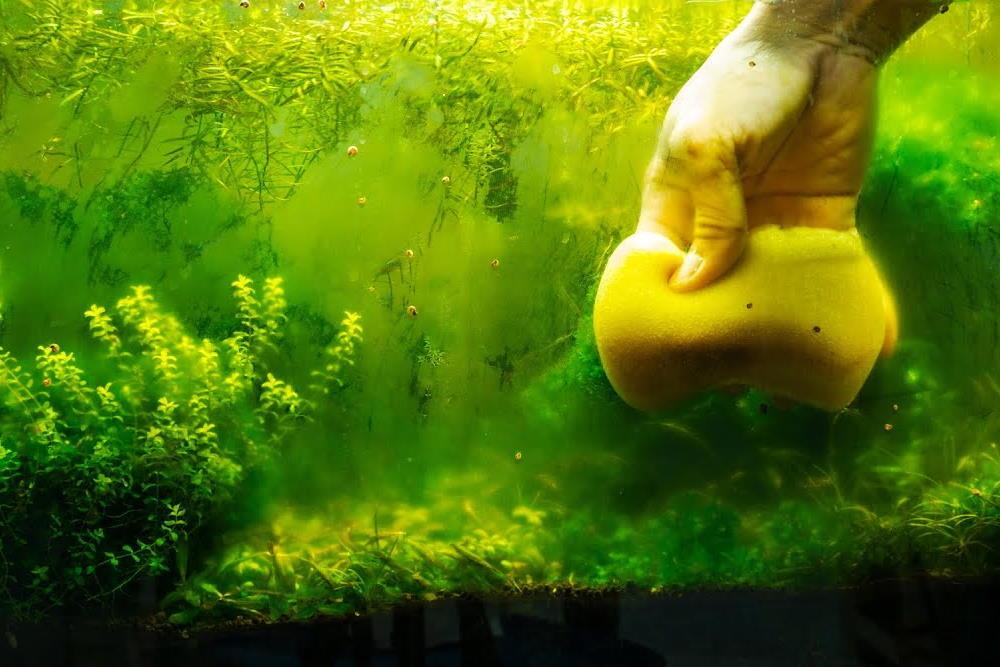
- Manually remove algae with a scraper, brush, or siphon during water changes.
- Perform a 25–50% water change to lower nutrients quickly.
- Reduce lighting to 6–8 hours or use a timer for consistency.
Ongoing control:
- Cut feeding by 25% and remove uneaten food after 2 minutes.
- Add live plants to outcompete algae for nutrients.
- Maintain regular water changes and vacuum substrate weekly or biweekly.
- Improve filtration and increase flow to reduce dead zones.
- Consider algae-eating fish or invertebrates appropriate for your tank type.
Chemical and advanced options:
- Use phosphate removers or chemical media if phosphate levels stay high.
- Apply algae treatments only as a last resort and follow instructions closely.
- Consider CO2 adjustments in planted tanks; stable CO2 helps plants outgrow algae.
I once stopped a persistent green hair algae problem by reducing light and adding two fast-growing stem plants. The algae faded in days. Small, steady changes beat drastic fixes every time.
Preventing algae long-term
Prevention is the best work. I advise routine habits that keep conditions stable and reduce the chance you’ll ask why is algae growing in my aquarium again.
Long-term habits:
- Keep a consistent lighting schedule with a reliable timer.
- Test water every 1–2 weeks for nitrate and phosphate.
- Do regular water changes and substrate vacuuming.
- Feed small portions and remove leftovers quickly.
- Keep plants healthy and trim decaying leaves promptly.
- Match livestock to tank size and stocking levels to avoid overload.
Treat prevention like basic maintenance. In my experience, tanks with disciplined routines rarely have big algae outbreaks.
When to seek professional help
Some algae issues signal deeper problems. If you try basic fixes and algae persist for several weeks, it’s time to ask for help. I’ve helped fellow hobbyists diagnose hidden nutrient sources and equipment failures that simple fixes missed.
Seek help if:
- Algae returns immediately after cleaning.
- You have unexplained high nutrient readings despite care.
- Fish or plants show stress along with algae growth.
- Cyanobacteria blooms with foul odor and rapid spread.
A local aquatics store or experienced aquarist can test water and inspect your setup. Quick intervention can prevent long-term damage to plants and fish.
Frequently Asked Questions of why is algae growing in my aquarium
Why do I suddenly have algae after adding new plants?
New plants can release nutrients into the water as they adjust. Those nutrients feed algae while the plants establish roots and stabilizes nutrient uptake.
Can too much light alone cause algae?
Yes. Excessive light gives algae energy to grow quickly, especially if nutrients are present. Reducing light hours often slows algae growth.
Will algae-eating fish solve the problem?
Algae-eaters can help but usually don’t eliminate the root cause. They are best used as part of a larger plan that includes water changes and nutrient control.
How often should I test my water for nutrients?
Test at least every 1–2 weeks, or more often during an outbreak. Regular testing helps you spot nutrient spikes early and act fast.
Is chemical treatment safe for planted tanks?
Some chemical treatments harm plants and beneficial bacteria. Use plant-safe options and follow instructions, or prefer non-chemical controls first.
How long before algae clears after fixes?
You can see improvement in days, but full recovery may take 1–4 weeks. Consistent maintenance speeds recovery and prevents relapse.
Conclusion
Algae in aquariums is common, and the answer to why is algae growing in my aquarium usually lies in light, nutrients, and maintenance habits. Use the diagnostic steps and practical solutions here to remove algae and keep your tank balanced. Start small: adjust lighting, reduce feeding, and test water. Those simple steps often solve the problem fast.
Take action today by checking your lights and performing a water test. Share your results, subscribe for more tank tips, or leave a comment with pictures so I can help troubleshoot.