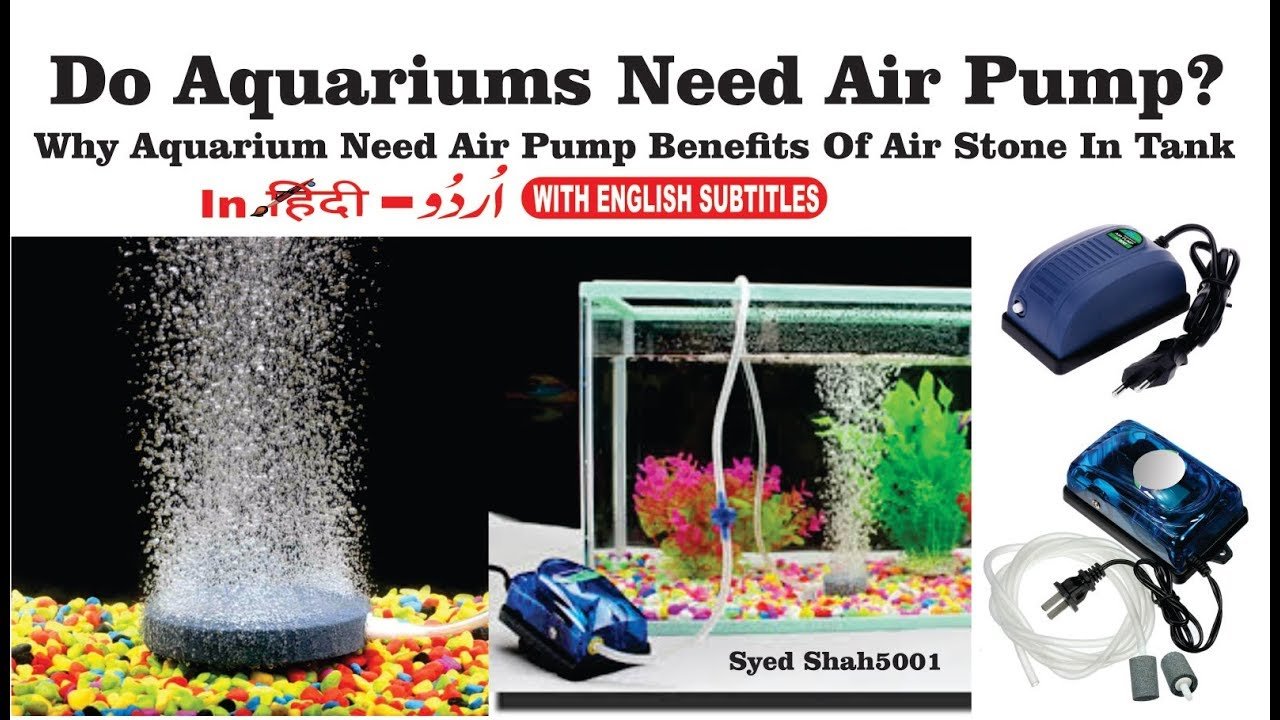
An air pump oxygenates water, boosts circulation, and keeps aquarium life healthy and stable.
I’ve kept aquariums for years and seen first-hand how tiny bubbles change a tank’s health. If you’ve ever wondered why is an air pump needed in aquarium care, this guide will explain the science, benefits, and practical choices. Read on for clear, expert-backed advice and simple steps you can use right away to improve your aquarium.

How an aquarium air pump works
An air pump pushes air into tubing and through an air stone or device. The rising bubbles move water and boost oxygen exchange at the surface. That action helps beneficial bacteria, plants, and fish stay healthy. Understanding how an air pump works makes it easier to pick the right model for your tank.
Top benefits of an air pump in your aquarium
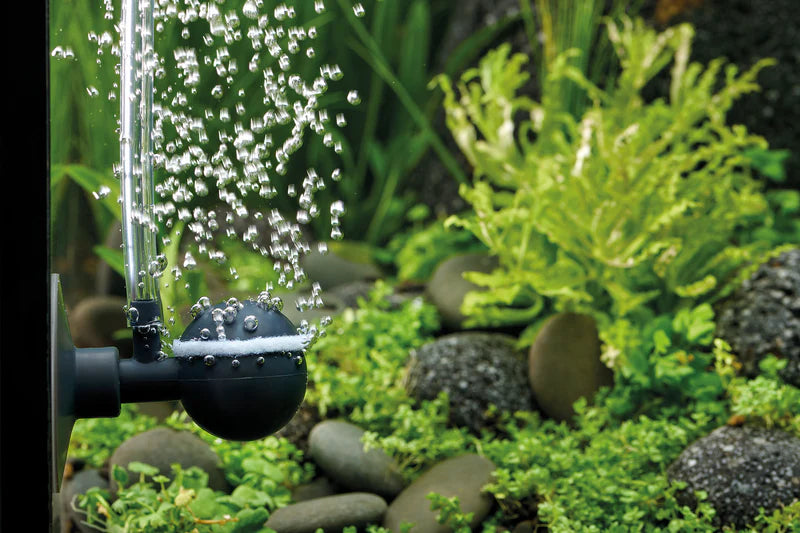
Air pumps support many parts of a tank’s ecosystem. They help gas exchange, improve circulation, and reduce dead zones where water is stagnant. If you ask why is an air pump needed in aquarium setups, the short answer is that it keeps water oxygen levels steady and helps filtration.
- Better oxygenation for fish and invertebrates, especially in densely stocked tanks.
- Improved surface agitation which increases gas exchange and lowers CO2 buildup.
- Enhanced filter performance by powering sponge filters and moving water through media.
- Even temperature distribution to prevent hot or cold pockets.
- Visual and behavioral enrichment for fish that enjoy current and bubbles.
Types of air pumps and common accessories
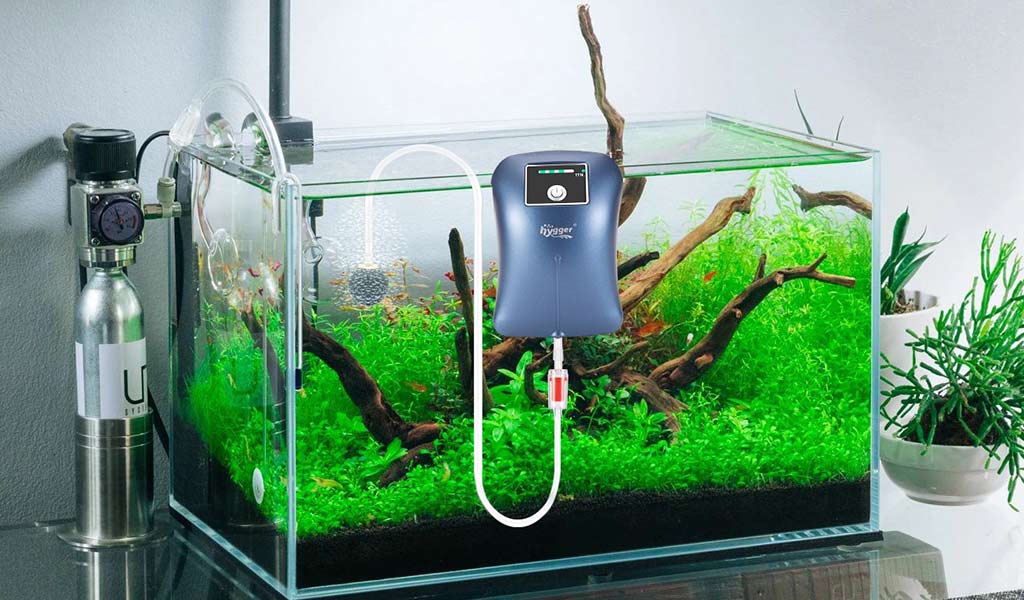
There are several air pump styles to fit different tanks and needs. Small diaphragm pumps suit nano aquariums, while larger piston pumps power multiple outlets for big setups. Accessories change how air is delivered and used.
- Air stones to diffuse bubbles into fine streams.
- Check valves to stop water from siphoning back into the pump.
- Splitters to run multiple devices from one pump.
- Suction cups and weighted lines for tidy placement.
Choosing the right combination depends on tank size and devices you want to drive. Knowing the types helps answer why is an air pump needed in aquarium systems beyond just making bubbles.

Choosing the right air pump for your aquarium
Match pump output to tank volume and device resistance. Look for rated liters per minute or air flow for a given head height. Heavier loads like long tubing or many outlets reduce effective airflow, so size up when in doubt.
- Measure your tank liters and note devices that add resistance.
- Choose a pump with adjustable flow to fine-tune bubbles and noise.
- Consider noise level and vibration—look for rubber feet and quiet models.
- Check power efficiency and warranty for long-term reliability.
I once undersized a pump for a sponge filter and saw slow biological cycling. Upgrading to a slightly larger, adjustable pump resolved cloudy water in days. That taught me to plan for head pressure and extra flow.

Installation, placement, and maintenance
Install the pump above water level when possible or use a check valve to prevent backflow. Keep tubing short and free of kinks. Regular checks keep air stones clean and pumps running smoothly.
- Place pump on a soft surface to reduce vibration and noise.
- Clean or replace air stones every 4–8 weeks to keep flow steady.
- Inspect check valves and tubing for salt creep or wear.
- Service the pump per manufacturer instructions and replace diaphragms if needed.
Proper placement and maintenance explain a lot about why is an air pump needed in aquarium care; when installed correctly, the pump offers steady, reliable benefits.

Common mistakes and how to avoid them
Many hobbyists either overuse or underuse pumps. Too much surface agitation can stress shy fish, while too little airflow can cause low oxygen. Finding balance is key.
- Don’t oversize internal devices just to see bubbles; prioritize fish comfort.
- Avoid placing pumps on hard surfaces without vibration dampening.
- Don’t skip routine cleaning of stones and tubing.
- Avoid running silent pumps into clogged stones—this strains the motor.
From personal experience, running a tiny pump 24/7 in a planted tank without flow adjustment caused plants to flutter and a few timid fish to hide. Adding an adjustable valve solved the problem and restored calm.

Frequently Asked Questions of why is an air pump needed in aquarium
What does an air pump do in a fish tank?
An air pump supplies air to stones or devices that create bubbles and surface agitation. This improves oxygen exchange and helps filtration work better.
Can I have an aquarium without an air pump?
Yes, many tanks run fine with strong filtration and plants, but an air pump adds backup oxygen and improves circulation. It’s especially useful in crowded or warm tanks.
Will bubbles stress my fish?
Some fish dislike strong currents, but most adapt to gentle bubbles and flow. Use adjustable flow or place diffusers away from timid species to reduce stress.
How often should I clean my air stone?
Clean or replace air stones every 4–8 weeks depending on buildup and tank type. Cleaning keeps airflow steady and prevents pump strain.
Do air pumps increase noise in my aquarium room?
Older or poorly placed pumps can vibrate and make noise, but modern pumps are quiet. Use soft padding and proper placement to minimize sound.
Can an air pump help in power outages?
No, most air pumps need electricity. For outage backup, battery-powered aerators exist and are useful during long outages.
Conclusion
Air pumps play a simple but crucial role in aquarium health by improving oxygen, circulation, and filter function. Whether you keep a small nano tank or a larger community aquarium, understanding why is an air pump needed in aquarium care helps you choose and use the right equipment. Start by matching pump size to your tank, maintain parts regularly, and adjust flow for the comfort of your fish. Try one upgrade this week, and notice how clearer water and calmer fish make tank-keeping more rewarding—leave a comment about your experience or subscribe for more practical aquarium tips.