
Aquarium tanks are made of glass because glass is clear, strong, scratch resistant, and cost effective.
I have kept and built tanks for years, and I can tell you exactly why is an aquarium tank made of glass. This guide walks through the science, practical reasons, and real-life trade-offs that make glass the default choice for home and public aquariums. Read on for clear explanations, hands-on tips, and the exact factors to consider when you pick a tank.

Why glass is the standard material for aquariums
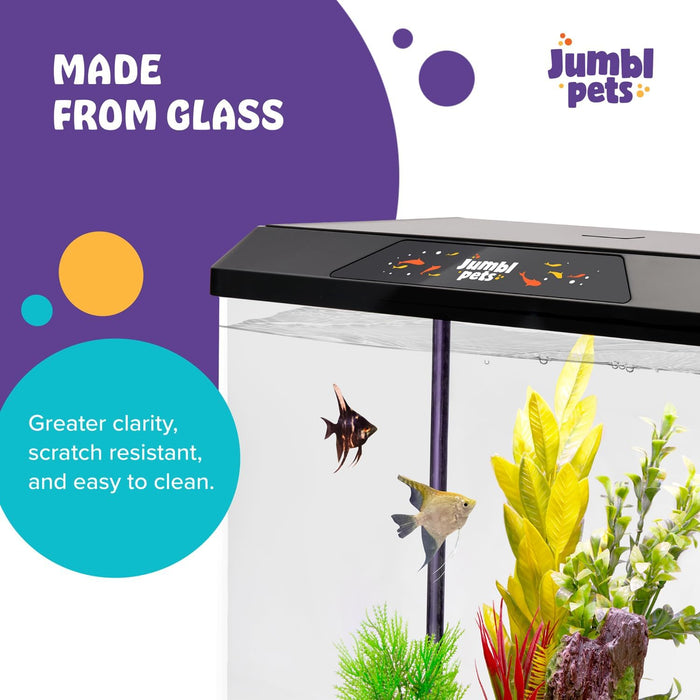
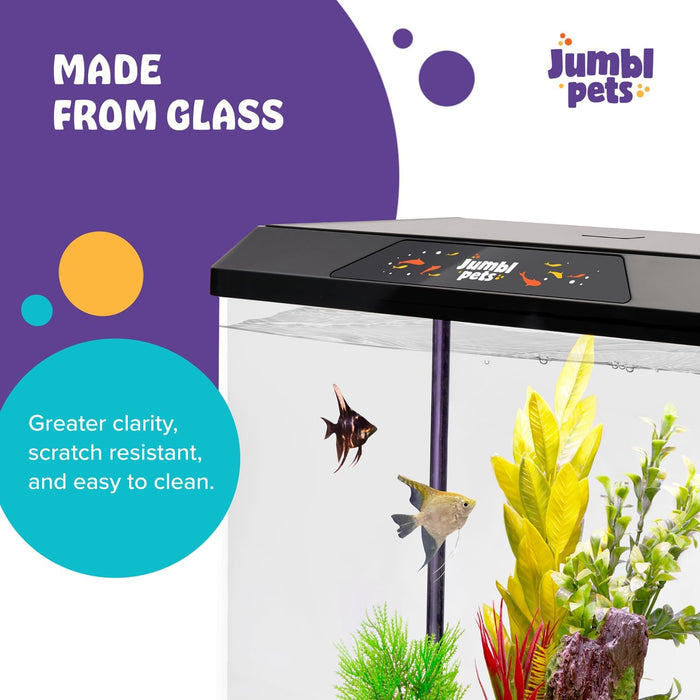
Glass wins as the standard for aquariums for several simple reasons. It offers excellent optical clarity, resists scratches, and holds up well under long-term stress from water and decor. When you ask why is an aquarium tank made of glass, the short answer ties to clarity, stiffness, and lifespan.
Here are the key advantages:
- Clarity — Glass gives a sharp, true view with less distortion at normal thicknesses.
- Scratch resistance — Glass resists surface scratches from cleaning and decor.
- Rigidity — Glass bends less than many plastics, so it holds shape under pressure.
- Longevity — Proper glass tanks last for decades with basic care.
From my experience installing tanks, visitors notice the “crystal” look of glass right away. That clear view matters a lot when you want to enjoy fish, plants, and aquascapes.
Glass vs acrylic: why glass often wins
Comparing materials helps answer why is an aquarium tank made of glass. Acrylic is lighter and easier to shape. Acrylic can handle impact better and can be formed into curved displays. Still, glass outperforms acrylic in everyday use for many hobbyists.
Main comparisons:
- Scratch vs impact — Glass resists scratches far better, while acrylic is tougher against shattering.
- Optical quality — Glass usually shows less visual distortion.
- Cost — Glass tanks are often less expensive per volume.
- Maintenance — Glass cleans easier with standard scrapers and stays clearer long term.
I once repaired an acrylic front panel that yellowed after years of sunlight. That kind of aging is rare with properly made glass. For many aquarists, that reliability answers why is an aquarium tank made of glass.

Types of glass used in aquariums
Knowing the kinds of glass helps explain why is an aquarium tank made of glass. Not all glass is the same. Common types include:
- Float glass — Standard sheet glass used for small tanks and hobby builds.
- Low-iron glass — Has higher clarity and less green tint; used for display tanks.
- Tempered glass — Chemically or heat-treated for strength; used in furniture but rarely for aquaria because it breaks into small pieces.
- Laminated glass — Two layers bonded for safety in large or public displays.
For most home tanks, float or low-iron glass bonded with silicone is standard. I prefer low-iron glass on planted tanks when I want the truest colors.
How glass aquarium tanks are made
Understanding construction shows why is an aquarium tank made of glass. The process is straightforward and suited to the material’s strengths.
Steps in a typical build:
- Cutting — Sheets are cut to size with precision tools.
- Edging — Edges are smoothed to prevent stress points.
- Bonding — Silicone or specialized adhesives join panels.
- Curing — Joints cure under controlled conditions to reach full strength.
- Testing — Tanks are filled and checked for leaks and structural issues.
I once helped a local shop test new tanks. Watching a slow-fill pressure check convinced me how dependable glass joints are when done right.

Structural and safety reasons behind the choice
Practical safety and structure explain why is an aquarium tank made of glass. Glass’s rigidity reduces bowing and joint stress. That makes seals more reliable and lowers the risk of sudden failure.
Safety points:
- Less flexing means seals last longer.
- Broken glass usually forms sharp shards, but modern bonding and framing reduce catastrophic failure.
- For very large displays, laminated or framed glass adds redundancy.
When I set up larger tanks, I always factor in frame support and proper stand design. That prevents edge stress and reinforces why glass is so commonly used.
Care, cleaning, and maintenance for glass tanks
Good upkeep helps explain why is an aquarium tank made of glass a smart long-term choice. Glass is forgiving and easy to maintain with simple tools.
Tips I use:
- Use a glass scrubber or razor for algae removal on glass panes.
- Avoid abrasive cleaners and harsh chemicals that can harm seals.
- Inspect silicone joints yearly for gaps or wear.
- Keep lighting balanced to reduce algae growth and prevent glass staining.
These steps keep a glass tank clear and healthy for fish and plants for many years.

Choosing the right glass tank for your needs
When deciding why is an aquarium tank made of glass for your setup, think about use, size, and budget. Answer these questions:
- What size do you want? Larger volumes favor thicker glass and stronger frames.
- Will it sit in bright light? Low-iron glass improves color and clarity.
- Do you need custom shapes? Acrylic may be better for complex curves.
- How long do you plan to keep it? Glass often gives the best lifespan for the price.
I recommend a standard float or low-iron glass tank for most hobbyists. It hits the sweet spot of clarity, cost, and durability.
Environmental and economic factors
Sustainability and cost also explain why is an aquarium tank made of glass. Glass is widely recycled and has a lower rate of chemical off-gassing than some plastics. Production is mature, which keeps prices stable.
Factors to weigh:
- Recyclability — Glass is highly recyclable and inert.
- Cost per liter — Glass is typically economical for most sizes.
- Longevity — Fewer replacements mean lower lifetime cost.
In practice, choosing glass often reduces both environmental and long-term monetary costs.
Personal lessons and practical tips from hands-on experience
I’ve set up tanks in apartments and community centers. Here are lessons that show why is an aquarium tank made of glass:
- For crisp viewing, invest in low-iron glass.
- For easy maintenance, choose glass over acrylic if cost allows.
- Support the base well; thin glass can still bow without solid stands.
- If you need curved shapes, consider acrylic only when design demands it.
These small choices changed how long my setups lasted and how much time I spent fixing issues.
Frequently Asked Questions of why is an aquarium tank made of glass
What makes glass clearer than acrylic for aquariums?
Glass has a different chemical composition that reduces color tint and optical distortion. Low-iron glass further lowers the green tint you sometimes see in standard glass.
Is glass safer than acrylic for large tanks?
Glass is stiffer, which reduces bowing and joint stress. For very large tanks, laminated glass and strong framing make it a safe option.
Can glass tanks break easily?
Glass can break if hit hard, but properly supported and framed tanks rarely fail. Regular inspection and stable placement minimize risk.
How do I clean a glass aquarium without scratching it?
Use a proper glass scrubber or a single-edge razor for stubborn algae. Avoid abrasive pads and harsh cleaners that can damage seals.
When should I choose acrylic over glass?
Choose acrylic for very large curved displays, lighter weight needs, or situations where impact resistance is critical. For most home tanks, glass is a better all-around choice.
Conclusion
Glass has earned its place as the go-to aquarium material because it combines clarity, durability, and value in a way that fits most hobbyists and professional needs. Knowing why is an aquarium tank made of glass helps you pick the right tank and care for it well. Take action: if you plan a new setup, choose the glass type and support structure that match your goals, and share your experience or questions below to keep learning.