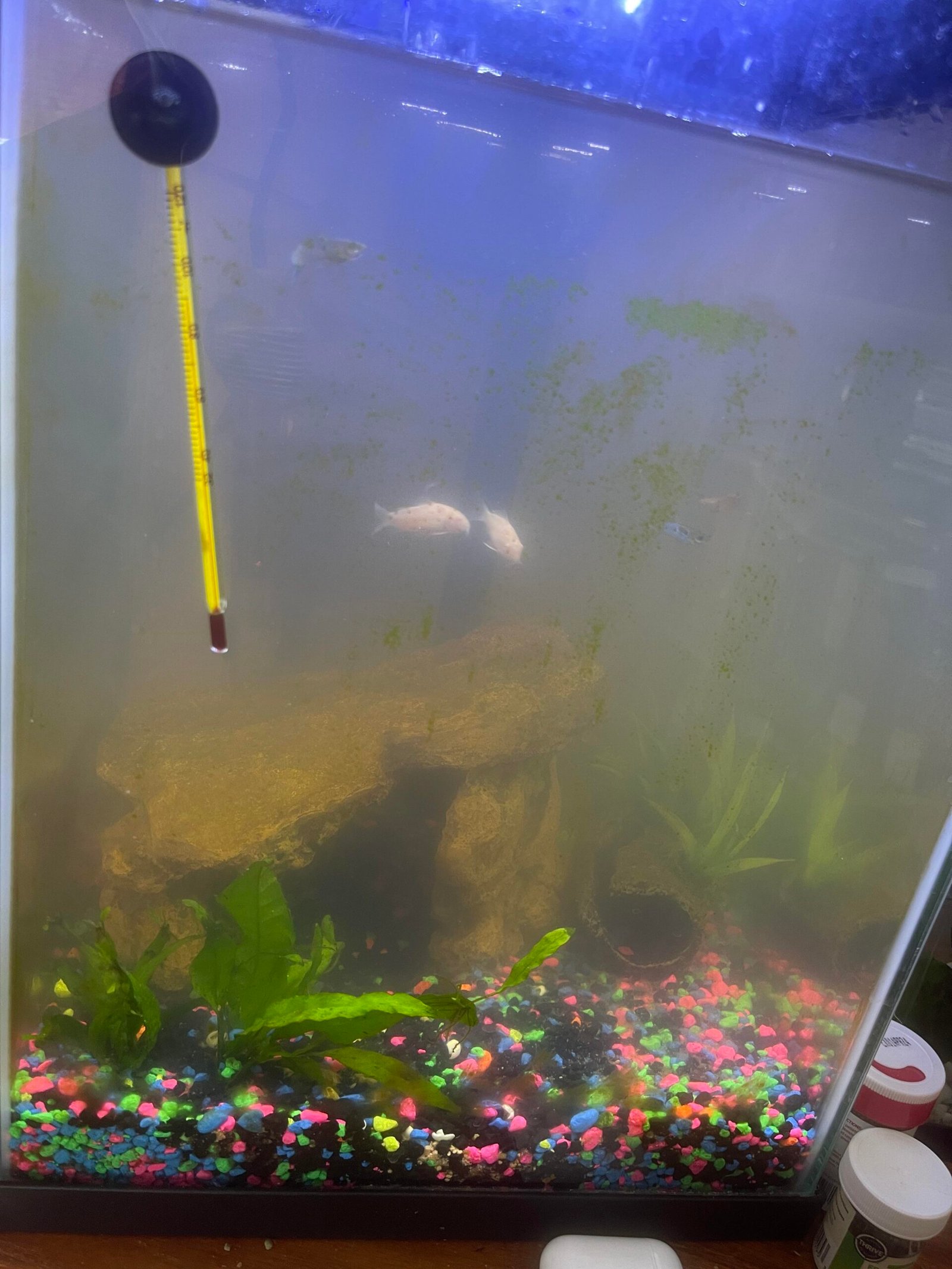
Your aquarium water looks milky due to bacterial bloom, suspended particles, or water chemistry changes.
If you've ever peered into your aquarium only to find the water looking cloudier than a foggy morning, you're not alone. Understanding why your aquarium water looks milky can be the first step in restoring clarity and balance. Let's dive into the depths of the common causes and solutions, blending expert insights with practical advice. Whether you're a seasoned aquarist or a newbie, this guide offers valuable tips and tricks to help ensure your aquatic environment remains pristine.
Causes of Milky Aquarium Water
Bacterial Bloom
One of the most frequent reasons your aquarium water appears milky is bacterial bloom. This occurs when bacteria multiply rapidly, often in response to an increase in organic material.
- Causes:
- Overfeeding.
- Decaying plants or fish waste.
- Solutions:
- Maintain regular water changes.
- Avoid overfeeding.
Personal Tip: When I first set up my aquarium, I learned the importance of measuring food. It was a simple yet effective step in controlling bacterial bloom.
Suspended Particles
These can consist of uneaten food, detritus, or even algae spores. They remain suspended in the water column and give a cloudy appearance.
- Causes:
- Improper filtration.
- Overcrowding of fish.
- Solutions:
- Upgrade or clean the filter.
- Reduce the number of fish.
Consider this: Think of your filter as the lungs of your aquarium. Keeping it clean ensures your underwater world breathes freely.
Water Chemistry Changes
Imbalances in pH, hardness, or other chemical properties can lead to cloudy water. New setups often experience such issues as the ecosystem stabilizes.
- Causes:
- Introduction of new decorations or substrates.
- Unstable pH levels.
- Solutions:
- Test water parameters regularly.
- Use conditioners to stabilize pH.
Using a water testing kit was a game-changer in maintaining my tank's balance. It saved me from frequent headaches and visible murkiness.
Algae Growth
While not always milky, algae can cause cloudiness, especially in tanks with insufficient light or nutrients.
- Causes:
- Excessive light exposure.
- High nitrate levels.
- Solutions:
- Control lighting schedules.
- Regular water changes.
A simple change in the light timer can often keep algae-free waters and ensure a clear view of your fish swimming gracefully.
Improper Maintenance
Neglecting routine tank maintenance can lead to a build-up of waste products.
- Causes:
- Infrequent cleaning.
- Overfeeding.
- Solutions:
- Set a cleaning schedule.
- Moderate feeding.
Watching my fish thrive reminded me of the importance of regular upkeep. It's like having a clean home, providing comfort and health for all its inhabitants.
Frequently Asked Questions
Why does my aquarium water turn milky after a water change?
This can happen due to stirred-up particles or a temporary bacterial bloom. It often clears up on its own after a day or two.
How long does bacterial bloom last?
A bacterial bloom may last a few days to a week. Maintaining good filtration and avoiding overfeeding can help speed up recovery.
Can milky water harm my fish?
Generally, milky water isn't harmful, but it may indicate underlying issues. Addressing the cause will ensure a healthier environment.
Should I add chemicals to clear milky water?
While chemical solutions exist, addressing the root cause through natural means is often safer and more sustainable.
Is milky water common in new aquariums?
Yes, it's common during the initial cycling process as the beneficial bacteria establish themselves in the tank.
Conclusion
Finding milky water in your aquarium can be unsettling, but understanding the causes empowers you to make effective changes. By implementing regular maintenance, monitoring water parameters, and feeding carefully, you can enjoy a pristine underwater world. Why not take a moment today to check your aquarium's health? Explore our other resources, subscribe for updates, or leave a comment with your questions. Your fish—and your peace of mind—will thank you!