High prices reflect scarcity, labor, cleaning, shipping, and aquarium‑safe preparation costs.
I’ve worked with aquascapes and sellers for years, so I understand why aquarium wood sells for so much. This article breaks down every cost driver and shows you how to spot value, avoid mistakes, and choose the right piece for your tank. Read on to learn why is aquarium wood so expensive, what makes some pieces worth the price, and how to get a great look without overpaying.

Why is aquarium wood so expensive? Main factors explained
Aquarium wood costs more than common driftwood for several linked reasons. Each step from harvest to tank-ready adds time, labor, and risk. When you ask why is aquarium wood so expensive, think of it as a crafted product, not just a piece of wood.
Key factors that drive price:
- Scarcity and rarity of species. Rare woods or unique shapes are harder to find, so they cost more.
- Labor and processing. Sellers clean, cure, and sometimes shape the wood by hand before sale.
- Safety testing and treatment. Removing pests, tannins, and rot needs time and energy.
- Shipping and weight. Wood can be heavy and bulky, which raises freight costs.
- Regulatory and legal costs. Permits and inspections for certain woods add fees.
- Market demand and aesthetics. Aquascapers pay premiums for dramatic, natural shapes.
When you search for why is aquarium wood so expensive, these factors repeat across forums, shops, and hobby groups. A small, well-shaped root can sell for more than a large, plain log because of buyer demand and the prep work needed to make it aquarium-safe.

Types of aquarium wood and how type affects price
Different woods have different appeal and costs. Knowing types helps explain why is aquarium wood so expensive for certain pieces.
Common varieties and price drivers:
- Manzanita — Dense, hard, and long-lasting. It is prized for sculptural shapes and commands high prices.
- Mopani — Heavy and rich-colored. Its weight and import origin add cost.
- Bogwood — Often found in rivers. If a piece has unique texture, collectors pay more.
- Spider wood and Malaysian driftwood — Twisty, delicate shapes sell well for aquascapes.
- Cholla wood — Lightweight and pumpkin-like; cheaper but popular for shrimp tanks.
A wood that is rare, heavy, or needs special quarantine will be costlier. This helps explain why is aquarium wood so expensive when the piece is unique. Simple driftwood you find locally may be cheap, but it still needs prep.
Processing, safety, and preparation that add cost
Turning raw wood into tank-safe decor takes time. That time is money and helps answer why is aquarium wood so expensive.
Steps sellers often take:
- Cleaning — Removing dirt, bark, and debris by hand.
- Boiling or pressure cooking — Kills pests and reduces tannins.
- Soaking and leaching — Tannins can cloud water and lower pH; multiple soaks are common.
- Kiln drying or sealing — Some shops kiln-dry to stabilize the wood and reduce rot risk.
- Trimming and sanding — Sharp bits are smoothed to prevent fish injury.
- Testing — Sellers may test pieces in tanks to confirm tannin behavior and buoyancy.
Each step uses labor, energy, and time. A seller who guarantees a piece as “aquarium-ready” has invested in that promise. That is a major reason why is aquarium wood so expensive compared to untreated wood.

Supply chain, legality, and sustainability costs
Global trade and environmental rules shape price. These elements also answer why is aquarium wood so expensive beyond simple supply and demand.
Important supply-side points:
- Harvesting limits — Some regions restrict cutting or exporting certain woods.
- Permits and inspections — Export paperwork and phytosanitary certificates cost money.
- Sustainable sourcing — Ethical harvest methods and fair pay to collectors add to price.
- Import tariffs and transport delays — Cross-border shipping adds fees that shops pass on.
Buyers often pay more for ethically sourced and legal wood. That transparency increases trust and explains why is aquarium wood so expensive when compared to free but potentially illegal or unsafe finds.
Why artisan and display pieces cost more
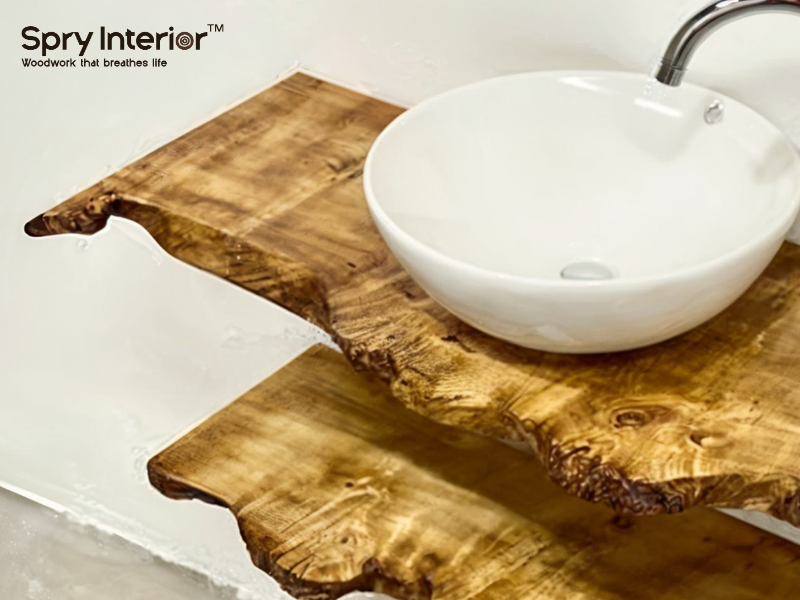
Large aquascapes and public displays use unique, hand-selected wood. That artisan touch raises prices and clarifies why is aquarium wood so expensive in some cases.
What adds value:
- Sculpture-like shapes that fit a design.
- Custom cuts, joins, or embedded rocks by the seller.
- Longer-term stability and finish work.
- Reputation of the seller or artist.
A crafted aquascape wood piece is part decor and part art. You pay for creativity and time as much as you pay for wood.

How to save money without sacrificing quality
You don’t always need to spend a lot to get great wood. Here are practical tips to avoid overpaying while still keeping tanks safe.
Smart buying tips:
- Buy local or reclaimed wood; it can be cheaper and you avoid import fees.
- Choose smaller, multiple pieces rather than one showpiece.
- Buy unprocessed wood and do your own cleaning if you have time and know-how.
- Shop during sales or at local hobbyist meetups where people sell excess pieces.
- Inspect for pest holes, rot, or soft spots before purchase.
- Ask sellers about soak time, tannin tests, and treatment methods.
These steps help you understand why is aquarium wood so expensive and how to pay only for what matters to you.
My experience: lessons, mistakes, and tips from the tank
I once bought a large driftwood piece online because it looked amazing in photos. It arrived with sap and pests that I hadn’t expected. I spent weeks boiling and soaking. Lesson learned: ask detailed prep questions and expect extra work.
What I do now:
- Buy from sellers who describe prep in detail.
- Ask for weight and soak history before purchase.
- Keep a small budget for extra prep time and tools.
I’ve learned that spending a bit more on a prepared piece saves time and stress. That experience shows why is aquarium wood so expensive when sellers cover prep and guarantee results.

Frequently Asked Questions of why is aquarium wood so expensive
What makes some aquarium wood pieces so pricey?
High price comes from rarity, shape, and the cost to make them aquarium-safe. Labor, shipping, and seller guarantees also add to the final cost.
Can I use regular driftwood from the outdoors?
You can, but it needs careful cleaning, boiling, and long soaking. Wild wood can carry pests, rot, or toxins that harm fish.
Why do some woods release tannins?
Tannins are natural compounds in wood and bark. Soaking and boiling reduce tannin release over time.
Is expensive aquarium wood worth it for beginners?
A prepared, mid-priced piece is often best for beginners. It cuts prep time and reduces risk while still looking great.
How can I test wood for tank safety before buying?
Ask for photos, soak history, and seller notes. If possible, inspect the piece in person for hard spots, weight, and smell.
Will aquarium wood change my water chemistry?
Some woods can lower pH or soften water due to tannins. Proper prep and testing let you manage these effects safely.
Conclusion
You now know why is aquarium wood so expensive: rarity, labor, safety prep, shipping, and seller guarantees all add cost. Choosing the right piece means balancing price, effort, and the look you want. Start by setting a budget, asking sellers detailed prep questions, and considering local or reclaimed options to cut cost without risking your tank. Try one well-prepared piece first, learn how it behaves, and then expand your aquascape with confidence. If this helped, leave a comment, share your own wood stories, or sign up for updates to learn more about smart aquarium decor.