Cycling builds beneficial bacteria that convert toxic ammonia and nitrite into safer nitrate for healthy fish.
I have set up and cared for many tanks over the years, so I know why is it important to cycle your aquarium. Cycling is the foundation of a stable tank. Skipping it risks sick fish, algae blooms, and wasted time. Read on for clear steps, real tips, and easy tests to get your aquarium ready the right way.
What is aquarium cycling and why it matters
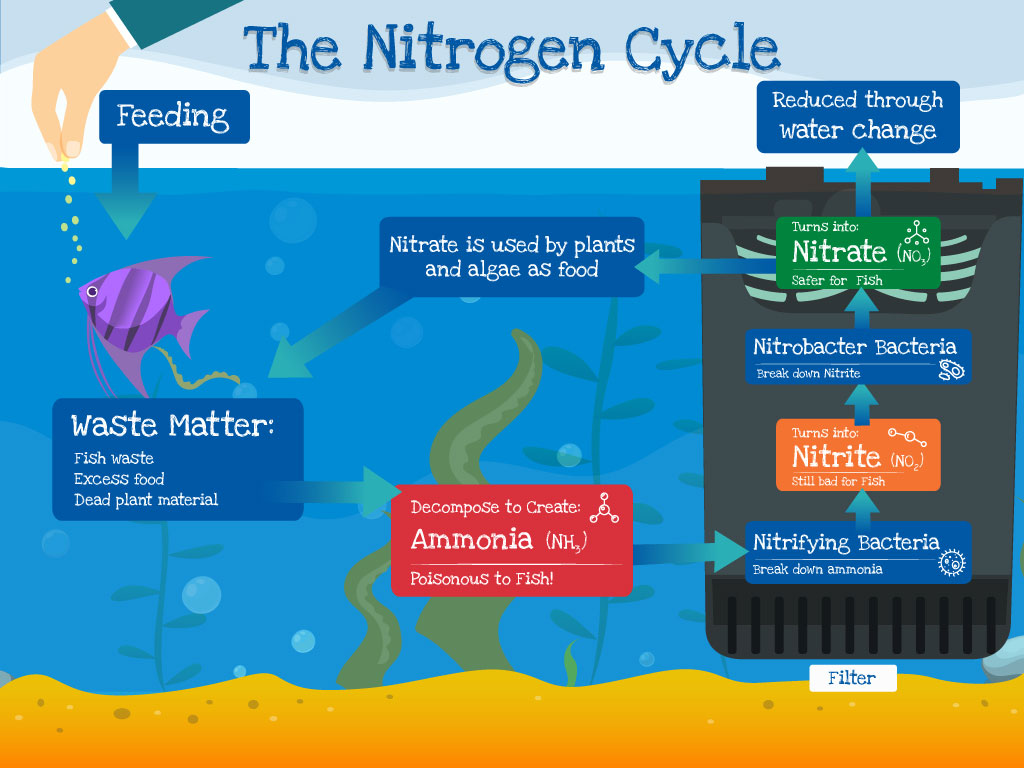
Aquarium cycling is the process of growing helpful bacteria in your tank and filter. These bacteria turn fish waste and uneaten food into less harmful compounds. Knowing why is it important to cycle your aquarium helps you prevent toxic spikes that can kill fish. A proper cycle creates balance and peace in the tank.
How the nitrogen cycle works in simple terms
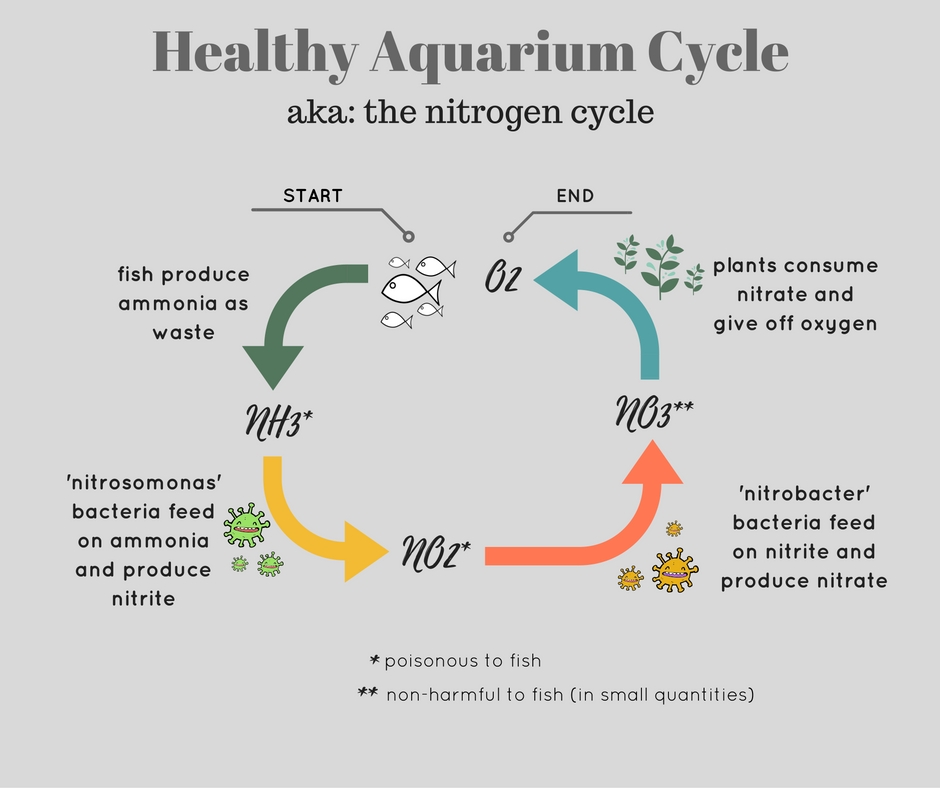
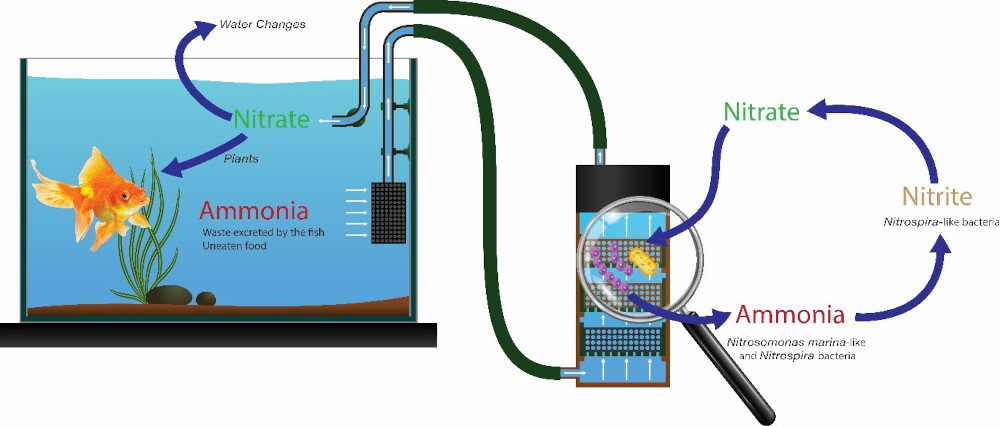
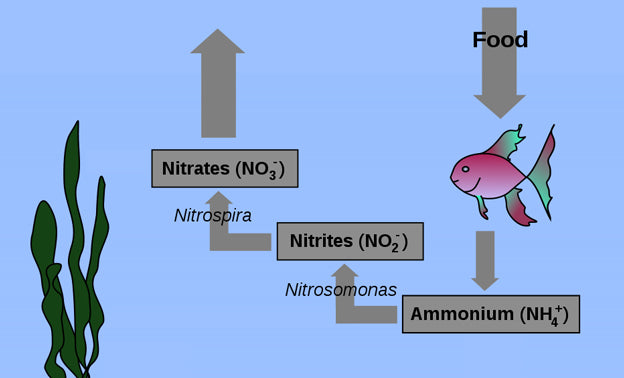
The nitrogen cycle is the big reason to cycle your tank. Ammonia forms from waste. Bacteria called Nitrosomonas turn ammonia into nitrite. A second group, Nitrobacter or Nitrospira, turn nitrite into nitrate. Nitrate is less toxic and can be removed by water changes or plants. Understanding why is it important to cycle your aquarium makes these steps easy to follow.
Why cycling protects fish and plants
Cycling avoids ammonia and nitrite spikes that burn gills and stress fish. Young or sensitive fish die quickly from these toxins. A cycled tank also stabilizes pH and reduces sudden crashes. When you learn why is it important to cycle your aquarium, you save money and heartache by keeping fish healthy from day one.
Common methods to cycle your aquarium
You can cycle a tank in several safe ways. Choose one that fits your timeline and comfort level.
- Fishless cycling using pure ammonia or fish food to feed bacteria. This is the safest and fastest for fish health.
- Slow natural cycling by adding a few hardy fish and testing water often. This risks stress and losses, so monitor closely.
- Using media from an established tank, like filter floss or sponge. This seeds your tank with live bacteria and speeds things up.
- Adding commercial bacterial starters can help, but results vary. Use them alongside testing and patience.
Each method shows why is it important to cycle your aquarium: bacteria must establish before your full fish load arrives.
How to test and monitor the cycle
Testing is key to know progress. Use reliable test kits for ammonia, nitrite, and nitrate. Test daily or every other day during cycling. Watch for ammonia peak, nitrite peak, then nitrate rise and both toxins falling to zero. Only add fish slowly once ammonia and nitrite stay at zero for several days. Clear testing explains why is it important to cycle your aquarium and prevents surprises.

Common mistakes and troubleshooting
Many hobbyists rush the process or skip testing. Common errors include adding too many fish at once and ignoring filter maintenance. If ammonia or nitrite spikes, do partial water changes and reduce feeding. If bacteria seem slow to grow, check filter flow, temperature, and avoid antibacterial treatments. Remember why is it important to cycle your aquarium: it gives the bacterial colony time to settle and protect your pets.
My experience: lessons learned and practical tips
I once added a dozen tetras to a new tank without cycling. Ammonia shot up and I lost fish in a week. After that, I always fishless cycle and seed with media from a friend’s tank. My best tips:
- Start fishless if possible to avoid casualties.
- Keep temperature stable around 76°F to help bacteria grow.
- Feed tiny amounts and measure water changes to control ammonia during slow cycles.
- Be patient: a good cycle often takes 3–6 weeks.
These real lessons show clearly why is it important to cycle your aquarium and how patience pays off.
Frequently Asked Questions of why is it important to cycle your aquarium
What happens if I don’t cycle my aquarium?
Untested tanks often experience toxic ammonia and nitrite spikes that harm or kill fish. Even low levels stress fish and invite disease.
How long does it take to cycle a new tank?
Most cycles take 3–6 weeks, but time varies by method and temperature. Regular testing tells you when the tank is ready.
Can I cycle with live plants instead of fish?
Yes. Live plants help by absorbing some ammonia and nitrate, but you still need bacteria to handle nitrite. Plants speed stability, but testing is still required.
Are commercial bacteria products reliable for cycling?
Some products work well, but results vary by brand and condition. Use them with testing and don’t skip the usual checks.
When can I add fish after cycling?
Add fish slowly after ammonia and nitrite read zero and nitrate rises. Introduce a few at a time and monitor water daily for two weeks.
Will water changes stop the cycle?
Large sudden changes can remove beneficial bacteria if you replace media or clean filter too aggressively. Small, regular water changes help keep fish safe without upsetting the cycle.
Conclusion
Cycling creates the invisible safety net your fish need. It builds beneficial bacteria, prevents toxic spikes, and gives you a calm, clear tank to enjoy. Start with testing, choose a gentle cycling method, and add fish slowly. Take action today: test your water, plan a fishless cycle if you can, and join a local forum or group to learn more. Share your setup or questions below — I’d love to help you get a healthy, cycled aquarium.