
Bubbles keep aquarium water oxygen-rich, boost circulation, aid filtration, and support healthy fish.
I have set up dozens of tanks and tested different aeration systems. I know why is it important to have bubbles in an aquarium from hands-on experience and from reading scientific work on aquarium care. This article explains the science, the practical benefits, device choices, and common mistakes. Read on to learn how proper bubbling keeps fish calm, plants healthy, and water stable.
Why bubbles matter for oxygenation
Bubbles help oxygen move into the water. Gas exchange happens at the water surface. Small bubbles increase the surface area and speed up oxygen transfer. That gives fish and beneficial bacteria the oxygen they need.
Bubbles also prevent low oxygen zones in the tank. Stagnant pockets can harm fish at night or during warm weather. Proper aeration reduces stress and the risk of sudden die-offs.

How bubbles improve gas exchange and water chemistry
When bubbles rise, they mix air into the water. This removes excess carbon dioxide and raises dissolved oxygen. Stable oxygen levels keep pH more steady since CO2 affects acidity. That makes the tank safer for fish and plants.
Bubbles also help beneficial bacteria in filters work better. These bacteria need oxygen to break down ammonia and nitrite. Better breakdown means cleaner water and fewer health problems.
Bubbles support circulation and filtration
Bubbles create gentle movement in the tank. This movement helps distribute heat, nutrients, and oxygen evenly. Many internal filters depend on flow to push water through media. Aeration augments that flow.
Good circulation stops dead spots where debris and waste build up. Cleaner water means fewer water changes and healthier fish. A well-placed air stone or bubbler can boost filter performance without big upgrades.

The role of bubbles in fish health and behavior
Fish breathe faster in low-oxygen water. Bubbles help them relax. You will see more active, colorful fish with proper aeration. Some species also enjoy surface flows created by bubbles.
Bubbles benefit fry and shrimp too. They need high oxygen and steady water movement. I once saved baby fish by adding an air stone after a filter failed. They recovered quickly after oxygen levels rose.
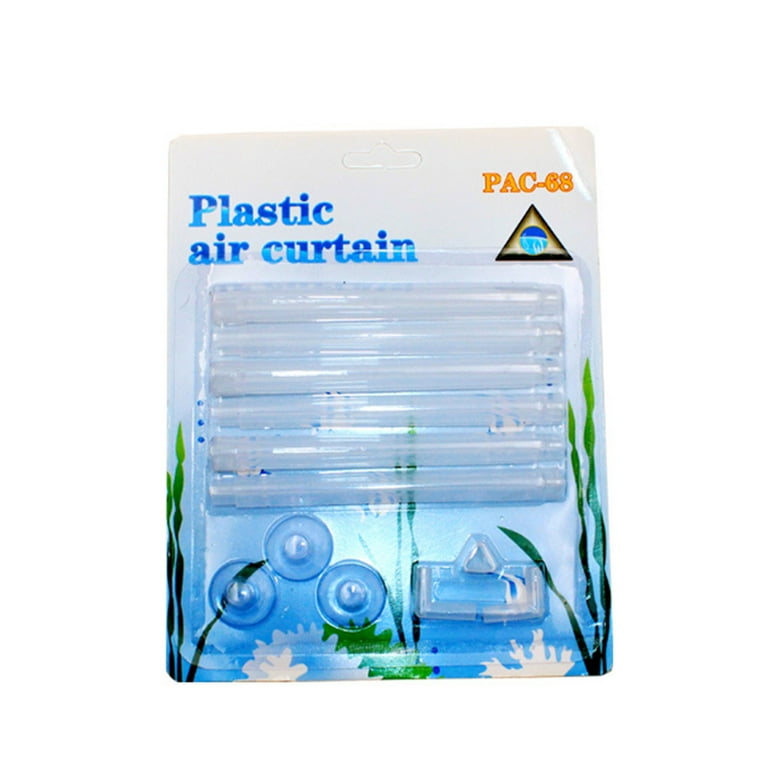
Types of aeration devices and how to choose
There are several ways to add bubbles. Choose based on tank size and needs.
- Air pump with air stone. Gentle, cheap, and easy to place. Great for small to medium tanks.
- Sponge filter. Provides aeration and biological filtration. Ideal for breeding tanks and shrimp.
- Powerhead. Creates strong flow and surface agitation. Best for larger tanks or species that like current.
- Hang-on-back or canister filters with return. These often provide enough surface agitation without extra air.
Match device size to tank volume. Avoid oversized pumps that create too much turbulence for shy fish. Use airline valves and check valves to control flow and prevent backflow.
Common mistakes and troubleshooting
Some mistakes are easy to avoid. Fix them quickly to protect your tank.
- Over-aeration. Too much flow can stress slow-swimming fish. Move air stones or reduce pump power.
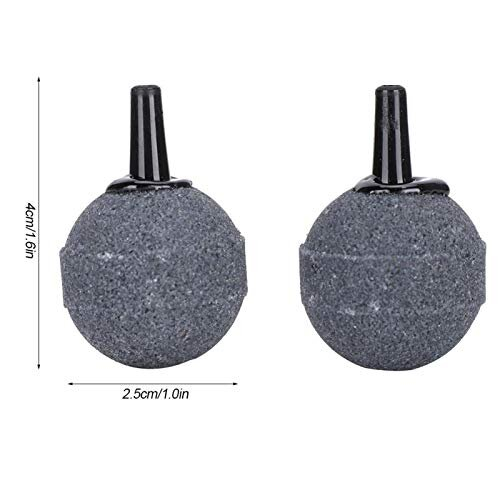
- Wrong air stone size. Fine bubbles increase oxygen better than large bubbles. Replace old, clogged stones.
- No backup power. Power outages stop aeration. A battery backup or sponge filter can save fish.
- Ignoring noise. Loud pumps can be fixed by placing them on foam pads or lowering power.
- Poor placement. Place stones near filters and away from surface skimmers for best mixing.
If fish gasp at the surface, test oxygen and temperature first. Warm water holds less oxygen. Adjust aeration and reduce temperature if needed.
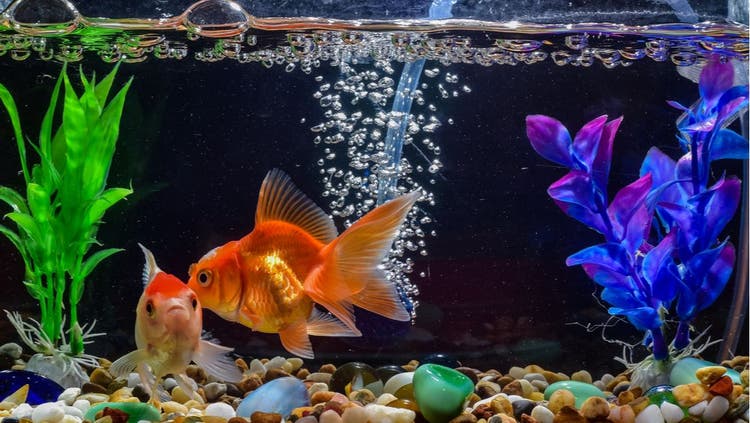
Frequently Asked Questions of why is it important to have bubbles in an aquarium
How do bubbles increase oxygen in the tank?
Bubbles increase the surface area between air and water. This speeds up oxygen transfer and removes excess carbon dioxide. That helps fish and bacteria breathe.
Can too many bubbles harm fish?
Yes. Strong currents from too many bubbles can stress or tire some fish. Reduce flow or use a sponge filter for gentle aeration. Place the air stone away from timid species.
Do live plants reduce the need for bubbles?
Plants produce oxygen during the day but use oxygen at night. Bubbles are still important for night-time oxygen and for steady circulation. Relying only on plants can risk low oxygen at night.
Are air stones better than powerheads?
Air stones create fine bubbles and gentle flow, while powerheads produce stronger currents. Choose based on fish preference and tank layout. Many hobbyists use both for balance.
How often should I run the aeration system?
Aeration should run 24/7 for healthiest conditions. Turn it off only for short maintenance tasks. Continuous flow keeps oxygen and circulation stable.
Conclusion
Bubbles do more than look pretty. They keep water oxygen-rich, stabilize chemistry, boost filtration, and reduce stress for fish. From my own tanks, I can say small changes in aeration made big differences in fish health and water clarity. Try a simple air stone or sponge filter and watch your tank improve.
Take action today: check your tank flow, add or adjust an air source if needed, and monitor oxygen-related signs. Leave a comment with your setup or questions, or subscribe for more practical tank tips.